Resurrection or Cremation: An ancient debate
Throughout history, humanity has grappled with the ultimate question of what happens after death, giving rise to diverse burial rituals. From ancient traditions to modern practices, the way we treat our deceased reflects our deepest beliefs and societal values. Join JACKS N KNIGHTS as we explore the fascinating journey through time, examining why some cultures embraced cremation, others preserved the body, and why today's choices are often influenced by financial realities.
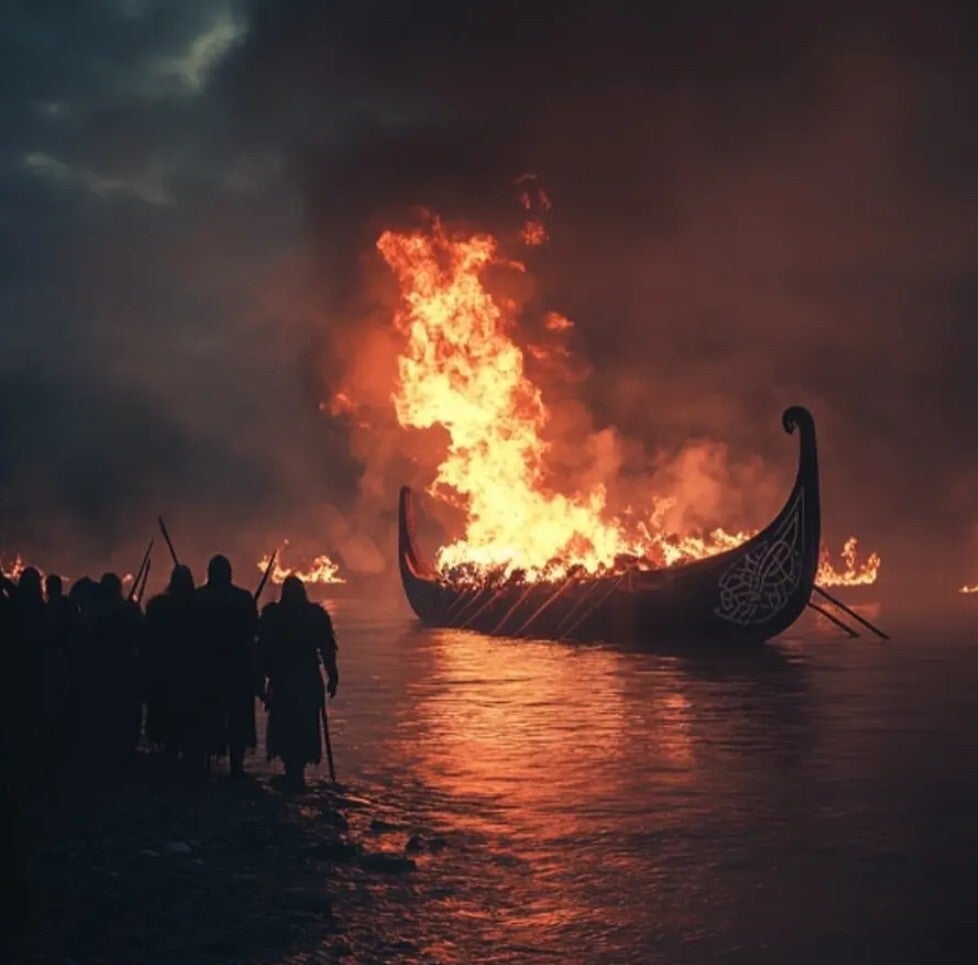
The fiery farewell: Viking traditions
For the Vikings, death was often a journey to the afterlife, and cremation was a common ritual, especially for warriors and chieftains. Imagine a longship, laden with treasures and the body of a respected leader, set ablaze and pushed out to sea. This fiery farewell was believed to purify the soul and ensure safe passage to Valhalla. It was a spectacle of honor and a testament to their beliefs about courage and destiny beyond this life.
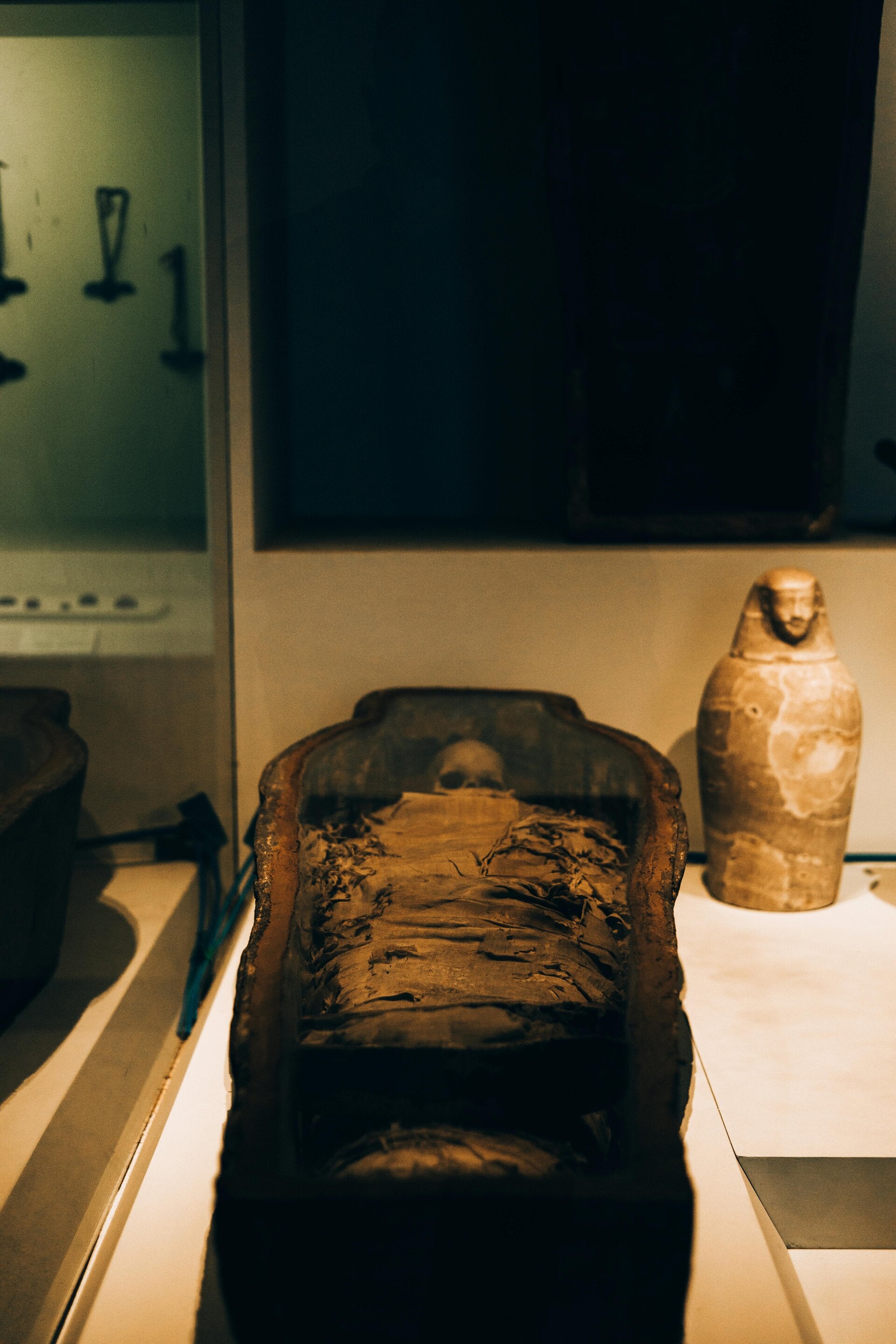
Preserving for eternity: Egyptian mummification
In stark contrast to the Vikings, the ancient Egyptians sought to preserve the body for eternity through elaborate mummification. This intricate process, reserved primarily for pharaohs and the elite, involved careful removal of organs, drying the body, and wrapping it in linen bandages. Their belief in the afterlife was deeply intertwined with the physical body, which they believed housed the soul for its journey through the underworld. To them, preservation was a direct path to resurrection.
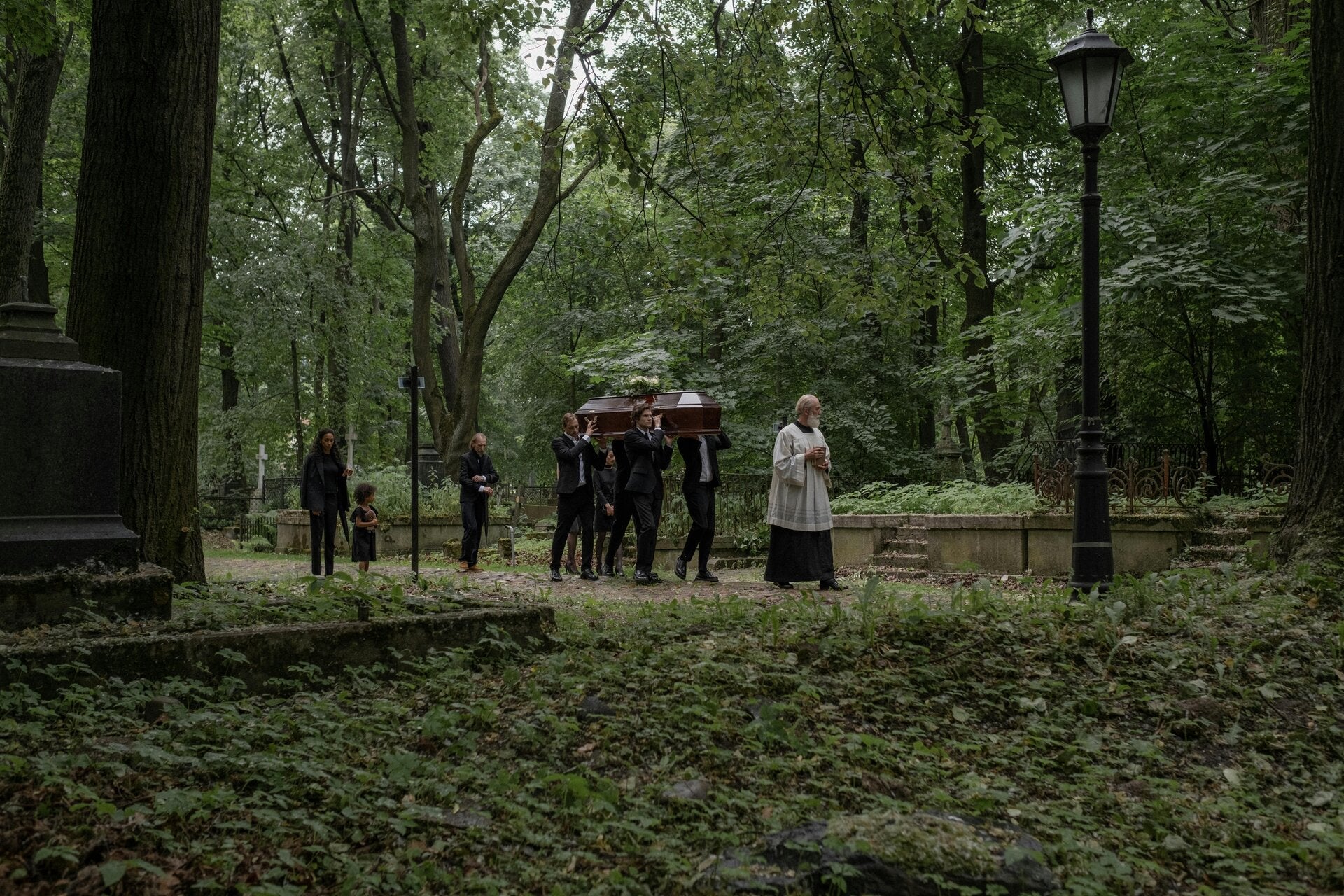
I would say they are deep into ancestry and DNA collection and probably have a massive storage database of DNA That's why they can follow the process they do while everyone else is erased forever
Honoring the natural cycle: Jewish traditions
Jewish tradition emphasizes the sacredness of the human body, created in the image of God. Therefore, cremation is strictly forbidden. Instead, the deceased are buried as simply and naturally as possible, without embalming or elaborate adornments. The focus is on a quick return to the earth, allowing the natural decomposition process to occur. This respect for the body and its return to the elements reflects a profound belief in the cycle of life and the ultimate resurrection.
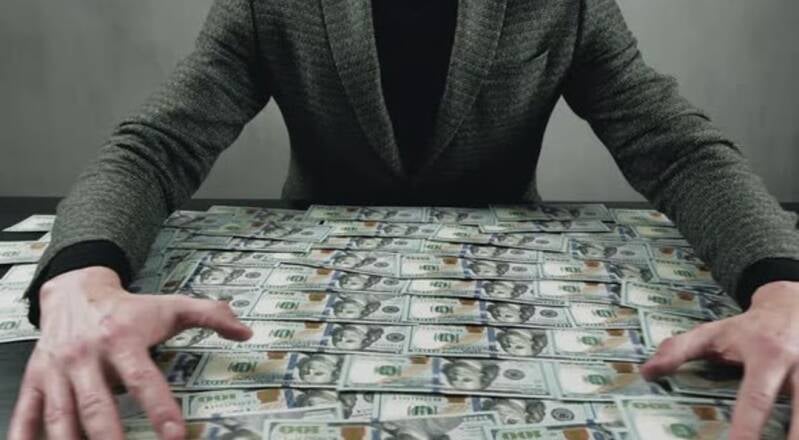
This whole thing becomes a scam in its own with expensive costs across the board from plot to box to service designed to delight the for a ripe price of everything your widow/widower has left I smell an early vacation
Modern choices: The financial imperative
In our contemporary world, cremation has seen a resurgence, often driven by financial considerations. The rising costs of traditional burials, including embalming, caskets, and burial plots, can be prohibitive for many families. While ancient cultures cremated for spiritual or honorific reasons, today, it's often a practical decision. This shift raises important questions about our values and beliefs surrounding death in an increasingly complex and expensive world. At JACKS N KNIGHTS, we believe it's vital to understand the full implications of these choices.