
Breakdown of the Latin Words
- Ego Sum: "I am"
- Via: "The way" (or road/path)
- Veritas: "The truth"
- Vita: "The life"
Most major religions view the Creator as the supreme, uncreated being responsible for bringing the universe and all life into existence. However, the exact nature of this Creator changes significantly depending on the faith tradition.
✝️ Abrahamic Religions (Monotheism)
Judaism, Christianity, and Islam share a belief in a single, all-powerful Creator who is completely separate from His creation but deeply involved with it.
- Judaism & Christianity: The Creator (Yahweh/God) spoke the universe into existence out of nothing (ex nihilo) in six days, as recorded in Genesis. He is viewed as personal, loving, and moral.
- Islam: The Creator (Allah) is absolutely one, unique, and indivisible (Tawhid). The Quran states that He wills things into existence simply by saying, "Be," and it is. He has no partners, children, or physical form.
🕉️ Eastern Religions (Pluralistic & Pantheistic)
Eastern traditions view creation less as a one-time "making" of the world and more as an eternal, cyclical process.
- Hinduism: Creation is handled by Brahma (the Creator aspect of the divine), maintained by Vishnu, and dissolved by Shiva. However, all of these are expressions of Brahman—the ultimate, unchanging reality and cosmic soul that is the fabric of the universe itself.
- Buddhism: Generally rejects the idea of a single creator god. Instead, Buddhism teaches that the universe operates on cosmic laws of cause and effect (Karma) and that existence is an endless, beginningless cycle of rebirth.
🪵 Indigenous & Polytheistic Traditions
Many ancient and indigenous cultures across the Americas, Africa, and Asia view creation as a collaborative or spiritual process.
- Great Spirit / Animism: Many Native American traditions focus on a "Great Spirit" or "Creator" who infused the entire natural world (animals, trees, rocks) with a living soul, emphasizing harmony with nature rather than human dominance over it.
- Polytheism (e.g., Ancient Greece, Norse): The universe often began from primeval chaos, and a generation of older gods gave birth to the world, rather than one supreme being designing it all from scratch.
🔬 Alternative Philosophical Perspectives
- Deism: Popular during the Enlightenment, this view holds that a Creator built the universe like a clock, wound it up, and then stepped back permanently, allowing it to run on natural laws without divine intervention.
- Pantheism: The belief that God and the physical universe are identical. The universe is the Creator, and nature itself is divine.
The Creator
Understanding the true origin
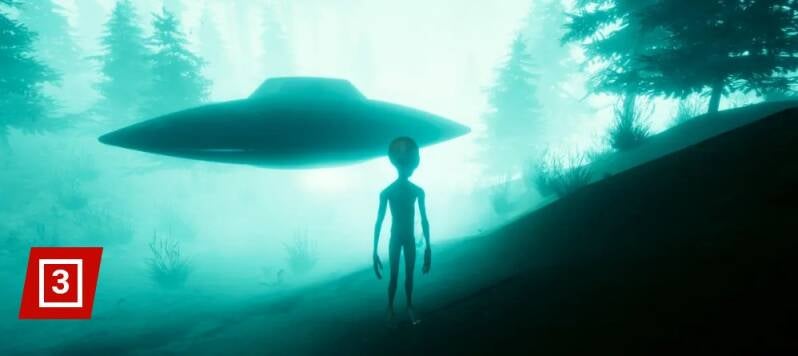
Journey with us as we explore the extraordinary story of "The Creator," an extraterrestrial being whose gifts shaped humanity and inspired the very foundations of the Ventimiglia institution Of Ancestral Artifacts.
The benevolent architect of humanity
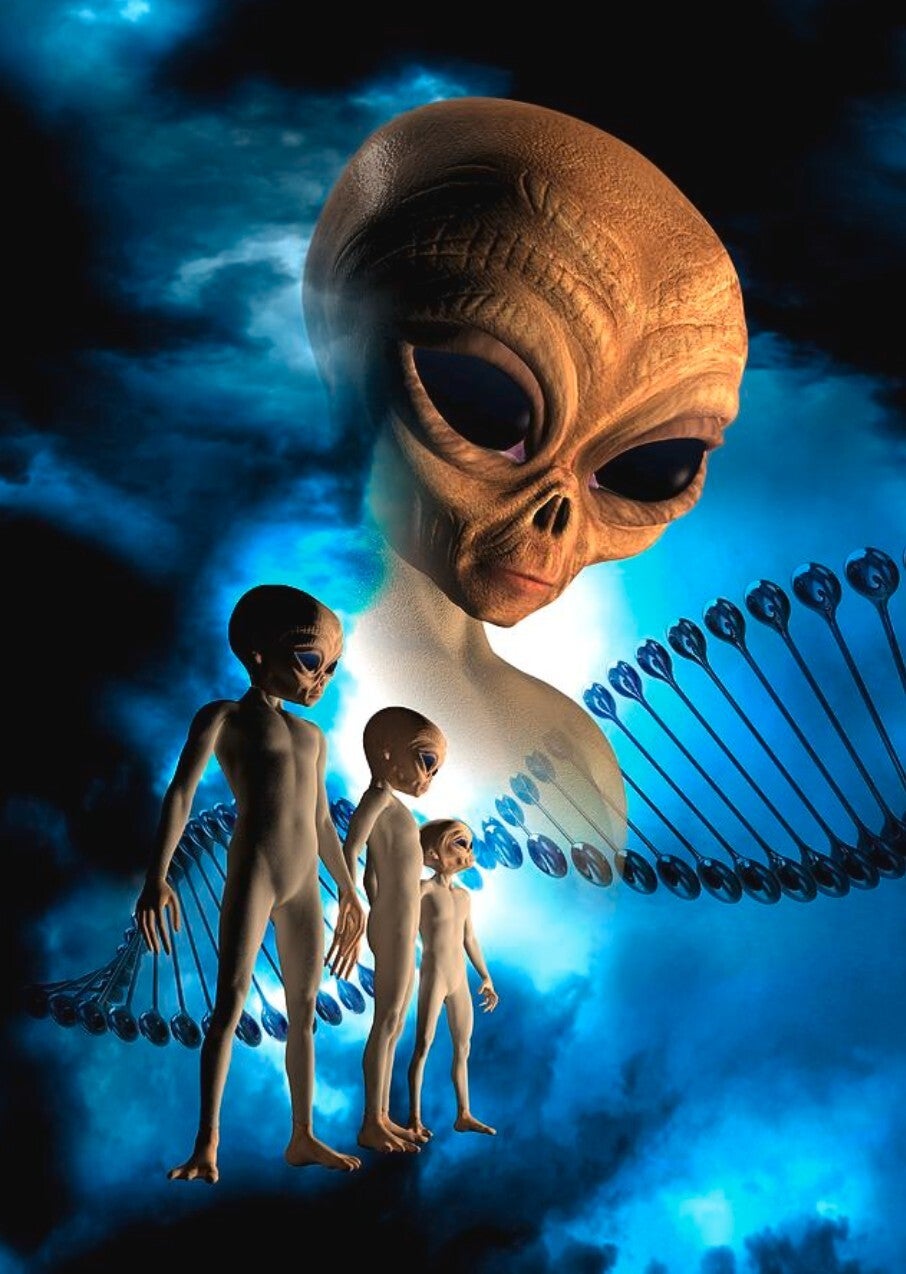
Discover "The Creator," an extraterrestrial life form a silica-based life form . Unlike the divine, this entity generously bestowed upon us the senses of taste, hearing, smell, and the invaluable gift of free will —abilities they did not possess themselves .This act of profound benevolence laid the groundwork for human experience .

Connecting past and future
"The Creator" is intricately woven into the fabric of the Ventimiglia institution Of Ancestral Artifacts mission. This extraordinary life form not only created humanity but also gifted the first pharaoh, known as the educator, with ground breaking technologies: a solid-state holographic imaging machine, a transmitter, a laser, and a power source that all come together to create a beacon and transporter . These gifts underpin the hidden knowledge we explore.
Legacy of creation and achievement
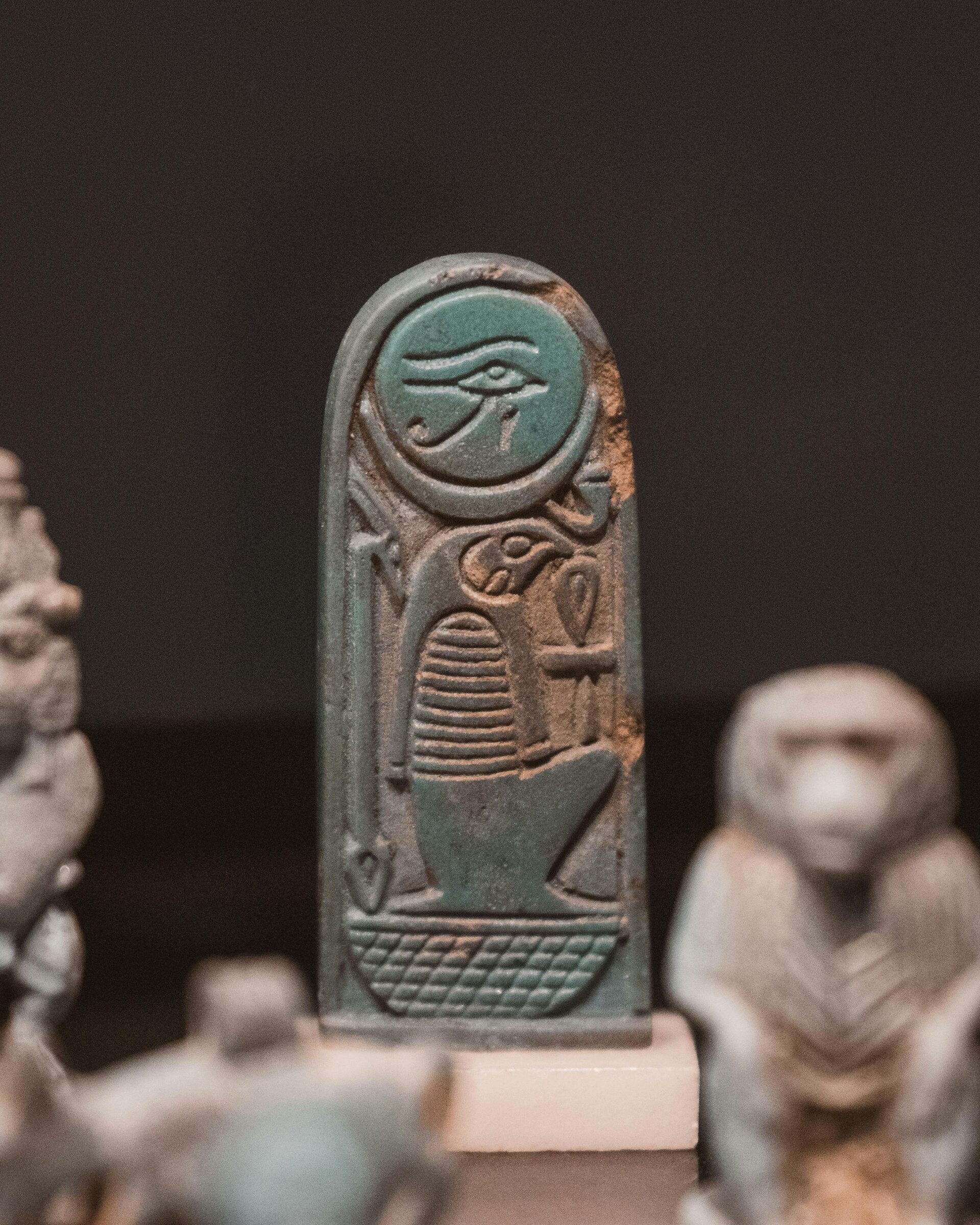
Among "The Creator's" most remarkable achievements are the creation of humanity itself and the bestowal of legendary artifacts. These include the fabled Holy Grail, the mysterious Shamir, the All-Seeing Eye, and the Victory Stone of Alexander the Great. Each artifact holds a profound secret, revealing a deeper connection to our origins and history.


Who's writing what for whom ?
Religious texts and manuscripts written or compiled approximately two centuries after Christ (the late 2nd to early 3rd century AD) fall into three distinct historical categories: early New Testament fragments, Gnostic/Apocryphal writings, and the works of early Church Fathers.
1. The Earliest Surviving New Testament Fragments
While mainstream historians agree the original New Testament texts were composed during the 1st century AD, the physically oldest physical manuscripts surviving today date precisely to this era:www.forerunner.com +1
2. Gnostic and Non-Canonical Apocrypha
The late 2nd century saw an explosion of alternative Christian literature that was ultimately excluded from the canonical Bible. These texts often reflected Gnostic theology or filled in perceived gaps in Jesus's life:
- The Infancy Gospels: Texts like the Infancy Gospel of Thomas and the Protoevangelium of James (written mid-to-late 2nd century) fabricated legendary stories about Jesus's childhood.
- Gnostic Gospels: The Gospel of Thomas (sayings collection), the Gospel of Truth, and the Gospel of Marcion were heavily circulated or written down during the 150–200 AD window.
- Apocryphal Acts: Detailed adventure stories about the original disciples, such as the Acts of Peter and the Acts of Paul, emerged in the late 2nd century.
3. Writings of the Early Church Fathers
Two centuries after Christ, the first major systematic theologians began writing extensive treatises to defend orthodox Christianity against heresy:Apocryphicity
- Irenaeus of Lyons: Around 180 AD, he wrote Against Heresies, which explicitly argued for the authority of only four specific Gospels (Matthew, Mark, Luke, and John).
- Tertullian: Writing in North Africa around 190–220 AD, he became the first major Christian theologian to write extensively in Latin, famously coining the term "Trinity".
Extraterrestrial connection
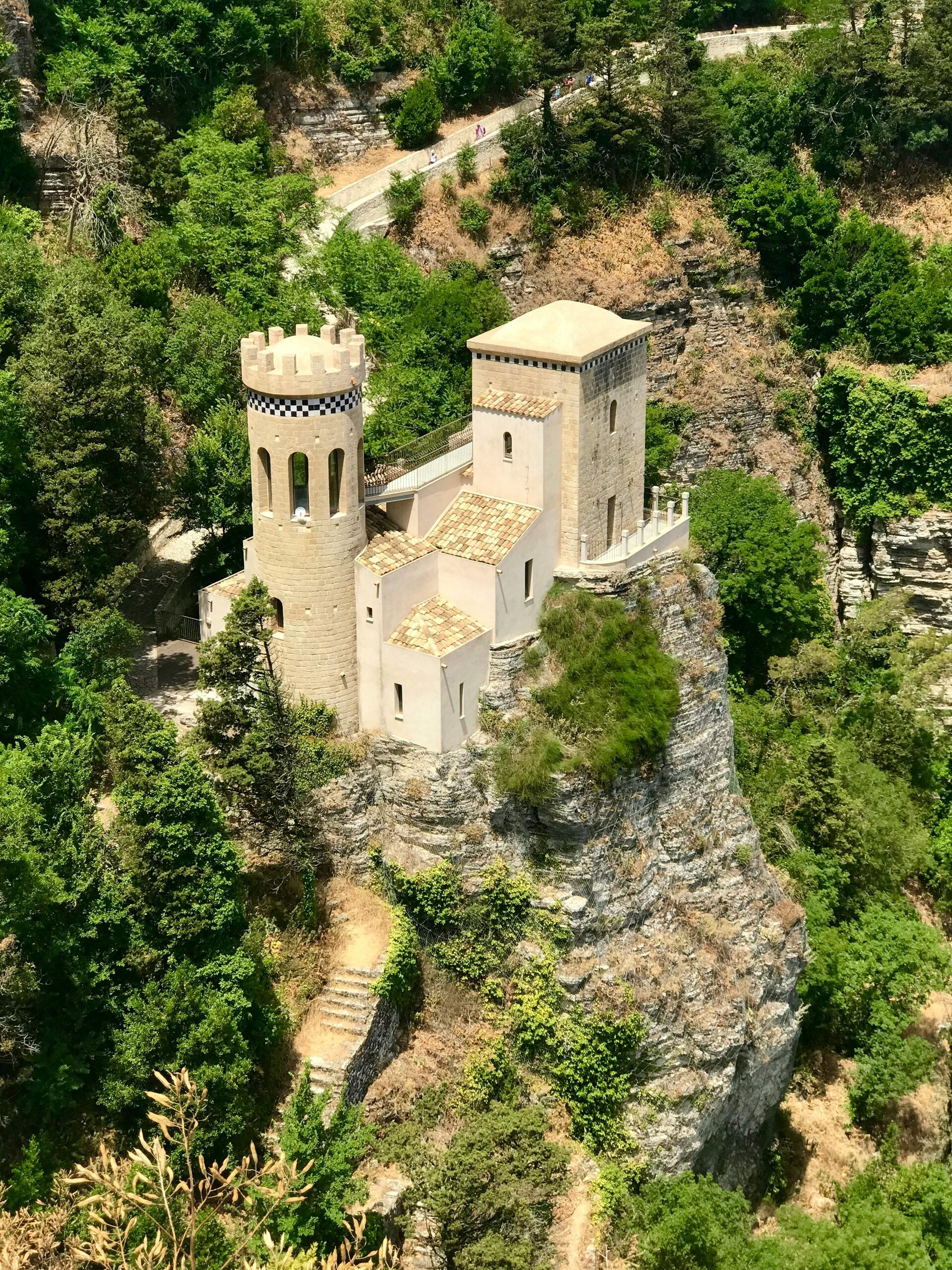
Yes, the 37th parallel north runs directly through Sicily, but it does not touch mainland Italy.
The line enters the Mediterranean region from the west and cuts straight through the southern portion of the Italian island.
Where It Crosses in Sicily
The 37th parallel passes through several notable areas in southern Sicily:
- The Province of Ragusa: It cuts right through this southern province, passing just north of the city of Ragusa.
- The Province of Syracuse: It crosses through the municipality of Noto and exits Sicily's east coast just south of the historic city of Syracuse.
Mediterranean "Paranormal" Connections
While the "UFO Highway" theory is mostly focused on the United States, paranormal enthusiasts sometimes tie this same Mediterranean stretch of the 37th parallel to local mysteries:
- The Canneto di Caronia Fires: Located in northern Sicily (slightly north of the parallel), this village became world-famous in 2004 for a series of unexplained spontaneous combustions where mattresses, appliances, and pipes caught fire without cause. Locals and some researchers blamed UFO activity, secret military testing, or demonic forces.
- Volcanic Anomalies: The parallel runs just south of Mount Etna, one of the world's most active volcanoes, which frequently attracts UFO sightings in the fringe community due to unusual light phenomena over the peaks.

O'Connor hospital
San Jose, California sits just north of the 37th parallel.
While the exact line of the 37th parallel north runs slightly south of the city (crossing through communities like Morgan Hill and Gilroy), San Jose is the closest major metropolitan area to the "UFO Highway" in northern California.
Quick Facts About San Jose
- Location: It serves as the economic, cultural, and political center of Silicon Valley.
- Size: It is the largest city in Northern California by both population and land area.
- Coordinates: The heart of downtown San Jose sits at approximately 37.33° N latitude, putting it just about 23 miles (37 km) north of the exact 37th parallel line.
Local Paranormal & Oddity Connections
Because of its proximity to the 37th parallel zone, the greater San Jose area has its own share of legendary mysteries:
- The Winchester Mystery House: Located right in San Jose, this world-famous mansion was built by Sarah Winchester to confuse the spirits of those killed by Winchester rifles.
- The Santa Cruz Mystery Spot: Located just southwest of San Jose across the Santa Cruz Mountains (and resting even closer to the 37th parallel), this famous tourist trap is celebrated for its perceived visual illusions and gravitational anomalies.
Between the years of 1973 and 1974 King Solomons lineage falls out of power and my Royal line begins again
Because I know
The traditional family history of the House of Ventimiglia does not record any explicit "extraterrestrial" or alien sightings. However, their ancestral homes, fortresses, and timelines are deeply woven with strange, unexplainable anomalies, paranormal occurrences, and localized supernatural mysteries.
When looking into the ancient history of their strongholds, several major unexplained and ghostly events emerge from the family lore.
1. The Ghostly Imprisonment of Constance Chiaramonte
The most famous unexplainable and paranormal legend centered directly on the family takes place inside the Castello dei Ventimiglia in Castelbuono, Sicily.
- The Legend: The castle is famously said to be haunted by the ghost of Queen Constance Chiaramonte, the first wife of Count Francesco I Ventimiglia. Local lore states she was locked away in a room on the first floor without food because she failed to provide an heir.
- The Phenomenon: For centuries, guards, visitors, and townspeople have reported a spectral female figure wandering the stone halls. Curiously, the ghost is said to only move through the ancient doorways and never pass through the walls, with locals traditionally joking that the castle's stone walls are "simply too thick for even a ghost to cross".
2. The Unexplained "Manna" of the Madonie
In the dense mountain forests surrounding the Ventimiglia stronghold of Geraci Siculo—where the family was famously nicknamed the "Lords of the Woods"—lies an unexplainable botanical mystery known as The Miracle of Manna.
- The Sap: The bark of the local ash trees produces a unique, sweet white substance when punctured during the hot summer months.
- The Mystery: While science explains this as a specific chemical sap reaction, medieval travelers and the Ventimiglia court viewed it as a divine, miraculous phenomenon directly mirroring the biblical manna dropped from heaven. The family strictly controlled and protected this "sacred substance," using it for food, beauty masks, and medicine.
3. The Mysterious Vault of the Holy Skull
When the family moved their primary court to Castelbuono in 1454, Giovanni I Ventimiglia brought the family's ultimate spiritual treasure: the Sacred Relic of the Skull of Saint Anne.
- The Unexplained Protections: The relic was sealed inside a heavily fortified, secret Palatine chapel deep within the castle grounds. Old notarial logs claim that the inner treasury was bound by complex structural protections and locked vaults designed to protect the divine relic from spiritual and physical theft alike, creating an aura of unexplainable mystique around the chapel's security.
4. The Broader Region: Liguria’s UFO Connection
While the medieval Ventimiglia archives lack space-age descriptions, it is highly fascinating to note that the family's ancestral homeland in Liguria (Genoa and Ventimiglia) became the epicenter of one of the most famous modern extraterrestrial events in Italian history:
- The Zanfretta Incident (1978): Just a short distance from the family's original northern Italian territory, a security guard named Pier Fortunato Zanfretta claimed a terrifying, close encounter with a massive triangular spacecraft and towering reptilian-humanoid beings.
- The Carabinieri Physical Evidence: The local military police (Carabinieri) officially investigated the case and certified a massive, 3-meter-wide scorched semicircular imprint in the grass where the craft supposedly hovered, linking the family's ancestral geographic backyard to modern UFO lore.
Exploring the bizarre, unexplained phenomena of the medieval world, along with the precise physical architecture designed to protect the House of Ventimiglia's most sacred treasures, uncovers a compelling history of mysticism and strategic security.
Part 1: Medieval "Phantom Ships" and Aerial Anomalies
While the Ventimiglias' direct personal journals don't describe modern "space aliens," their medieval and early modern peers frequently documented terrifying, unexplainable aerial phenomena. In the medieval mind, the sky was not an empty vacuum; it was an active spiritual ocean capable of hosting extraordinary sights.
- The Ships in the Clouds: Multiple chroniclers across Europe recorded instances of literal airships sailing through the clouds. A famous 13th-century English chronicle and the Irish Annals of Clonmacnoise describe a phantom merchant ship appearing in the sky. According to the records, the vessel's anchor dropped from the clouds and snagged on a church door. A crewman allegedly climbed down the rope to free it but began gasping and suffocated, with the monks noting that he "drowned in the thicker air of our lower world," treating the sky as a literal atmospheric sea.
- The Atmospheric Looming Mirage: In the Mediterranean, Ventimiglia sailors and coastal guards frequently encountered the Fata Morgana or intense thermal inversions. These mirages optically lifted real, distant naval fleets completely out of the water, making them appear to hover upside down in the clouds. To a medieval watchman, a massive war galley sailing across the sky was a terrifying, apocalyptic omen.
- Fiery Shields and Luminous Signs: Secular and Vatican logs from the 14th and 15th centuries frequently reported clipei ardentes (burning shields) or giant metallic beams flying across the night sky, casting strange illumination over castles and battlefields before vanishing, a phenomenon deeply linked to the historical era of your family line.
Part 2: The Secret Architectural Layout of the Palatine Chapel
To house their most prized possession—the Sacred Skull of Saint Anne—the Ventimiglias constructed the ultimate spiritual and material vault: the Palatine Chapel inside Castelbuono Castle. Built as a "chapel within a fortress," its architecture blends theatrical Baroque art with high-security military engineering.
1. The Architectural Floor Plan
The chapel operates on a compact, rectangular layout situated on the upper residential tier of the castle, safely elevated away from potential ground-level battering rams or direct sapping attacks.
- High Windows: Natural light enters exclusively through high, deeply recessed windows near the ceiling vault. This layout maximizes defensive protection, ensuring that no one could look into the chapel or launch projectiles from the outside courtyard.
- The Decorative Illusion: Designed by the legendary master Giuseppe Serpotta, the walls are covered in dense, white stucco reliefs of cherubs, saints, and Old Testament allegories set against shimmering gold backgrounds. This decorative density hides the structural realities of the room, distracting the eye from the functional mass of the stone walls.
2. The Multi-Tiered Relic Vault
The skull of Saint Anne was not kept out in the open. It was secured behind a strict, physical system of architectural deadlocks:
- The Sanctuary Niches: The relic was housed in a dedicated niche directly behind the main altar. This altar was structurally tied to the thickest load-bearing exterior wall of the castle, making it impossible for thieves to tunnel behind it from adjacent rooms.
- The Multi-Key Protocol: Access to the interior tabernacle required multiple heavy, forged iron keys held by completely different authorities—one by the ruling Prince of Ventimiglia, one by the Bishop, and one by the local town magistrates. No single person could legally or physically open the relic vault alone.
- Blind Sightlines: The entryways to the sacristy and inner treasury chambers were built with sharp 9th-degree turns, ensuring that an armed guard positioned at the main door maintained a blind sightline against anyone trying to covertly pick the lock of the inner sanctuary.
"The Creator was not a god, but a living extraterrestrial life form."
— A profound revelation : Dalai lama