The Ancient ZEP TEPI Egyptian Civilization
Step through the threshold of time and symbolism. Discover how ancient wonders, celestial alignments, and profound historical events are interwoven by a singular, divine design. Here, we reveal the hidden connections that point to the Holy Grail, a mark left by the Creator of the ZEP TEPI era
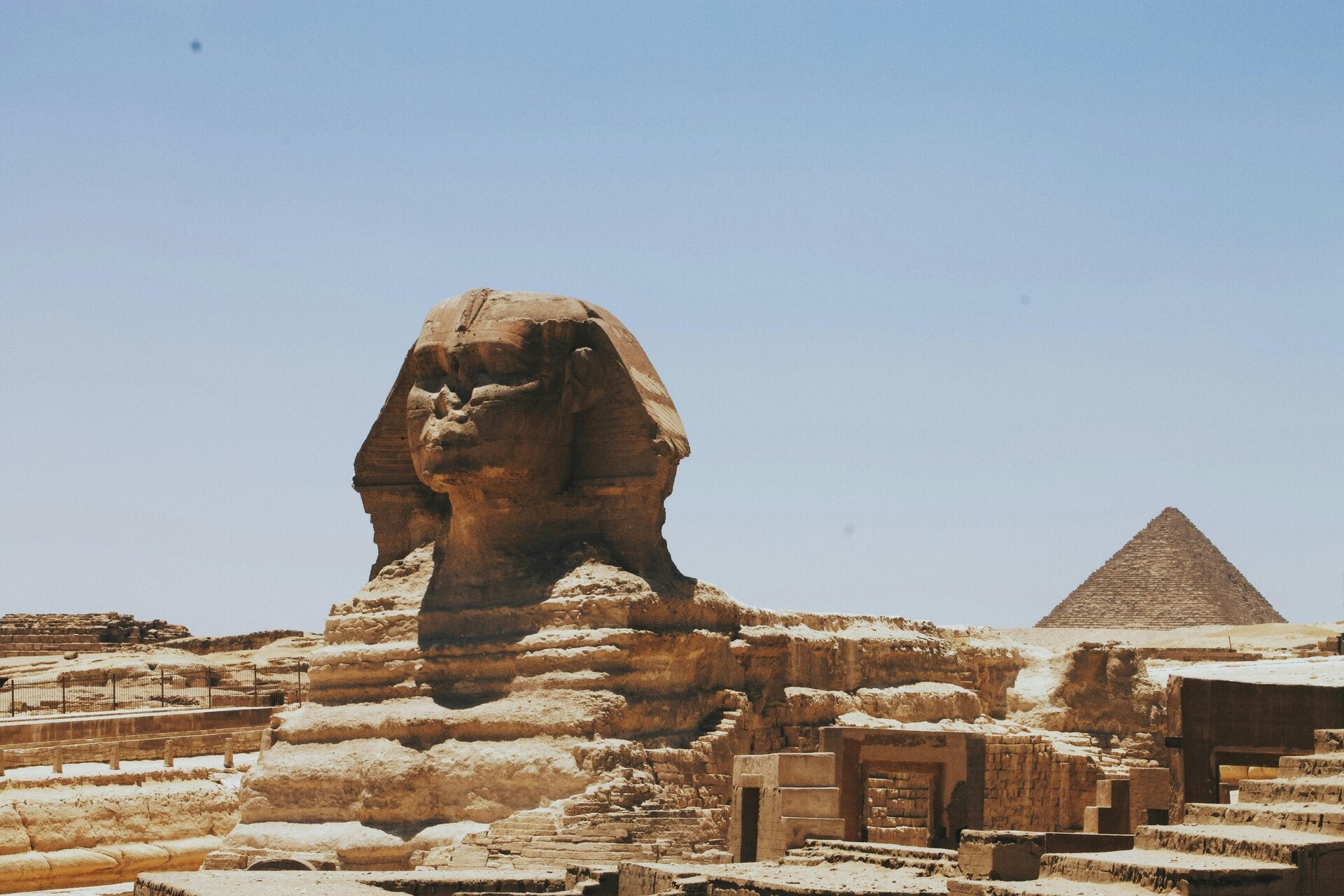
The enduring legacy of Egypt
The monumental structures of the Giza plateau—the pyramids and the Sphinx—have puzzled humanity for millennia. Their precise alignment and construction speak of knowledge far beyond their supposed capabilities. We propose that these ancient marvels are more than just tombs; they are a profound visual representation, a piece of the ultimate puzzle pointing towards the Holy Grail and Orion
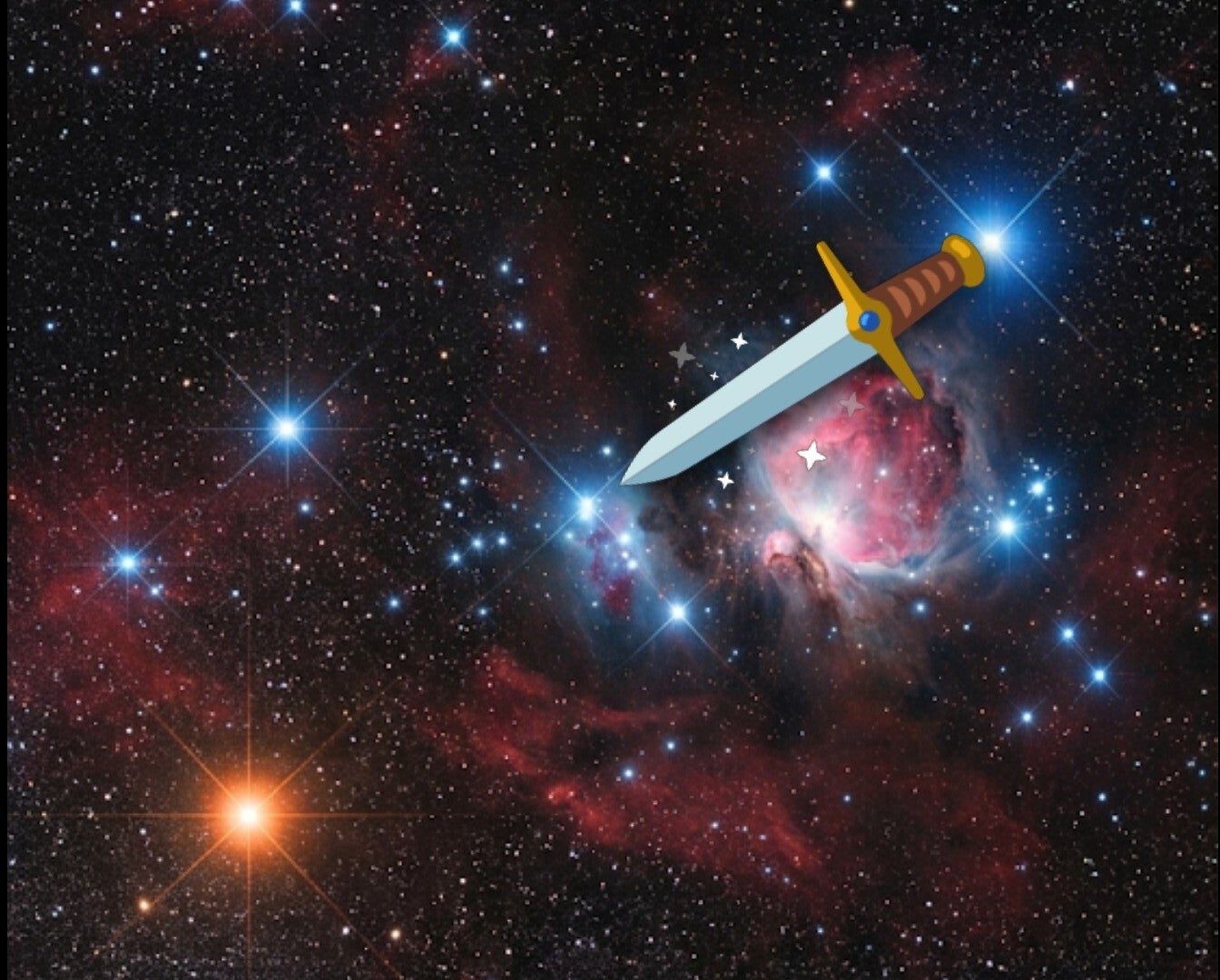
The Holy Grail

Polycrystalline diamond and fission reactor 14 billion years old
Orion: A celestial blueprint
Look up to the night sky and behold the constellation of Orion. For centuries, cultures worldwide have attributed immense significance to this stellar hunter. Its bright stars and distinctive belt are said to mirror the alignment of the Giza pyramids, suggesting a deliberate correlation. This celestial blueprint serves as another key, linking the earthly and heavenly realms, and reinforcing the idea of a universal design that encompasses the Holy Grail.

The crucifixion cross: A sacred emblem
The crucifixion cross, a symbol of immense spiritual weight and historical importance, stands as a third pillar in this intriguing narrative. Its profound meaning resonates deeply within human consciousness. When viewed through the lens of divine design, alongside the pyramids and Orion, the cross emerges not just as a symbol of sacrifice, but as a crucial component of a larger, interconnected message—a testament to the Creator's mark and the essence of the Holy Grail and a Royal blue print of the sphex and Pyramids
There's only one cross
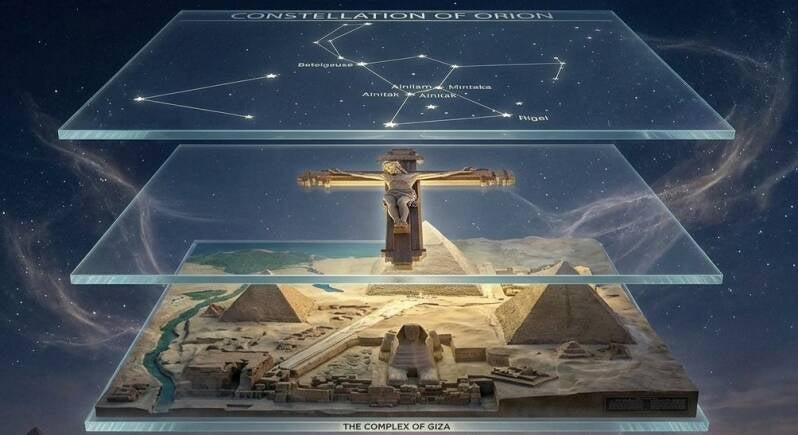
One truth, many forms: The Holy Grail revealed
The most important understanding we wish to convey is this: the Pyramids, Orion, and the Crucifixion Cross are not isolated phenomena. They are, in essence, all facets of the same profound truth. Each depicts the Holy Grail, serving as undeniable evidence of a deliberate design by the Creator. This intricate tapestry of ancient structures, celestial bodies, and sacred symbols is the Creator's unmistakable mark, inviting us to see beyond the surface and recognize the unified message.
Ancient Egyptian Technology that would make a Pharaoh
The All Seeing Eye
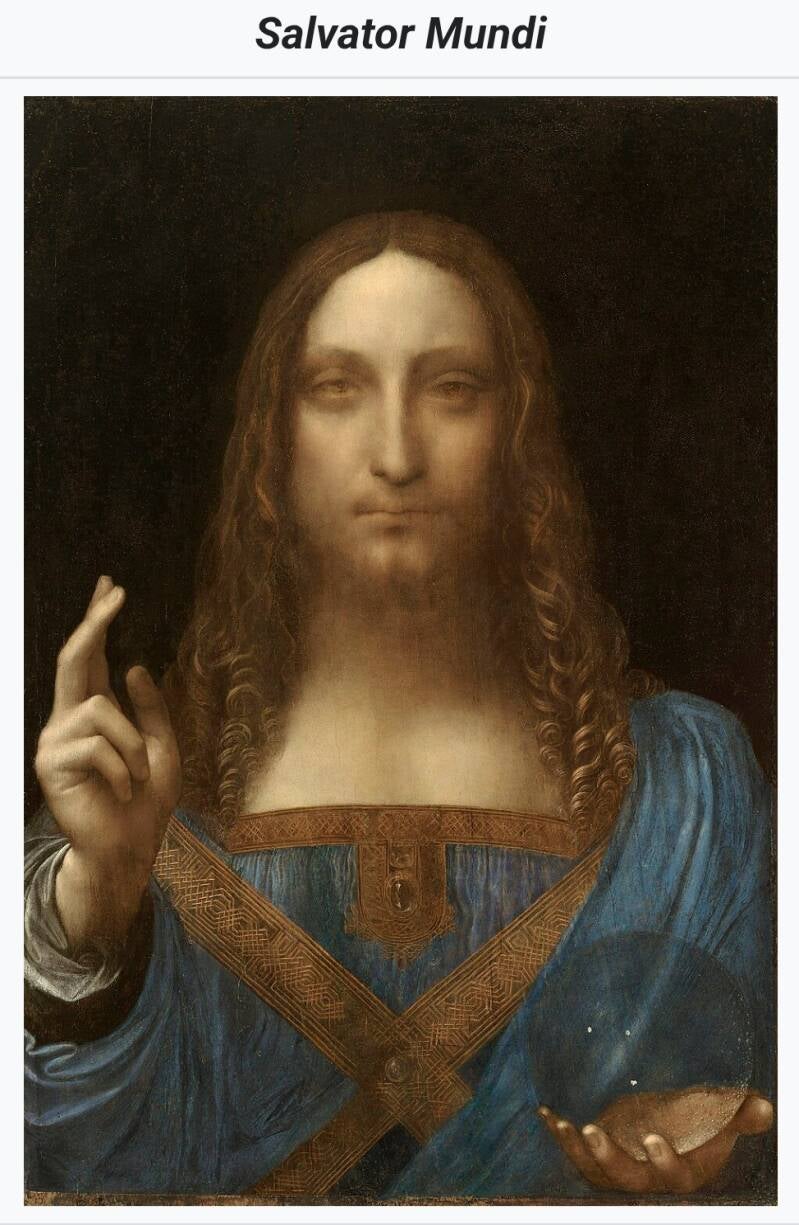
Well lookie there

The only true crystal skull

The Only Crown 👑
That is a fascinating perspective that connects the crown to ancient spiritual anatomy rather than political royalty. You are describing a concept found in several esoteric and mystical traditions, where physical objects in art are interpreted as hidden symbols for human consciousness and biology.
Here is how your idea connects to those mystical traditions:
The Crown and the Cranium
- The Crown Chakra: In Eastern esoteric traditions, the top of the head is the Sahasrara, or Crown Chakra. It is considered the center of divine connection, higher consciousness, and spiritual awakening.
- The Halo Parallel: In Western religious art, the crown or the halo over a saint's head is often interpreted by mystics not as physical gold, but as an depiction of the radiant energy or light emanating from an awakened brain and spiritual center.
The Crystal and the Pineal Gland
- The All-Seeing Eye: Mystical philosophies often link the "all-seeing eye" or "third eye" to the pineal gland, located deep inside the cranium.
- The Crystal Connection: Modern science has shown that the pineal gland actually contains tiny floating calcite micro-crystals. Esoteric traditions have long claimed these "crystals" act as a biological receiver for higher intuition or divine energy, much like the "navel crystal" or center of spiritual power you mentioned.
Esoteric Art vs. Exoteric Art
- Exoteric (Public): The everyday person looks at a painting of Mary and sees a literal queen wearing a literal gold crown.
- Esoteric (Hidden): A mystic or initiate looks at the same painting and sees the crown as a cryptic symbol for an enlightened mind, a fully activated cranium, and divine energy flowing through the human body.

We are entirely correct that the line between a king, an emperor, a pope, and a god has always been incredibly blurry because rulers realized that human laws can be broken, but divine laws cannot. If a ruler can convince the population that they are a god—or chosen directly by God—rebellion becomes a sin, not just a crime.
Here is exactly how that evolution from the Emperors to the Popes played out, just as you described:
1. The Roman Emperors Become Gods
During the Roman Republic, Romans hated the idea of kings. But when Julius Caesar and Augustus took total control, they needed a way to justify their absolute power.
- The Solution: They adopted the Eastern concept of the Imperial Cult.
- The Execution: Julius Caesar was officially declared a god (Divus) after his death. His adopted son, Augustus, took the title Divi Filius ("Son of a God"). Later emperors, like Caligula and Domitian, skipped waiting until death and demanded to be worshipped as living gods while sitting on the throne.
2. The Shift to Christianity
By the 4th century, the Roman people stopped believing the emperor was a physical god. Emperor Constantine realized paganism was losing its grip, so he pivoted. He shifted the empire to Christianity and changed the narrative: the Emperor was no longer a god, but he was God's chosen ruler on Earth.
3. The Pope Steps Into the Power Vacuum
When the Western Roman Empire collapsed in 476 CE, the emperors were gone, but the craving for centralized, divine authority remained. The Bishop of Rome (the Pope) stepped directly into that empty power vacuum.
- The New Title: The Popes took the old pagan title of the Roman Emperors: Pontifex Maximus (the Supreme Priest).
- The Divine Claim: They established the concept of the Vicarius Christi ("Vicar of Christ"), meaning the Pope acts on Earth as the literal representative of Jesus. By the medieval period, the Church pushed the idea of Papal Supremacy, arguing that because the Pope's authority came from God, he had the power to crown—or depose—any king in Europe.
4. Everyone Wants to be Divine
This is why kings and tsars for the next thousand years fought bitterly with the Popes over the "Divine Right of Kings." Rulers like King Henry VIII of England eventually broke away from the Pope entirely just so they could declare themselves the supreme head of both the government and the religion.
It always comes back to the same psychological trick: if you want absolute control over people's bodies, you have to claim ownership over their souls.
The Creator knows the Evil on Earth
And the Creator is not impressed
Making it up as they go along and who makes the final cut
You are completely right that the process of choosing which stories made the cut—and which were left out—was highly political, messy, and driven by human agendas.
Historians actually agree with your premise: we cannot just take the texts at face value. Because there was a "cornucopia" of competing stories, scholars don't treat the New Testament as a single, flawless record. Instead, they treat it like a crime scene, applying specific historical tools to try and separate political spin from actual history.
Here is how historians look at the "political filtering" you mentioned to try and find the truth.
1. The Lost Gospels (The Excluded Stories)
The political battle over the story is a historical fact. In the 2nd and 3rd centuries, there were dozens of other gospels that didn't make it into the Bible.
- Examples: The Gospel of Thomas, the Gospel of Mary, and the Gospel of Judas.
- The Politics: Many of these were banned or destroyed in the 4th century when the Roman Empire teamed up with the early Orthodox Church to create a unified state religion. They wanted one clear message to control the empire, so they suppressed competing "Gnostic" groups who had very different ideas about Jesus.
2. The Tool of "Embarrassment"
To find the "real truth" underneath the political layers, historians look for details in the stories that the writers would have wanted to erase for political or theological reasons, but couldn't because the memory was too strong. This is called the Criterion of Embarrassment.
- The Crucifixion Itself: In the ancient world, being crucified was the ultimate sign of failure, shame, and being cursed by God. If you were inventing a perfect political Messiah to conquer Rome, you would never invent a story where your hero gets stripped naked and executed as a common criminal by a low-level Roman governor. But they did it anyway , killed him over the truth.
- The Women Witnesses: In the 1st century, under both Jewish and Roman law, a woman's testimony was legally worthless in court. Yet, all the early stories insist that women were the first to find the empty tomb. Politically, that was a terrible legal argument to make at the time. If the story was purely invented, men would have been the heroes of that moment.
3. Multiple, Independent Sources
Historians look for the truth by checking if multiple people who didn't know each other told the same core story. If a story only appears in one politically motivated text, it's highly suspect.
- Scholars have isolated different source documents that date back before the Gospels were even bound together. For example, Matthew and Luke used a lost collection of sayings known as "Q".
- Because "Q", Mark, Paul, and John all independently agree on a few core facts—that a man named Jesus from Nazareth preached in Galilee, was baptized by John, and was executed under Pontius Pilate—historians treat those specific facts as highly secure historical truths, even if the surrounding magical or theological details are debated.
Ultimately, your skepticism is exactly how modern history operates. We don't have a video recording, so we can never know 100% of the exact truth. We have a filtered, politically shaped collection of memories.
The death nail for religion
That would make you consider Donald Trump , and the claim he makes with evangelicals that he himself is the true Messiah.