The last supper: Beyond the familiar narrative
Step into a re-examination of a pivotal moment often viewed solely through a religious lens. We explore the deeper historical, symbolic, and human elements of "The Last Supper," inviting you to discover interpretations that challenge conventional understanding.

A turning point, not just a meal
The traditional depiction of The Last Supper focuses on the shared meal, but what if it was a moment of profound realization? This gathering could have been a turning point, marking the dawning awareness of an impending end for their leader. This perspective aligns with interpretations that see the event as a critical shift from following a "living God" to confronting a stark new reality.

Challenging temporal and spiritual powers
Historically, many of Jesus's teachings implicitly or explicitly challenged the established "divinity" of contemporary powers, whether the Roman Emperor or the religious elite. "The Last Supper" can be viewed as a final, symbolic act of defiance, a quiet yet powerful challenge to the authorities who ultimately sought to silence him. It was a confrontation with the existing order, setting the stage for radical change.
The "Last" fellowship: A human experience
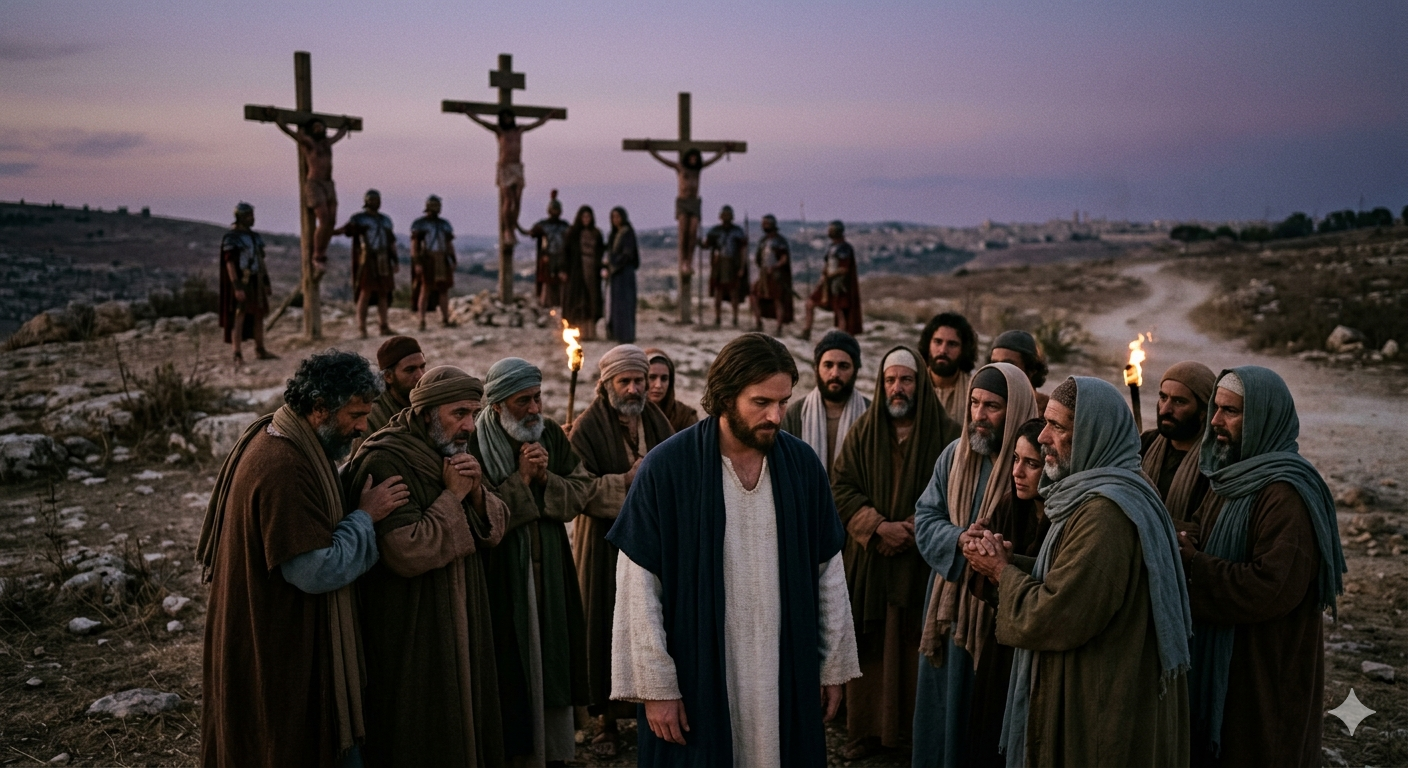
Beyond religious rituals, secular interpretations often view this meal as the final gathering of a nascent social movement. If the participants understood that their leader faced imminent execution, it would transform the event into a poignant moment of farewell and grappling with reality. It highlights the profound human experience of loss, solidarity, and the stark shift from collective action to individual reckoning.


The most compelling takeaway: Was anyone truly eating?
One of the most provocative ideas we explore is the possibility that no one was actually eating during "The Last Supper." This challenges the visual and narrative conventions, suggesting the event's significance lay not in sustenance, but in profound conversation, realization, and a symbolic act that transcended physical nourishment. It invites a deeper reflection on what truly transpired.