Germany and the Ventimiglia legacy
Discover the profound historical connections between the House of Ventimiglia and the ancient and medieval Germanic world. This page delves into the deep ties formed through tribal rule, royal marriages, and influential lineages, shedding light on a fascinating chapter of European history.
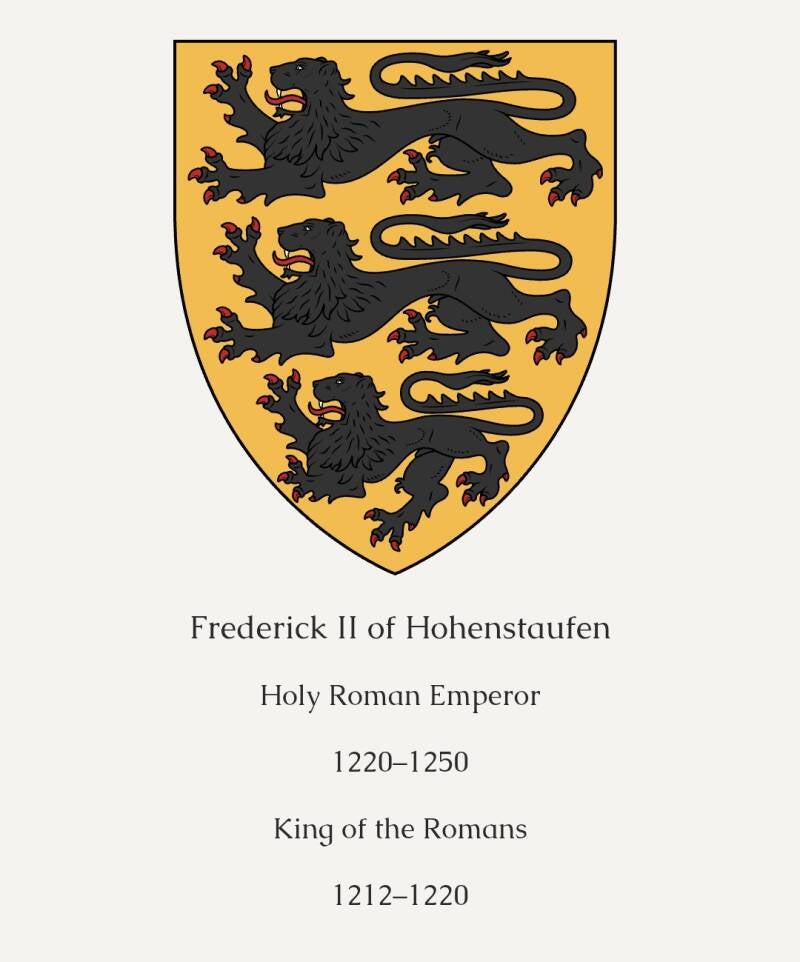
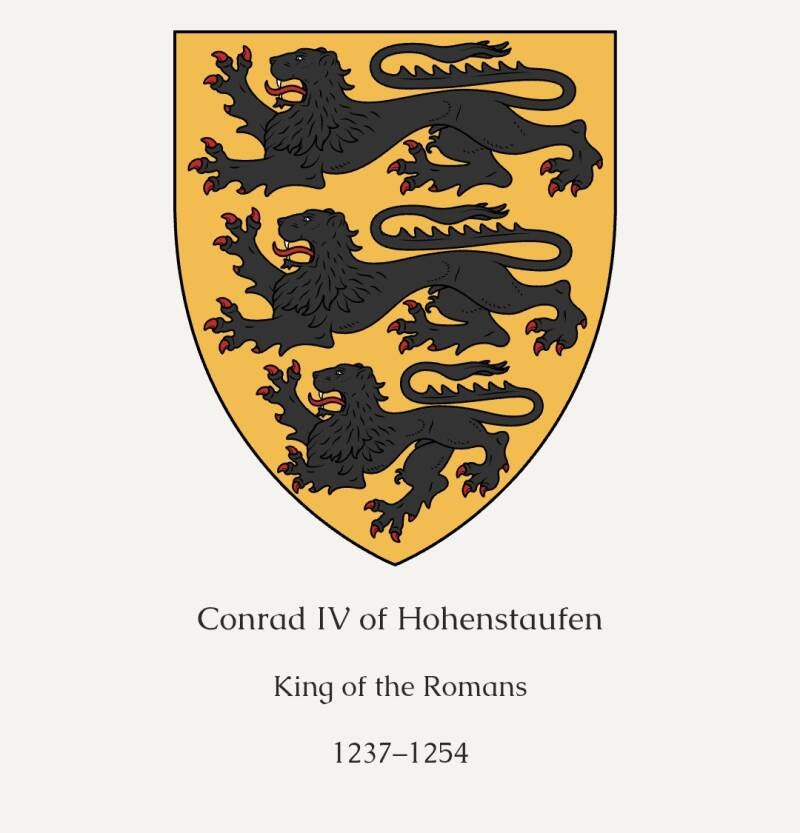
The House of Hohenstaufen was a prominent German royal dynasty and Holy Roman Emperors that ruled Swabia, Germany, Sicily, and Jerusalem during the Middle Ages (1138–1254). Their iconic coat of arms, featuring three black lions (passant) on a golden shield, remains a central symbol of Swabian heritage.
Origins and Heritage
Name Origin: The dynasty takes its name from the family castle on the Hohenstaufen mountain in the Swabian Jura.
- Famous Figures: Key rulers include the famous crusader Frederick I Barbarossa (Redbeard), Henry VI, and Frederick II (Stupor Mundi).
The Coat of Arms
Blazon: Or, three lions passant in pale sable (three black lions, stacked vertically, with red tongues, on a golden field).
- Symbolism: The design was adopted by King Henry VII of Germany and Philip of Swabia. The lions represented supreme strength, courage, and ducal authority.
- Modern Legacy: These original three lions are heavily featured on modern state emblems, most notably in the coat of arms for the German state of Baden-Württemberg and the Swabian quarter of the Bavarian Coat of Arms.
Connection to German Knights
The Hohenstaufen era is inextricably linked to the age of chivalry. Notably, their reign coincided with the rise of the Teutonic Knights, a prominent order of Crusader knights. The Hohenstaufen emperors, especially Frederick II, heavily supported and granted privileges to the Teutonic Order, aligning the spiritual-military knights with imperial goals in the Holy Land and Eastern Europe.
Ventimiglia's roots in Germanic tribal rule
Before it evolved into a medieval Italian commune, the city of Ventimiglia was profoundly influenced by early Germanic invaders. During the Gothic Wars of the 6th century, Ventimiglia became a contested battleground, notably besieged by the Ostrogoths. In the 7th century, Rothari, the renowned King of the Lombards—a prominent Germanic tribe—raided and subsequently conquered the city. It later experienced a resurgence and flourished under another Lombard monarch, Rodoald. The early ruling classes of this region extensively adopted Germanic-Lombard legal customs and intertwined bloodlines, demonstrating a significant Germanic tribal heritage.
Who what where and when
The crossover between the House of Hohenstaufen and the prominent Ligurian-Sicilian Ventimiglia family occurred during the 13th-century reign of Emperor Frederick II.
The primary union that bound these families was the marriage of Princess Emma of Hohenstaufen to Guglielmo II (William), Count of Ventimiglia around the 1230s–1240s. Because Emperor Frederick II was famously non-monogamous and had children with multiple wives and mistresses, Emma's branch of the family tree is highly intertwined with several prominent medieval houses.
Emperor Frederick II’s Strategic Marriages
To understand who married whom, the core imperial family tree around Emma's generation was structured by Frederick II's four official marriages and several key partners:
- First Wife: Constance of Aragon
- Who married whom: Their son Henry (VII) of Germany married Margaret of Babenberg.
- Second Wife: Yolande of Jerusalem
- Who married whom: Their son Conrad IV (King of Germany) married Elisabeth of Bavaria.
- Third Wife: Isabella of England (Sister of King Henry III)
- Who married whom: Their daughter Margaret of Sicily married Albert, Landgrave of Thuringia.
- Final Love/Wife: Bianca Lancia
- Who married whom: Their son King Manfred of Sicily married Beatrice of Savoy (and later Helena Angelina Doukaina). Their daughter Constance of Sicily married King Peter III of Aragon.
Emma's Full Siblings (The Children of Alayta von Urslingen)
Princess Emma of Hohenstaufen was born to Frederick II and his noble German mistress, Alayta von Urslingen. Emma's full, immediate siblings also made massive political marriages in Italy:
- Emma of Hohenstaufen → Married Guglielmo II, Count of Ventimiglia.
- King Enzio of Sardinia → Married Adelasia of Torres (Queen of Sardinian judicates).
- Caterina da Marano → Married Giacomo del Carretto (Marquis of Finale).
The Next Generation: The Ventimiglia Lineage
Through Emma and Guglielmo II, the Ventimiglia family directly integrated Hohenstaufen royal blood into the supreme rule of Sicily. Their immediate descendants married into local Norman-Sicilian nobility to lock down territory:
- Enrico I of Ventimiglia (Emma's son) → Married Isabella of Ischia (also known as Elisabetta de Candida), the Countess of Geraci. This massive marriage allowed the Ventimiglia family to inherit the supreme County of Geraci, transforming them into the most powerful lords in northern Sicily.
- Enrico II of Ventimiglia (Emma's grandson) → Married Maria Jacona de Vassallo.
- Francesco I Ventimiglia (Emma's great-grandson) → Cemented their anti-papal Ghibelline alliances by marrying Margherita d'Antiochia, who was herself a granddaughter of another of Frederick II's illegitimate sons (Frederick of Antioch).
The Knights
What the Hohenstaufen and German Knights Actually Used
The Hohenstaufen emperors and the medieval German Crusader knights (like the Teutonic Order) used entirely different heraldic symbols, none of which featured lightning:
- The Hohenstaufen Coat of Arms: The actual royal symbol of the Hohenstaufen dynasty featured three black lions (passant) on a golden shield.
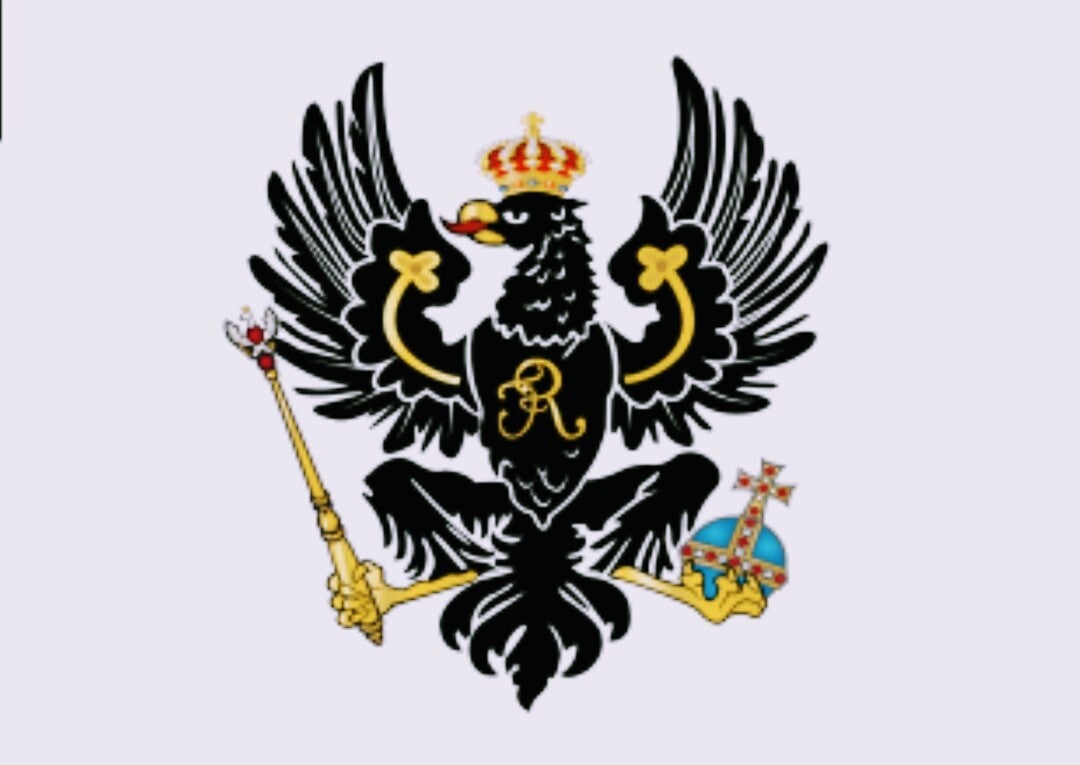
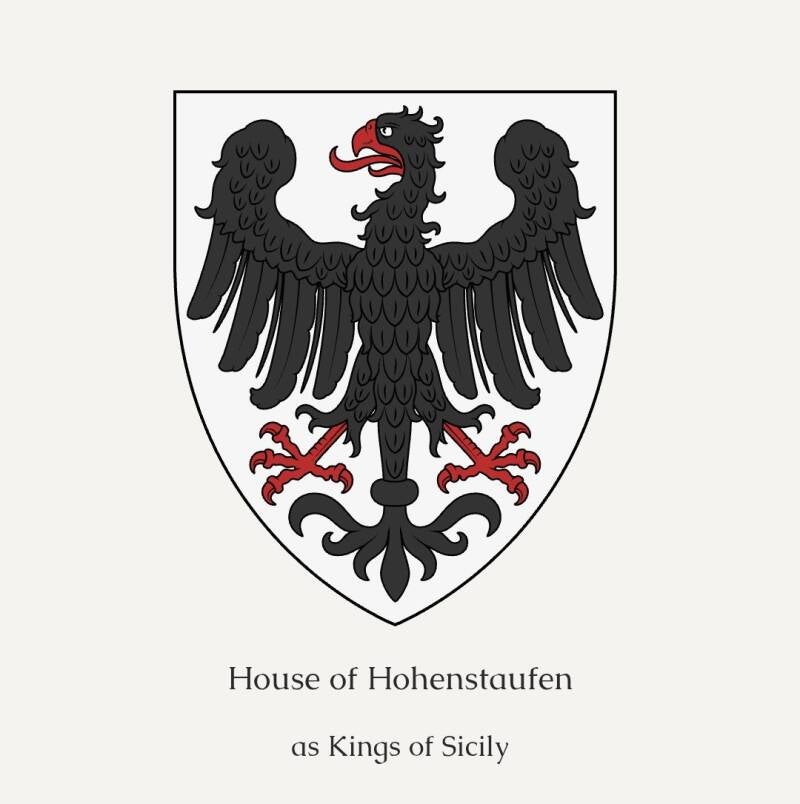
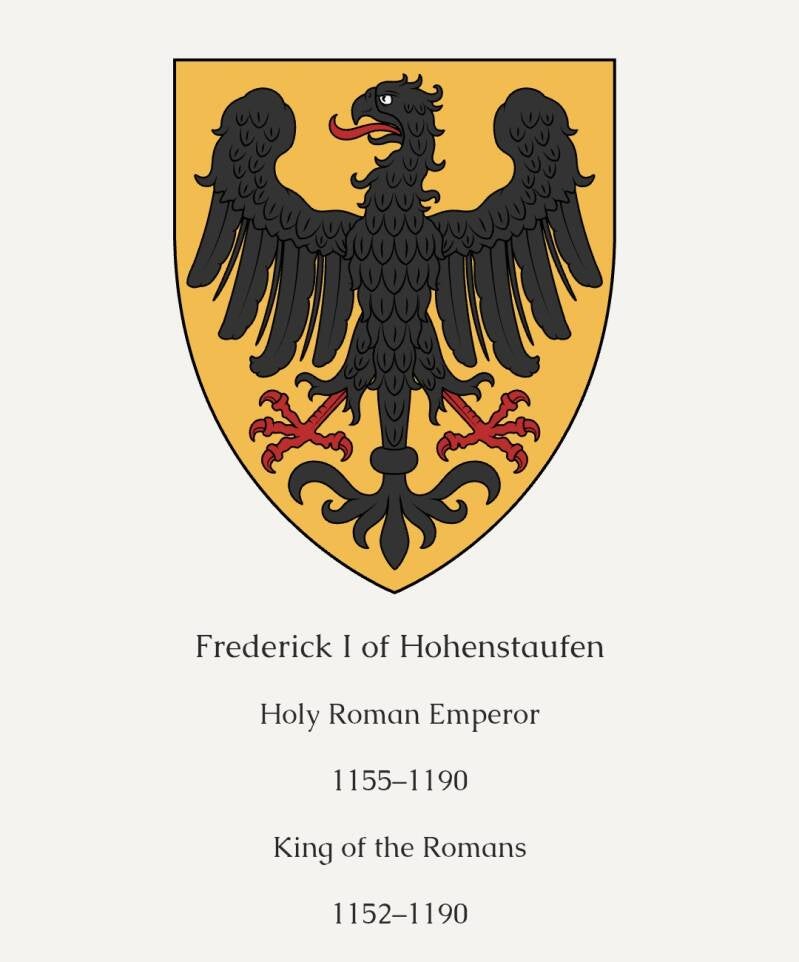
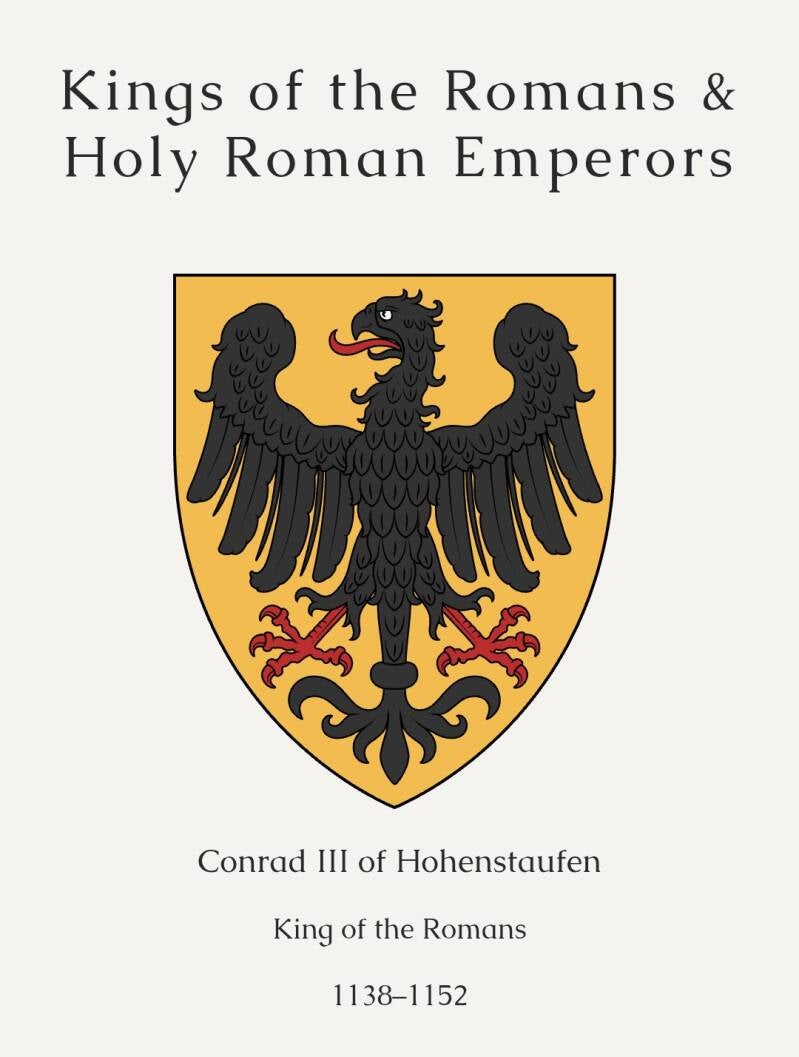
- The Holy Roman Empire: As emperors, they also used the Single-Headed Black Eagle.
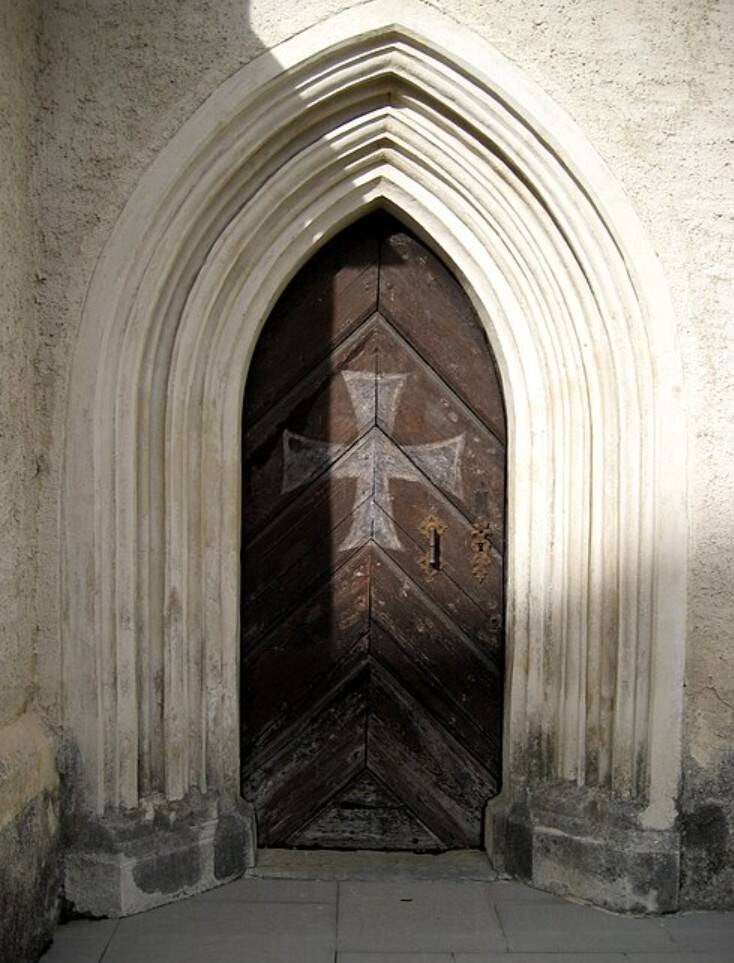
- The German Knights: The Teutonic Knights wore plain white surcoats featuring a simple, solid Black Cross (which later evolved into the Iron Cross military medal).
Royal marriage alliances with the Hohenstaufen dynasty
The most distinguished German connection for the House of Ventimiglia stems from their marriage alliances with the royal German Hohenstaufen dynasty. These strategic unions cemented powerful bonds, illustrating a direct intersection between the Ventimiglia bloodline and the illustrious lineage of German royalty. These matrimonial ties were not merely ceremonial; they played a crucial role in shaping political landscapes and strengthening dynastic influence across Europe.
The Lascaris di Ventimiglia lineage and the Holy Roman Empire
Through their formidable Hohenstaufen connections, the Ventimiglias ascended to become major players in Mediterranean geopolitics. This pivotal alliance led to the emergence of the "Lascaris di Ventimiglia" branch. This lineage fiercely defended their ancestral territories against French expansion, often strategically aligning their political interests with the broader structures of the Holy Roman (Germanic) Empire. This period highlights their significant influence and their enduring commitment to preserving their heritage within a complex European political landscape.
☝️"Did You Notice?"👆
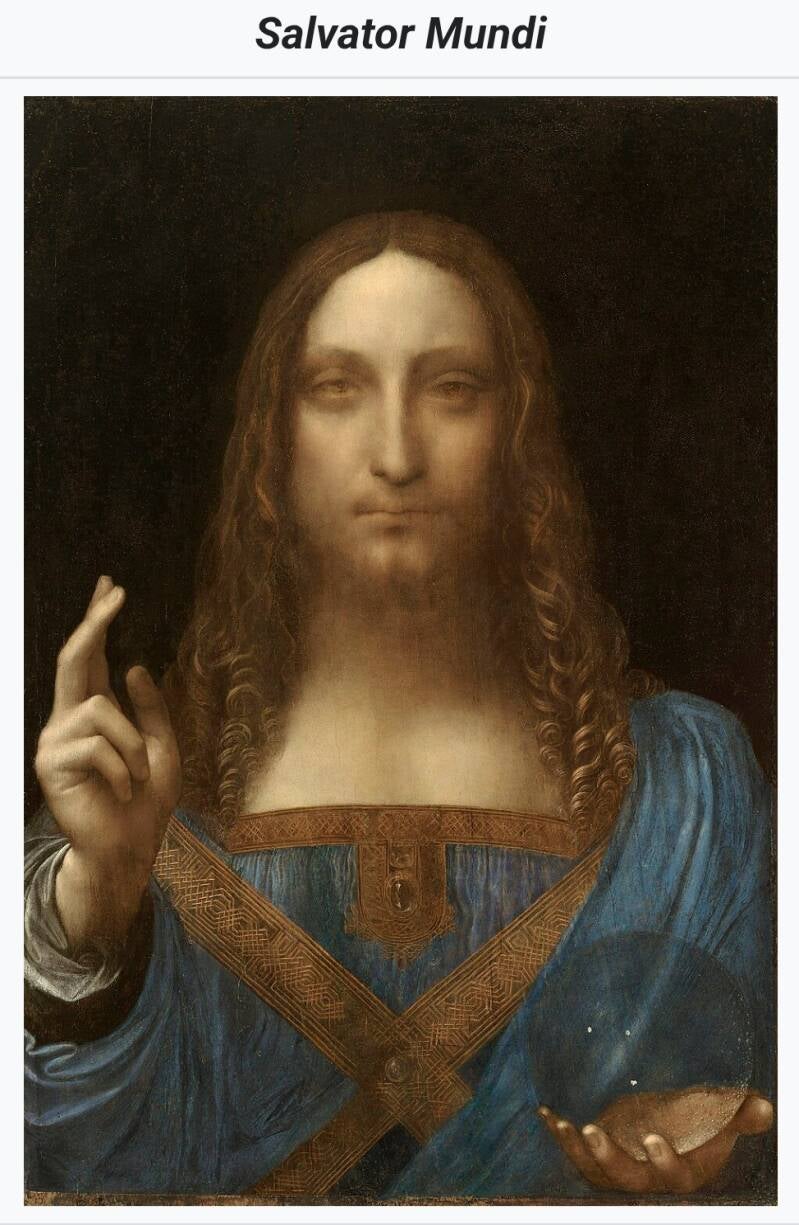
"I couldn't help but notice the Royal Black Eagle has a sphereical object clutched in his talons"
Exploring centuries of intertwined history
This page is crafted for historians, professors, educators, and students interested in the intricate tapestry of European history. We hope you gain a deeper understanding of the profound and often overlooked connections between the House of Ventimiglia and the Germanic world.