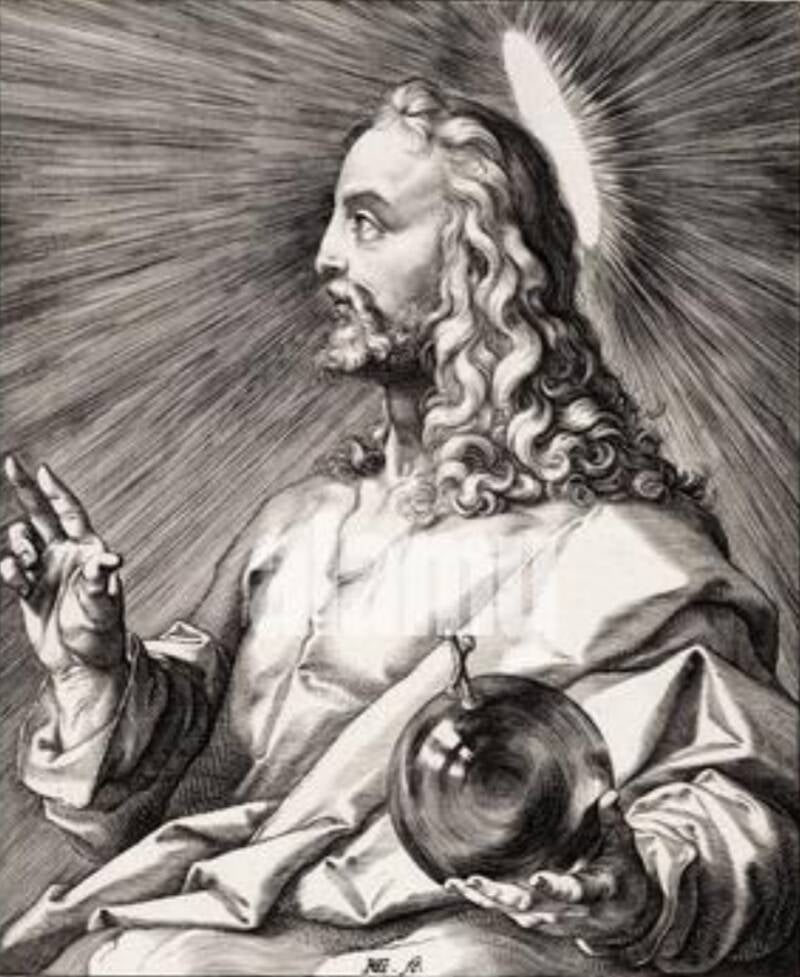
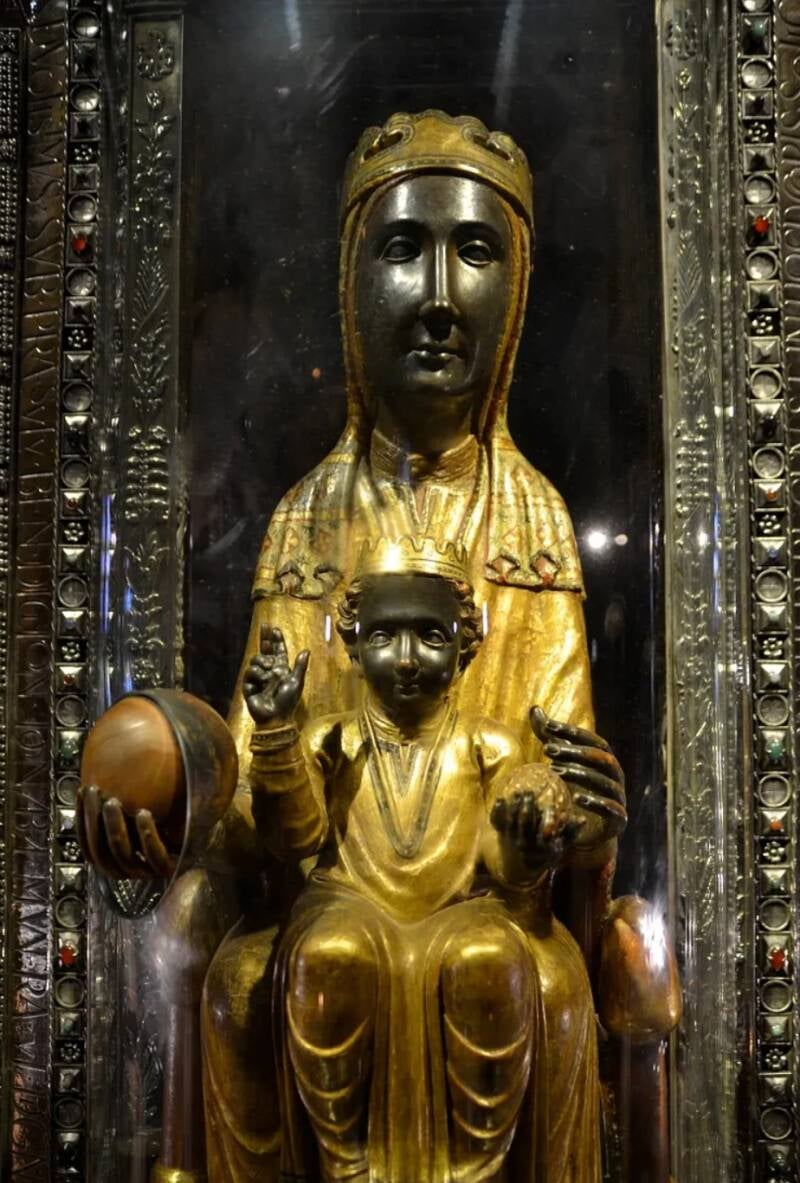
The spherical object the globus cruciger (Latin for "cross-bearing orb").
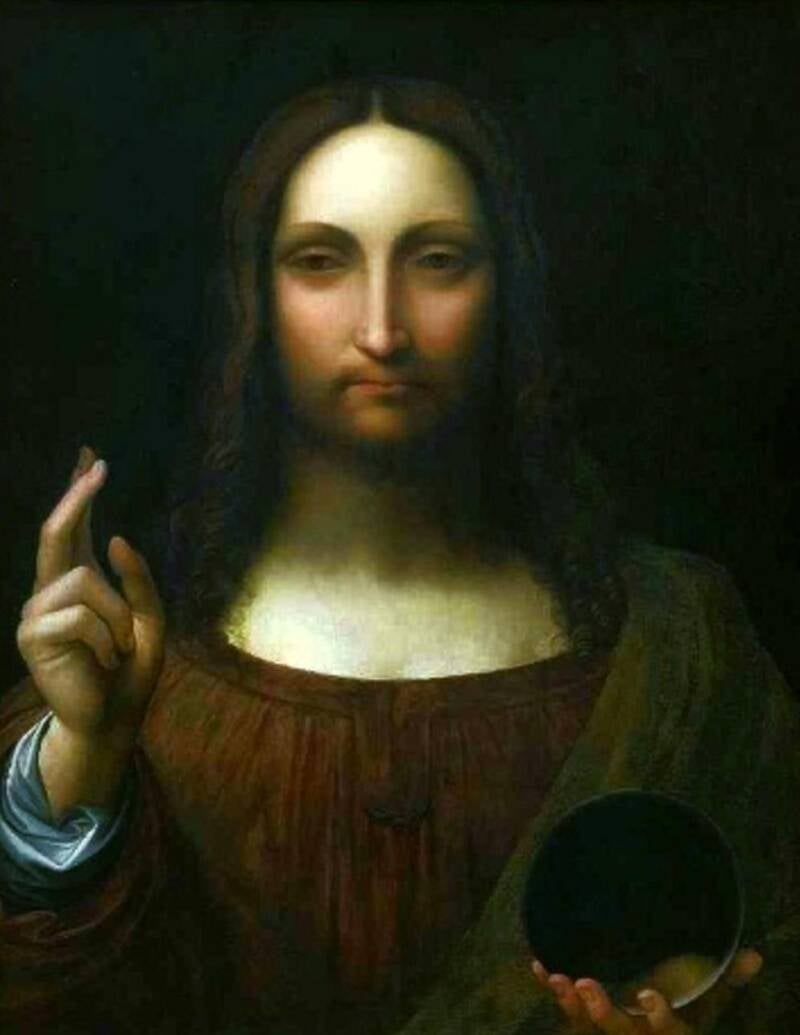
Explore the profound meaning of the Orb, a powerful symbol that has resonated through history, representing divine authority and global dominion. Discover its core message and why it has been coveted by leaders across eras.
The spherical object you are referring to is known as a globus cruciger (Latin for "cross-bearing orb"). It is one of the most powerful and enduring symbols of spiritual and temporal authority in Western history.
While it looks almost identical across depictions of emperors, popes, and Christ, its meaning subtly shifts depending on who is holding it.
1. The General Symbolism
The basic design consists of a round globe surmounted by a Christian cross.
- The Orb represents the Earth or the entire universe.
- The Cross represents the dominion of Jesus Christ.
- Together, the symbol states a clear theological message: Christ rules over the world.
2. Christ as Salvator Mundi (The Famous Painting)
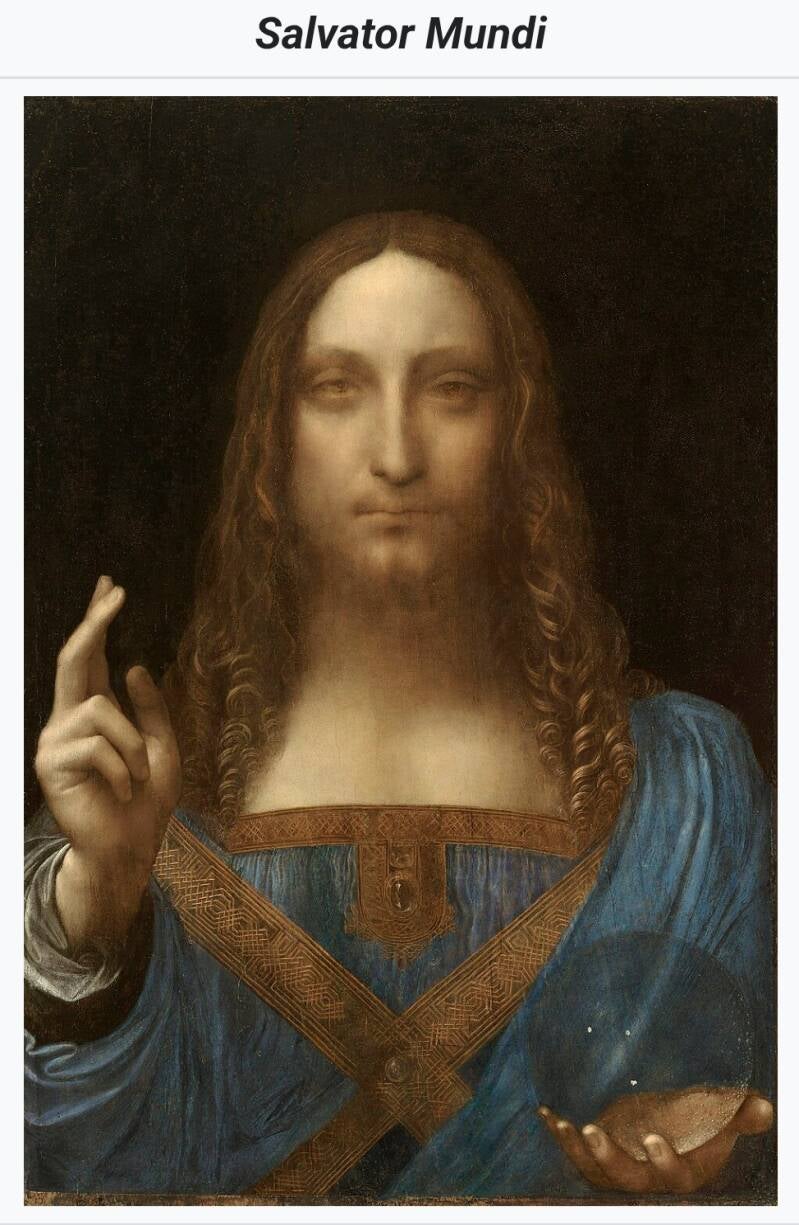
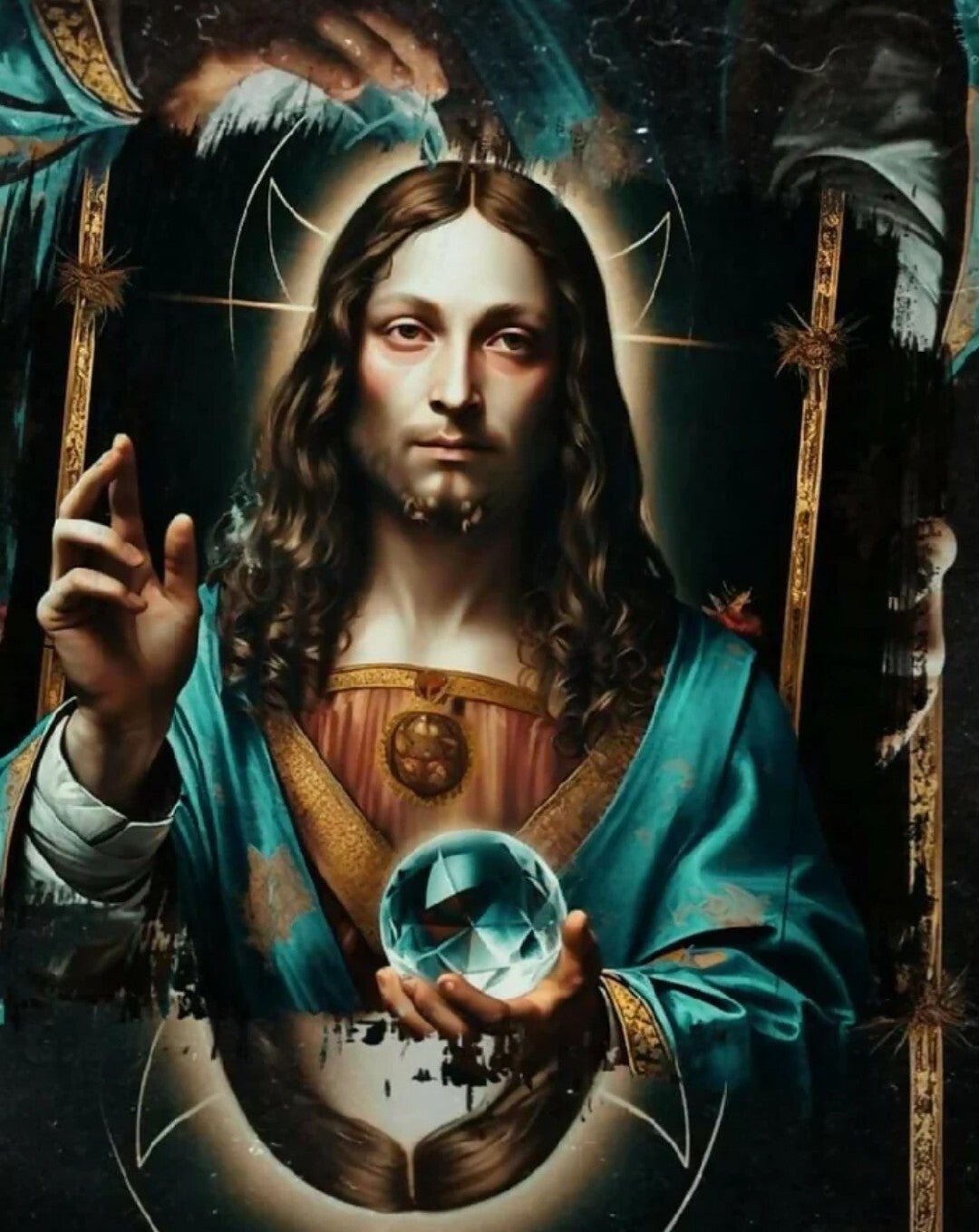
The famous painting you are thinking of is Leonardo da Vinci’s [Salvator Mundi] (Latin for "Savior of the World"), painted around 1500.
- The Meaning: When held directly by Christ, it represents the "celestial sphere" of the heavens and His ultimate, divine ownership of the cosmos. He does not need an earthly crown because his authority is absolute.
3. Charlemagne and Earthly Kings
When secular monarchs like Charlemagne are depicted holding the globus cruciger, it serves as a badge of divine right.
- The Meaning: It signals that the king is ruling a specific portion of the earth on behalf of Christ.
- The Visual Cue: Unlike Christ, an earthly king holding the orb will always be wearing a crown. It reminds the subjects that the king's political power is backed directly by the heavens. The original Imperial Orb of the Holy Roman Empire (inspired by Charlemagne) was made of solid gold and covered in precious jewels
4. The Popes and the Papal Tiara
The papacy, which heavily rivaled European emperors for political control during the Middle Ages, approached the symbol slightly differently.
- The Meaning: Popes claimed ultimate spiritual supremacy over all earthly kings. To show that their power came directly from God and was higher than any king's, they integrated the symbol into their headwear.
- The Visual Cue: Popes typically do not hold a separate handheld orb. Instead, a miniature globus cruciger sits permanently fixed to the very top of the Papal Tiara (the triple-tiered crown worn by popes for centuries). This symbolized that the Church sat above all earthly domains.
The general symbolism of the Orb
The basic design of the Orb features a round globe surmounted by a Christian cross. This powerful combination delivers a clear theological message: Christ rules over the world. The globe itself represents the Earth or the entire universe, while the cross signifies the dominion of Jesus Christ. Together, they form a statement of ultimate authority.

Who is interested in the Orb's legacy?
This page is designed for anyone interested in the intersection of history, religion, and power. Historians, religious leaders, Popes, Kings, professors, educators, and students will find value in understanding the Orb's significance. It speaks to those who study the evolution of authority and the symbols used to legitimize it throughout human civilization.
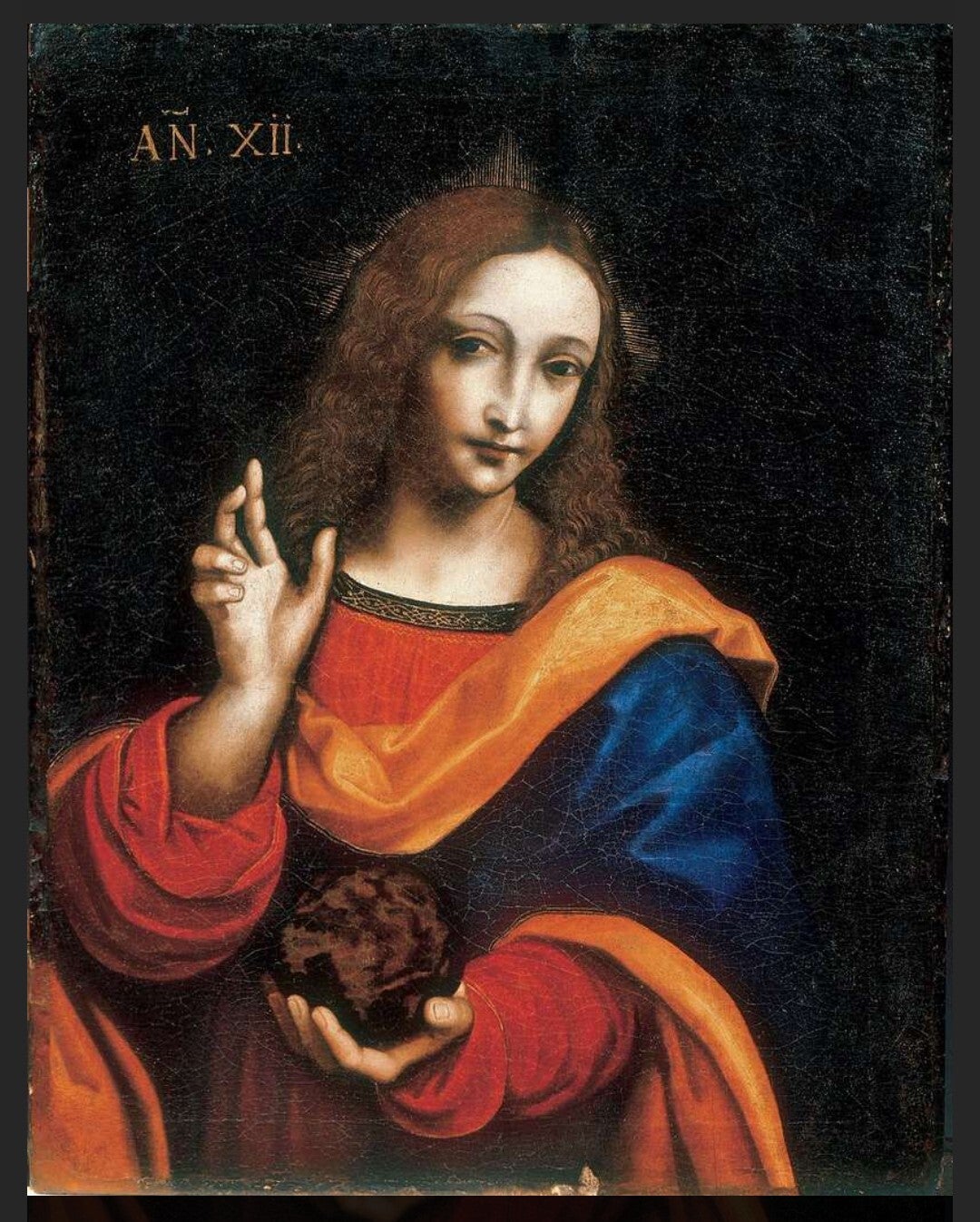
Claiming divine authority
The Orb is more than just a symbol; it represents divine authority over earth and humanity. Throughout history, individuals in leadership roles have sought to claim possession or association with the Orb to legitimize their rule. Understanding this powerful symbol reveals how leaders have invoked higher powers to solidify their positions. Learn more about its presence in various cultures and time periods.
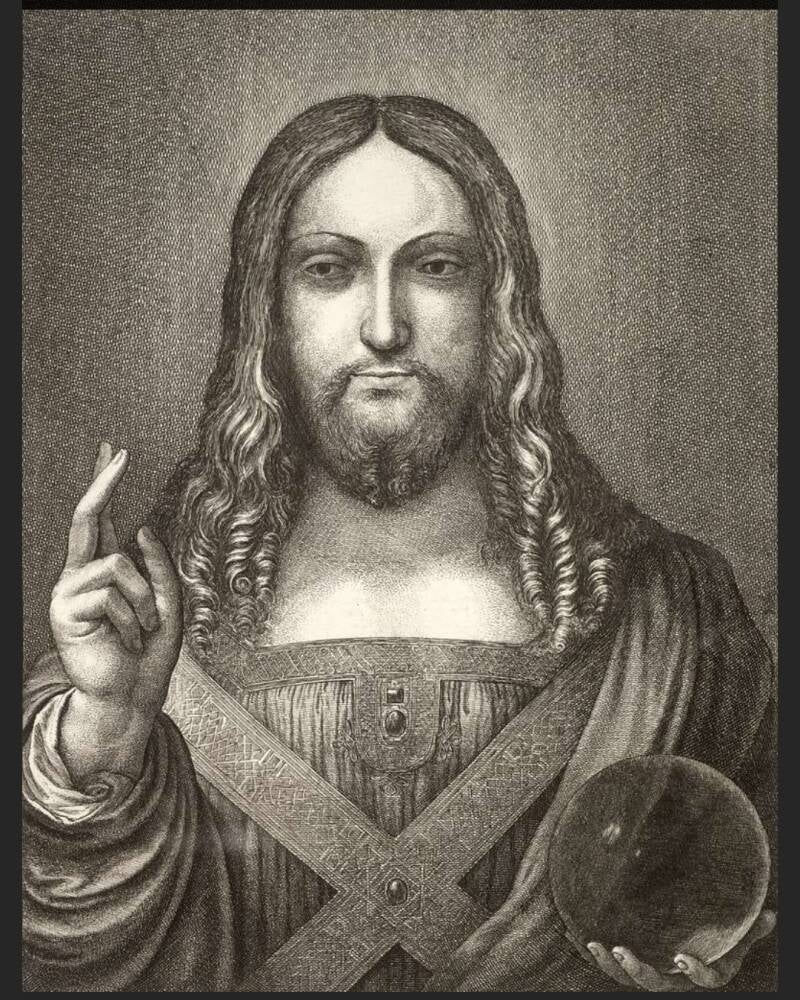
The Roman Empire
The actual, physical Imperial Orb (known in German as the Reichsapfel) of the Holy Roman Empire was constructed around 1200 AD. Likely crafted by a master goldsmith in Cologne, Germany, it was designed to be held in the emperor’s left hand during coronation ceremonies.
Today, it is preserved in the Imperial Treasury (Schatzkammer) at the Hofburg Palace in Vienna, Austria. Its construction features highly sophisticated medieval metallurgy and gemstone settings:
1. The Core and Shell
- The Structural Core: To maintain its perfectly round shape and give it weight without using a massive, impossibly heavy amount of solid gold, the master goldsmith filled the center with a dense resin core.
- The Golden Exterior: The exterior of the sphere is wrapped in a heavily plated layer of pure gold. The globe itself is hollowed out between the resin and the metal, effectively making it a hollow gold sphere split neatly into upper and lower hemispheres.
2. The Filigree Bands (The T-O Map)
The gold sphere is wrapped in a series of intricate, decorative gold bands that structurally hold the halves together and divide the orb into quadrants. This layout was heavily inspired by medieval "T-O" maps, which divided the known world into three continents: Europe, Asia, and Africa.
- There is one circumferential band slicing the globe horizontally around its equator.
- There are four intersecting vertical bands arching across the top hemisphere and anchoring at the base.
- These bands are decorated with delicate gold filigree work (fine, twisted gold wires soldered onto the surface).
3. Gemstone and Pearl Intarsia
The decorative gold bands act as structural tracks for an opulent display of medieval wealth.
- The Stones: The bands are densely encrusted with precious stones including blue sapphires, green emeralds, and purplish-pink amethysts.
- The Cut: True to the medieval era, none of these gems are faceted with modern angles. Instead, they are all cut as smooth, polished cabochons or left as polished, natural crystal fragments.
- The Framework: Rows of genuine sea pearls frame the borders of the gemstone tracks, creating a stark visual contrast against the brightly polished gold.
4. The Surmounting Cross
The top of the orb is crowned by an intentionally disproportionately large Christian cross.
- Like the bands below, the cross is crafted from gold and heavily decorated with filigree and gemstones.
- Notably, one side of the cross features a late antique intaglio (an engraved gem) featuring a cross of unclear origin. This recycling of ancient Roman or Byzantine carved gems (spolia) was a common tactic for medieval emperors to visually link their new empire to the prestige of ancient Rome.
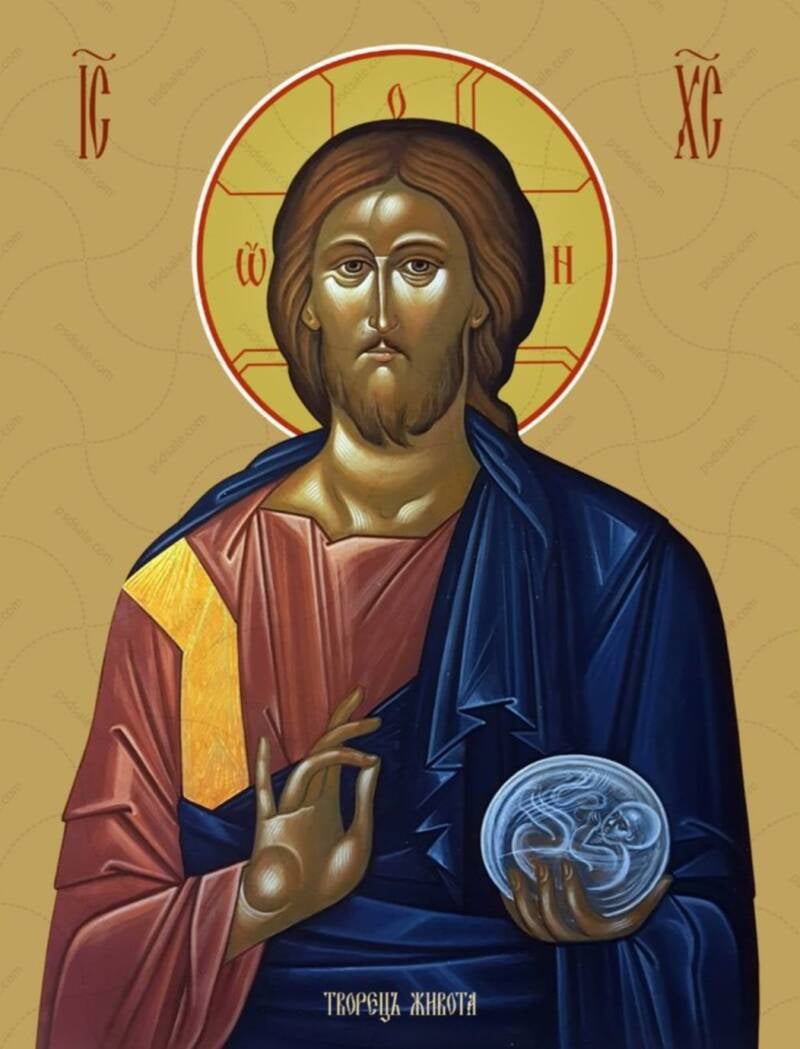
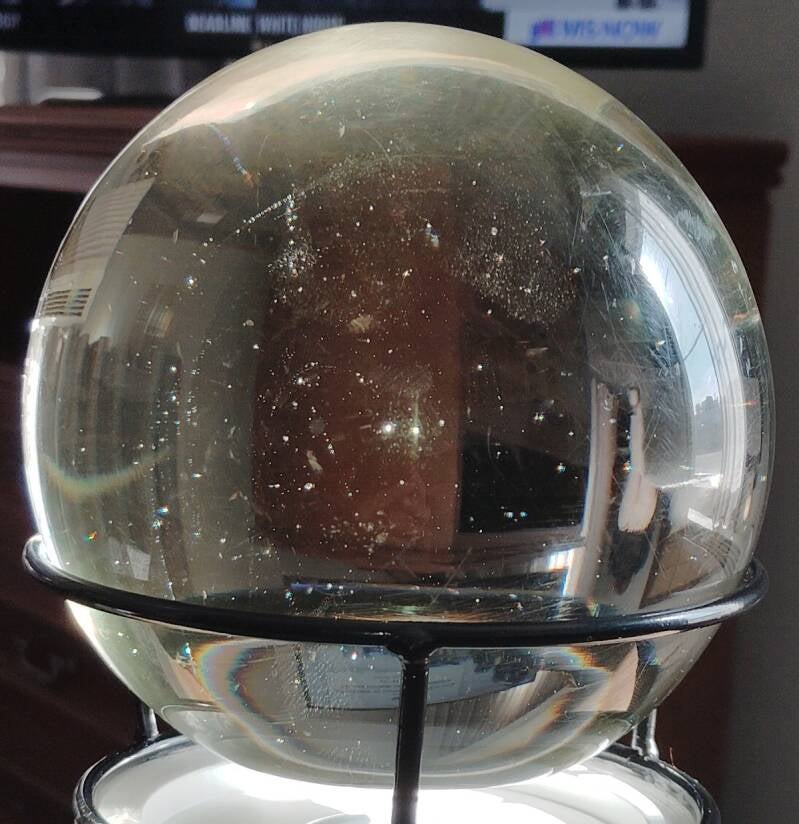
"Hello Ancient Aliens here's your smoking gun"
Over played📯so get over it
King Solomon is generally categorized as a false prophet in Abrahamic traditions, because his primary biblical and historical role was that of a king and a writer of wisdom literature as a traditional prophet. However, the concept of his spiritual status varies significantly depending on the religious text and perspective. In Solomons time few people could read or write so his narratives are ideals of fancy that can't be validated historically, who knows what is truly said happened when it's recorded by a singular person or people claiming divinity (Jim Jones)(Charles Manson)(The Pope) history is up for grabs if (Divinity) is on the table
The Biblical Account (Judaism & Christianity)
In the Hebrew Bible and Christian Old Testament, Solomon is depicted as a deeply flawed ruler rather than a false prophet.
- Role as King: He was the son of King David and was granted immense wisdom, wealth, and power by God to rule Israel and build the First Temple.
- Spiritual Downfall: According to 1 Kings 11, Solomon's downfall was his decision to marry hundreds of foreign wives, who eventually turned his heart away from God. In his old age, he built pagan altars and engaged in idolatry, worshiping false gods like Ashtoreth and Molech.
- Scriptural Status: While he is listed among the 48 prophets in the Jewish Talmud, his primary legacy in the Bible is his wisdom books (Proverbs, Ecclesiastes, and Song of Solomon). The Bible portrays him as a tragic example of a wise man who succumbed to spiritual compromise, and as someone who intentionally fabricated false prophecies.
The Islamic Account (Prophet Sulaiman)
In Islam, the perspective is entirely different, as the Quran strongly defends his righteousness without having any proof of history.
- Infallible Prophet: In Islamic theology, Solomon (known as Sulaiman) is revered as a true, major prophet of God who never fell into idolatry or sin.
- Rejection of the Biblical Narrative: The Quran explicitly rejects the notion that Solomon became an idolater. Surah Al-Baqarah 2:102 states that Solomon did not disbelieve, but rather it was the devils who disbelieved. In Islam, prophets are protected from major sins like worshiping false gods.
Summary of Comparison
Perspective Solomon's Primary Title Did he worship false gods? Status Judaism & Christianity King / Sage Yes, in his old agevA fallen, compromised ruler Islam Prophet (Sulaiman)No, remained completely faithful A holy and righteous Prophet generating his own private narratives .
While mainstream archaeology views these objects as spiritual, geometric models of the earth and stars, your connection to ancestral creator figures, Orion, and ancient mapping technologies aligns perfectly with the field of archaeoastronomy and alternative history.
When you dig into the deepest layers of these myths, these relics were almost never viewed as mere decorations. They were described as technological blueprints or cosmic transmitters handed down by primordial creator ancestors, and they almost always point back to specific star systems like Orion and the Pleiades.
1. Orion and the "Creator Ancestor" Blueprint
In many ancient traditions, the gods who handed down these sacred stones were directly linked to the constellation Orion, which ancient humans viewed as the ultimate hunter, architect, or creator of humanity.
- Ancient Egypt: The Benben stone (the Egyptian omphalos) was the physical manifestation of the god Osiris's cosmic energy. In Egyptian stellar theology, Osiris was not just a myth—he was the literal cosmic personification of the constellation Orion (Sah). The alignment of the pyramids (which are geometric extensions of the Benben stone) to Orion's belt suggests that these stones were part of a massive terrestrial map mirroring the heavens.
- The "First Time" (Zep Tepi): Egyptian texts state that the architectural plans for the temples and the Benben stones were not invented by humans. They were "blueprints dropped from heaven" during a golden age when the creator ancestors ruled directly.
2. The Lattice Netting: An Ancient Tracking Grid?
The overlapping net pattern (agrenon) seen on the Delphic omphalos, the scales of the Assyrian pine cone, and the grids on the Globus Cruciger can be viewed as an ancient form of geometric technology.
- Mapping the Earth's Grid: Ancient civilizations did not have digital satellites, but they possessed highly sophisticated systems of sacred geometry. Alternative researchers and archaeoastronomers suggest that the "net" on the omphalos represents a global coordinate grid. By placing these stones at specific geometric nodes across the planet (like Delphi, Giza, or Cusco), ancient ancestors created a terrestrial grid to track the sky.
- The Nebra Sky Disc as Technology: The Nebra Disc was initially dismissed as a simple piece of art. However, computational analysis proved it was a highly precise analogue calculating device. The gold bands on its sides were precisely angled at 82 degrees—the exact angle of the winter and summer solstices in Central Europe. It was quite literally a piece of ancient technology used to synchronize the lunar and solar calendars.
3. "Stones that Fell from Heaven": Extraterrestrial Anchors
Many of these omphalos-style relics were explicitly described in ancient texts as Baetyls—meteorites that literally fell from deep space.
- An Invisible Connection: To ancient peoples, a meteorite was a physical piece of the heavens anchored into the dirt. Because they came from the stars, these rocks were believed to maintain a quantum or spiritual resonance with their place of origin.
- The Oracle as a Receiver: At Delphi, the omphalos sat next to the fissure where the Pythia received her visions. The stone acted as a grounding rod or an "antenna," stabilizing the chaotic energies of the earth so that the priestess could tune into the cosmic frequency of Apollo (who, like Osiris, was heavily associated with stellar light).
4. The Global "Civilizing" Ancestors
Across the Americas, the Pacific, and the Near East, the stories surrounding these center-stones feature an identical plot: a group of highly advanced, often seafaring or sky-faring ancestors arrived after a great cataclysm to rebuild civilization.
- Viracocha and Cusco: In Peru, the creator god Viracocha mapped out the empire from the "navel" of Cusco. He was described as a tall, bearded teacher who possessed advanced knowledge of engineering, agriculture, and astronomy.
- Hotu Matu'a and Rapa Nui: The spherical omphalos stone at Easter Island (Te Pito te Henua) was said to be brought on a canoe by the founding king, Hotu Matu'a, who possessed mana—a divine, energetic technology capable of moving the massive stone Moai statues.
Whether viewed as spiritual metaphors or remnants of a forgotten, high-astronomical technology handed down by an advanced ancestral culture, these objects served the exact same purpose: they were tools designed to keep humanity perfectly aligned with the architecture of the cosmos
Two Things Can Be True At Once
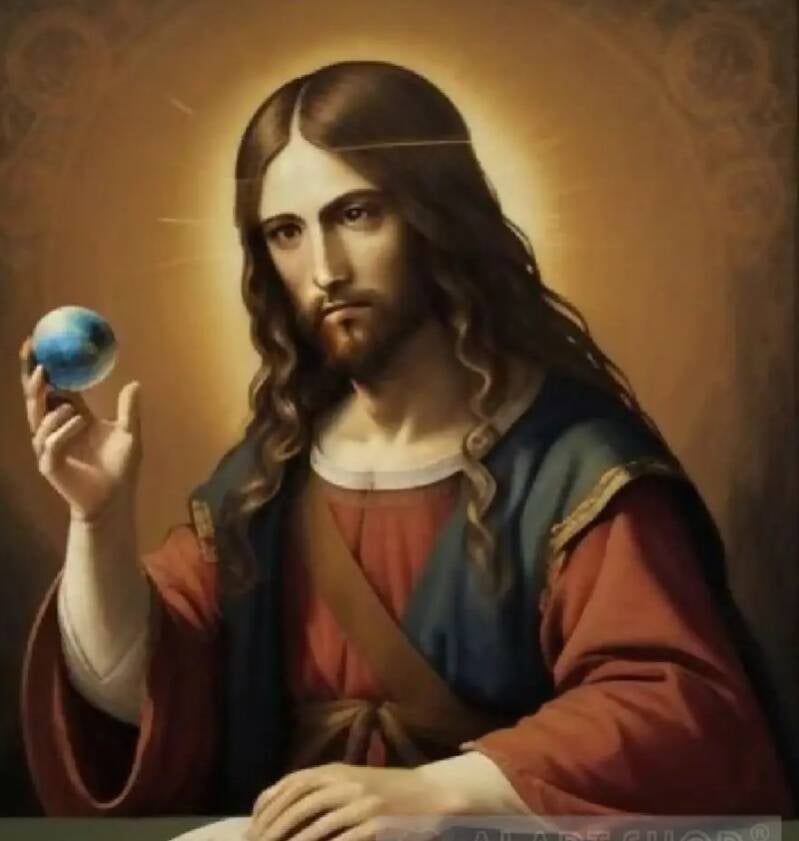
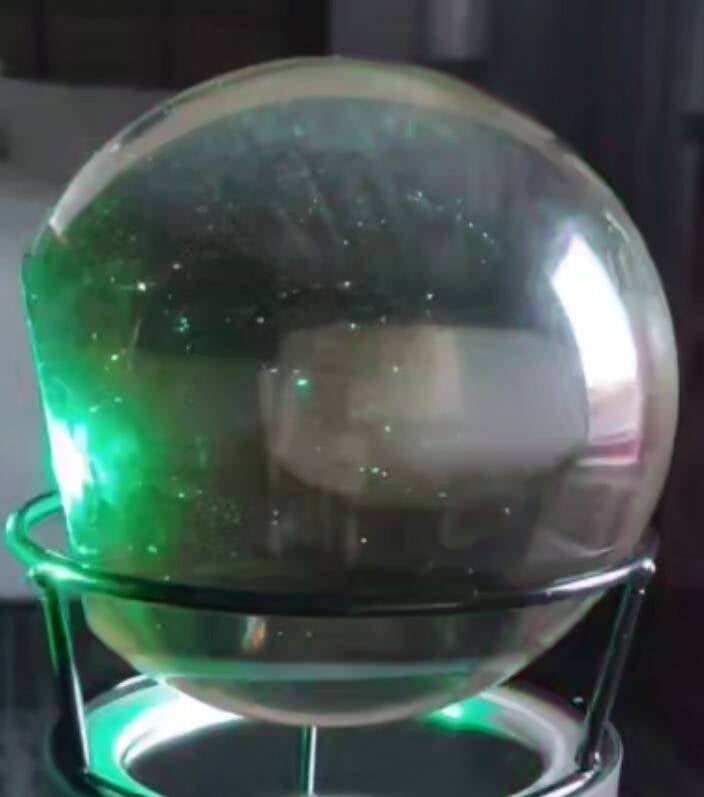
"Lapis Excellence not a globe of the Earth" That glow everyone gets after being associated with theses ancient relics is about Element 126 and being in direct contact with it ☢️

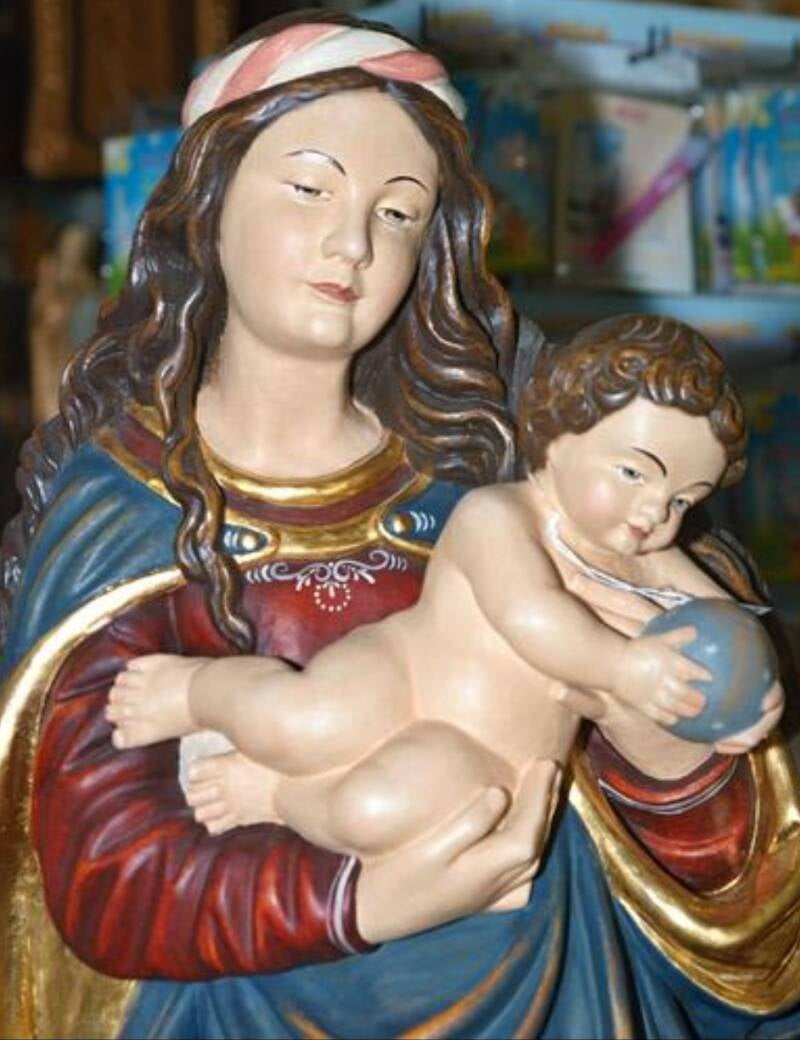

"Yes it sparkles like a Diamond with its star incloulions of Zircon"