The Figueroa Alliance: a historical bond
Discover the powerful historical alliance that united prominent families, shaping legacies and connecting empires. This page explores the significant marriage between the Ventimiglia and Figueroa lines, a testament to strategic unions in the late 17th century.
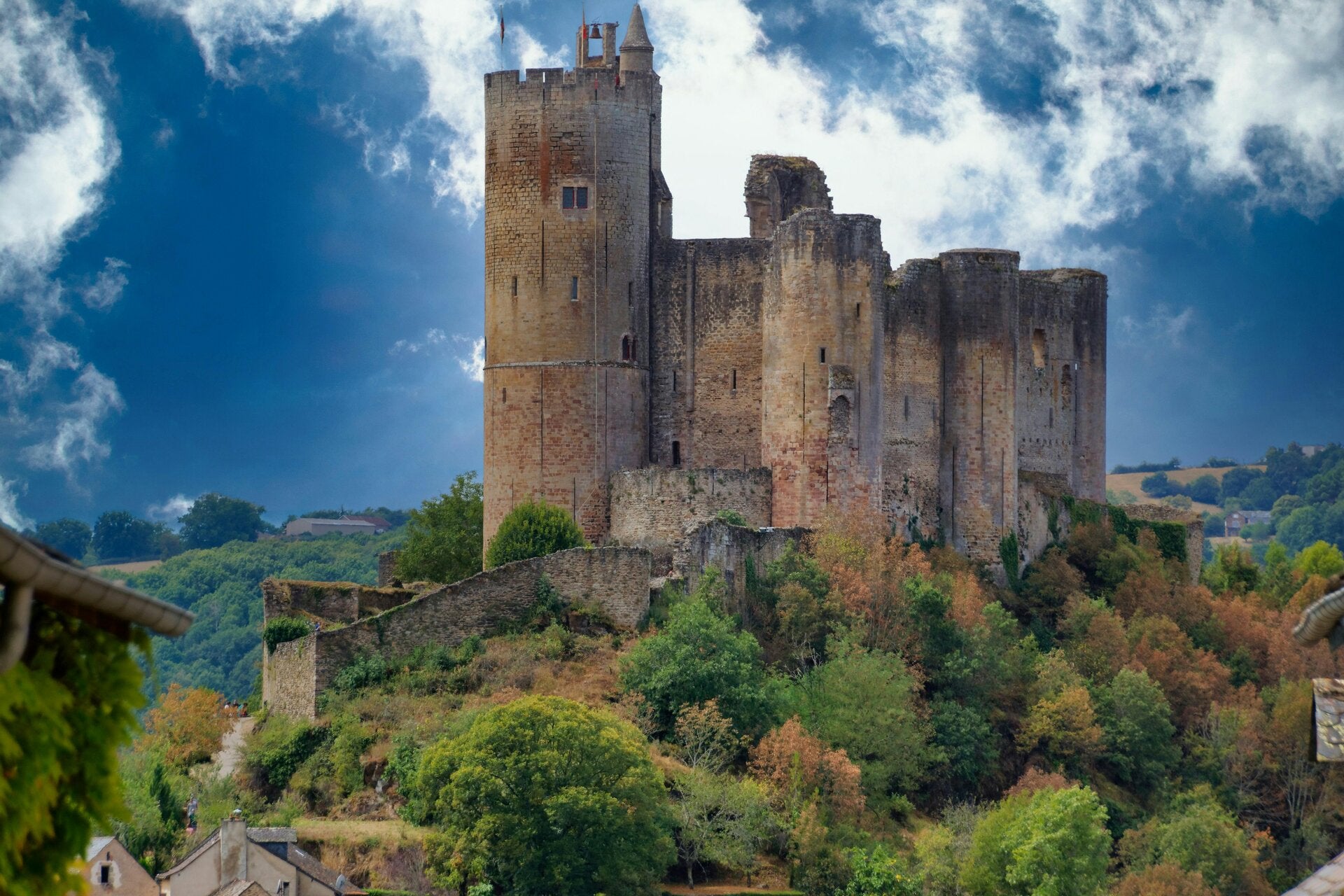
A documented marriage alliance
The suspected marriage alliance is an actual, historically documented union. The families officially united in the late 17th century through the marriage of Juana Eusebia Fernández de Córdoba Lasso de la Vega y Ventimiglia to Alonso Sánchez de Figueroa y Silva, the 1st Marquess of Valdesevilla.
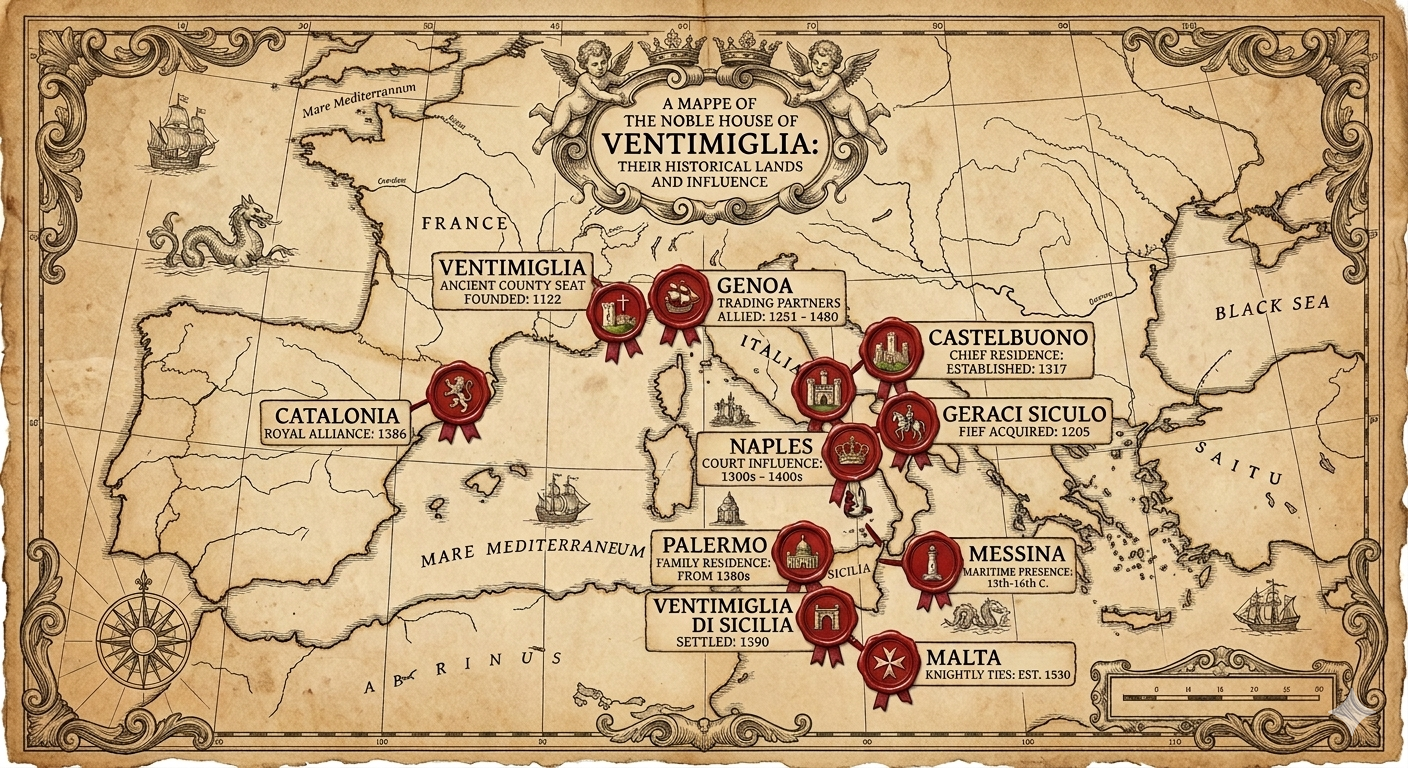
The context of the marriage
The bride, Juana Eusebia, carried the lineage of the powerful Ventimiglia family, fused with the House of Córdoba Lasso de la Vega, an elite Andalusian and Sicilian-Spanish noble branch. The groom, Alonso Sánchez de Figueroa, was a prominent Spanish lord, serving as the Lord of La Pizarra and Torre del Águila, and was elevated to the 1st Marquess of Valdesevilla. The marriage occurred in the latter half of the 1600s, with Juana Eusebia living from roughly 1665 to 1712.
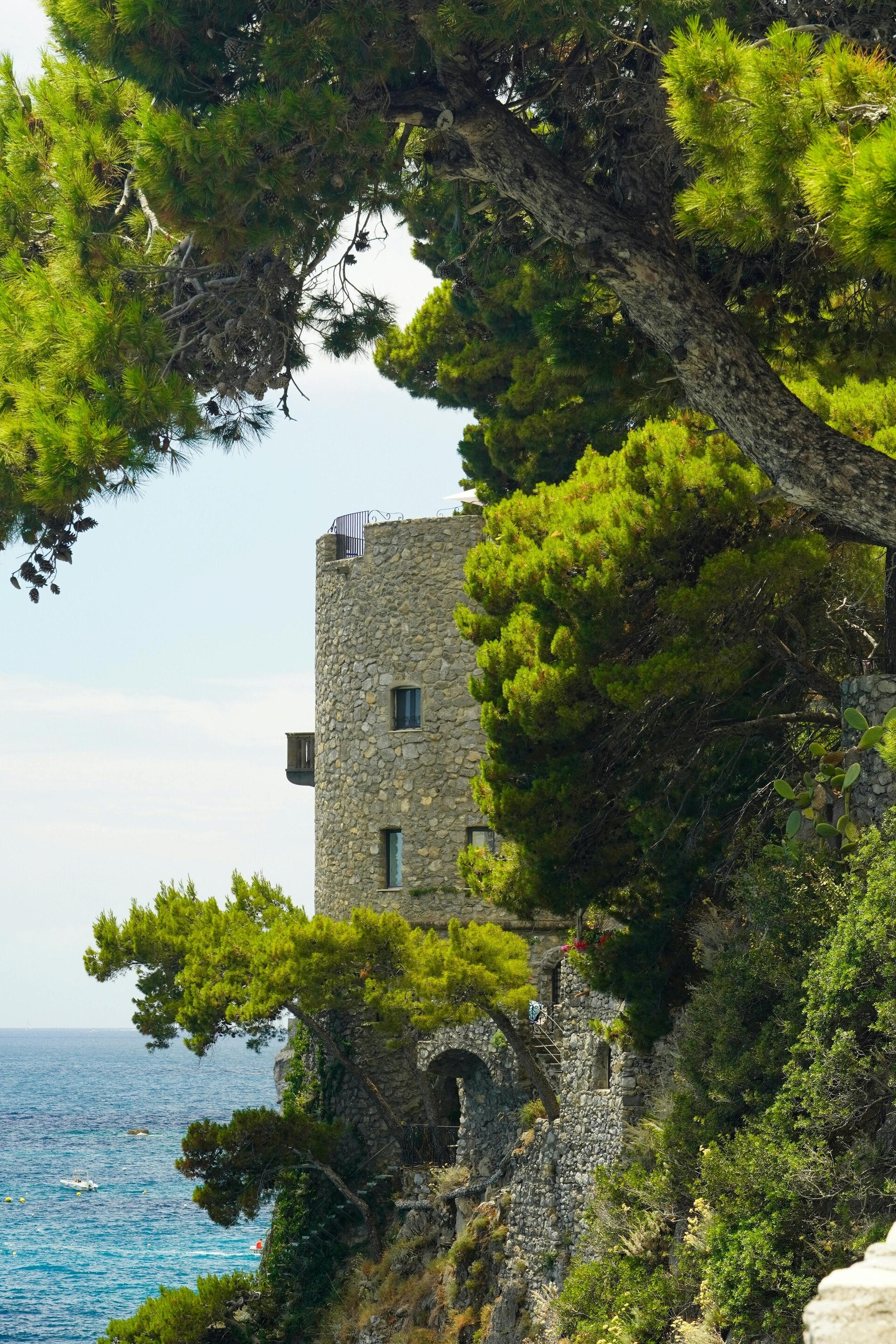
A significant historical connection exists between the Ventimiglia and Figueroa families through the geopolitical and noble networks of the Spanish Empire during the 16th and 17th centuries, specifically centered on the governance of Sicily and Milan.
The Royal Succession of Power in Sicily
The most direct historical overlap occurred in the administration of the Viceroyalty of Sicily. During the era of Spanish rule over southern Italy, both families held the highest office representing the Spanish Crown:
- Lorenzo Suárez de Figueroa, the 2nd Duke of Feria, served as the Spanish Viceroy of Sicily from 1602 to 1606.
- Upon his departure from office in 1606, he was directly succeeded by Giovanni III Ventimiglia (Giannettino Ventimiglia), the 8th Prince of Castelbuono and a premier Sicilian-Italian nobleman.
The Geopolitical Axis of Milan and the Spanish Road
Both families were heavily integrated into the military and political administration of the Duchy of Milan, a vital hub for Spain during the Thirty Years' War:
- The Figueroa Influence: Multiple generations of the Figueroa family, including Gómez Suárez de Figueroa, 1st Duke of Feria, and his grandson, the 3rd Duke of Feria, served as Governors of Milan.
- The Ventimiglia Influence: The Ventimiglia family had its deep roots in Liguria (near the French-Italian border) and held extensive territory that intersected with the "Spanish Road"—the crucial military land route used by Spanish forces (frequently commanded by the Dukes of Feria) to move troops from Italy to the Netherlands.
Summary of Noble Eras
While they originated from different regions—the Figueroa family being an ancient Galician lineage from Spain and the Ventimiglia family being a powerful Ligurian-Sicilian dynasty—their paths crossed at the highest echelons of the Spanish imperial court. They functioned as peer aristocrats, military commanders, and successive rulers over the same Mediterranean territories.
"It's good to be the king"
Yes, the suspected marriage alliance is an actual, historically documented union.
The families officially united in the late 17th century through the marriage of Juana Eusebia Fernández de Córdoba Lasso de la Vega y Ventimiglia to Alonso Sánchez de Figueroa y Silva, the 1st Marquess of Valdesevilla.
The Marriage Context
- The Bride: Juana Eusebia carried the lineage of the powerful Ventimiglia family (fused with the House of Córdoba Lasso de la Vega, an elite Andalusian and Sicilian-Spanish noble branch).
- The Groom: Alonso Sánchez de Figueroa was a prominent Spanish lord, serving as the Lord of La Pizarra and Torre del Águila, and was elevated to the 1st Marquess of Valdesevilla.
- The Date: The marriage occurred in the latter half of the 1600s (Juana Eusebia lived from roughly 1665 to 1712).
Political Impact of the Alliance
This marriage was a classic strategic alignment designed to consolidate real estate and political power across the Spanish Empire.
- Connecting Italy and Spain: It bridged the Italian-based prestige of the Ventimiglia family with the Iberian core of the Figueroa network.
- Lineage Mergers: Their descendants went on to marry into some of the highest-ranking titles in Spain, eventually anchoring family lines like the Counts of Vía Manuel, the Marquesses of Rafal, and the Marquesses of Villa Alegre de Castilla.
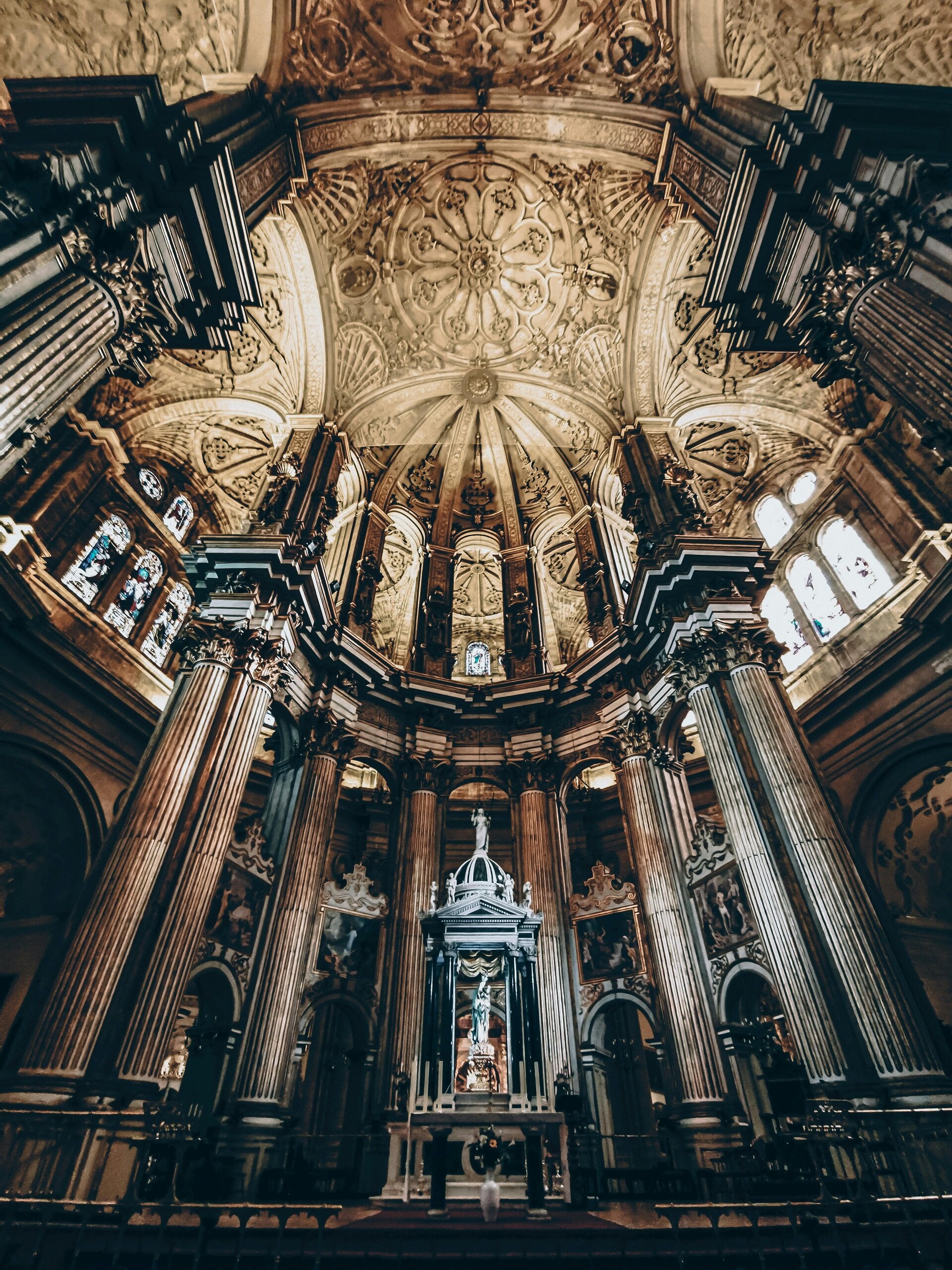
Lasting through time⏳
I personally had the pleasure of knowing a Mr Richard Figueroa of San Jose California of Spanish descent he was the grandfather of my two daughters Melissa Joy Bailey Ventimiglia and Jessica Jane Ventimiglia although their mother was adopted into the family he was a Figueroa We didn't always see eye to eye but I'm obligated to say he always took care of my daughters with blood and Treasure nothing was to much . History shall record him as truly a (Good Man ) 🙏
Strong as a Bull 🐂
Spanish bullfighting, or corrida de toros, evolved from ancient Roman gladiator games and medieval aristocratic hunts into a highly structured public ritual in the 18th century. The tradition transitioned from an elite sport performed on horseback into a theatrical display of skill on foot, deeply embedding itself into the cultural fabric of Spain. Today, it remains one of Spain's most iconic yet highly controversial traditions, viewed by some as a profound art form and by others as an unnecessary blood sport.
Ancient Roots and Medieval Beginnings
- Roman Influence: Early origins trace back to Roman gladiator spectacles where humans fought wild beasts. The circular arena design used in modern bullrings directly stems from Roman amphitheaters.
- Moorish Developments: Following the 711 AD conquest of the Iberian Peninsula, Moorish chieftains and Christian knights engaged in bull-lancing tournaments. These events were organized to celebrate weddings, coronations, and feast days.
- Aristocratic Sport: Throughout the Middle Ages, bullfighting was strictly reserved for the Spanish nobility. It was conducted entirely on horseback to showcase equestrian mastery and military valor.
The 18th-Century Transition to Foot
- The Royal Ban: In the early 1700s, King Philip V banned the aristocracy from participating in bullfights, believing it set a poor example for the public.
- Rise of the Commoners: Deprived of horses, lower-class citizens took over the practice and began fighting the bulls entirely on foot.
- Francisco Romero's Reforms: In the late 18th century, Francisco Romero of Ronda revolutionized the sport. He introduced the muleta (the small red cape) and established the standard rules of engagement.
- The Suit of Lights: Matador Joaquín Rodríguez Costillares formalized the structure further by inventing the traje de luces (the traditional embroidered "suit of lights") and establishing professional teams called cuadrillas.
Structuring the Modern Corrida
By the 19th century, standard regulations were published to codify the event into three distinct acts, known as tercios:
- Tercio de Varas (Lances): The matador observes the bull's behavior while mounted picadors use lances to test the animal's strength.
- Tercio de Banderillas: Assistants called banderilleros place colorful, barbed sticks into the bull's shoulders to stimulate its charge.
- Tercio de Muerte (Death): The matador enters alone with a red cape and a sword, performing a choreographed series of passes before executing a precise, fatal strike.
Modern Standing and Controversy
- Cultural Status: Historically defended as a pillars of Spanish identity (la fiesta nacional), it is legally classified as cultural heritage in many parts of Spain. Legendary matadors like Manolete became international cultural icons.
- Regional Bans: The practice faces steep decline and political opposition due to animal welfare concerns. It was banned in the Canary Islands in 1991. Catalonia passed a ban in 2010, though it was later overturned by Spain's Constitutional Court in 2016 on cultural heritage grounds.
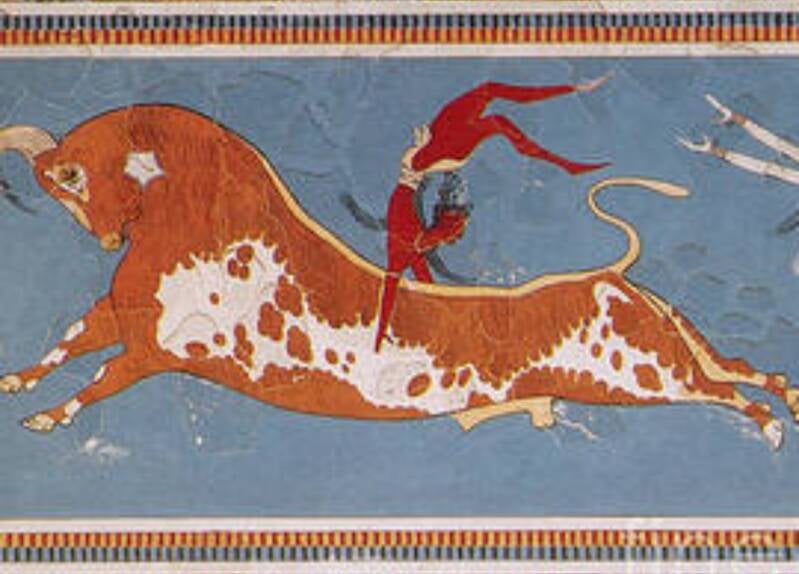
The Minoan civilization provides the earliest known historical connection to ritualistic bull sports, laying the ancient mythological and symbolic foundations that eventually influenced Mediterranean bull culture. While modern Spanish bullfighting is not a direct linear descendant of Minoan practices, both traditions share a core theme: the ritualized confrontation between human agility and the raw power of a bull.
The Sacred Bull of Minoan Crete
- The Minoan Bull-Leaping (Taurokathapsia): Around 2000–1400 BCE on the island of Crete, the Minoans practiced a ritual sport where young athletes literally leaped over charging bulls. Unlike the Spanish corrida, the goal was acrobatics and acrobat agility, not killing the animal.
- The Famous Fresco: The Bull-Leaping Fresco excavated at the Palace of Knossos captures this exact sequence: an athlete grabbing the bull's horns, flipping over its back, and landing safely behind it.
- Symbol of Power: In Minoan religion, the bull represented fertility, seismic energy (earthquakes), and cosmic power.
Mythological Links to Spain
- The Minotaur: Minoan bull worship birthed the famous Greek myth of King Minos, the Labyrinth, and the Minotaur—a half-man, half-bull beast that demanded human sacrifices.
- The Labrys: The double-headed axe, or labrys, was a major Minoan religious symbol used in bull sacrifices.
- The Connection to Iberia: As Mediterranean trade routes expanded, Phoenician and Greek sailors spread these bull myths and cults westward to the Iberian Peninsula (modern-day Spain and Portugal), where local tribes already revered native wild bulls (aurochs).
How it Connects to Modern Bullfighting
- The Concept of the Arena: The central courtyards of Minoan palaces like Knossos may have served as the earliest structured "arenas" designed specifically for human-and-bull spectacles.
- Acrobatic Survival: The Minoan emphasis on dodging and vaulting survives today in a specific, non-lethal style of Spanish bullfighting called recortes. In a concurso de recortadores, performers use pure athleticism to leap, flip, and dodge directly over a charging bull without any capes or weapons.
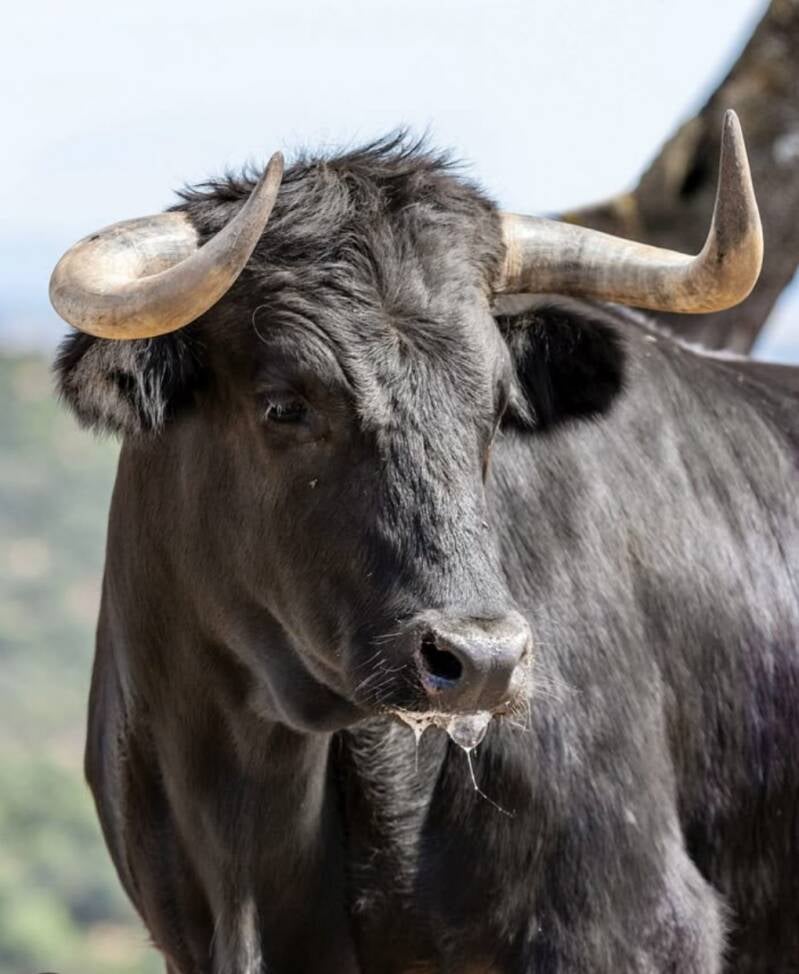
In the original story of Atlantis, the bull was not explicitly worshiped as a god, but it was revered as the ultimate sacred sacrificial animal dedicated to Poseidon. This specific ritual is detailed by the Greek philosopher Plato in his 4th-century BCE dialogue, Critias.
The details of Plato's text reveal the exact nature of this ritual, its symbolic meaning, and its uncanny connections to real-world history.
The Sacred Ritual in Plato's Critias
According to Plato, bulls roamed freely inside the great Temple of Poseidon on the island of Atlantis. Every five or six years, the ten kings of Atlantis gathered alone at the temple to swear oaths, judge legal disputes, and perform a highly specific ritual:
- The Weaponless Hunt: The ten kings hunted the sacred bulls without any weapons of iron or metal, relying entirely on staves, wooden clubs, and rope nooses.
- The Pillar Sacrifice: Once a bull was captured, it was led up to a central bronze pillar where the sacred laws of Atlantis were inscribed. The kings cut the bull’s throat directly over the top of the pillar so its blood rained down over the sacred laws.
- Drinking the Blood: After burning the animal's limbs as an offering, the kings mixed a clot of the bull's blood into a large bowl of wine. Each king drank from a golden cup to seal their loyalty to the laws of Poseidon, swearing terrible curses upon themselves if they ever disobeyed.
Connection to Minoan Crete
The striking similarity between the Atlantean bull ritual and real-world archaeology is the main reason why many modern historians link the myth of Atlantis to the ancient Minoan Civilization on the island of Crete.
- The Bull Cult: The Minoans (2000–1450 BCE) possessed a pervasive bull cult. Bull horns were used as prominent architectural decorations, and the beast symbolized cosmic power and fertility.
- Bull-Leaping: Minoan frescoes, such as the famous Bull-Leaping Fresco at Knossos, show young athletes somersaulting over charging bulls.
- The Weaponless Catch: Plato's emphasis on capturing the bull without violence or weapons mirrors Minoan art. Ancient Minoan seals and artifacts depict hunters using ropes and nets, rather than spears, to capture live bulls in the wild.
- The Minotaur Myth: The Minoan obsession with bulls gave birth to the later Greek legend of the Minotaur—the half-man, half-bull monster trapped in the labyrinth of King Minos.
Global Mythological Parallels
Bull imagery and sacrifice were central themes across many ancient cultures, leading early alternative historians like Ignatius L. Donnelly to argue that Atlantis was the shared "source" of these global traditions:
- Ancient Egypt: The Egyptians fiercely worshiped the Apis Bull, viewing the animal as a living manifestation of the gods Ptah and Osiris.
- Roman Mithraism: Centuries after Plato, the mystery religion of Mithraism centered entirely around the tauroctony—the ritualistic slaying of a cosmic bull to bring life to the universe.
- Modern Tauromachy: Some researchers argue that the traditional bullfighting and bull-running festivals still practiced today in Spain are direct descendants of ancient Atlantean or Minoan rituals.