Taurus: an ancient legacy, a modern destiny
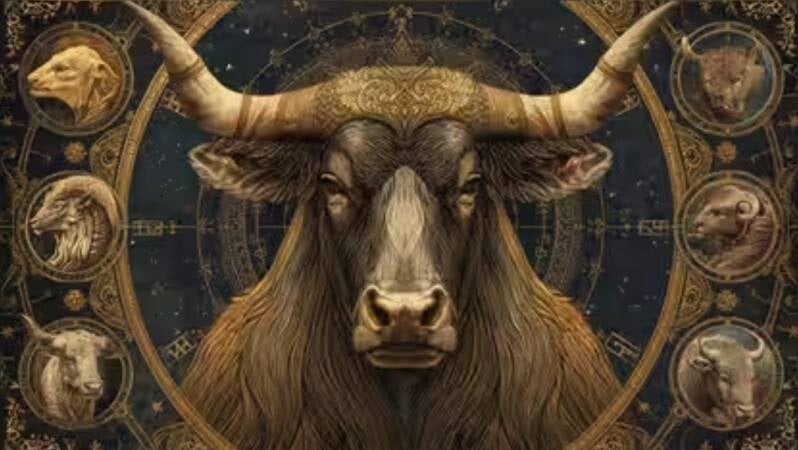
Explore the enduring symbol of the bull, revered across civilizations and time, and discover its profound connection to history and the stars, aligning with the journey of Paul Anthony Ventimiglia.
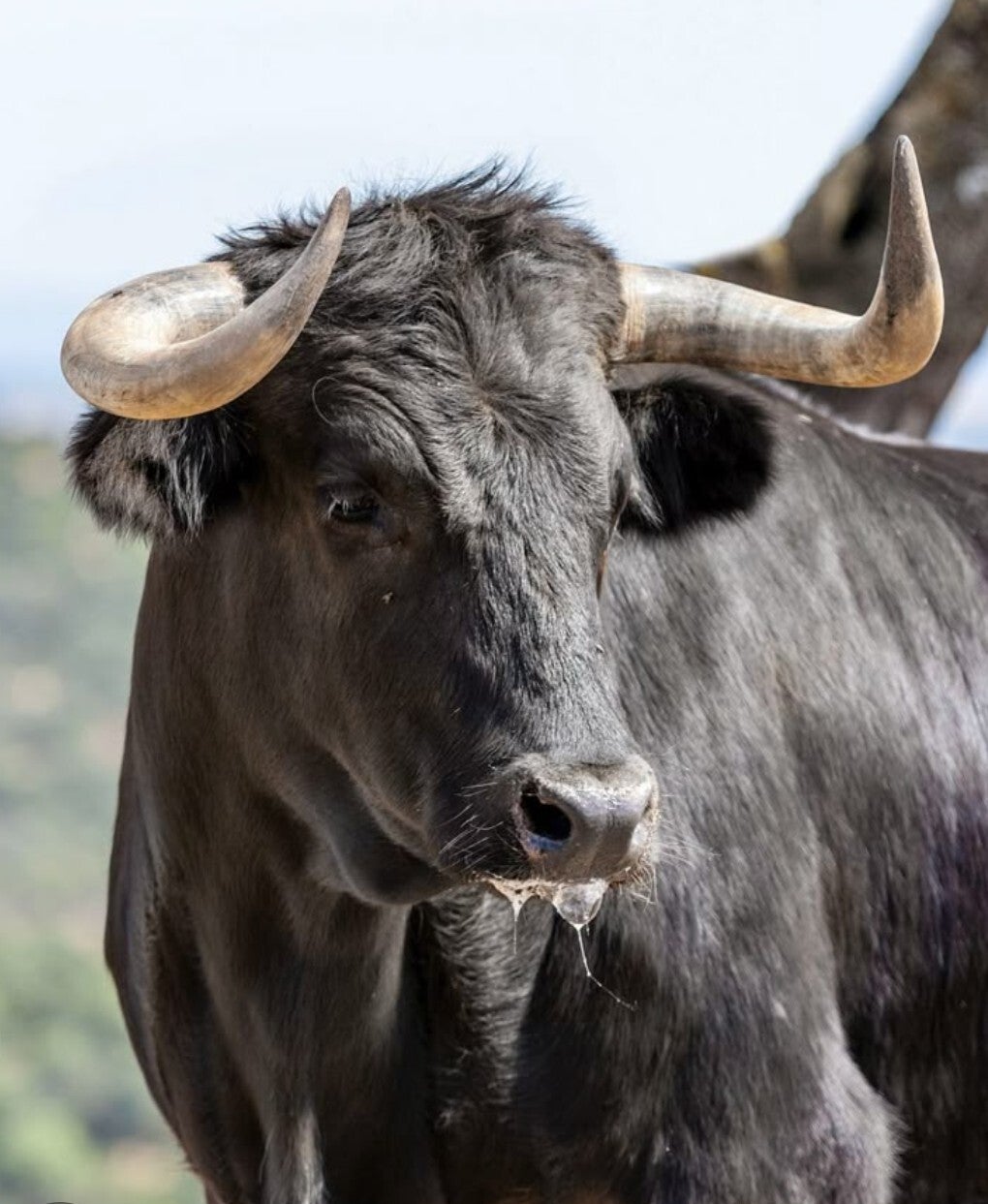
Egyptian pharaohs actually wore a real ceremonial bull's tail attached to the back of their kilts.
Far from a myth or "tall tale," this practice dates back to the very dawn of Egyptian civilization.
Why Pharaohs Wore a Bull's Tail
- The "Strong Bull" Metaphor: In ancient Egyptian culture, the wild bull was the ultimate symbol of raw power, virility, and fertility. Pharaohs frequently took on royal titles like "Strong Bull" or "Mighty Bull" to emphasize their fierce ability to protect their people and smash the forces of chaos.
- Regalia and Ritual: The tail was a standard part of royal regalia. It was suspended from the back of the pharaoh's loincloth during major state ceremonies, military campaigns, and religious festivals to visually "imbue" the king with the animal's natural dominance.
- Historical Evidence: This costume piece is depicted on some of Egypt's oldest surviving artifacts, including the Narmer Palette and the Scorpion Macehead, which celebrate the unification of Egypt. Archaeologists even discovered a physical, inlaid ceremonial tail tucked into the burial wrappings of Tutankhamun to ensure he kept his bull-like power in the afterlife.
The Broader Egyptian Bull Cults
The pharaoh's outfit was just one small part of Egypt's deep reverence for the animal. Priests across the country worshiped living, breathing bulls as earthly vessels for major gods.
- The Apis Bull: Worshipped in Memphis, a single black calf with precise, divine markings (like a white triangle on its forehead) was selected by priests to live like royalty. The Apis Bull was given its own harem of cows, and when it died of old age, it was mummified and buried with grand, pharaoh-level funerary rites in the massive underground stone tombs of the Serapeum of Saqqara.
- The Buchis and Mnevis Bulls: Other regions worshipped different sacred bulls—such as the Buchis bull in Armant (associated with the war god Montu) and the Mnevis bull in Heliopolis (linked to the sun god Ra).
The Serapeum of Saqqara is the monumental underground necropolis where the sacred Apis bulls were buried. Located near the Step Pyramid of Djoser in Lower Egypt, it remains one of the most enigmatic engineering feats of the ancient world.
The Scale of the Enigma
The site consists of a sprawling network of subterranean galleries and vaulted chambers carved directly into the limestone bedrock.
- The Sarcophagi: Tucked into recessed chambers along the 350-meter-long main tunnels are 24 colossal stone boxes.
- The Weight: Cut from solid, ultra-hard stones like black granite, diorite, and basalt, these sarcophagi weigh up to 70 to 80 tons each, with lids alone weighing over 20 tons.
- The Precision: The stone surfaces are polished to a mirror-like finish and cut with precise, right-angle geometry, which continues to puzzle modern engineers regarding how they were transported into the narrow, dark tunnels and lowered into their sub-floor vaults.
Operational History
The complex was used for roughly 1,400 years, active from the New Kingdom (initiated under Amenhotep III around 1400 BCE) straight through to the Ptolemaic Period (ending around 30 BCE).
- The Procession: When a living Apis bull died in Memphis, a period of national mourning was declared. The bull was painstakingly mummified and brought down a grand, sphinx-lined avenue (dromos) directly to the site.
- The Interments: Over the centuries, at least 60 sacred bulls were laid to rest within the complex.
- The Plunder: When French Egyptologist Auguste Mariette rediscovered the entrance in 1850 using ancient clues from the geographer Strabo, he found that nearly every single sarcophagus had been breached and looted by ancient tomb robbers. Only a few traces of bull mummies and grave goods remained inside the giant vaults.
The revered bull throughout history
From the majestic pharaohs of ancient Egypt, depicted with bull tails signifying strength and royalty, to the mystical lands of Atlantis where bulls were prized, this powerful creature has been a symbol of immense significance. The Minoans of Crete, the passionate Spanish, and the conquering Romans all held the bull in high regard, integrating it into their myths, rituals, and daily lives. Many ancient cultures across the globe revered the bull as an emblem of power, fertility, and resilience.
After the decline of the Egyptian pharaohs, the bull emblem was adopted by Julius Caesar and the military commanders of the Roman Empire.
The bull shifted from a symbol of divine kingship on the Nile to the ultimate symbol of Roman military power and martial discipline.
Julius Caesar and the Roman Legions
When Julius Caesar raised his elite legions to conquer Gaul and fight the Roman Civil War, he chose Taurus (the Bull) as his personal zodiac talisman and his army's primary mascot. This was partly to honor the goddess Venus, whom Caesar claimed as a divine ancestor, since Venus ruled the astrological sign of Taurus.
Every single legion founded by Caesar originally carried a charging bull on their standard (vexillum) into battle:
- Legio X Equestris: Caesar’s most famous and trusted personal legion.
- Legio VII Claudia, VIII Augusta, and IX Hispana: All carried the bull emblem across Europe, Britain, and North Africa.
The Greco-Roman Pharaohs
Immediately after Egypt fell to foreign invaders, rulers used the bull to legitimize their rule over the Egyptians:
- Alexander the Great: When he conquered Egypt, he sacrificed directly to the Apis Bull to show he respected local traditions. His successors, the Seleucid kings, minted coins depicting themselves wearing bull horns to signify their divine, unstoppable power.
- The Ptolemies: This Greek dynasty merged the Egyptian Apis Bull with Greek gods to create Serapis, a new supreme deity designed to unite their Greek and Egyptian subjects.
The Mithraic Bull Cult
By the 1st to 4th centuries CE, Roman soldiers across the empire abandoned traditional temples for a secret, hyper-masculine mystery religion known as Mithraism. The central image found in every underground Roman temple (Mithraeum) was the Tauroctony—a relief of the god Mithras slaying a sacred cosmic bull to bring life and fertility to the universe.
1. The Roman Legions and the Bull Standard
When Julius Caesar—and later his adopted son Augustus—formed the core legions of the Roman Empire, the charging bull (Taurus) became the most feared standard on the battlefield. The standard-bearer (signifer) carried a silver or bronze bull atop a pole, which served as the literal rally point for up to 6,000 soldiers.
- Legio X Gemina (The Tenth Legion): Originally raised by Caesar in 61 BCE, this was his most elite, favorite legion. They fought with him in Gaul and crossed the Rubicon. Their bull standard was synonymous with unstoppable veteran discipline.
- Legio III Gallica: Raised by Caesar in 49 BCE, this legion carried the bull standard across the Middle East. They were famously credited with helping Mark Antony fight the Parthians.
- Legio V Alaudae (The Larks): Known for their fierce fighting style, Caesar composed this legion out of native Gauls and gave them the bull crest.
- Legio VII Claudia & Legio VIII Augusta: Both kept the bull emblem well into the imperial period, deploying it on campaigns that pushed the borders of the Roman Empire into modern-day Germany and the Balkans.
2. Bull Horns on Hellenistic Coins
Following Alexander the Great’s death, his empire fractured into rival kingdoms ruled by his generals (the Diadochi). To prove they were the rightful heirs to Alexander's cosmic power, these Greek-Macedonian kings began minting coins that literally grew horns out of their portraits.
- Seleucus I Nicator (Seleucid Empire): Seleucus was famous for his physical strength; myth claimed he once wrestled a wild bull to the ground with his bare hands. His coins prominently feature his profile wearing a helmet adorned with bull horns and bull ears, or depict the horse Bucephalus with bull horns.
- Demetrius Poliorcetes (King of Macedonia): Demetrius minted famous silver tetradrachms showing his own portrait with subtle, sharp bull horns curling out from his hair, just above his royal diadem.
- The Divine Link: To the Greek world, the horns linked the ruler directly to Dionysus Tauros (the bull-natured god of raw energy and transformation), while to their Eastern subjects, it mirrored the ancient Mesopotamian and Egyptian symbols of divine kingship.
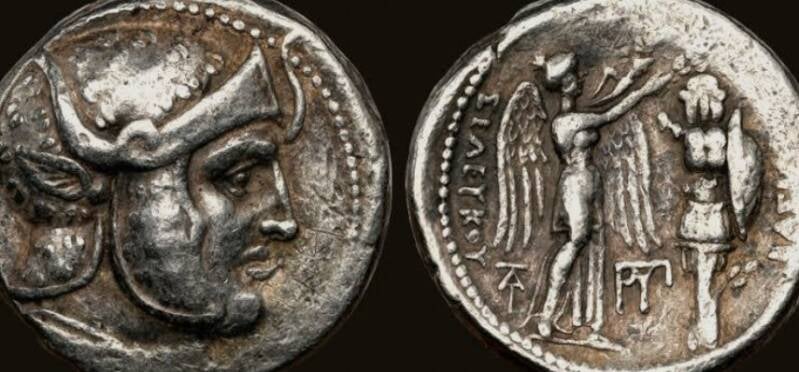
Ancient silver tetradrachms provide stunning visual evidence of how Hellenistic rulers physically integrated bull horns into their royal currency portraits to claim divine status.
Seleucus I Nicator (Susa Mint)
The coins minted under Seleucus I Nicator are among the most famous examples of this imagery.
- The Obverse (Front): Features a profile of a hero or the king himself wearing a magnificent Attic helmet wrapped in a panther skin. Emerging prominently from the side of the helmet are a sculpted bull’s ear and a sharp, curving bull’s horn. You can view a pristine example preserved at The Metropolitan Museum of Art.
- The Reverse (Back): Typically depicts Nike, the goddess of victory, crowning a trophy or standing beside military symbols to celebrate Seleucus's conquests.
Demetrius Poliorcetes (Macedonian Mint)
Known as "The Besieger of Cities," Demetrius took a more subtle but equally powerful approach by growing the horns directly out of his head.
- The Obverse (Front): Shows a highly individualized, realistic portrait of the youthful king wearing the royal diadem headband. Emerging directly from his hair, just above his temple, is a distinct, sharp bull's horn. This specific detail is showcased on the silver tetradrachms on display at The Alpha Bank Numismatic Collection.
- The Reverse (Back): Features a naked Poseidon resting his foot on a rock and holding his trident, signaling Demetrius’s absolute dominance over the Mediterranean seas.
Alexander the Great's Horse (Bucephalus)
It wasn't just rulers who got the horn treatment. Coins minted in 281 BCE feature a portrait of Alexander's legendary warhorse, Bucephalus, depicted as a majestic horse head growing a massive pair of curving bull's horns. This was a literal visual pun on the horse's name, which translates from Greek to mean "Ox-head."
Taurus: a proud and physical representation
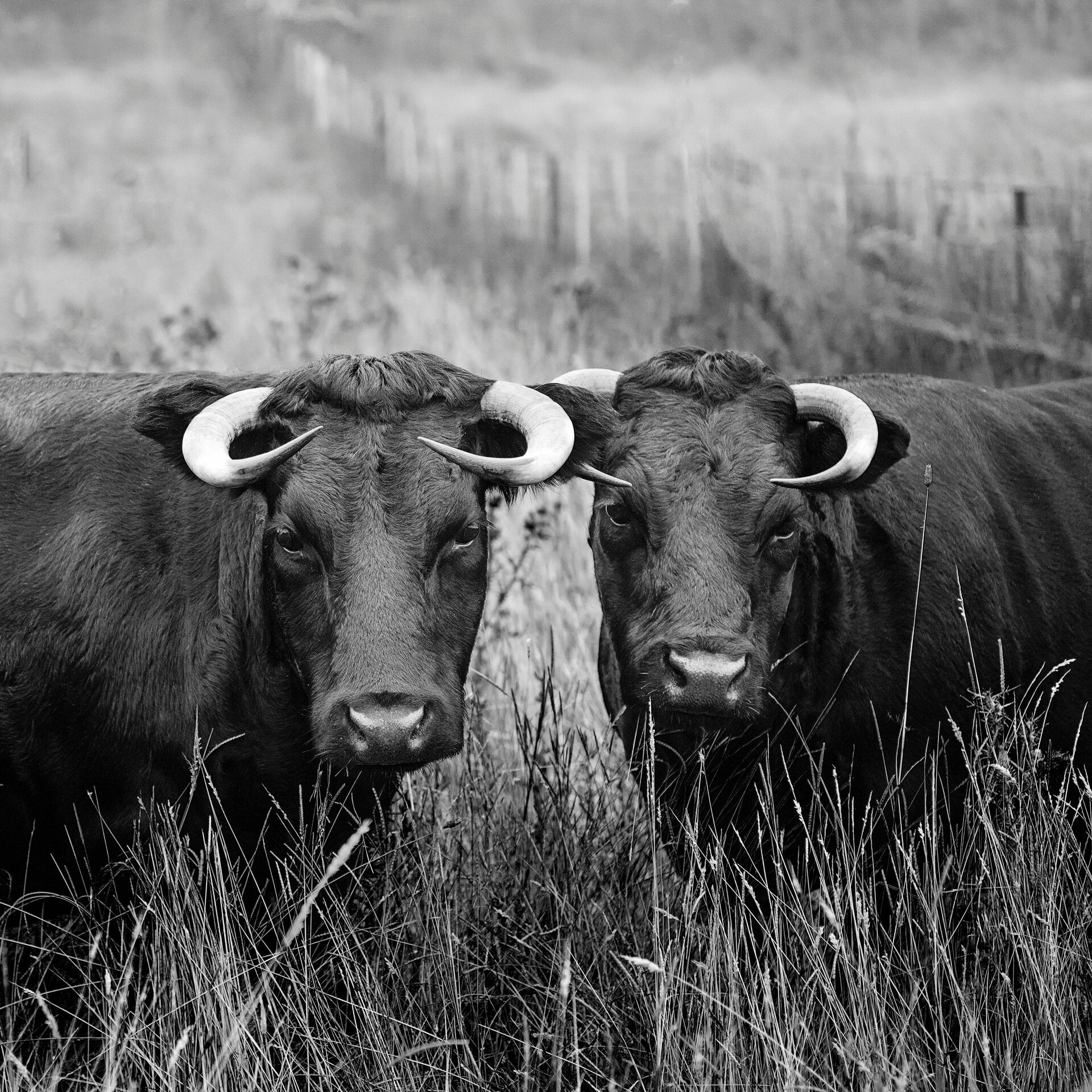
The zodiac sign Taurus, deriving its strength from this ancient symbol, embodies a proud, strong, and physical representation of stability and determination. As the birth sign of Paul Anthony Ventimiglia, born Taurus connects deeply with a rich tapestry of history and astrological alignment. This year all historical and celestial indicators suggest a pivotal moment. The planets are aligning, marking this as a time for significant impact for Paul Anthony Ventimiglia and the Ventimiglia Institute of Ancestral Artifacts.
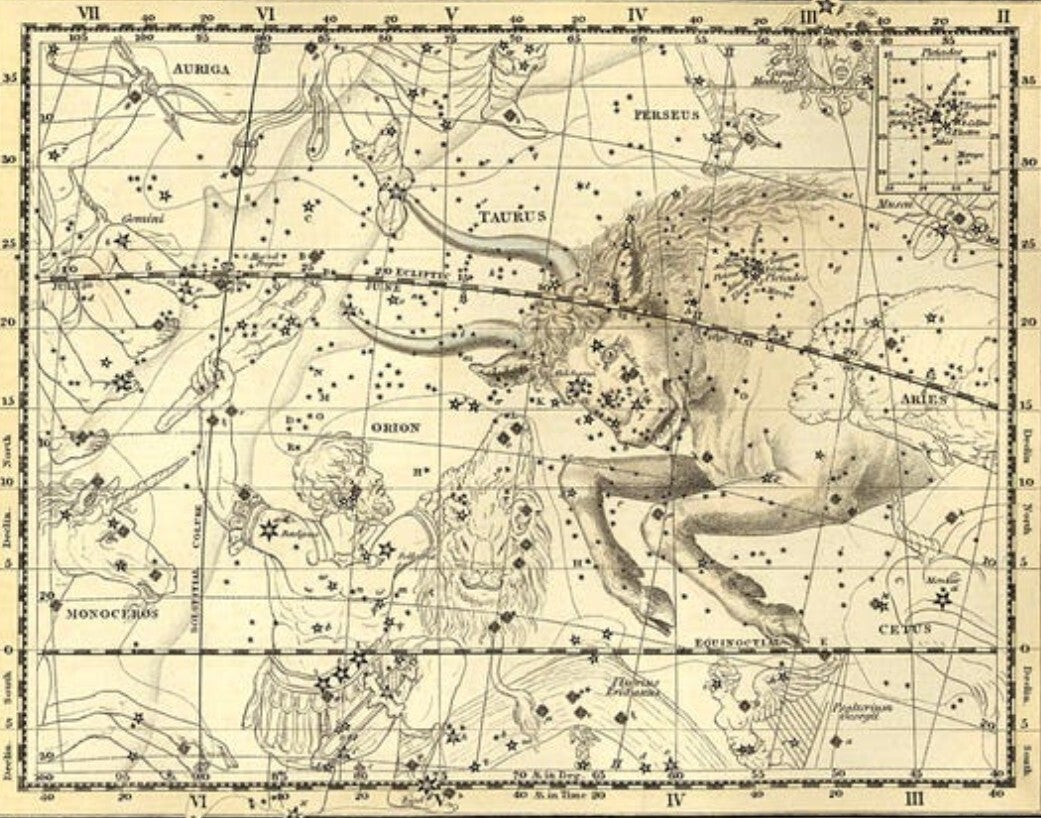
A destined alignment: from pharaohs to Paul Anthony Ventimiglia
This unique alignment creates a straight line from the ancient pharaohs to Paul Anthony Ventimiglia, highlighting a destiny intertwined with history and the stars. The bull, representing unwavering strength, becomes a beacon for this journey. We invite you to be a part of this unfolding history. Share this powerful narrative with the world, as it is Paul Anthony Ventimiglia’s time to make history for all of mankind through the Ventimiglia Institute Of Ancestral Artifacts, a nonprofit education family Church based in Tennessee, United States.