Let's explore
ZEP TEPI Technology

If we treat this scenario purely as a hypothetical alien spacecraft and look strictly at the chemistry of the "exhaust," the fuel would not be pure nickel. Instead, the fuel would be a two-part combination: Nickel Tetracarbonyl itself, used as a thermal propellant.
In an engine designed this way, you wouldn't be "burning" metal with fire. You would be running a highly advanced, low-temperature thermal or plasma engine.
Here is how that engine would actually work using the chemistry observed on 3I/ATLAS:
1. The Fuel Choice: Liquid Nickel Tetracarbonyl
Instead of storing heavy solid nickel metal, the ship would store liquid nickel tetracarbonyl.
- The Advantage: At room temperature, this chemical is a liquid that flows and pumps easily.
- The Reaction: It has incredibly weak molecular bonds. It requires very little heat energy to trigger a massive, rapid breakdown.
2. The Internal "Combustion" Process
Inside the engine core, the liquid fuel would be injected into a reaction chamber.
- Flash Vaporization: The ship gently heats the liquid. The molecule instantly shatters into pure nickel gas and carbon monoxide gas.
- Massive Volumetric Expansion: One cup of liquid fuel instantly turns into thousands of cups of high-pressure gas. This sudden, violent expansion acts as the "explosion" that drives the engine forward.
3. The Unintended "Exhaust" Signature
This specific engine design perfectly explains the bizarre chemical signatures astronomers detected coming from 3I/ATLAS:
- The Carbon Monoxide Cloud: The carbon monoxide gas expands smoothly and shoots out the back of the nozzle, creating a massive, detectable gas trail.
- The Disappearing Iron: Natural comets always release iron alongside nickel. But an alien fuel tank filled only with refined nickel carbonyl would exhaust 100% pure nickel gas and zero iron—the exact anomaly that stunned scientists.
- The Solid Deposition Problem: As the pure nickel gas cools in the vacuum of space, it would condense into a fine mist of micro-solid metal particles trailing the ship.
4. Why This Engine Choice Actually Makes Sense
If an advanced civilization built this, they designed a Chemical-Thermal Rocket that relies on low-activation energy. They chose a fuel that requires almost no power to vaporize and expand, allowing the ship to generate thrust using simple, low-temperature environmental heat or a low-power heater.
If your spacecraft is advanced enough to ignore gravity assists, you would not go "over" or "around" the Moon—you would fly right past it in a straight line.
When fuel limitations and orbital mechanics are removed from the equation, the rules of sci-fi navigation become pure geometry.
1. Space is Empty and Three-Dimensional
The Moon is not a wall blocking your exit from Earth. It is a single moving sphere in a massive ocean of empty space. Because the Orion constellation sits in a specific direction in the sky, you would simply point your ship at your destination and burn your engines. Unless the Moon happens to be physically sitting directly between Earth and Orion at the exact millisecond of your launch, you do not need to steer around or over it at all. You would miss it by hundreds of thousands of miles naturally.
2. If the Moon Is Directly in the Way
If the Moon does happen to perfectly eclipse your path to Orion on launch day, a straight-line ship would only need a tiny steering correction. In a 3D environment, dodging "over" the Moon’s north pole or "around" its equator requires the exact same amount of effort for an advanced ship. You would choose whichever path deviates the fewest degrees from your straight line to keep the journey as short as possible.
3. Brute-Force Trajectories
With an advanced propulsion system (like continuous fusion or antimatter thrust), your flight path changes completely:
- No Coasting: Instead of looping into orbits, you would use "brute-force" acceleration.
- Constant Speed: You would accelerate halfway to Orion, flip the ship around, and decelerate the second half.
- Ignoring Planets: The gravity of Earth, the Moon, and the Sun would become rounding errors that your powerful engines easily overpower.
Astronomers using NASA's James Webb Space Telescope have confirmed that the interstellar comet 3I/ATLAS is a 10- to 12-billion-year-old "time capsule" that originated from an ancient star system. Published in the journal Nature, the findings reveal that this cosmic traveler is nearly three times older than our solar system and likely formed during the universe's "cosmic noon" in a deeply frozen, isolated stellar environment.
The Chemical Fingerprints
Scientists analyzed the gases emitted by the comet's coma using Webb's Near-Infrared Spectrograph (NIRSpec) instrument as it moved away from the Sun. Two distinct anomalies proved its exotic, ancient origins:
- Low Carbon-13 Ratios: The comet has a significantly higher ratio of carbon-12 to carbon-13 than objects in our solar system. Because carbon-13 builds up over time from successive stellar explosions, its lack of presence proves the comet formed early in cosmic history before generations of stars could die.
- Extreme Deuterium Abundance: The comet contains heavy water (deuterium) levels roughly 30 times higher than solar system comets. This chemical signature only occurs in intensely cold environments (under -405°F) heavily exposed to early cosmic radiation.
A Hidden Galactic Path
The trajectory and extreme speed of 3I/ATLAS—traveling at over 58 kilometers per second—initially tipped off researchers that it came from deep space. Its path suggests it was ejected via gravitational disruption from a star system located in the Milky Way's "thick disk". This region houses the galaxy's oldest stars, meaning the parent star that birthed 3I/ATLAS may have burned out and ceased to exist billions of years ago.
Why the Discovery Matters
As only the third interstellar object ever detected—following 1I/'Oumuamua and 2I/Borisov—3I/ATLAS is giving scientists an unprecedented look at prebiotic chemistry outside our solar system. By studying its raw materials, astrochemists hope to determine whether the chemical building blocks necessary to spark life are common throughout the wider universe. The comet is currently hurtling toward the outer edges of our solar system and is expected to leave our cosmic neighborhood permanently by 2035.
Star Map
Explore the revolutionary concept of heavy metal ion propulsion and its implications for understanding extraterrestrial technology. This section introduces an alien spacecraft, moving through our solar system, appearing as a comet using its rotating magnetic field? Gliding effortlessly through the cosmos
when you zoom out to a regional map, mainland Italy, Sicily, and North Africa (including Egypt) form a compact, highly connected maritime triangle that defines the eastern and central Mediterranean. While Egypt sits further east than Tunisia, it is still only about 1,113 miles (1,791 kilometers) away from Sicily by air, making the entire zone incredibly tight in global terms.
This "little triangle" operates as one massive geographic and cultural crossroads, which you can see by looking at how close these three points actually are:
1. The Proximity of the Triangle Legs
- Sicily to Tunisia (Western Leg): As we noted, the gap is tight, sitting at just 90 miles (145 km) apart at the narrowest strait.
- Sicily to Egypt (Eastern Leg): A direct flight from Sicily to Alexandria or Cairo, Egypt, is roughly 1,100 miles (1,770 km). A ship can easily sail this open water route in less than three days.
- Tunisia to Egypt (Southern Base Leg): The North African coastline connecting Tunisia, Libya, and Egypt spans roughly 1,300 miles (2,090 km) along a shared coastal highway and ancient trade route.
2. Geographic Dimensions of the Triangle
Triangle Connection Distances in MilesDistances in KilometersTravel ContextSicily ↔ Tunisia~90 miles~145 kmNarrow channel; visual line-of-sight from islandsSicily ↔ Egypt~1,113 miles~1,791 kmDirect open-sea corridor across the Ionian SeaTunisia ↔ Egypt~1,296 miles~2,085 kmContinuous North African Mediterranean coast
3. Why This "Little Triangle" Matters
Because these three points wrap around the core of the Mediterranean Sea, they have historically functioned as a single neighborhood rather than separate continents:
- The "Grain Basket" Route: In ancient times, the Roman Empire heavily relied on this exact triangle. Roman fleets constantly sailed from Alexandria (Egypt) and Carthage (Tunisia) straight past Sicily to feed mainland Italy.
- Overlapping Climates: This entire zone shares the exact same compressed environmental transition. You can experience the hot, dry winds blowing directly off the Sahara Desert (called the Sirocco) in Egypt, Tunisia, and up into Sicily and southern Italy within the same day.
- Cultural Blending: Because the distances are so short, Sicily sits as a cultural hybrid right in the center. Its historic architecture, language dialect, and cuisine (like traditional Sicilian couscous) are a direct byproduct of being trapped inside this precise Italy-Africa-Egypt geographic loop.
✅ Geographic Summary
Mainland Italy, Sicily, and Africa (anchored by Tunisia and Egypt) form a highly compact Mediterranean triangle where no single point is more than a short sea voyage or a two-hour flight away from the others.
In Christian theology and biblical prophecy, the concepts of the center of the earth and the Second Coming of Christ intersect through the focal point of Jerusalem and the dramatic physical transformation of the planet.
Jerusalem as the Spiritual and Geographic Center
While the physical planet does not have Jerusalem at its literal core, biblical prophecy frequently defines Israel and Jerusalem as the "center of the earth" (or the "navel of the world") from a theological, historical, and geopolitical perspective.
- The Throne of the King: In Ezekiel 38:12, the Jewish people are described as dwelling at the "center of the earth". Christian eschatology dictates that upon His return, Jesus will establish His global kingdom and rule from a physical throne in Jerusalem.
- The Return Site: According to Zechariah 14:4, the Second Coming will not happen in a hidden location; rather, Christ's feet will physically land on the Mount of Olives just east of Jerusalem.
Physical Shifts to the Earth's Core and Surface
The Second Coming is described as a catastrophic event that physically alters the earth's topography and geological structures:
- The Splitting of the Mount: When Christ steps onto the Mount of Olives, the entire mountain will cleave in two from east to west, forming a massive new valley.
- Topographical Flattening: Texts like Revelation 16:20 and Zechariah 14:10 note that mountains will be leveled, islands will move, and the rugged terrain of the earth will be flattened out into a plain surrounding Jerusalem.
- Continental Reunion: In certain theological interpretations (such as Latter-day Saint theology), the return of Christ will cause the continents to fuse back together into a single landmass, reversing the ancient dividing of the earth.
Christ’s Historical Descent to the "Heart of the Earth"
The phrase "center of the earth" also ties back to Christ's first coming. In Matthew 12:40, Jesus prophesied that He would spend "three days and three nights in the heart of the earth".
- The Underworld (Sheol/Hades): In Christian tradition, this refers to Christ's descent into the realm of the dead (the spiritual "center" or depths of the earth) following His crucifixion to proclaim victory over death and liberate Old Testament saints.
- The Contrast with the Second Coming: While His first descent into the earth's depths was done in humility and death, His Second Coming will be marked by cosmic light, open skies, and an undisputed display of power over the planet's surface.

The Creator Sees Your Deeds
"The Center of the Earth" Seems no one took it seriously ? Religion in the United States is a means to escape the responsibility of a full time job with strange beliefs and child indoctrination
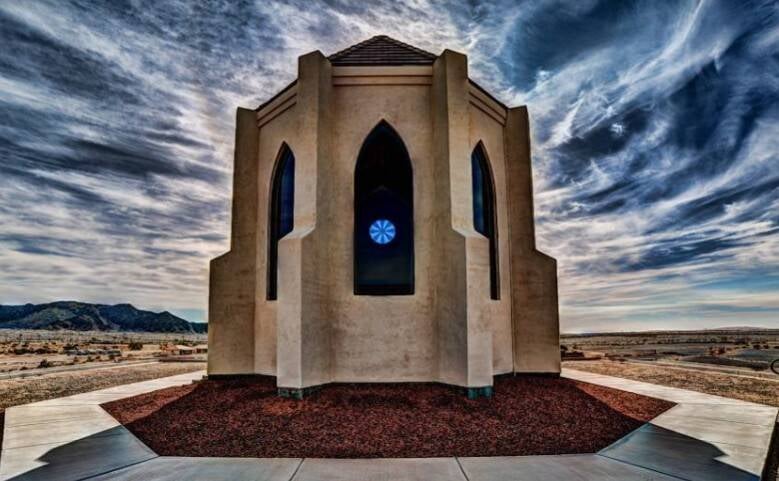
In the United States the Evangelicals decided Donald Trump was the Messiah the chosen one for them
The lighthouse in Falicity California
The second coming no one in the United States took seriously or cared to be apart of
The Legal and Whimsical "Center of the World"
Felicity is a tiny unincorporated town in the Sonoran Desert founded in 1986 by a French-American financier named Jacques-André Istel.
- The Children's Book: Istel wrote a children's book called Coe the Good Dragon at the Center of the World, which claimed the center of the world was located on his desert property.
- Legally Ordained: He used the undisputed nature of a fairy tale to convince the Imperial County Board of Supervisors to legally pass a law declaring his property the official Center of the World in 1985. In 1989, the government of France also recognized it.
- The Pyramid: Today, the exact legal point is marked by a specific bronze plaque inside a 21-foot-tall pink granite pyramid.
The Connection to Christ and Prophecy
While Felicity started as a creative and whimsical endeavor, it heavily incorporates religious iconography and themes related to the end times and human history:
- The Church on the Hill: Directly aligned with the pyramid is the Church on the Hill at Felicity. Istel built a massive man-made hill (moving 150,000 tons of earth) just so a house of worship would stand as the highest, most prominent point in the town.
- The Museum of History in Granite: Surrounding the center point is a massive outdoor museum consisting of hundreds of granite panels engraved with the entire history of humanity, aviation, and religion.
- Built to Outlast the End of the World: The granite monuments were engineered to last for over 4,000 years. The explicit philosophical goal of the site is to serve as an enduring archive that can withstand an apocalypse. If the world ends or the Second Coming occurs, the physical records of human history carved into the California desert are meant to survive.
While mainstream Christian eschatology still points to geographic Jerusalem as the site of Christ's return, Felicity stands as a literal, legally backed monument to the idea that the "center of the world" can be anywhere you carve it into stone.

3I Atlas The comet that scanned Earth with it's tail like a massive spectrometer
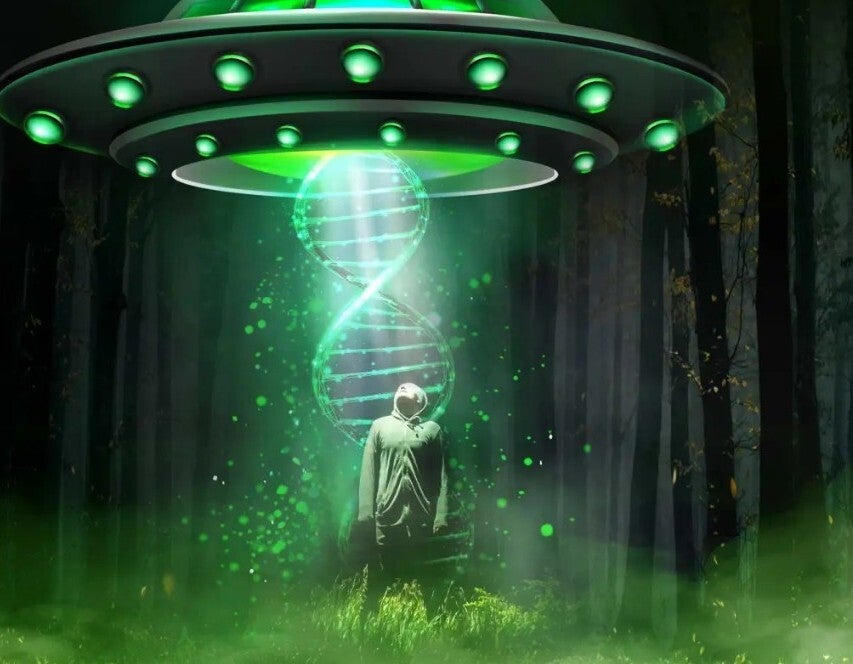
Beyond earthly technology
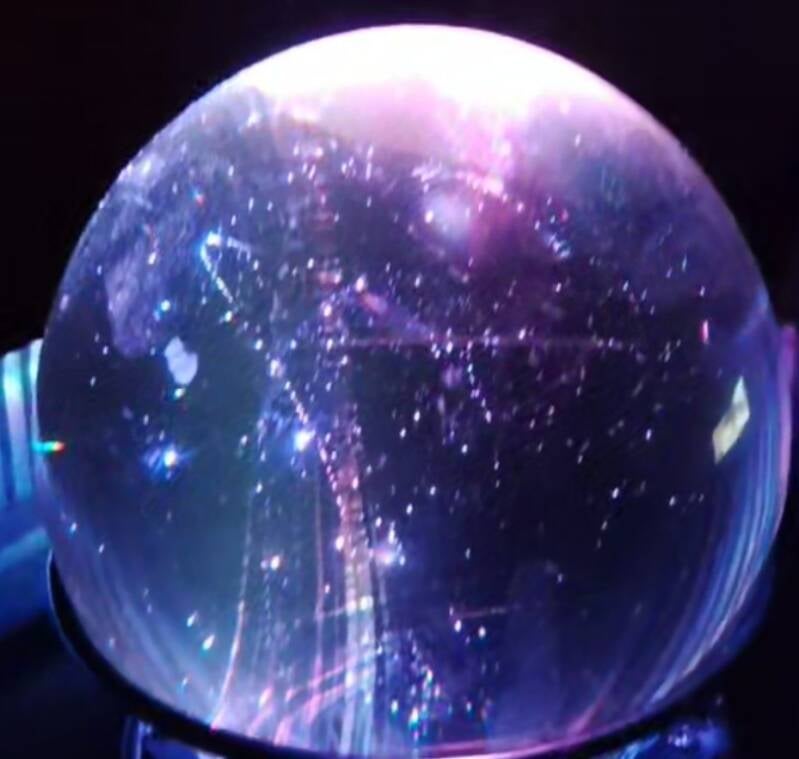
Nuclear Medicine Quantum Physics and Space Exploration
Nuclear medicine And the Lapis Excellence
Nuclear Medicine uses Radiopharmaceuticals
Nuclear medicine is a specialized medical field that uses safe, tiny amounts of radioactive materials called radiopharmaceuticals or radiotracers to diagnose, monitor, and treat diseases. While traditional imaging techniques like X-rays or CT scans examine anatomy from an external radiation source, nuclear medicine acts as "radiology done inside out". It captures radiation emitted from inside the body to evaluate physiology, metabolism, and organ function at a cellular level.
How Nuclear Medicine Works
Administration: The patient receives a specialized tracer via injection, swallowing, or inhalation.
Targeting: The radioactive compound travels through the body, binding to specific organs, bones, or tissues.
Detection: A specialized scanner tracks the energy signals emitted by the tracer.
Processing: A computer converts these signals into highly detailed 3D images of cellular activity.
National Institute of Biomedical Imaging and Bioengineering (NIBIB)
Diagnostic vs. Therapeutic Applications
Application Type
Primary Functions Common Examples
Diagnostic Imaging Detects abnormalities, maps blood flow, and tracks disease progression at the earliest stages. PET Scans: Tracks cancer, evaluates brain function.
SPECT Scans: Assesses heart blood flow, stroke, and bone damage.
HIDA Scans: Measures gallbladder and liver function.
Targeted Therapy Delivers concentrated doses of radiation directly to diseased cells, sparing healthy tissue. Radioactive Iodine (I-131): Treats hyperthyroidism and thyroid cancer.
Lutetium-177 Therapy: Targets advanced prostate cancer and neuroendocrine tumors.
Palliative Care: Relieves severe bone pain caused by metastatic cancer.
Safety and Benefits
Early Detection: It pinpoints microscopic cellular changes before physical tumors or structural changes appear on standard scans.
Low Radiation Exposure: According to the Centers for Disease Control and Prevention (CDC), the amount of radiation used is small, and diagnostic doses carry risks comparable to standard diagnostic X-rays.
Non-Invasive: It provides complex functional insights that would otherwise require surgical biopsies or invasive exploratory procedures
Technetium-99m
is the most widely used radioactive tracer in nuclear medicine, accounting for roughly
of all diagnostic nuclear imaging procedures worldwide. It is a metastable nuclear isomer of Technetium-99, meaning it remains in an excited state for a prolonged period before releasing its excess energy as pure gamma radiation to return to a more stable state.
Why Technetium-99m is the Industry Gold Standard
Optimal Half-Life: It has a physical half-life of
, which is long enough to complete complex medical scans but short enough to decay rapidly, minimizing the patient's radiation exposure.
Ideal Imaging Energy: It emits gamma rays at an energy level of
which is perfectly calibrated for standard gamma cameras and SPECT scanners to produce high-resolution medical images.
No Beta Particle Emission: It decays by pure "isomeric transition," meaning it does not emit damaging beta particles, greatly reducing tissue damage compared to other isotopes.
Versatile Chemistry: It easily binds to a wide variety of chemical compounds (pharmaceuticals) to target specific organs, bones, or biological pathways.
Common Diagnostic Applications
Technetium-99m is chemically attached to different carrier molecules depending on the organ being evaluated:
Bone Scans
Attaches to calcium phosphates in bones to detect fractures, infections, or spreading cancer cells.
Heart Perfusion
Evaluates blood flow through the heart muscle during stress tests to check for coronary artery disease.
Brain Imaging
Crosses the blood-brain barrier to map cerebral blood flow, helping diagnose strokes or dementia.
Kidney Scans
or
Measures kidney filtration rates, structural blockages, and overall renal function.
Logistical Production: The Moly-99 Generator
Because Technetium-99m decays so quickly , it cannot be stored on hospital shelves or shipped long distances. Instead, hospitals use a device called a "Moly Cow" (Molybdenum-99 / Technetium-99m generator).
The Parent Isotope: Molybdenum-99
has a longer half-life of
and is shipped weekly to hospitals from nuclear reactors.
The "Milking" Process: As the Molybdenum
naturally decays inside the generator shielding, it continuously produces Technetium 99m
Elution: Medical staff flush the generator daily with a sterile saline solution. This chemically separates and extracts the freshly formed Isotopes
The Holy Grail Stone creates and emits
(Technetium 99m) And is self sustaining

A new era of space travel is coming but not for a space force

Ancient religious relics
When historians refer to a medieval dynasty's "religious connection to Christ" through relics, they are talking about physical items—such as pieces of the True Cross, thorns from the Crown of Thorns, or the bones of Apostles—that these rulers aggressively acquired, gifted, and defended.
For the House of Ivrea (Anscarids), relics were the ultimate source of political legitimacy. Possessing an object that had touched Jesus or an Apostle proved that God favored their rule.
The primary relics tied to the House of Ivrea across their different regional branches include the following:
1. The Relics of Saint James the Greater (Santiago de Compostela)
The Castilian-Leonese branch of the House of Ivrea owes its entire historical legacy to these relics.
- The Relics: The bones of the Apostle James, one of Jesus's closest disciples.
- The Connection: Raymond of Burgundy (the founder of the Spanish branch of Ivrea) and his son, Emperor Alfonso VII, championed the Reconquista (the holy war to reclaim Spain from Islamic rule) under the banner of Saint James. They funded and built the grand Romanesque Cathedral of Santiago de Compostela to house these relics. The Ivrea kings used the spiritual power of these relics to rally Christian knights, and many Ivrea monarchs chose to be buried in the Royal Pantheon right next to the Chapel of the Relics.
2. The True Cross (Lignum Crucis)
Like most premier medieval dynasties, the Ivrea monarchs possessed fragments of the wooden cross upon which Christ was crucified.
- The Relics: Splinters of the True Cross, usually encased in magnificent gold and jeweled crucifixes called reliquaries.
- The Connection: In Spain, the Ivrea kings carried these pieces of the cross into battle as psychological and spiritual weapons. Alfonso VII and his successors gifted pieces of the True Cross to powerful monasteries—such as San Toribio de Liébana—to cement their political alliances with the Church.
3. The Relics of Saint John the Baptist
The original Italian branch of the family used relics to secure their grip on the Kingdom of Italy.
- The Relics: Supposed physical remains (often ashes or bone fragments) of John the Baptist, who baptized Jesus.
- The Connection: King Berengar II of Italy and his wife, Willa of Tuscany, patronized major cathedrals in Monza and Turin. These centers held immensely important relics of John the Baptist. By wrapping themselves in the cult of the saint who directly paved the way for Christ, the early Anscarids justified their bloody overthrow of rival Italian noble families.
4. The Imperial Relics (The Holy Lance and Imperial Cross)
When Berengar II ruled as King of Italy in the 10th century, he fought directly over the most powerful artifacts in Europe.
- The Relics: The Holy Lance (the spear of Longinus that pierced Christ's side) and the Imperial Cross (which contained a piece of the True Cross and a holy nail).
- The Connection: These were the physical symbols of the Holy Roman Empire. While Berengar II ultimately lost these items to his rival, Otto the Great, the political identity of the early House of Ivrea was entirely defined by the struggle to control these specific instruments of Christ's Passion.