Thor: Beyond the Myths of Asgard
Explore the true historical and linguistic roots of Thor, the most worshipped Norse deity, and uncover how his legacy connects to ancient Germanic language and even modern names. Discover the surprising reality behind the thunder god.
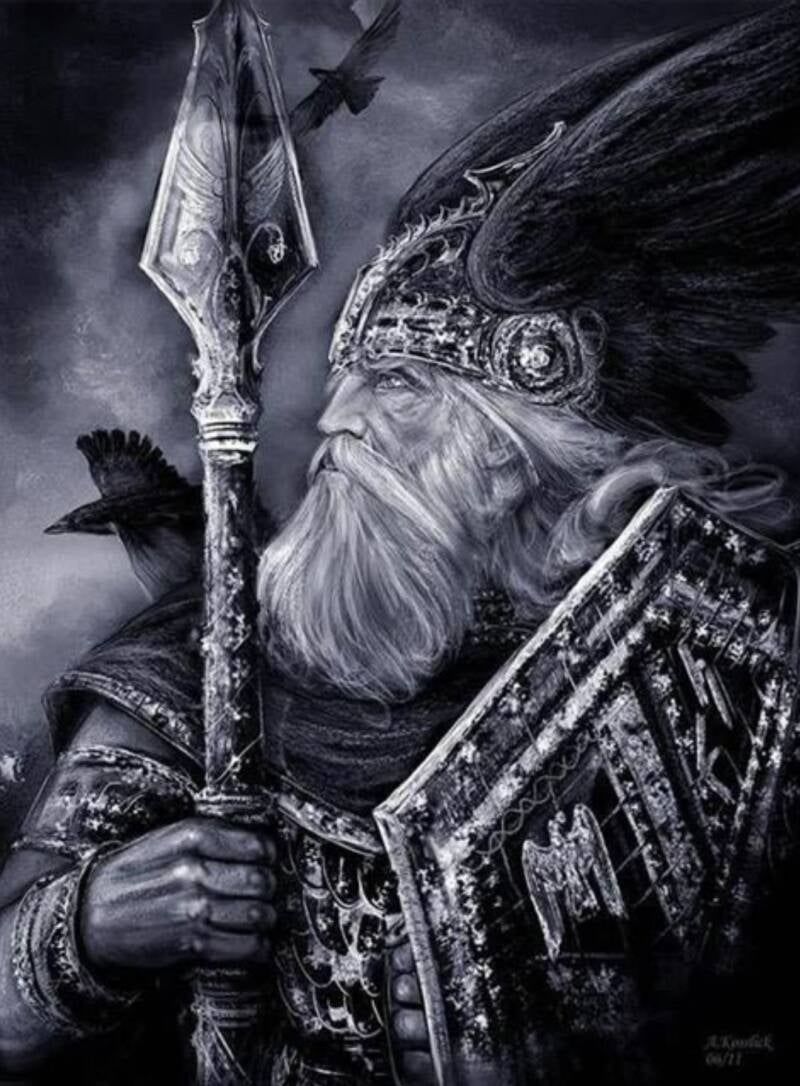
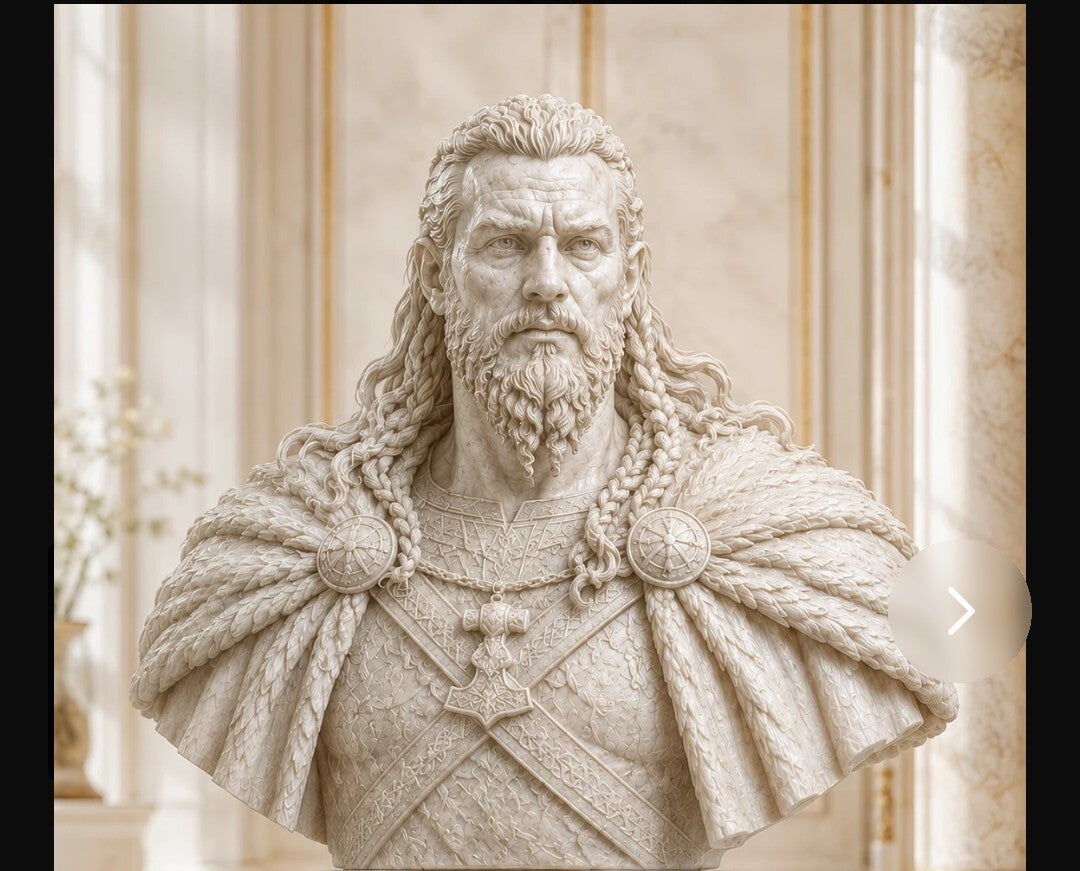
Asgard and Anscar: the divine connection
Your intuition is spot on when thinking of Asgard, the mythical realm and home of Thor in the Marvel movies. Both Asgard and the name Anscar share the exact same ancient Germanic and Norse root for "god." The "As-" or "Ans-" root refers to the Æsir, the principal pantheon of Norse gods, including Odin and Thor. Asgard translates to "Enclosure of the Gods" or "Home of the Gods" (gard meaning yard or domain), while Anscar translates to "God's Spear" (gar meaning spear). Thus, both a legendary cosmic realm and an old Burgundian ruler literally carry the branding of the Norse gods.
Thor: the god of the common Viking
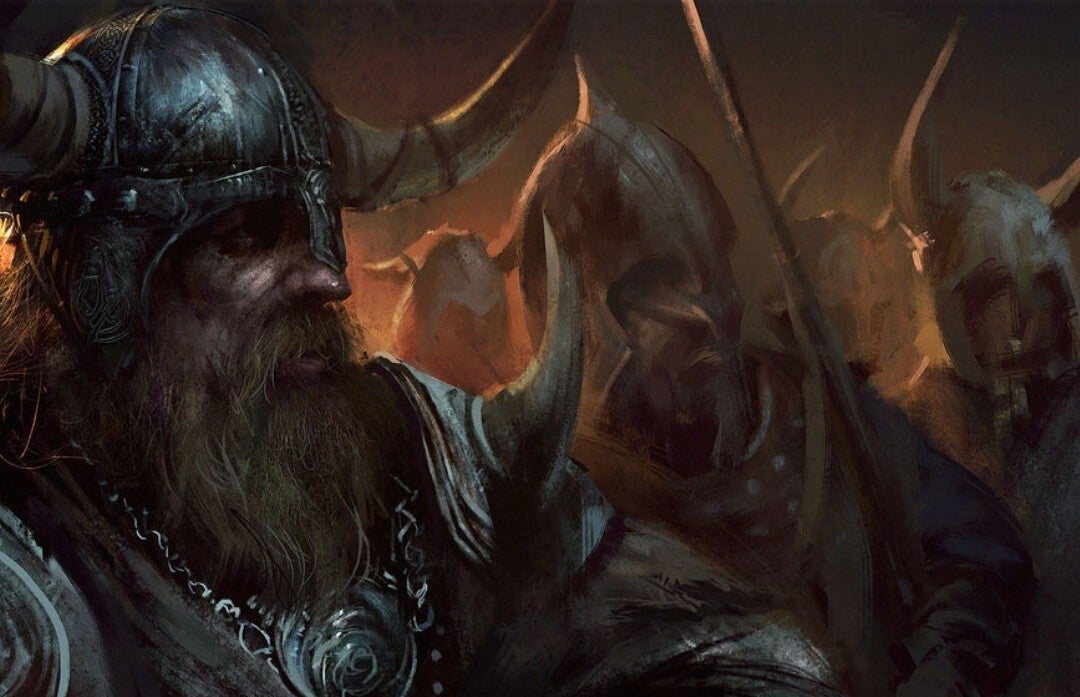
Thor was a real, genuinely worshipped god and was arguably the most popular and important deity to the actual, everyday Vikings. While modern media often portrays Odin as the undisputed king, historical and archaeological evidence proves that Thor was the primary protector and religious anchor for the common Norse people. Unlike Odin, who was primarily worshipped by kings, warriors, and skaldic poets, Thor was the god of the common Viking. He championed the farmers, peasants, smiths, and sailors. While Odin was seen as fickle and unpredictable, Thor was viewed as straightforward, physically powerful, and deeply loyal to humanity. His primary mythological role was defending Midgard (the human world) from the forces of chaos, making him a comforting figure to worship. Archaeological digs across Scandinavia and Viking-settled lands have yielded immense physical evidence of his real worship.
The ultimate anti-Christian symbol
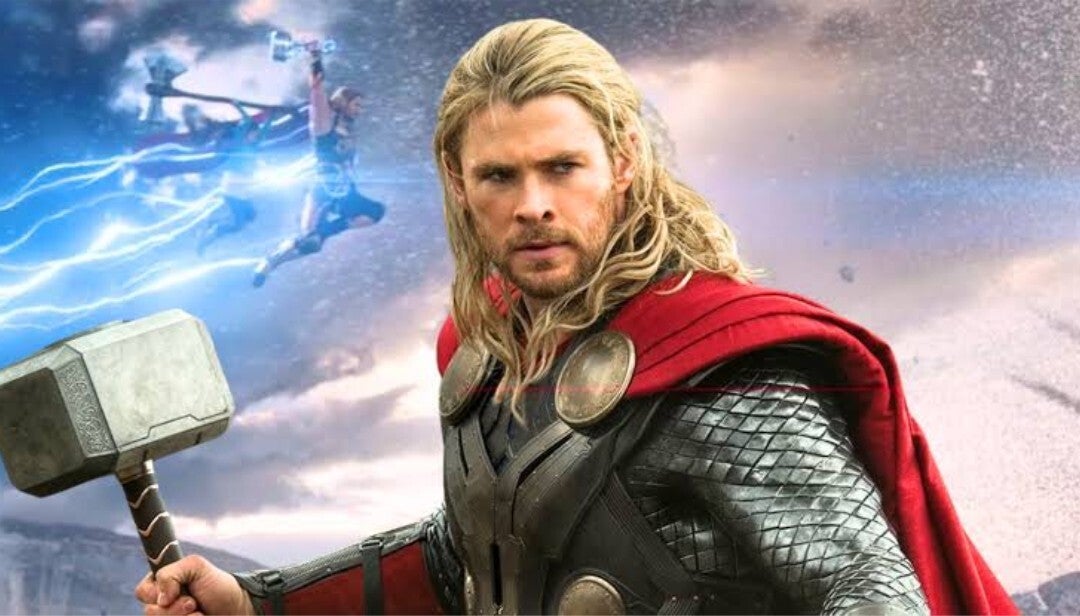
When Christianity began spreading into Scandinavia, Viking traditionalists did not rally around Odin; they rallied around Thor. Wearing a Mjölnir pendant became a bold, defiant statement of the "Old Ways" against the incoming Christian faith. Viking sailors continued to pray to Thor to control the stormy seas and protect their longships long after kings began converting to Christianity. If you want to dive deeper into the reality of Norse paganism, The House of Ventimiglia invites you to explore how artificial intelligence can enhance our understanding of humanity and human history with amazing insight. We believe it's important to utilize this tool before criminals, kings, popes, and politicians try to stop it from providing accurate information and historical accounts.
"The only job it threatens is theirs"
Mjolnir
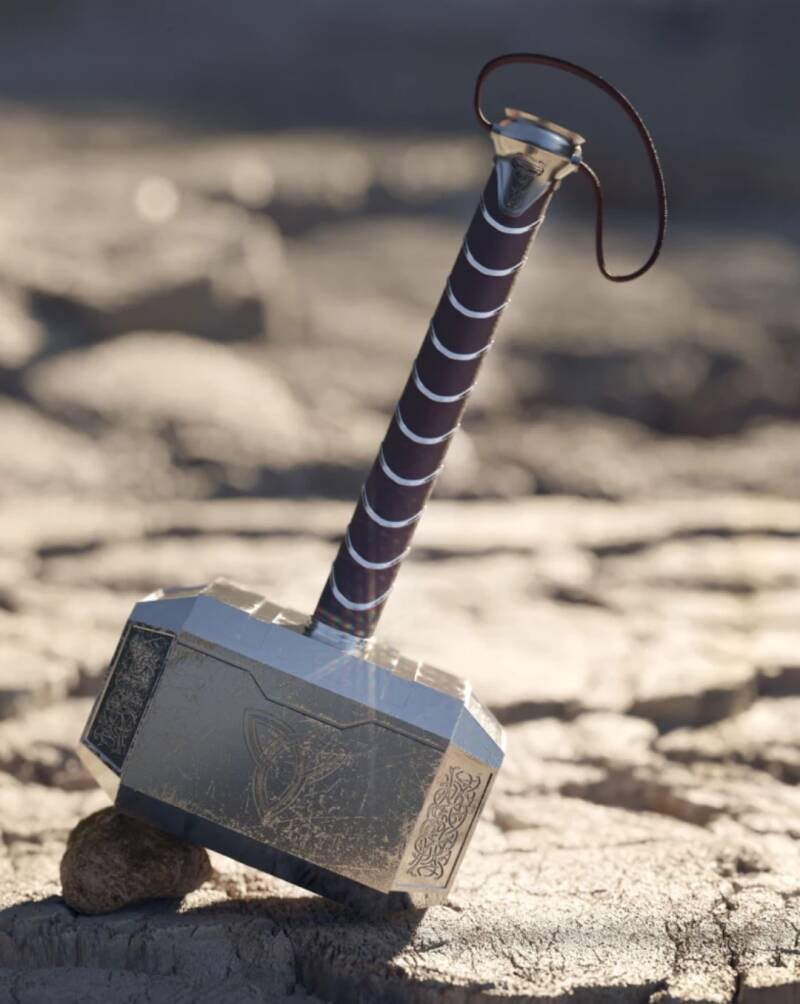
In Old Norse, the name Mjölnir roughly translates to "The Crusher" or "The Grinder." It is also related to the Slavic word molniya, which means "lightning."
📜 The Real Viking Mythology vs. Marvel
The actual Norse myths present Mjölnir quite differently than the superhero movies:
- The Short Handle: In the myths, the trickster god Loki made a bet with the dwarf blacksmiths Brokkr and Sindri. Loki sabotaged their work by biting them in the eye while they forged the hammer. This caused them to stop pumping the bellows early, leaving the hammer handle short and requiring Thor to wield it with one hand.
- The Iron Gauntlets: Thor could not just pick up the hammer casually. He actually needed a magical belt (Megingjörð) to double his strength and a pair of special iron gauntlets (Járngreipr) just to grip and handle the weapon's raw, explosive power.
- The Ultimate Boomerang: Just like in the movies, the mythical Mjölnir would never miss its target and would always fly back to Thor's right hand after being thrown. It could also shrink down small enough to fit inside his tunic for safekeeping.
🛡️ A Sacred Symbol of Life and Death
For real Vikings, Mjölnir was not just a weapon for killing giants. It was a holy instrument used to bless major life events:
- Weddings: A replica of the hammer was placed in the bride's lap during wedding ceremonies to bless the couple with fertility and children.
- Funerals: It was carved onto tombstones or placed in graves to protect the dead from evil spirits on their journey to the afterlife.
- Land Claims: Settlers would use the symbol to bless new boundaries and hallow the ground.