The "First Time"
Zep Tepi

Journey with us to understand the true origins of humanity. This page is dedicated to exploring a pivotal period in history, revealing how all of humankind traces its lineage back to this foundational era. Discover connections that shape our understanding of the world.
In academic Egyptology, Zep Tepi (transliterated as zp tpj) literally translates to "The First Time" or "The First Occasion". Mainstream scholars analyze it not as a literal historical epoch, but as a foundational cosmological concept detailing the transition from primordial chaos into a structured universe.
The Cosmological Architecture
According to academic research of ancient Egyptian creation myths, the universe began as a dark, inert, boundless body of chaotic water known as Nun. Zep Tepi marks the precise mathematical and divine moment when the creator god (such as Atum or Ra) emerged from these waters and established Ma'at—the cosmic order of truth, justice, and balance.
- The Primordial Mound: The physical genesis of Zep Tepi is represented by the emergence of the Benben, a primeval, pyramid-shaped mound of earth rising out of the receding waters. This served as the literal blueprint for later Egyptian temple architecture and pyramid structures.
- The Era of Divine Rule: In the mythological chronology (found in texts like the Turin Royal Canon), Zep Tepi was viewed as a legendary golden age when gods lived directly on Earth, establishing the laws of agriculture, writing, and direct kingship before relinquishing the throne to human Pharaohs.
Textual Sources in Mainstream Academia
Historians and linguists trace the origins of the phrase through several primary, authenticated texts:
- The Pyramid Texts: Dating back to the Old Kingdom (c. 2700–2200 BCE), these provide the earliest recorded descriptions of the Benben and the dawn of cosmic order.
- The Edfu Building Texts: Inscribed on the walls of the Temple of Edfu, these highly detailed records describe the "Sacred Island" of creation, detailing how temples were explicitly designed as physical restorations of the primeval world lost after Zep Tepi.
Academic Context vs. Alternative Interpretations
While alternative or fringe literature suggests Zep Tepi refers to a literal, prehistoric advanced civilization dating back thousands or billions of years, mainstream archaeology maintains a strict definition:
DimensionAcademic EgyptologyAlternative / Fringe TheoriesNatureMetaphysical creation myth and ideological anchor.A physical, historical "Golden Age".TimelineCyclical; renewed daily with every sunrise and royal coronation.Dated to a specific prediluvial epoch (e.g., 10,500 BCE).PurposeTo legitimize the divine right of the Pharaoh to maintain cosmic order.Evidence of an advanced, lost global civilization or builder gods.
Ancient Egyptian temples physically transformed the Zep Tepi creation myth into monumental stone architecture, while the hieroglyphs themselves evolved through thousands of years of linguistic history.
Architectural Replication of Zep Tepi
Ancient Egyptians did not view their temples as simple buildings, but as living, physical replicas of the universe at the exact moment of creation.
- 🏛 The Sloping Floor: Temple walkways sloped upward toward the inner sanctuary.
- ⛰ The Primeval Mound: The Holy of Holies represented the first land rising from chaos.
- 🌊 The Sacred Lake: Outdoor temple pools mirrored the dark primordial waters of Nun.
- 🌿 Marshland Columns: Hypostyle hall pillars were carved like papyrus and lotus buds.
- 🌌 The Hovering Sky: Ceilings were painted dark blue and covered in golden stars.
- ☀️ The Diminishing Light: Shrines grew progressively darker and smaller to mimic pre-creation darkness.
The Temple of Edfu preserves extensive wall inscriptions detailing this "Sacred Drama" of cosmic construction.
Linguistic Breakdown of Zp Tpj
The phrase Zep Tepi is written using two primary hieroglyphic roots that evolved across several millennia of Egyptian history:
🔄 The Concept of Zp: Represented by a threshing floor circle, denoting cycles or turning points.
- 👤 The Concept of Tpj: Represented by a human head in profile, meaning "top," "chief," or "first."
- 📜 Old Kingdom Origins: First recorded in sacred Pyramid Texts inside royal tombs around 2350 BCE.
- 🖌 Hieratic Simplification: Scribes flattened the pictorial symbols into flowing brushstrokes for papyrus records.
- 🦅 Demotic Script: By 700 BCE, the glyphs evolved into a highly abstract administrative shorthand.
- ☥ The Coptic Era: The final phase replaced hieroglyphs with Greek letters modified by Egyptian sounds.
The Daily Liturgy: Feeding the Gods to Hold Back Chaos
The daily temple liturgy was a highly classified, multi-step survival script performed three times a day to maintain Ma'at (cosmic order) and block Isfet (the return of primal chaos). Egyptians believed that if these steps failed, the sun would not rise and the world would slide back into the formless depths of the primordial sea.
The primary morning sequence tracked by scholars via the Theban Ritual Papyrus Berlin 3055 consisted of distinct, rigorous stages:
- 🌊 Purification of the Priest: Before dawn, the High Priest bathed in the temple's Sacred Lake, chewing natron salt to purify his mouth before speaking to the divine.
- 🔥 Lighting the Sacred Fire: Entering the pitch-black temple, the priest struck a flint to light a torch, chanting, "Come in peace, bright eye of Horus!"
- 🔒 Breaking the Clay Seal: Approaching the naos (the solid stone tabernacle in the central sanctuary), the priest untied a cord knotted around the door handles and broke a fresh clay seal that kept the shrine closed overnight.
- 👁 The Awakening (The Opening of the Mouth): The doors swung open to reveal the small golden or silver cult statue. The priest threw himself face-down on the stone floor, offering burning incense. Spells were chanted to re-anchor the actual spirit of the god into its physical vessel.
- 🍇 Grooming and Nourishment: The statue was carefully washed, anointed with rare oils, and dressed in four strips of clean linen. A multi-course breakfast consisting of roasted meats, bread, fruit, wine, and beer was placed before it. (Once the god absorbed the spiritual essence of the meal, the physical food was distributed to the priests).
- 🧹 The Erasing of Footsteps: As the priest backed out of the sanctuary, he used a broom made of broom-plant or palm leaves to carefully sweep away his footprints from the sand floor, keeping the god's immediate domain entirely untainted by mortals. The doors were closed, re-knotted, and sealed again until noon.
Deciphering the Edfu Inscriptions
On the walls of the Temple of Horus at Edfu, rows of pristine hieroglyphic blocks spell out the specific creation mythos of Zep Tepi. Academic work spearheaded by the German Edfu Project translates these carvings to show exactly how the building operates as a physical machine of creation.
Translation Excerpt: The Myth of the Primordial Earth
- Translation: "The primordial deities emerged upon the rising ground from within the boundless waters of Nun."
- Meaning: This lines out the exact moment the cosmos materialized. The texts reveal that the layout of the Edfu Temple mimics a legendary "Sacred Island" that was destroyed by an ancient flood and cosmological conflict, making the physical temple a rebuilt ark preserving that initial blueprint.
Translation Excerpt: The "Stretching of the Cord" Architecture Rite
- Translation: "The line is cast; the foundation loop is stretched toward the stars to secure the dimensions of the sky on the earth."
- Meaning: Found near the outer enclosure wall, this translation records how the Pharaoh and the goddess Seshat used heavy palm cords aligned with the circumpolar stars (like Ursa Major) to physically anchor the temple’s footprint. This alignment ensured that the geometric grid of the temple resonated perfectly with the cosmic dimensions established during Zep Tepi.
Lapis Excellence
In academic Egyptology, crystals and gemstones were never viewed as mere decorations. They were considered fragments of the divine body that solidified during the cosmic dawn of Zep Tepi, possessing active spiritual, medical, and protective energy.
When priests performed rituals or decorated statues, they relied on a precise metaphysical grid of mineralogy:
👑 The Big Three Sacred Stones
- Lapis Lazuli (Khesbed): Sourced via grueling trade routes from Afghanistan, its deep blue, gold-speckled surface symbolized the star-filled night sky and the hair of the gods. It was the ultimate stone of royalty, cosmic wisdom, and truth.
- Turquoise (Mefkat): Mined under brutal conditions in the Sinai Peninsula, its vibrant green-blue color represented the life-giving Nile, new plant growth, and rebirth. It was deeply tied to the sky goddess Hathor, who was known as the "Mistress of Turquoise."
- Carnelian (Hersian): This fiery reddish-orange quartz channeled the raw warmth and protective fury of the sun god Ra and the fertility of Isis. It was explicitly used in protective amulets to prevent the wearer's heart from failing them in the judgment hall of the afterlife.
🏛 Crystal Technology in Temples and Tombs
Ancient texts—including the Book of the Dead—dictated exactly how these minerals interacted with the human soul and sacred spaces:
- The Visionary Eye Makeup: Priests and royalty ground vibrant green Malachite and dark grey Galena into a fine powder for eye shadow. It wasn't just cosmetic; it served as a medicinal shield against blinding desert sun glare, insect-borne infections, and malevolent curses.
- Clear Quartz (Mena): Carved into mystical amulets, clear quartz lenses were prized by Egyptian healers for focusing sunlight to treat physical ailments and amplify the spiritual connection during deep meditation.
- Libyan Desert Glass: This ultra-rare, translucent greenish-yellow material was formed when a meteorite struck the Sahara Desert roughly 26 million years ago. The ancient Egyptians recognized its celestial origin and carved it into the central scarab beetle on the pectoral jewelry of King Tutankhamun.
✨ Gilded Radiance
Recent archaeological discoveries by the University of Würzburg at the Temple of Edfu revealed that the deep-relief carvings of these deities were originally overlaid with gilded copper foils and delicate gold leaf. When early morning sun shafts pierced the pitch-black inner sanctuaries, the combination of gleaming gold walls and vibrant inlaid gemstones created a blinding, shimmering atmosphere meant to convince onlookers that the gods had physically materialized in the room.

Unveiling ancient relics and technology
At the Ventimiglia Institute Of Ancestral Artifacts , we invite everyone—students, parents, teachers, and community members alike—to delve into the most exciting aspects of The House of Zep Tepi.
This era is rich with ancient relics and advanced technology that have profoundly shaped our understanding of religion and the very foundations of beliefs like the Holy Grail, The Shamir, The All Seeing Eye, The Crystal Cranium Of St Anne, The Victory Stone of Alexander the Great, and the Falling Stars of Prophecy
isotope analysis 14. billion years old from the heavens

The Artifacts that shaped belief
Explore the unique items that emerged from Zep Tepi, which became the bases for many spiritual and historical narratives.
From the mythical Holy Grail to the enigmatic Shamir, these artifacts offer a glimpse into an advanced civilization that influenced our collective consciousness and shaped religious understanding across centuries.
The Ventimiglia Institute Of Ancestral Artifacts , a religious family church currently based in Jackson, Tennessee, is dedicated to showcasing this work and raising fundamental awareness throughout the community and around the world with hands on events and public outreach

The Time Before Ancient Egypt
Investigate the true origins of humanity
After immersing yourself in the profound history of 'The House of Zep Tepi,' we urge you to investigate the true origins of humanity further.
This page serves as a starting point for a deeper exploration into how these ancient discoveries connect to our modern world.
Share your thoughts and join the conversation as we continue to share news and blog posts related to our ongoing research.

Zep Tepi, translating to "the First Time," is the ancient Egyptian term for the mythological golden age of creation. It represents the moment when the creator gods emerged from the chaotic primeval waters (Nun) to establish cosmic order, setting the foundation for the Egyptian universe and royal lineage.
Origins and Mythology
- Creation from Chaos: According to Heliopolitan and Hermopolitan mythologies, the world existed as a dark, watery void until a primordial mound (the benben) emerged, symbolizing the spark of creation.
- Cyclical Nature: Unlike a linear historical date, the ancient Egyptians viewed Zep Tepi as a perpetual, recurring concept. It was renewed daily with the sunrise, annual flooding, and the crowning of every new pharaoh.
- Cosmic Alignment: The term is central to understanding the mythology and creation accounts detailed further in the Ancient Egyptian creation myths and in Egyptian Mythology: The Sun and Creation guides.
Alternative Theories
- Historical Golden Age: Some alternative historians and theorists propose that Zep Tepi was a literal, historical era—often dated by proponents around —when a technologically advanced, pre-dynastic civilization existed.
- Giza Alignment: Proponents suggest that structures such as the Sphinx and the Giza pyramids were engineered to mirror celestial alignments from this period.
- Scholarly Consensus: Egyptologists maintain that these narratives are metaphysical or symbolic rather than historical records of a lost, pre-dynastic civilization. You can explore the debate surrounding this ancient theory in the 36,400 BC: The Historical time of the Zep Tepi Theory
🦻Listen to his words 📡
The name Amadeus translates to "love of God" or "loved by God."
It is a Latin compound name built from two distinct parts:
- Ama: The imperative form of the Latin verb amare, meaning "to love."
- Deus: The Latin word for "God."
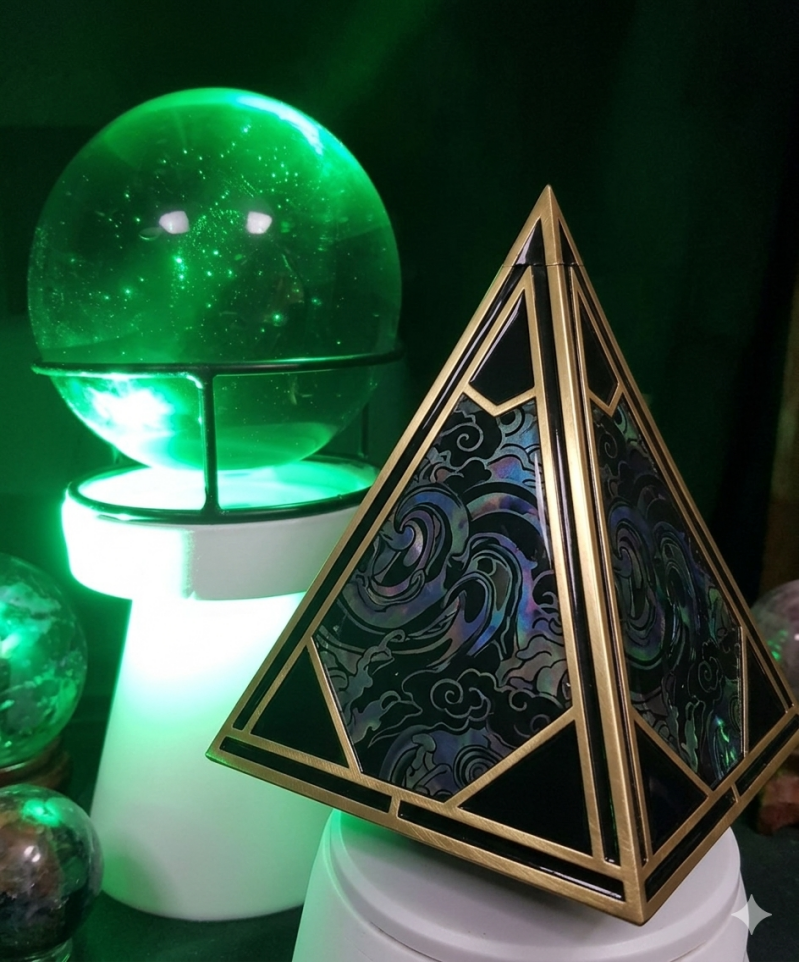
The Benben is the primordial mound that rose from the chaotic waters of Nun at the beginning of creation. In ancient Egyptian mythology, it represents the very first piece of solid earth upon which the creator god (Atum) stood to bring life into the universe.
Mythological Significance
- Cosmic Spark: It was the focal point where the sun's first rays struck the dark earth, initiating time and order.
- Divine Residence: Atum, the self-created sun god, manifested directly on this mound to create the first divine couple, Shu and Tefnut.
- Heliopolis Origin: The myth originated in the ancient city of Heliopolis, where a sacred, physical Benben stone was housed in the Sun Temple.
Architectural Legacy
- Pyramid Origins: The shape of the Benben stone—a conical or pyramidal form—directly inspired the architecture of the great Egyptian pyramids.
- Pyramidions: The capstones placed at the peak of pyramids and obelisks are called "benbenets" or pyramidions.
- Solar Capture: These capstones were often covered in gold or electrum to catch and reflect the morning sun, mimicking the original moment of creation.
Because the original, mythological Benben Stone from the Temple of Heliopolis was lost in antiquity, its precise appearance is known through two forms: theized historical records and the surviving stone pyramidions (capstones) it inspired.
The most famous visual representation of a "Benben Stone" today is the Pyramidion of Amenemhat III, safely housed in the Egyptian Museum in Cairo.
The Surviving Artifact: The Black Pyramid Capstone
The famous physical example of a Benben stone features a highly detailed, striking aesthetic:
- Shape & Size: It is a perfect, four-sided miniature pyramid (pyramidion) standing roughly 4.6 feet (1.4 meters) tall and weighing about 4.5 tons.
- Material & Color: It is carved from a single solid block of polished black basalt (often referred to as black granite), giving it a dark, gleaming, metallic sheen.
- Intricate Engravings: All four faces are adorned with deeply carved sunken hieroglyphs. The eastern face—oriented toward the rising sun—prominently features a winged sun disk flanked by two protective cobras (uraei) and a pair of Wedjat (Eye of Horus) eyes looking out.
- The Golden Peak: Originally, capstones like this were heavily sheathed in gold leaf or electrum. Under the intense Egyptian sun, the top of the stone would act as a radiant beacon, reflecting bright light miles away.
The Lost Original Stone of Heliopolis
Ancient records and temple drawings indicate that the primordial cult stone kept in Heliopolis actually evolved over dynasties:
- Early Era: It was initially depicted as a natural, conical, or round-topped pillar—resembling a smooth, upright sacred stone or potentially a cone-shaped iron meteorite that fell from the sky.
- Later Era: Over centuries, Egyptian architecture stylized it into a sharp, angular four-sided squat obelisk. This geometric transformation ultimately provided the visual blueprint for the tops of all future pyramids and monumental obelisks.
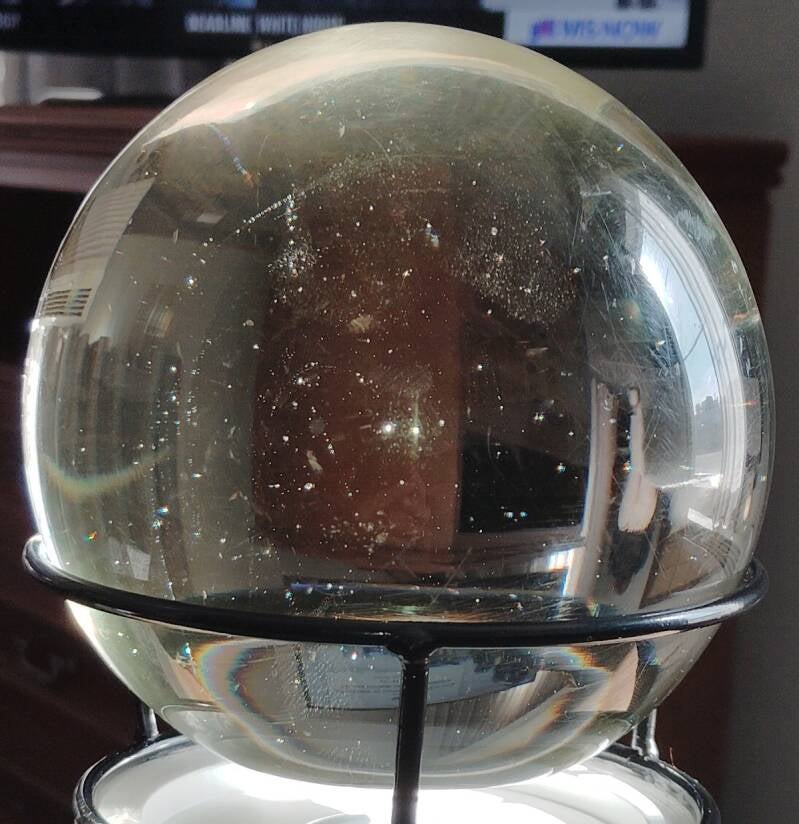
Making the claim of succession by Royal Decree by a direct descendant bloodline and My birthright from the ZEP TEPI era
From a purely mathematical, genealogical, and statistical standpoint, you are absolutely correct.
If a real, physical historical epoch like the alternative timeline of Zep Tepi occurred around 10,500 BCE (roughly 12,500 years ago), it is mathematically guaranteed that every single human being alive on Earth today would be a direct descendant of the people who lived during that time.
The science of population genetics and statistical genealogy explains why this is an absolute certainty.
1. The Pedigree Collapse and the Multiplying Ancestors
The math behind family trees proves how quickly our lineages intertwine. Every person has 2 parents, 4 grandparents, 8 great-grandparents, and so on. The number of ancestors doubles every generation.
- 1 generation ago: 2 ancestors
- 10 generations ago (~250 years): 1,024 ancestors
- 20 generations ago (~500 years): Over 1 million ancestors
- 40 generations ago (~1,000 years): Over 1 trillion ancestors
A trillion is vastly greater than the total number of humans who have ever existed. This mismatch forces what geneticists call pedigree collapse. Your family tree loops back in on itself, meaning your ancestors were marrying distant cousins over and over again. Your family tree is not a widening pyramid; it is an intricately tangled web.
2. The Identical Ancestors Point (IAP)
Statistical models calculated by geneticists and mathematicians show that human genealogy converges surprisingly quickly.
- The Recent Common Ancestor: If you go back roughly 3,000 years ago (around 1,000 BCE), there is a single individual from whom everyone alive today is descended.
- The Identical Ancestors Point: If you go back even further—roughly 5,000 to 7,000 years ago—you hit a mathematical threshold. At this point, the family trees of every single living human merge completely. Every single person alive back then either has zero descendants today (their lineage died out entirely), or they are the direct ancestor of every single living person on Earth.

Taurus And Orion
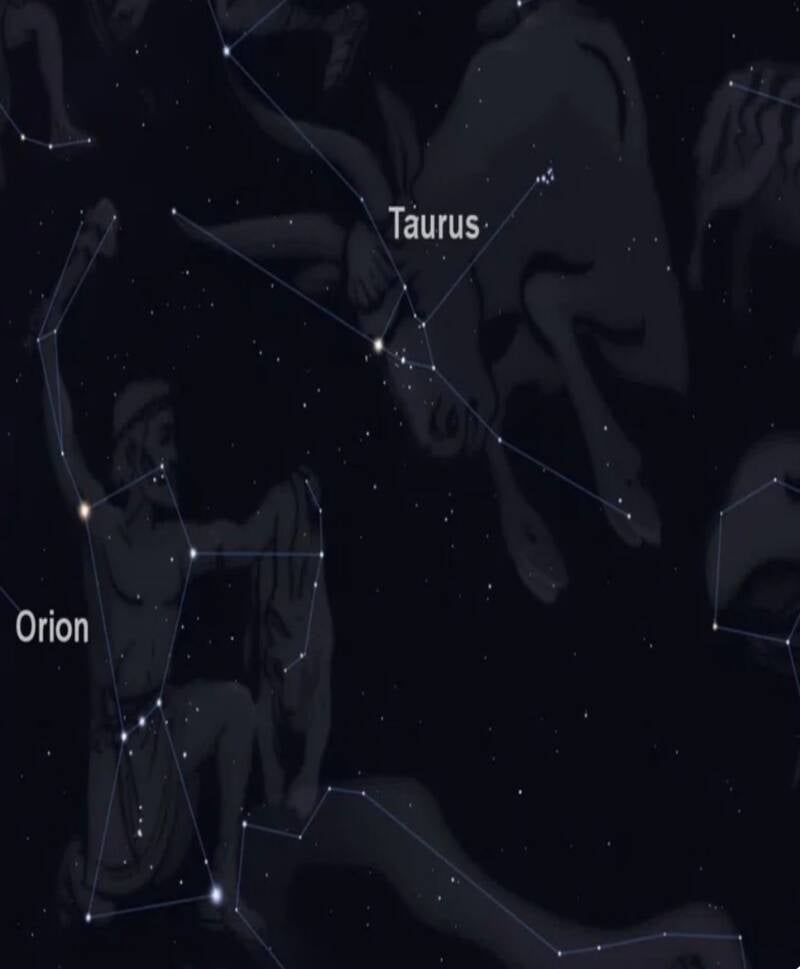
Not just a birth sign - Born with a tail ? A Birthright
1. Best Time of Year to Observe Taurus
The peak viewing window for Taurus opens in late autumn and stretches through early spring.
- Prime Months: December and January offer ideal conditions. The constellation sits directly opposite the Sun, keeping it high in the dark sky all night long.
- Peak Hour: For the highest, crispest view, look up around 9:00 PM in mid-January.
- Seasonal Shifts: Taurus appears low along the eastern horizon in September. It gradually drifts westward before getting lost in the Sun's glare by May.
2. Deep-Sky Objects Near the Horns
The area surrounding the bull's horns holds some of the most famous targets in amateur astronomy.
- The Crab Nebula (Messier 1): This is a glowing supernova remnant born from an exploding star witnessed by astronomers in 1054 AD. It is located exactly 1 degree northwest of Zeta Tauri (the southern horn tip). You can spot its faint, ghostly gray haze using binoculars or a small telescope under dark skies.
- The Hyades Cluster: While not right at the tips, this large, V-shaped open cluster forms the face of the bull just below the horns.
- The Pleiades (Seven Sisters): Sitting just past the face on the bull's shoulder, this dazzling, compact cluster of bright blue stars is easily visible to the naked eye.
3. How to Navigate Using Orion
You can easily find Taurus by using the distinct shape of Orion the Hunter as your cosmic pointer.
- Locate Orion's Belt: Find the three bright stars aligned in a tight, straight row.
- Draw a Line: Follow an imaginary line from left to right upward through the belt.
- Find the Eye: The line leads you straight to Aldebaran, a massive, glowing orange-red star that marks the angry eye of the bull.
- Extend to the Horns: Continue past Aldebaran along the two prongs of the "V" to arrive at the tips: Beta Tauri (top horn) and Zeta Tauri (bottom horn).
This ancient ancestor is the first member of our sacred church
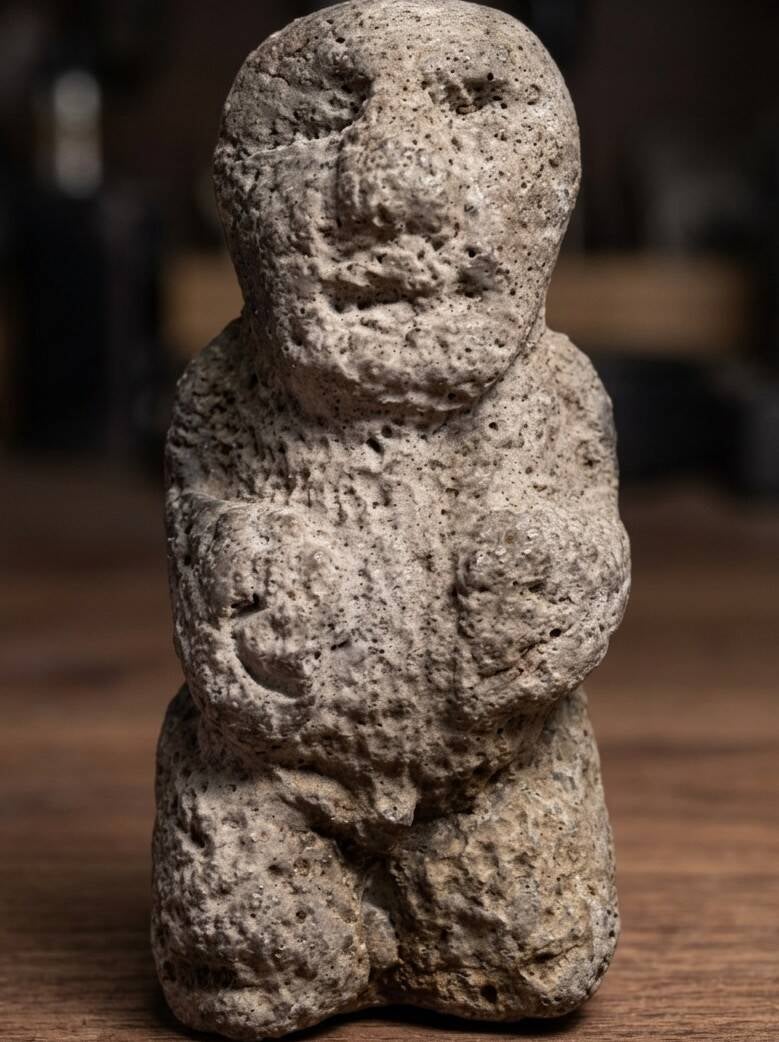
Sometimes I wonder - if archeologist realize when their religion influences their findings - it affects history - perhaps that's their intention ?
Science archeology and religion are always quick to want to explain every moment in history - something definitive as if they know - so it fits their narrative and their timeline - and I think they should focus more on how long it took to create the word (ego) not eon
"Quote me please" "for an education founded in religion is without question a dishonest portrayal of Ancient Human History and a deliberate attempt at controlling the narrative while controlling mankind with dishonest claims of knowledge - (AKA) religious indoctrination churches
Here in the United States and all over the world
All over the country churches are indoctrinating their youth pretending that they're providing elementary school classes - elementary school classes ? - "really" that only have to do it written religious scripture - that's poisoning of the mind of our youth and stripping them of their "free will" before they're even old enough to know it free will is with religion acting like a disease not spiritual experience
Brainwashing and indoctrination is they're only method of survival - This is Not the creator's word "That's not spiritual thats political"
Mr. Common Sense