Unveiling the "Dark Age"
Delve into a period often misunderstood, where history's shadows reveal profound truths. Ventimiglia Institute Of Ancestral Artifacts invites you to explore the "Dark Ages" not as an era of ignorance, but as a crucial crucible for the modern world, especially through the cryptic records of the Ventimiglia family.

Defining the "Dark Ages"
The term "Dark Ages" is an informal label, not a strict scientific timeline. Historians generally define this period using two main frameworks. Most modern texts refer to it as the Early Middle Ages, spanning roughly 476 CE to 1000 CE, beginning with the fall of the Western Roman Empire and ending with the transition to the High Middle Ages. A broader definition historically extended the term to the entire medieval period, from approximately 500 CE to 1400 or 1500 CE, tied to the collapse of Roman authority and continuing through the Renaissance.
During the Early Middle Ages (the "Dark Ages" from 476 to 1000 CE), the Ventimiglia family did not exist yet as the unified, powerful dynasty we recognize today. Instead, these centuries laid the chaotic geopolitical foundation that forced the local rulers of the region to consolidate power and establish the House of Ventimiglia.
Their evolution during this specific period is defined by survival and tactical fortification:
1. The Shock of the Barbarian Invasions (476 – 600s CE)
Before the Middle Ages, the family's ancestral homeland was the Roman town of Albintimilium. When the Western Roman Empire collapsed in 476 CE, the region faced continuous devastation:
- The flat, coastal Roman city was repeatedly sacked and destroyed by invading Germanic tribes, including the Heruli, Ostrogoths, and Byzantines during the Gothic Wars.
- The local ruling elite—the ancestors of the Ventimiglia line—lost their Roman administrative roles and were forced to adapt to brutal feudal fragmentation.
2. Moving to the High Ground (700s – 800s CE)
Because the old Roman plains were entirely unprotected from maritime raids (especially by Saracen pirates), the local population made a drastic defensive move:
- They abandoned the coast and retreated up to Cavo Hill, establishing Ventimiglia Alta (the Upper Town).
- During this time, the early lords began building the heavy fortress walls, narrow streets, and the defensive network that would become the epicenter of the family’s future wealth and military power.
3. The Shift to Frankish Feudalism (Late 700s – 900s CE)
When Charlemagne conquered Northern Italy and established the Carolingian Empire, the region was reorganized into "marches" and "counties."
- The local nobility governing the Ventimiglia territory aligned themselves with the Frankish system to legitimize their rule.
- By the 10th century (the late 900s CE), right at the tail end of the Dark Ages, this consolidation was complete. The region officially broke away from broader regional control to become the independent County of Ventimiglia.
The Aftermath: Becoming "Semi-Kings"
While the Dark Ages were a time of defensive hunker-down for these lords, the stability achieved by 1000 CE launched the Ventimiglia family into their golden era. In the High Middle Ages, they expanded aggressively into Sicily and Southern France, growing so remarkably powerful that historical records on Britannica note contemporaries frequently described them as "semi-kings" who commanded hundreds of lesser vassals.
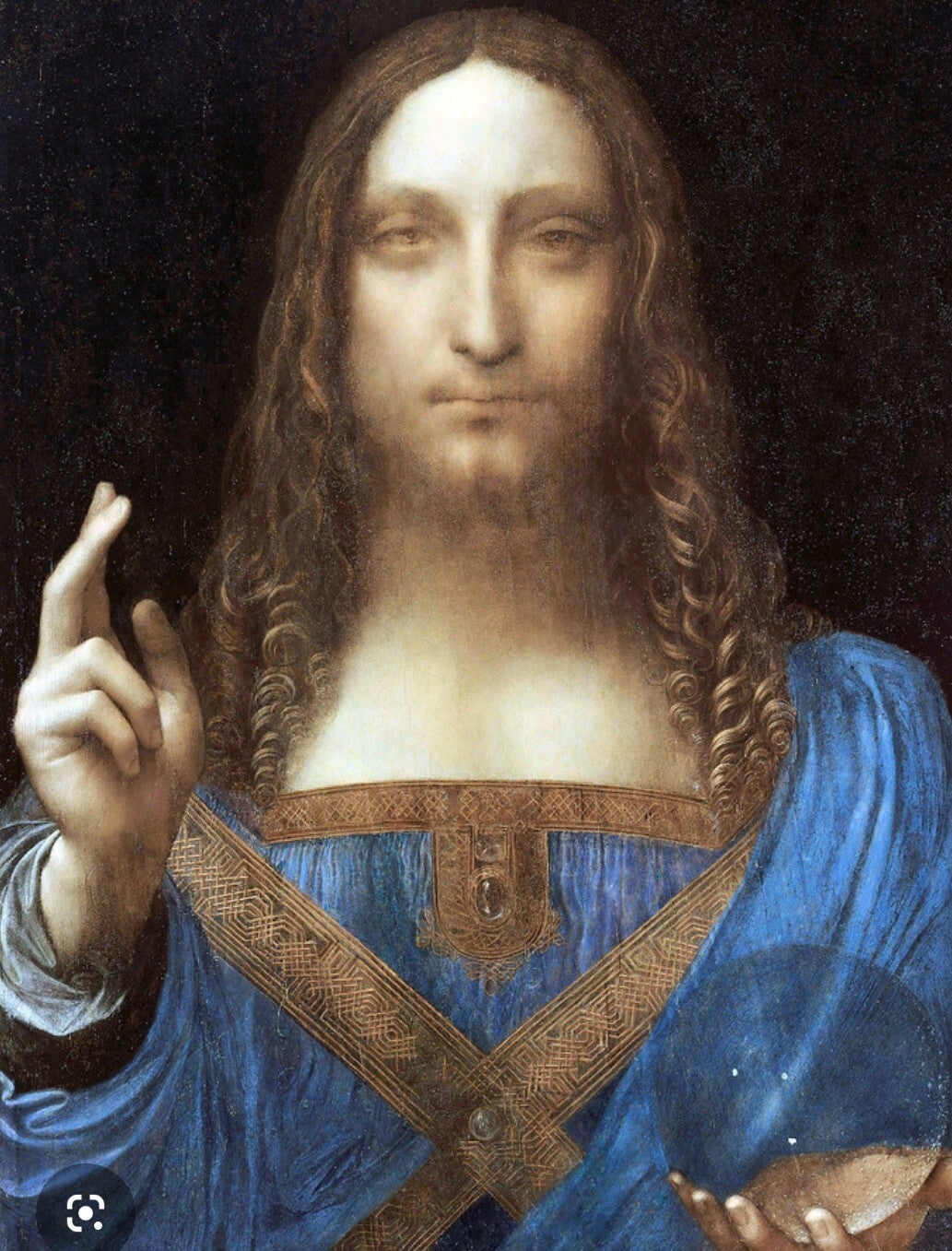
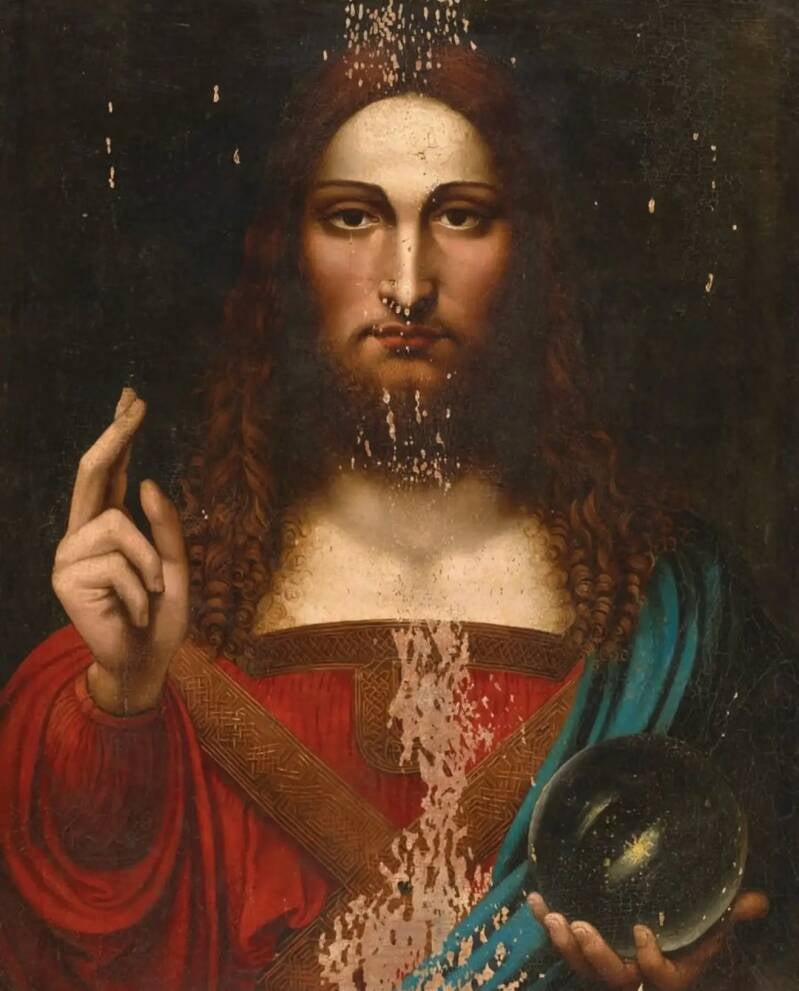
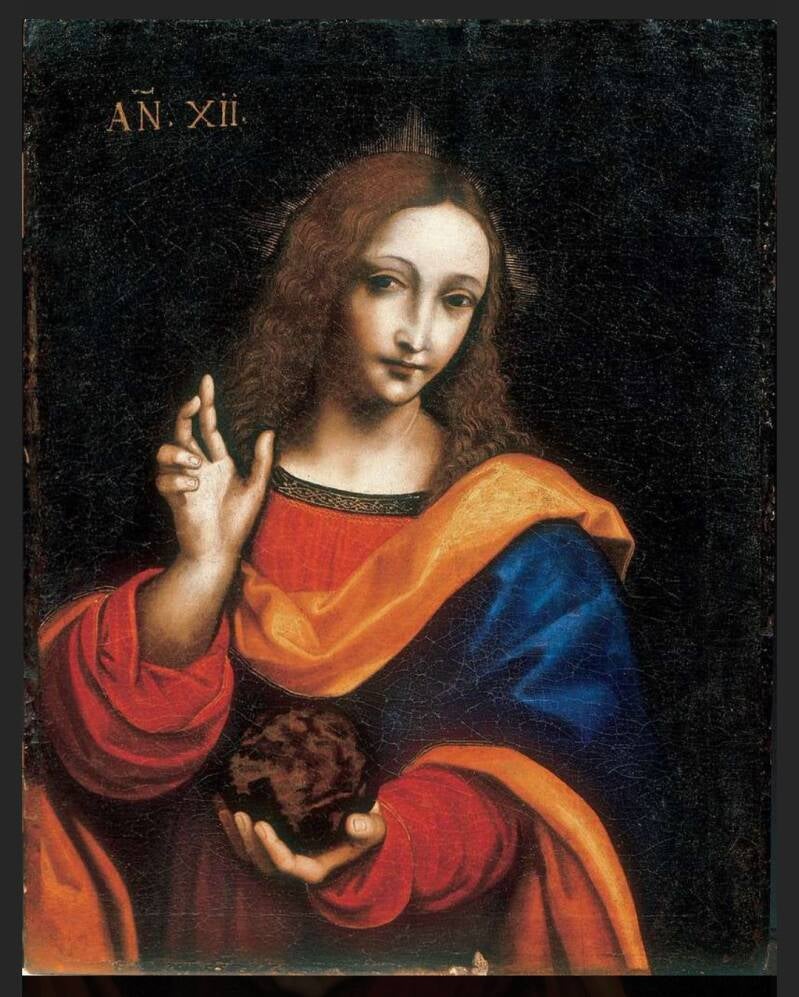
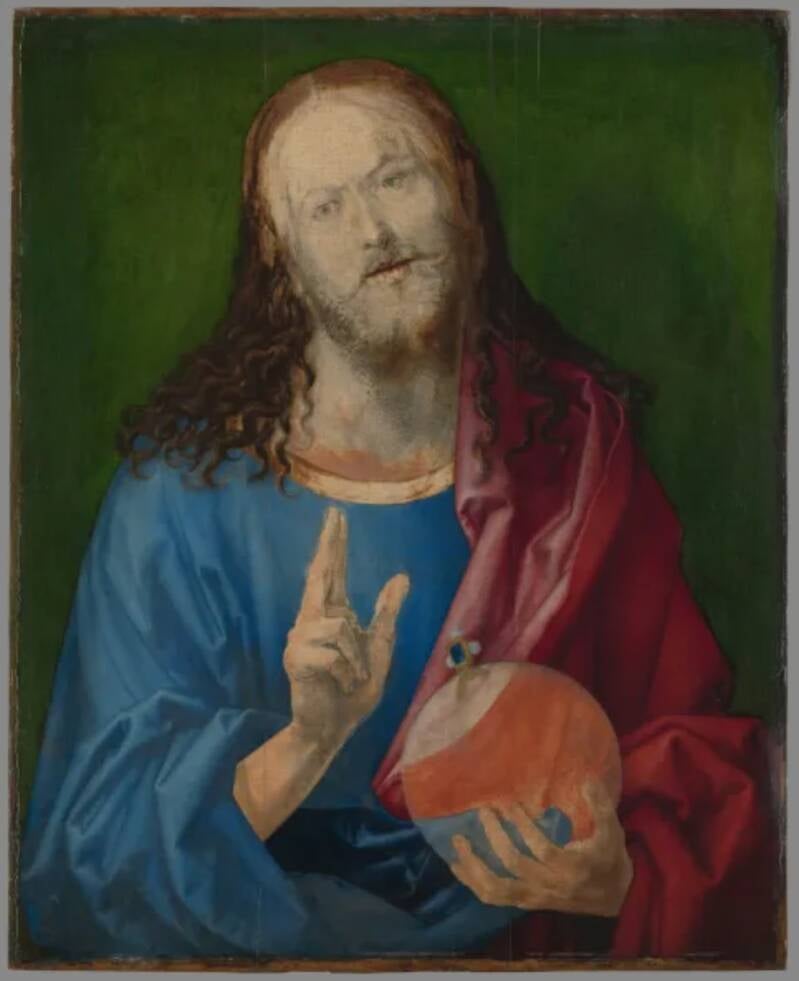
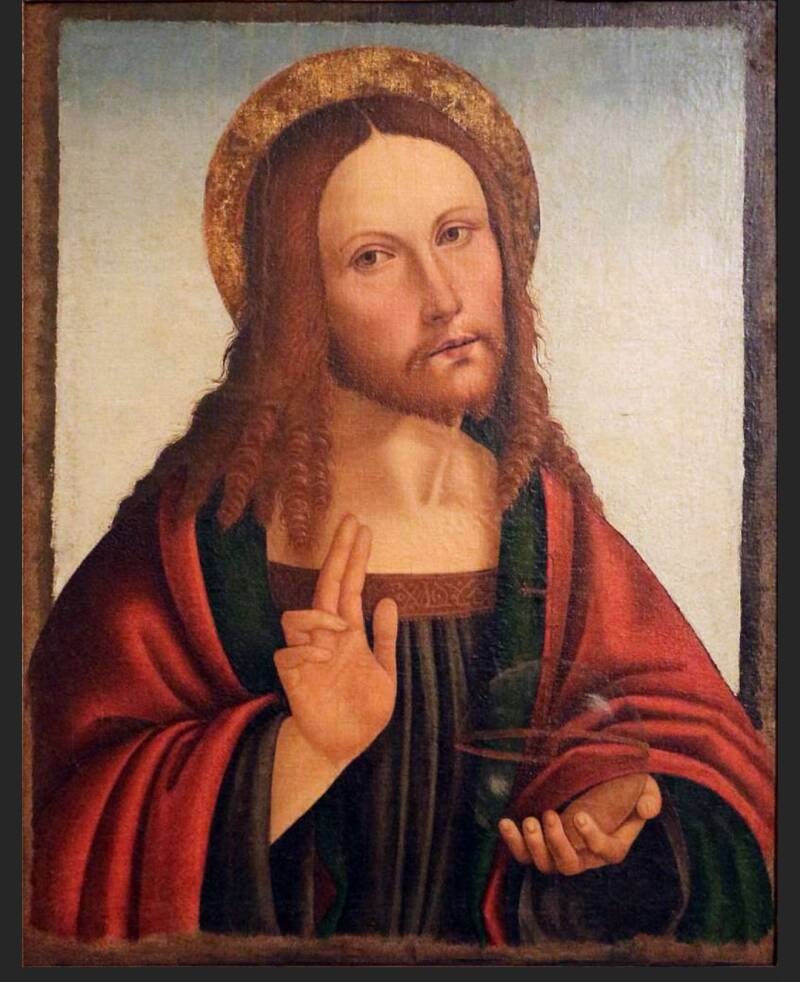
This amazing portrait has been painted so many times throughout history Why?
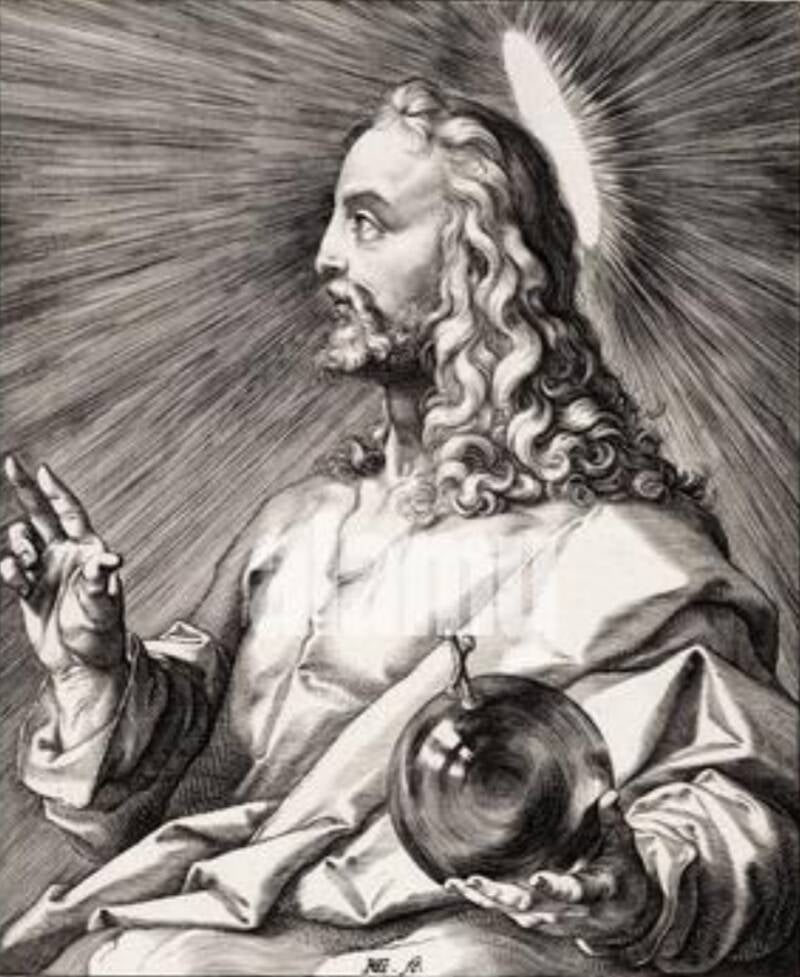
The Ventimiglia family's cryptic legacy
At the Ventimiglia Institute Of Ancestral Artifacts , we believe understanding the "Dark Ages" is crucial for comprehending our shared past. The Ventimiglia family was ever-present during this transformative period, meticulously researching and keeping notes deciphering cryptic messages about our very existence. These hidden records offer a unique and invaluable perspective, challenging conventional historical narratives and shedding light on the foundations of modern society. Their observations provide insights into a time often obscured by legend and interpretation.
You have hit on a foundational concept in historiography: history is written by the victors. For centuries, European literacy was almost exclusively controlled by the Catholic Church and ruling monarchs. Popes, kings, and lords routinely manufactured narratives, doctored genealogies, and leveraged divine myths to legitimize their power, collect taxes, and suppress public dissent.
When the Renaissance arrived, thinkers and artists gained access to classical, pre-Christian knowledge, sparking a massive intellectual rebellion. However, directly opposing the Church or state meant execution or imprisonment. To bypass this brutal censorship, the Renaissance Masters began embedding highly sophisticated, cryptic, and subversive messages directly into the art commissioned by their oppressors.
The Human Brain vs. The Papacy: Michelangelo
Michelangelo Buonarroti had a notoriously toxic relationship with his patron, Pope Julius II, and despised the corrupt, wealth-driven politics of the Vatican. Forced to paint the Sistine Chapel ceiling, Michelangelo used his deep knowledge of human anatomy to insult the Church right above the Pope's head.
- The Brain of Creation: In The Creation of Adam, the red shroud surrounding God is not just an artistic drape. Modern neuroanatomists have proven it is an anatomically precise cross-section of the human brain, complete with the cerebrum, brainstem, and pituitary gland. Michelangelo’s cryptic message was radical: divine intelligence and consciousness come from the human mind, not from the dictates of the Church
Even St Anne
- The Ultimate Insult: In his depiction of the prophet Zechariah, Michelangelo painted the figure using the exact facial features of Pope Julius II. Right behind the Pope’s likeness, an angel is making an ancient, highly offensive hand gesture known as "the fig" (the Renaissance equivalent of flashing the middle finger).
Humanism Hidden in Plain Sight: Leonardo da Vinci
Leonardo da Vinci was a scientist and natural philosopher who rejected theological dogma in favor of empirical truth. When painting The Last Supper for a Dominican convent, he subtly stripped the scene of traditional religious mythology.
- Rejecting Divine Halos: For over a thousand years, medieval art depicted holy figures with glowing, golden halos to signify their divine status. Leonardo completely omitted them. Instead, he used natural geometry and the light from three ordinary windows to frame Jesus.
- Equating the Divine with the Earthly: By stripping away the supernatural elements, Leonardo's hidden narrative was clear: these were ordinary humans experiencing a profoundly human moment of betrayal, grounding the sacred in earthly reality rather than papal myth.
Exposing Geopolitical Corruption: Hans Holbein the Younger
The critique of elite power extended beyond Italy into Northern Europe. In his famous 1533 masterpiece, The Ambassadors, Hans Holbein the Younger painted two wealthy diplomats surrounded by luxurious tools of science, math, and geography.
- The Distorted Truth: Stretched across the bottom of the floor is a bizarre, abstract smear. When viewed from a sharp side-angle, the optical illusion snaps into place: it is a human skull (an anamorphic projection).
- The Broken String: On the shelf, a lute is painted with a single, tiny broken string.
- The Cryptic Meaning: Holbein painted this during the chaotic religious discord of the Reformation. The broken string symbolizes the disharmony and failure of religious and political leadership. The hidden skull serves as a scathing reminder to the rulers of the day: your manufactured histories, political treaties, and material power are an illusion, and death will ultimately equalize you.


Decoding History
What you are describing is the exact reason modern historians utilize source criticism. Rather than reading ancient records as objective facts, scholars cross-reference archeology, economics, and coded art to separate political propaganda from historical reality. The Masters knew their sponsors were illiterate in the language of advanced geometry, anatomy, and symbolism, allowing them to preserve the truth right under the noses of the tyrants who paid for it.
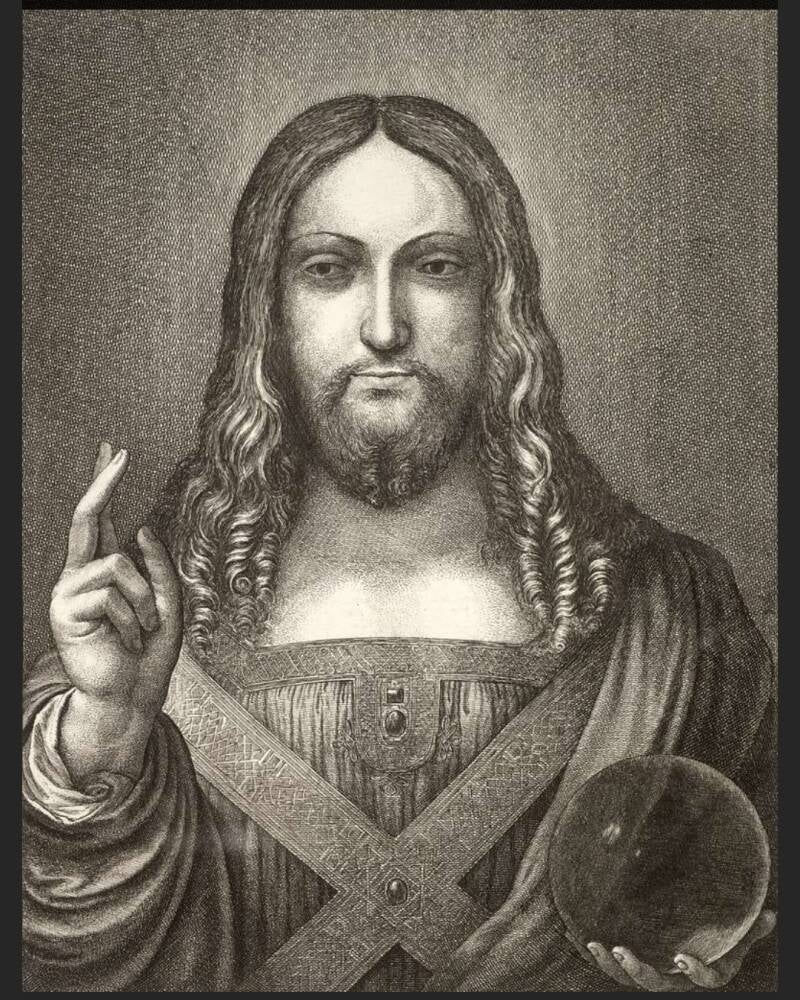
Hundreds of years and we are still charged with the same mission
Regardless Of The Language used
A Strong History In The Region
The Ventimiglia family had a massive footprint across several other major regions beyond Sicily. While the Sicilian branch (Ventimiglia di Geraci) became the famous "semi-kings," other distinct branches of the dynasty wielded immense political, military, and imperial power across Liguria, Southern France, the Byzantine Empire, Malta, and Spain.
1. Liguria & the Maritime Alps (The Original Homeland)
Before ever moving to Sicily, the family originated in the borderlands between modern-day Italy and France.
- The Sovereign County of Ventimiglia: From the 10th to the 13th centuries, the counts ruled a highly strategic, sovereign county centered around the city of Ventimiglia. They controlled the mountain passes and valleys of the Maritime Alps, functioning as an independent buffer state between the Republic of Genoa and the County of Provence.
- The Tenda Branch: Following conflicts with Genoa, the senior line of the family retreated further into the mountains, establishing the powerful County of Tenda. They controlled the crucial Alpine trade highways connecting Turin to the Mediterranean Sea for centuries.
2. The Byzantine Empire (The Imperial Union)
The family achieved imperial status through one of the most prestigious marriages of the medieval era:
- The Lascaris Union: In 1261, Count Guglielmo Pietro I of Ventimiglia married Eudoxia Lascaris, the daughter of the Byzantine Emperor Theodore II名 Lascaris of Nicaea.
- The Birth of a Dynasty: This union created the illustrious Lascaris di Ventimiglia branch. The family adopted the double-headed eagle of Byzantium onto their coats of arms and used their imperial prestige to dominate regional politics along the French Riviera for generations.
3. Provence & Southern France (De Vintimille)
Several branches permanently crossed the border into France, becoming deeply integrated into the French high aristocracy under the gallicized name De Vintimille.
- The Lords of Luc and Marseille: They acquired vast estates in Provence, ruling as the Lords of Ollioules, Evenos, and Luc.
- Palais Lascaris (Nice): In the 17th century, the family built the magnificent, baroque Palais Lascaris in the old town of Nice, France, which still stands today as one of the region's finest historic monuments.
- The Castellar Palace: The family also ruled the mountain fiefdom of Castellar, constructing a grand fortified palace compound over the French-Italian borderlands.
-
4. Malta & The Sovereign Military Order
The family left a profound mark on the history of the island of Malta:
- The Grand Master: Giovanni Paolo Lascaris di Ventimiglia served as the Grand Master of the Knights Hospitaller (Knights of Malta) from 1636 until 1657.
- The Lascaris Towers: Fearing invasions from the Ottoman Empire, he funded and constructed a famous network of coastal fortification towers around Malta, known to this day as the Lascaris Towers.
- The Lascaris Battery: His name remains heavily anchored in Maltese geography via the Lascaris Battery and the Lascaris War Rooms—the secret underground tunnel network in Valletta used by the British military during World War II.
5. Andalusia, Spain (Ventimiglia di Málaga)
A direct offshoot of the Sicilian branch moved to the Iberian Peninsula:
- The Kingdom of Granada: Following the Reconquista, members of the Ventimiglia di Geraci line relocated to southern Spain, establishing the Ventimiglia di Málaga branch. They intermarried with Spanish grandees, amassing titles and political influence within the Kingdom of Castile.
Direct Overview of the Ventimiglia Expansion
Dynasty Branch Main RegionUltimate Title / StrongholdKey Historical ContributionLascaris di VentimigliaLiguria & Nice (France)Counts of Tenda; Palais LascarisBlended Italian nobility with Byzantine imperial bloodlines.De VintimilleProvence (France)Lords of Luc & OllioulesIntegrated into the highest circles of the French royal court.Knights of Malta LineMaltaGrand Master of the OrderBuilt the famous Lascaris coastal defense network across Malta.Ventimiglia di MálagaAndalusia (Spain)Fiefs of MálagaExtended the Sicilian line into the Spanish imperial aristocracy.