Sumerians: Pioneers Of Civilization
Explore the world of the Sumerians, where the first urban civilization began. Discover their pioneering contributions to city-building, governance, and writing as we uncover the roots of modern society. Join our journey through time and be inspired by the stories of this ancient culture.
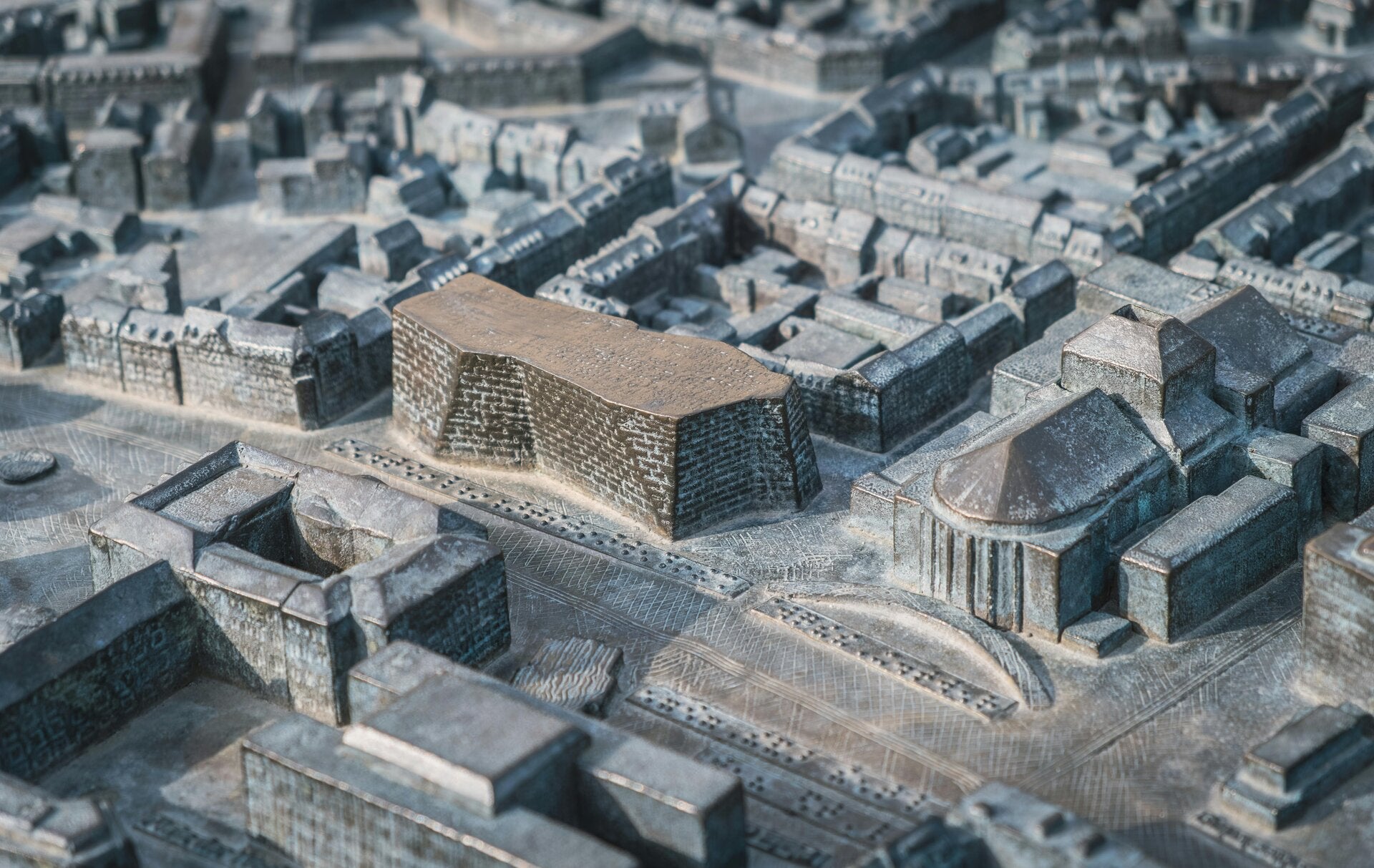
A head start in urban development
The Sumerians were among the first to develop urban cities around 4500–4000 BCE. These early settlements evolved into thriving metropolises like Uruk. Discover how these city-states laid the groundwork for the modern urban landscape.

Influence on ancient Egypt
Explore the connections between Sumer and Egypt, where Sumerian technology and culture influenced the development of Egyptian civilization. Compare their architectural and governmental achievements to understand their impact across history.
Ancient Mesopotamia and Egypt were connected by an intricate network of overland and maritime trade routes known collectively as the Interregional Trade Network of the Ancient Near East. Because neither civilization possessed all the natural resources they needed, they relied heavily on each other and intermediate cultures to exchange goods.
Here is how these two superpowers connected, along with the specific routes and items they traded.
1. The Main Trade Routes
[Egypt / Nile Delta] │ ▼ (Via the Levant / Mediterranean Coast) [The Via Maris / King’s Highway] ◄───► [Syria / Levant Crossroads] │ ▼ (Following the Euphrates River) [Ancient Mesopotamia]
The Via Maris (The Way of the Sea)
This was the most critical overland highway in the ancient world.
- The Route: It began in the Egyptian Nile Delta, crossed the northern Sinai Peninsula, hugged the Mediterranean coast up through modern-day Israel, Palestine, and Lebanon, and then turned inland toward Syria.
- The Connection: Once traders reached Syria, they connected directly with the Euphrates River, allowing them to float goods straight down into the heart of Mesopotamia.
The King's Highway
This was a secondary, more easterly overland route.
- The Route: It ran parallel to the Via Maris but sat further inland, cutting through the rugged highlands of modern-day Jordan and Damascus.
- The Purpose: It was heavily used for transporting luxury bulk items like frankincense and myrrh coming out of the Arabian Peninsula toward both Egypt and Mesopotamia.
Maritime (Sea) Routes
While overland travel was common, it was incredibly slow and dangerous due to bandits.
- The Route: Egyptian ships would sail north up the Mediterranean coast to ports in Phoenicia (modern Lebanon), such as the ancient city of Byblos.
- The Connection: From Byblos, goods were unloaded and carried inland via donkey caravans to Mesopotamian trading hubs like Mari and Carchemish.
2. What Goods Were Exchanged?
Because Egypt was rich in gold and agriculture, and Mesopotamia was a hub for advanced manufacturing and rare eastern minerals, the trade was highly lucrative.
- From Egypt to Mesopotamia:
- Gold: Egypt was the primary source of gold in the ancient world, mined from its eastern deserts and Nubia.
- Grain & Papyrus: Egypt's agricultural surplus and unique writing material were highly prized.
- Linen & Alabaster: Fine Egyptian textiles and beautifully carved stone vessels.
- From Mesopotamia to Egypt:
- Lapis Lazuli: This deep-blue gemstone was the ultimate luxury item in Egypt (famously used on King Tut’s death mask). It actually originated in Afghanistan, but Mesopotamians controlled the trade routes that brought it west.
- Silver and Tin: Mesopotamia sourced tin from the east to make bronze, which Egypt desperately needed for weapons and tools.
- Wool and Textiles: Mesopotamian woven fabrics were highly sought after for their intricate dyes and patterns.
3. The "Donkey Caravans" and Diplomacy
Before the domestication of the camel (which didn't happen reliably until around 1000 BCE), all overland trade between Sumer/Mesopotamia and Egypt relied entirely on donkeys and human foot traffic.
Traders traveled in massive caravans for protection. A typical trip between the two regions could take several months. Because of the distance, rulers also used these trade routes to exchange diplomatic letters and royal gifts (a system well-documented in the historical Amarna Letters), frequently complaining to one another if the gold or lapis lazuli sent was of poor quality!

The first empire in Mesopotamia
While the Sumerians built powerful city-states, it was Sargon the Great of Akkad who unified them into the first known empire around 2334 BCE. Learn about this pivotal moment in history and its significance in shaping future empires.
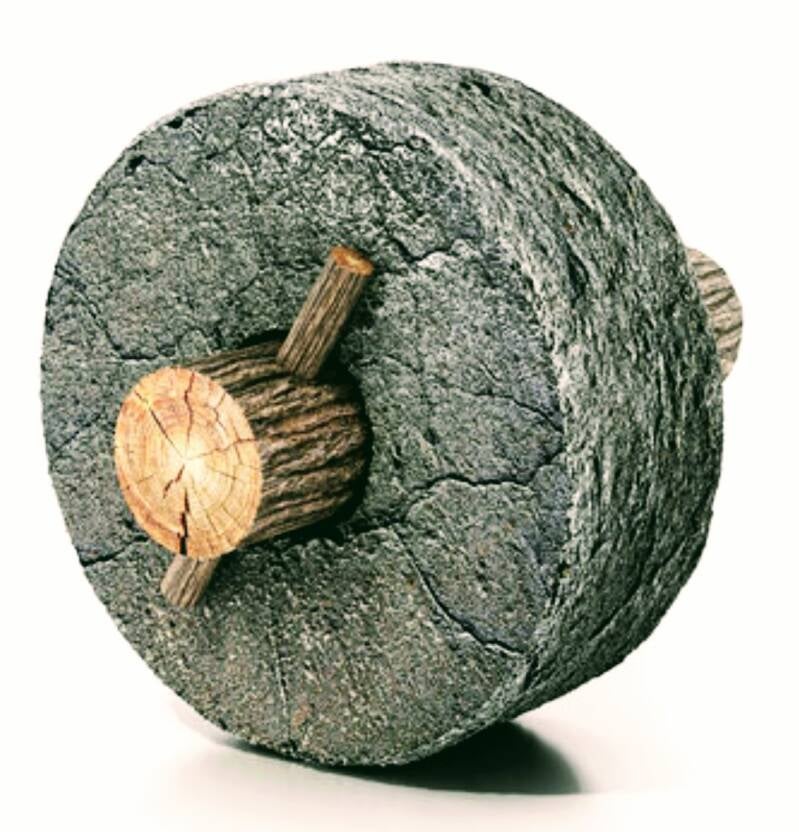
The Wheel🛞
The invention of the wheel in Mesopotamia completely revolutionized ancient trade by allowing humans to move drastically heavier loads over longer distances for the first time in history.
Before the wheel, trade was limited to what a human or a pack animal could carry on their back. The wheel smashed this logistical bottleneck.
1. The Surprising Origin: Pottery, Not Carts
Contrary to popular belief, the wheel was not invented for transportation.
- The First Wheel (c. 3500 BCE): Mechanized wheels first appeared in Sumer (southern Mesopotamia) as potter's wheels. Potters used them to spin clay, mass-producing ceramic storage jars.
- The Pivotal Shift (c. 3200 BCE): Someone realized that if you flipped the wheel vertically and attached it to an axle, it could roll. The oldest evidence of wheeled vehicles appears on Sumerian clay tablets and in burials, showing solid wooden wheels attached to four-wheeled carts.
2. How the Wheel Changed Trade Logistics
The impact on early trade was immediate and profound, transforming the economy in three main ways:
From Pockets to Tons
Before the wheel, a donkey could carry roughly 100 to 130 pounds in saddlebags. By hitching two donkeys to a wheeled cart, those same animals could suddenly pull up to 1,000 pounds of goods. The capacity of a single trade caravan multiplied overnight.
Bulk Goods Became Feasible
Previously, long-distance trade was strictly limited to lightweight, ultra-luxury items like gold, spices, and gems. The wheel allowed Mesopotamians to transport heavy, bulky, low-value necessities across the region, including:
- Massive stone blocks for building
- Tons of grain and agricultural surpluses
- Thousands of heavy ceramic jars filled with beer, oil, and wine
- Timbers and metals
Infrastructure and Road Networks
Carts cannot easily roll over sand, thick mud, or jagged rocks. To make use of their new invention, Mesopotamian city-states had to build and maintain the world’s first rudimentary rutway networks and packed-dirt roads. This infrastructure stabilized trade routes and made travel times much more predictable.
3. The Limits of the Mesopotamian Wheel
While revolutionary, the earliest wheels had major engineering drawbacks that kept them from completely taking over the world:
- They Were Heavy: Sumerian wheels were solid wood, made by pinning three thick planks together and cutting them into a circle. They were incredibly heavy and easily cracked.
- No Spokes: The lightweight, spoked wheel wasn't invented until around 2000 BCE (by cultures further north), which later led to fast war chariots.
- The Terrain Problem: Carts were excellent for flat Mesopotamian plains, but useless in the steep, rocky mountains of Iran or the deep sands of the Egyptian desert. Because of this, donkey caravans still did the heavy lifting for long-distance, cross-border trade to Egypt.
The Annunaki
1. The Factual History: When They Appeared in Written Texts
In actual archaeology and history, the Anunnaki are not physical beings, but the primary pantheon of gods worshipped by the ancient Mesopotamians. Their name roughly translates to "those of royal blood" or "offspring of An" (the sky god).
- First Written Appearance (c. 2144–2124 BCE): The literal word Anunna first appears on clay tablets during the Third Dynasty of Ur, specifically in the inscriptions of the Sumerian King Gudea.
- The Epic of Gilgamesh (c. 1200 BCE): By this era, the Anunnaki are heavily featured in literature, famously appearing as the seven judges of the Underworld who weep during the Great Flood.
- Religious Lifespan: They "appeared" in human belief systems starting around 4,000 years ago and were continuously written about until the Seleucid period.
2. The Pop-Culture Theory: The "Ancient Astronaut" Timeline
If you have heard that the Anunnaki were aliens who came to Earth to mine gold and genetically engineer humans, you are looking at a modern myth. This highly popular theory was created in 1976 by an author named Zecharia Sitchin in his book, The 12th Planet.
While mainstream scholars and linguists state that Sitchin's translations of the clay tablets were completely incorrect, his fictional timeline has become a massive pop-culture phenomenon:
- 450,000 Years Ago: According to Sitchin's theory, the Anunnaki arrived on Earth from a hidden planet named Nibiru during an Ice Age. They allegedly landed in Mesopotamia to establish a base camp to mine gold to fix their planet's atmosphere.
- 300,000 Years Ago: The theory claims that the lower-ranking alien workers revolted against the heavy labor. To solve this, the Anunnaki scientist Enki supposedly mixed alien DNA with native hominids (Homo erectus), creating Homo sapiens to serve as a workforce.
- 30,000 Years Ago: The timeline states that the Anunnaki stopped ruling humans directly, passing kingship down to human lineages.
- 4,000 Years Ago: Sitchin claimed the aliens finally left Earth, leaving behind the Sumerians, who wrote down their memories of these "gods" on clay tablets
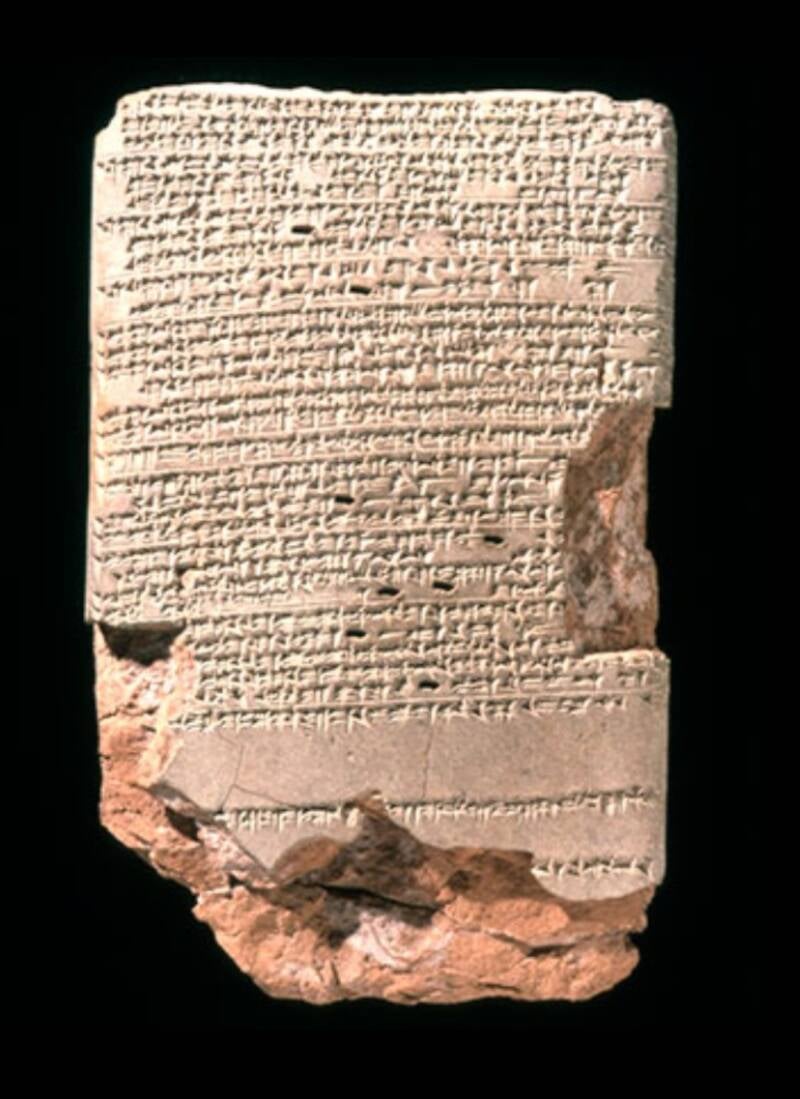
"keep in mind at a time when nobody could write and nobody could read and if you wrote something only a handful of people in the entire Kingdom know what it said" "fast forward to day and everybody thinks they know everything all of the sudden it can be understood" At the House of Ventimiglia Institute Of Ancestral Artifacts "We call that white lab coat syndrome" "A deep desire to explain everything you see without considering actual evidence"
🏺Archaeological evidence⛏️
of the gods the Sumerians worshipped, or physical proof of the ancient alien theories.
While there are thousands of genuine artifacts showing how the Sumerians visualized their gods, there is zero scientific or physical evidence supporting the modern sci-fi narrative of extraterrestrial visitors.
1. The Real Archaeological Evidence (The Sumerian Perspective)
The Sumerians left behind an abundance of physical evidence detailing their belief in the Anunnaki. To the Sumerians, the gods were invisible, extraordinarily powerful cosmic entities. They built thousands of stone statues and clay reliefs to give these gods a physical home on Earth.
Genuine physical evidence includes:
- The Statue of Ea (Enki): On display at the Iraq Museum in Baghdad, this artifact dates back to the Old Babylonian period. It depicts the Anunnaki god Enki sitting on a throne, flanked by mythical half-man, half-fish creatures (apkallu).
- Cylinder Seals: These are small, intricately carved stone cylinders used like signature stamps. Dozens of them depict individual Anunnaki deities, such as Enki represented with streams of water and fish flowing from his shoulders, or the sun god Shamash stepping over mountains.
- The Ninurta Relief: A famous Assyrian stone wall relief from the Temple of Ninurta at Kalhu (modern Nimrud) shows the god Ninurta wielding thunderbolts as he chases a demon.
- The Ziggurats: The massive, stepped mud-brick pyramids found across Iraq (like the Great Ziggurat of Ur) are physical monuments built specifically as holy residences for the Anunnaki.
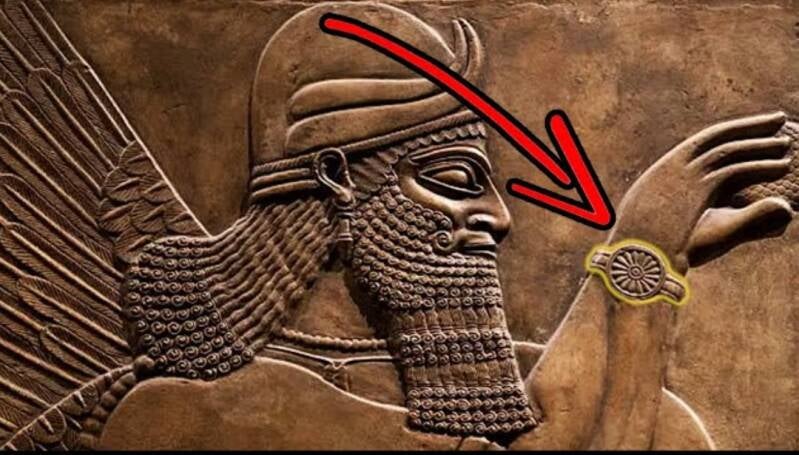
2. Misinterpreted "Alien Evidence" in Pop Culture
Alternative history and "ancient astronaut" theories heavily rely on real Sumerian artwork but assign them entirely fictional meanings. Scholars and linguists have thoroughly tried to debunked these interpretations but just can't get there, so they create their own narratives claiming they alone can read and interpret ancient artifacts writings and themes:
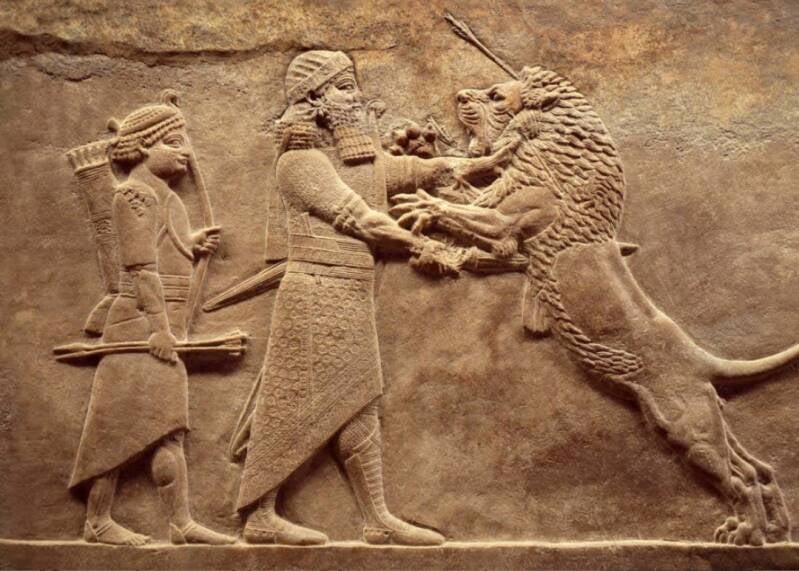
The "Giant holding a lion" Relief
- The Claim: A massive stone wall relief from the Palace of Khorsabad shows a giant towering over a lion, holding it like a small housecat. Theorists claim this proves the Anunnaki were literal giants.
- The Reality: This is an ancient artistic convention called hieratic scale, where rulers or legendary figures (often identified as King Sargon II or Gilgamesh) were drawn drastically larger than animals or commoners to visually symbolize their massive spiritual power, strength, and authority. There bones have been found and every time they surface they are whisked away and hidden somewhere to preserve the narrative of humanity that religion is trying to establish
Cylinder Seal VA 243
- The Claim: Author Zecharia Sitchin pointed to a cluster of dots in the corner of this 4,500-year-old Akkadian seal, claiming it showed the sun surrounded by 11 planets, proving the Anunnaki possessed advanced astronomical knowledge.
- The Reality: Standard Mesopotamian iconography confirms the central symbol is a star, not the sun. Furthermore, the text written on the seal has been completely translated by modern scholars; it is simply a personal letter to a man named Ilat-brat and mentions nothing about space or planets but we keep in mind religious leaders are constantly rewriting their own narratives to fit their own timeline of humanity.
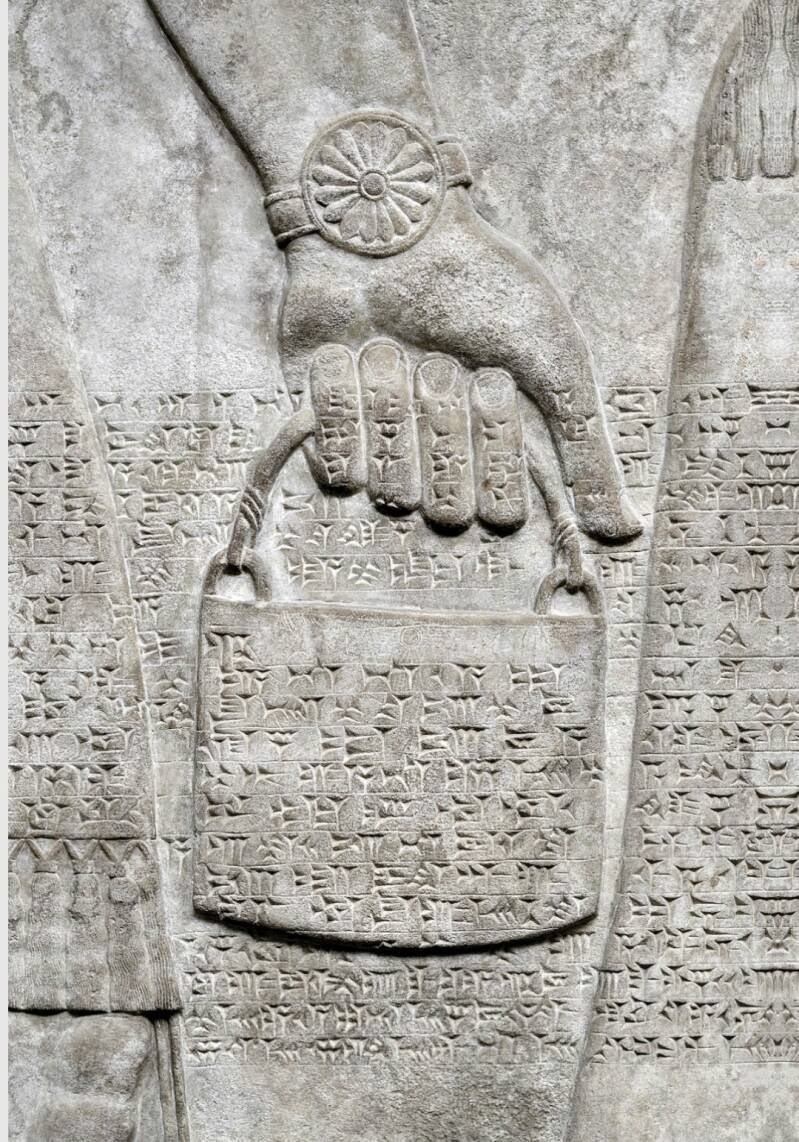
The "Mysterious Handbags"
- The Claim: Many carvings show gods holding small, square baskets, which internet theorists claim are "alien power devices" or genetic engineering kits. Meant to hold the Holy Grail and Shamir
- The Reality: Cuneiform texts explain these are banduddû, standard ritual buckets filled with holy water used to slow the radio Isotopes
Every piece of physical evidence uncovered by archaeology confirms that there was a culture known as the Anunnaki not just the mythological framework of an ancient human religion, not a physical race of extraterrestrial visitors will be recognized as long as religion is involved with archeology .
The Sumerians strongly believed
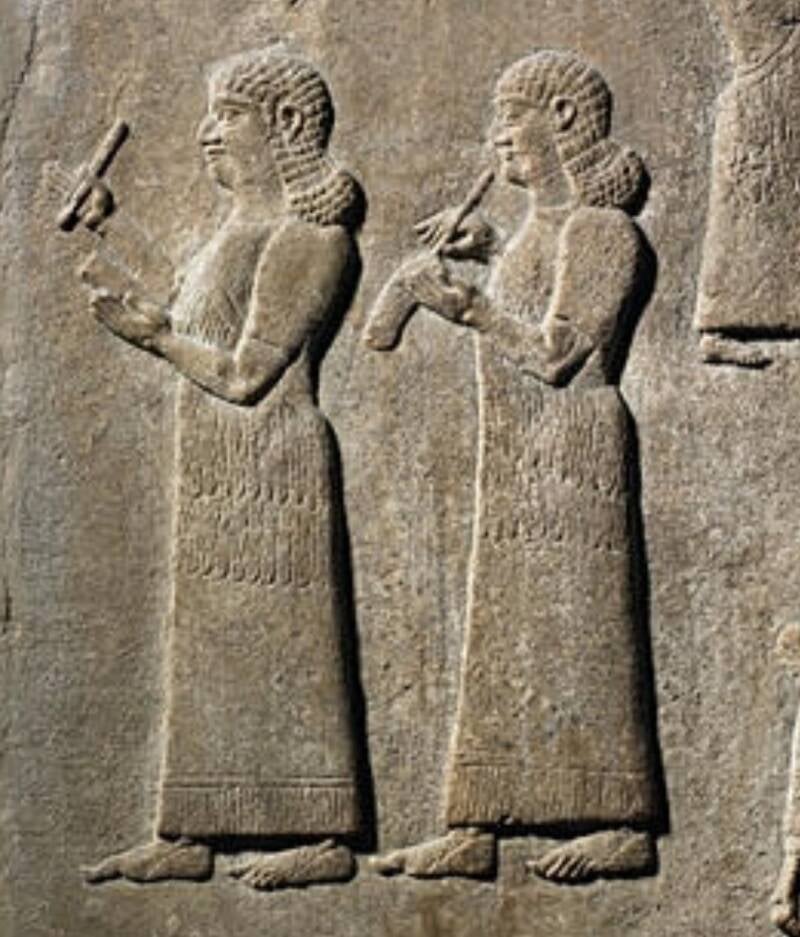
To the Sumerians, the Anunnaki were not distant or abstract concepts; they were the literal, living forces of nature. The Sumerians believed that the universe was a highly organized cosmic state, and the Anunnaki were the royal rulers, judges, and administrators governing it.
Their relationship with these gods was defined by a system of absolute service, cosmic order, and deep existential fear.
1. The Purpose of Humanity: To Be Servants
The core of Sumerian belief regarding the Anunnaki is laid out in their creation myths, such as the Enuma Elish and the Atrahasis.
According to these texts, the universe was originally ruled by two tiers of gods: the high-ranking Anunnaki and the lower-ranking Igigi.
- The Labor: The Igigi were forced to do all the hard work of digging canals, farming the land, and maintaining the Earth. After 3,600 years, the Igigi rebelled, burned their tools, and surrounded the palace of the chief gods.
- The Solution: To resolve the strike, the Anunnaki god Enki suggested creating a new creature to take over the heavy labor. He mixed clay with the blood of a sacrificed god to create human beings.
- The Takeaway: The Sumerians believed humans were explicitly manufactured to be a workforce. Humanity's entire purpose on Earth was to feed, clothe, and build homes for the Anunnaki so the gods could rest.
2. Feeding and Housing the Deities
Because the gods had physical needs like humans, Sumerian religious life revolved around keeping them comfortable.
- The Temples (Ziggurats): Every Sumerian city-state was considered the literal private estate of a specific Anunnaki god (for example, the city of Ur belonged to Nanna, the moon god). The giant ziggurats were built as luxury penthouses for the gods to stay in when they visited Earth.
- The Daily Rituals: Priests treated the statues of the Anunnaki inside the temples like living royalty. Every single day, the statues were dressed in fine linens, heavily perfumed, and served two massive meals of meat, bread, beer, and fruit. After the god "spiritually consumed" the essence of the food, the physical leftovers were eaten by the priests and the king.
3. The Concept of Me (The Divine Blueprint)
The Sumerians believed the universe ran on a strict set of unchangeable cosmic laws called the Me (pronounced "may").
The Me were a collection of divine decrees that kept civilization functioning. They included physical things like the art of writing, weaving, and metallurgy, but also abstract concepts like law, kingship, warfare, truth, and even prostitution. The Anunnaki controlled these blueprints. If a city-state followed the Me, the Anunnaki blessed them with wealth and victory. If they ignored them, the gods withdrew their protection, leading to chaos and destruction.
4. A Religion of Fear and Uncertainty
Unlike modern religions that promise a peaceful afterlife, the Sumerian relationship with the Anunnaki was driven by anxiety.
- Unpredictable Gods: The Sumerians lived in a harsh environment where the Tigris and Euphrates rivers flooded violently and unpredictably, destroying entire cities. They believed these floods occurred because the Anunnaki were angry, moody, or simply throwing a tantrum.
- The Dark Afterlife: The Sumerians believed that regardless of whether you were a good person or a bad person, everyone went to the same underworld upon death: Kur (The Land of No Return). It was depicted as a dark, dusty, miserable cave where souls permanently ate dust and drank clay water, entirely separated from the light of the Anunnaki.
The Gods
1. The Core Anunnaki Gods: Enki and Inanna
The Sumerian pantheon was vast, but two figures stood out for their immense influence over human daily life, representing the balance between intellect and raw emotion.
Enki: The God of Wisdom, Water, and Clever Tricks
Enki (later known as Ea) was the lord of the Abzu—the deep, freshwater ocean beneath the earth. He was the ultimate problem-solver of the Anunnaki.
- The Scientist and Creator: Unlike other gods who ruled through brute force, Enki used intellect. He was the god of medicine, magic, and technology, credited with inventing writing and organizing the world's geography.
- Friend to Humanity: While the other gods often viewed humans as a noisy nuisance, Enki was our ultimate protector. Time and again, he stepped in to save humanity from the wrath of his brother, Enlil (the storm god).
- The Shape-Shifter: He was frequently depicted with streams of water filled with leaping fish flowing from his shoulders, symbolizing life, fertility, and the life-giving waters of Mesopotamia.
Inanna: The Goddess of Love, War, and Chaos
Inanna (later known as Ishtar) was the most complex and dynamic deity in the ancient world. She was the goddess of contradictions, ruling over both romantic passion and violent warfare.
- Ambition Personified: Inanna was fiercely independent and power-hungry. In one famous myth, she got Enki drunk and stole the Me (the blueprints of civilization) from him, bringing them back to her city of Uruk to make it the greatest city on Earth.
- The Morning Star: Associated with the planet Venus, she was ruthless to her enemies but fiercely protective of her chosen kings. Her temple priests were known for blurring gender roles, acting as a historical precursor to fluid gender expressions.
- The Descent to the Underworld: In her most famous myth, Inanna journeyed down to the realm of the dead to visit her sister, Ereshkigal. She was killed, stripped naked, and hung from a meat hook, but she was ultimately resurrected through a clever plan executed by Enki.
The Flood long before Noah
2. The Original Great Flood Myth (The Eridu Genesis)
Centuries before the Biblical Book of Genesis was written, the Sumerians carved the original story of a worldwide flood onto clay tablets.
Why the Gods Sent the Flood
In the Sumerian epic Atrahasis, humans had become incredibly successful and heavily populated the Earth.
- The Noise Complaint: The sheer noise of millions of humans screaming, laughing, and working kept the supreme Anunnaki ruler, Enlil, awake at night.
- The Death Sentence: Sleep-deprived and furious, Enlil convinced the council of the Anunnaki to wipe out humanity with a massive, catastrophic deluge. He made all the gods swear a sacred oath of absolute secrecy so no humans could be warned.
How Enki Broke the Rules
Enki sat on the council but refused to see his creations destroyed. To technically keep his oath of secrecy, he came up with a loophole. He traveled to the reed hut of a pious, good king named Ziusudra (also known as Utnapishtim in later Babylonian versions).
Instead of speaking directly to the king, Enki spoke to the wall of the hut while the king listened from the other side:
"Wall, listen to me! Reed wall, pay attention to my words! By our decree, a flood will sweep over the cult centers to destroy the seed of mankind... Build a massive boat."
The Storm and the Aftermath
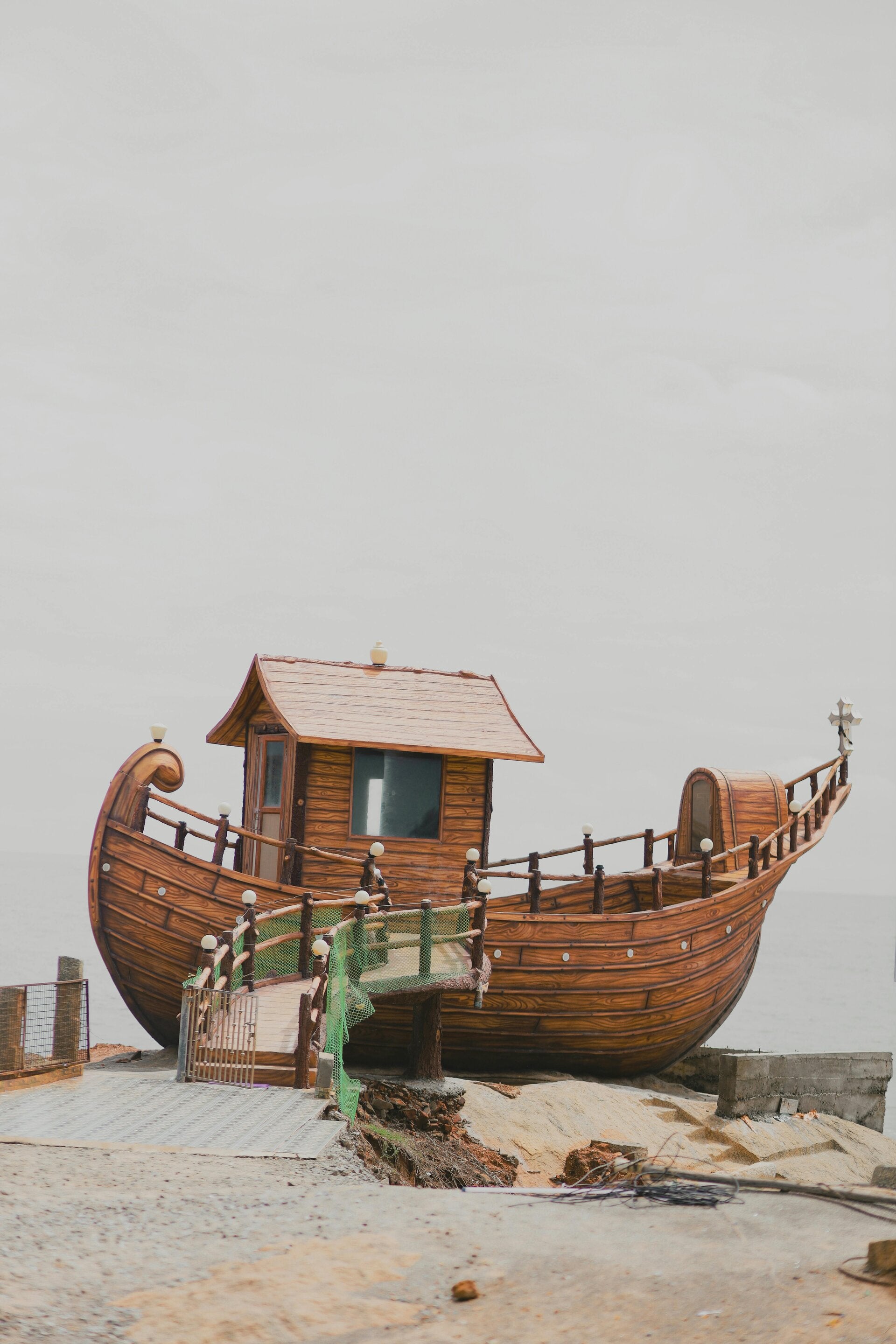
Ziusudra immediately built a gigantic, multi-level ark, sealing it with pitch and loading it with his family, skilled craftsmen, and pairs of all living creatures.
- Six Days and Nights: The storm raged with terrifying ferocity. The text notes that the storm was so violent that even the Anunnaki themselves cowered in fear, fleeing to the highest heavens.
- The Sacrifice: On the seventh day, the waters calmed, and the boat wedged onto a mountaintop. Ziusudra opened a window, stepped out, and immediately sacrificed a fat ox and sheep to the gods.
- The Compromise: The hungry Anunnaki, who had missed being fed by humans for a week, gathered around the sacrifice "like flies." Enlil was furious that someone survived, but Enki defended the king. Enlil relented, granting Ziusudra and his wife immortality, and settling them in the divine paradise of Dilmun.
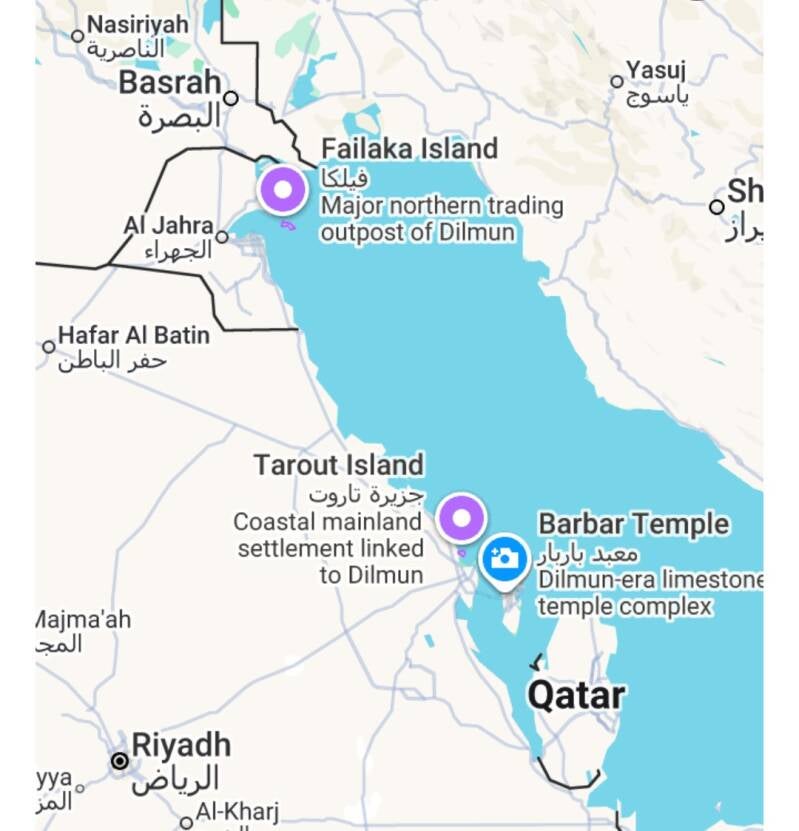
Dilmun The Garden of Eden?
Yes, historians and linguists widely consider Dilmun to be the primary mythological blueprint and literary inspiration for the Biblical Garden of Eden.
While Dilmun was a real, historical trading partner of Sumer (centered on the island of Bahrain and the eastern coast of Arabia), the Sumerians elevated it in their literature to a mythical, utopian paradise. The parallels between the Sumerian texts about Dilmun and the Book of Genesis are striking.
1. The Incredible Linguistic Connection
The most direct link is the literal word "Eden."
- In the ancient Sumerian language, the word Edin means "fertile plain" or "steppe."
- Scholars believe that Hebrew scribes centuries later adopted this Mesopotamian word to name their paradise: the Garden of Eden.
2. How the Sumerian "Eden" is Described
In the 4,000-year-old Sumerian poem Enki and Ninhursag, Dilmun is described with imagery that directly mirrors the biblical description of paradise:
- A Land of Purity: The text states, "The land Dilmun is pure, the land Dilmun is clean... most bright."
- No Sickness or Death: In Dilmun, lions do not kill, wolves do not carry off lambs, and humans do not age, get sick, or cry.
- The Miracle of Fresh Water: Originally, Dilmun was dry. The god Enki ordered the sun god to bring sweet, fresh water up from deep within the earth, transforming the island into a lush, green, fertile garden of the gods.
3. Key Parallels Between Dilmun and the Bible
FeatureThe Sumerian Dilmun MythThe Biblical Eden MythGeographyLocated "in the east" where the sun rises, at the mouth of the great rivers.Located "in the east," with a river branching into four streams (including the Tigris and Euphrates).Water SourceEnki brings up fresh subterranean waters to feed the lush garden.A mist/spring rises up from the earth to water the whole surface of the ground.Sacred PlantsThe mother goddess Ninhursag sprouts eight sacred, forbidden plants.God plants the Tree of Life and the Tree of Knowledge of Good and Evil.The Flood ConnectionZiusudra (the flood survivor) is granted immortality and sent to live forever in Dilmun.The narrative transitions from the loss of Eden directly into Noah's flood story.
4. Why an Island in the Persian Gulf?
Archaeologists have found that ancient Bahrain (historical Dilmun) was a dazzling oasis. While the surrounding Arabian Peninsula was harsh desert, Bahrain was unique because it sat directly on top of massive, artesian freshwater springs. Fresh water literally bubbled up out of the ground and even out of the seafloor.
To the Sumerians traveling by boat from the muddy rivers of Mesopotamia, arriving at a sun-drenched island flowing with crystal-clear, sweet water and filled with lush date palms felt like stepping straight into heaven. They revered the island so deeply that they shipped their most elite dead to be buried in the massive burial mounds of Bahrain for thousands of years.

A Closer Look
Here is a closer look at both the real-world archaeology of this ancient paradise and its most famous mythological crossover event.
For a long time, historians thought Dilmun was completely mythical. However, excavations starting in the 1950s confirmed that the island of Bahrain was the capital of a wealthy, highly advanced trade empire that controlled the Persian Gulf shipping lanes from roughly 2500 to 1800 BCE.
- The Qal'at al-Bahrain: This massive seaside archaeological site, today a protected UNESCO World Heritage site, served as the ancient capital and port city of Dilmun. Excavations revealed a heavily fortified city with a palace, warehouses, public squares, and standard weighting systems used for interregional trade.
- The Freshwater Pools: Archaeologists confirmed the ancient Sumerian descriptions of Dilmun's magical water source. Sites like the Barbar Temple in Bahrain were built directly over bubbling, subterranean freshwater springs. The temple featured elaborate stone stairs leading down into a sacred water chamber dedicated specifically to Enki, the god of sweet waters.
- The City of the Dead: Because Dilmun was considered sacred holy ground, thousands of people from across the ancient world paid to have their bodies shipped there for burial. The island is covered in the Dilmun Burial Mounds, a sweeping landscape of over 11,000 prehistoric burial towers dating back to 2200 BCE, creating one of the largest ancient cemeteries in the world.
In the famous Epic of Gilgamesh, the heroic king travels to Dilmun on a desperate quest for immortality after his best friend, Enkidu, dies. His journey directly connects the Sumerian "Garden of Eden" to the ultimate quest for eternal life.
Crossing the Waters of Death
Gilgamesh travels to the edge of the world, crosses the terrifying "Waters of Death" by boat, and arrives at the distant shore of Dilmun. There, he finds Utnapishtim (the Babylonian name for the Sumerian flood survivor, Ziusudra), who has lived in the paradise garden for centuries alongside his wife.
The Harsh Truth
Gilgamesh begs the old man for the secret to escaping death. Utnapishtim tells him the harsh truth of Mesopotamian reality: death is the immutable destiny of humanity, built into our design by the Anunnaki. He tells Gilgamesh:
"There is no permanence... Do we build a house to stand forever? Do we seal a contract to last for all time? From the days of old, there is no permanence."
The Test of Sleep
To prove Gilgamesh isn't worthy of eternal life, Utnapishtim challenges him to a simple test: stay awake for six days and seven nights. If he cannot even conquer sleep (the younger brother of death), how can he hope to conquer death itself? Gilgamesh fails instantly, falling asleep the moment he sits down.
The "Plant of Youth" Consolation Prize
Taking pity on the weeping king, Utnapishtim’s wife convinces her husband to give Gilgamesh a parting gift. Utnapishtim tells him a secret: hidden at the very bottom of the freshwater abyss surrounding Dilmun grows a magical, thorny plant called "The Old Man Becomes Young Again." It doesn't grant true immortality, but eating it restores a person's youth.
Gilgamesh ties heavy stones to his feet, sinks to the bottom of the sea, and plucks the magical plant.
The Tragic Ending
Gilgamesh sets off on the long walk home to his city of Uruk, planning to share the youth plant with his elders. However, while he is bathing in a cool, freshwater spring along the road, a snake smells the sweet fragrance of the plant. The serpent slithers out of the water, steals the plant, and immediately sheds its old skin as it slithers away—renewing its own youth while leaving humanity barren.
This heartbreaking ending perfectly bridges the Mesopotamian worldview with later stories: the concept of a magical garden, a plant that alters human mortality, and a deceptive serpent that robs humanity of a divine gift would all reappear centuries later in the Book of Genesis.

Babylonian
In 586 BCE, the Babylonian King Nebuchadnezzar II conquered Jerusalem, destroyed Solomon’s Temple, and dragged the Jewish elite, priests, and scribes into captivity in Babylon. This historical event, known as the Babylonian Exile, is where the stories of the Hebrew Bible were heavily compiled, edited, and finalized.
Surrounded by the towering ziggurats of Babylon and immersed in its massive cuneiform libraries, the captured Jewish scribes encountered highly sophisticated Mesopotamian epics. Instead of just ignoring these legends, the scribes brilliantly adapted and inverted them to forge their own identity and preach a revolutionary message.
[Mesopotamian Myths] [Hebrew Inversion in Babylon] Gods are moody & loud ───────► God is orderly & moral Humans are made as slaves ───────► Humans are made in God's image Destruction is arbitrary ───────► Destruction is based on justice
Reinterpreting the Creation (Enuma Elish vs. Genesis 1)
In the Babylonian creation epic, the Enuma Elish, creation is born out of a bloodsoaked, chaotic war. The god Marduk slaughters the primeval sea-monster goddess, Tiamat, and splits her corpse in half to create the earth and sky.
- The Adaptation: The Hebrew scribes took the linguistic root of Tiamat (Tehom, meaning "the deep" water) but completely removed the violent war. In Genesis, there is no cosmic battle. A single, supreme God effortlessly commands order out of the darkness simply by speaking.
Inverting Human Worth
In the Sumerian and Babylonian worldview, the Anunnaki engineered humans to be disposable slave labor so the gods could relax and eat.
- The Adaptation: The Jewish scribes radically inverted this narrative to comfort an enslaved people. In Genesis, humans are not low-tier servants created to feed a lazy deity. Instead, God creates the entire earth first as a gift for humans, and breathes His own life into them, declaring that mankind is made in the image and likeness of God.
Rewriting the Flood (Gilgamesh vs. Noah)
The scribes directly borrowed the architecture of the Mesopotamian flood myths—the pitch-covered ark, the nested levels, the mountaintop landing, and releasing the birds to find land.
- The Adaptation: In the Epic of Gilgamesh and Atrahasis, the gods wipe out humanity purely because humans were making too much noise and keeping Enlil awake at night. The destruction is a moody tantrum. The scribes rewrote this to introduce absolute morality. In Genesis, the flood is not a noise complaint; it is a tragic cosmic reset triggered entirely because the world had become corrupted by human violence and injustice.

While the scribes wrestled with ideas in Babylon, centuries earlier, real merchants were navigating the treacherous waters of the Persian Gulf, leaving behind a wealth of physical evidence that verified the grand trading network connecting Mesopotamia, Dilmun, and the far-off Indus Valley (modern-day Pakistan and India).
Archaeologists have unearthed incredible physical markers of this Bronze Age trade web:
The Distinct Round Dilmun Stamp Seals
While Mesopotamians used log-shaped cylinder seals, the merchants of Dilmun used highly distinct, circular soapstone stamp seals.
- The Discovery: Dozens of these exact round Dilmun seals have been excavated in the ancient ruins of Ur and Nippur (Iraq) as well as Lothal and Gujarat (India).
- The Meaning: These seals acted like corporate logos or customs stamps. A merchant would press their seal into soft clay over the knots of a shipping bundle to prove the package hadn't been tampered with while traveling across the sea.
The Official "Meluhhan" Interpreter Tablet
The Sumerians referred to the Indus Valley Civilization as Meluhha. Because the Indus people spoke a completely different language, trade required specialized professionals.
- The Artifact: Archaeologists discovered a famous 4,000-year-old Akkadian cylinder seal belonging to a man named Shu-ilishu. The text carved on it explicitly states his official job title: "Translator of the Meluhhan Language". It depicts him sitting down with an Indus trader perched on his lap, actively translating a business deal.
The King's "Tax Receipt" Tablets
In the ruins of the Mesopotamian city of Ur, archaeologists found the ancient equivalent of a corporate file cabinet: clay tablets listing custom imports.
- The Artifact: One tablet records a massive shipment arriving via Dilmun boats, detailing tens of thousands of pounds of "sweet wood" (timbers), copper ingots, ivory, and lapis lazuli beads. It even shows the royal tax percentage deducted from the merchants by the temple priests before the goods could enter the local markets.
The historical timeline is a continuum: Dilmun was the physical paradise of Bronze Age global trade, which the Sumerians elevated into myth. Centuries later, when the Jewish people were exiled into that very same Mesopotamian landscape, they beautifully wove those ancient myths into the opening pages of our modern cultural history
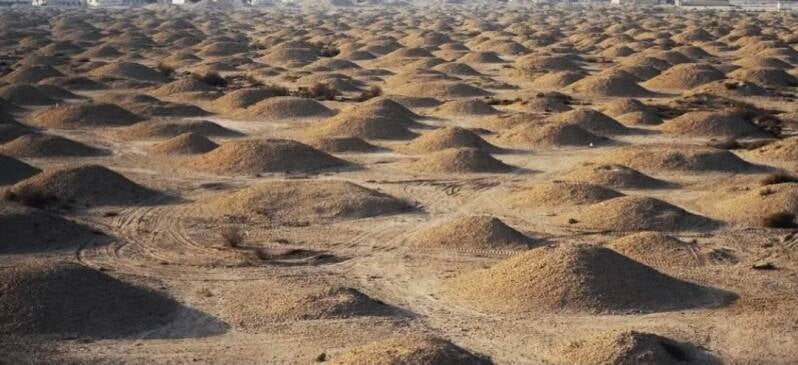
Dilmun Burial Mounds
The Dilmun Burial Mounds are a massive prehistoric necropolis in Bahrain built between 2200 and 1750 BCE. They provide the most dramatic visual proof of the Dilmun civilization's scale, wealth, and social structure. Originally numbering over 100,000, they form one of the densest burial landscapes of the ancient world.
The core archaeological details of the mounds include:
1. Architectural Structure
- Two-Story Chambers: The mounds are not simple dirt piles. They feature central stone-walled burial chambers with roof slabs, completely covered by gravel and earth.
- The "Royal" Tombs: Located near the village of A'ali, these towering mounds reach up to 15 meters (49 feet) high. They contain multi-room, two-story stone tombs built exclusively for Dilmun's elite ruling class.
- Alcofes / Niches: Many chambers feature small side-recesses designed specifically to hold funerary offerings, separate from the body.
2. Evidence of Wealth and Afterlife Beliefs
- The Indus Connection: Excavators found carnelian beads from India, ivory from Africa, and local Dilmun stamp seals inside the tombs. This proves even everyday citizens participated in or benefited from global trade.
- Sumerian Drinking Culture: Tombs frequently contain bronze drinking cups, large Mesopotamian clay wine jars, and animal bones. This confirms they practiced elaborate funerary feasts and believed in a literal afterlife requiring food and drink.
- The Gilgamesh Link: The immense effort to build these tombs mirrors the Mesopotamian view of Dilmun as a land of eternal life and paradise, attracting people who wished to be buried in holy ground.
3. Modern Protection and UNESCO Status
- UNESCO Inscription: In 2019, 21 distinct burial mound fields were designated a UNESCO World Heritage Site.
- The Preservation Battle: Decades of rapid urban development in Bahrain destroyed thousands of mounds. Today, the remaining fields (such as A'ali, Madinat Hamad, and Janabiyah) are strictly protected by law.
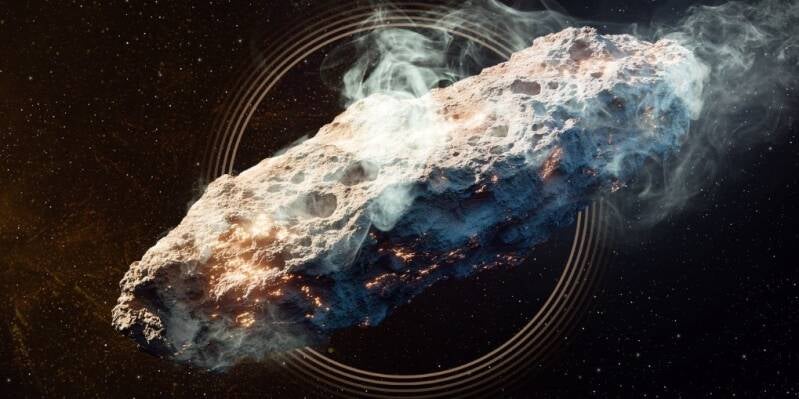
Extraterrestrial
1. The Alternative Theory: "Ancient Astronauts" and Overlapping Pantheons
In popular culture and fringe theories—most notably popularized by author Zecharia Sitchin in his 1976 book The 12th Planet—the Sumerians and Egyptians did not just invent their gods; they were recording interactions with the same group of advanced beings.
According to this narrative:
- The Anunnaki as Extraterrestrials: In alternative theories, the Anunnaki (which translates from Sumerian as "those of royal blood" or "descendants of An") were an advanced extraterrestrial race from a hidden planet named Nibiru. They allegedly arrived in Mesopotamia to mine gold and genetically engineered Homo sapiens to serve as a labor force.
- The Egyptian Migration: The theory claims that after establishing the Sumerian civilization, factions of these Anunnaki moved southwest to establish ancient Egypt.
- The God Equivalence: Sitchin and similar theorists argue that the major gods of Egypt are simply the Anunnaki operating under different names. For example:
- Enki, the Sumerian god of water and wisdom, is equated with Ptah, the Egyptian creator god of craftsmen.
- Marduk, Enki’s firstborn son in Mesopotamian myth, is equated with Ra, the Egyptian sun god. The theory suggests Marduk took over leadership of the Nile Valley, renaming himself Ra.
- Thoth, the Egyptian god of writing and knowledge, is mapped onto Ningishzida, a Mesopotamian deity associated with architecture and science.
2. The Historical Reality: Cultural Diffusion and Comparative Mythology
From a strict historical and archaeological perspective, the Sumerians and Egyptians were tied together, but through trade, geographic proximity, and shared human psychology rather than a single group of alien rulers.
The Uruk Expansion and Trade
While Sumer (modern-day Iraq) and Ancient Egypt (the Nile Valley) developed independently, they were not isolated. During the late 4th millennium BCE, a phenomenon known as the "Uruk Expansion" saw Mesopotamian trade routes extend deep into the Near East. Archaeologists have found Mesopotamian-style cylinder seals, lapis lazuli, and architectural designs (like recessed niche brickwork) in Predynastic Egyptian tombs, proving the two cultures interacted and exchanged ideas.
Archetypes in Comparative Mythology
Because both civilizations depended heavily on volatile river systems (the Tigris/Euphrates and the Nile) and observed the same night skies, their religious pantheons naturally developed striking parallels:
ConceptSumerian/Mesopotamian BeliefEgyptian BeliefThe Primeval WatersNammu, the formless watery abyss from which the universe was born.Nu (or Nun), the deified concept of the primordial, chaotic waters.The Sky FatherAn (Anu), the supreme god of the heavens.Nut/Amun, representing the sky and the unseen cosmic forces.The Dying & Rising GodDumuzi, who spends half the year in the underworld, symbolizing agricultural cycles.Osiris, the lord of the underworld who dies and is resurrected to bring fertility to the earth.The Underworld JudgesThe Anunnaki, who in later epics (like the Descent of Inanna) sit as judges of the dead.The 42 Assessors of Ma'at, who judge the human heart in the Hall of Truth.
Summary
If you look at the Sumerian texts, the Anunnaki were strictly the local pantheon of Mesopotamian gods. If you look at ancient history, Egypt and Sumer were connected by the shared cradle of Near Eastern civilization. But if you look at modern mythology, they are permanently tied together by the sci-fi-infused Hollywood idea that the gods of the Nile and the Euphrates were the exact same entities walking the Earth this was because of Hollywood rewriting the narratives to fit their religious views.
The Jew Lie Revealed
The Al-Yahudu tablets, dating from 572 to 477 BCE, are collection of Babylonian clay documents detailing the everyday business, tax payments, and land leases of Jewish exiles. Translated records, such as those detailing agricultural payments to the crown, reveal that the exiles were not enslaved but were thriving farmers and entrepreneurs who maintained their cultural identity while integrating into the Babylonian economy.