Sardinia: A crossroads of heritage
Discover the fascinating historical connections between the House of Ventimiglia and the island of Sardinia, a pivotal link in our ancestral journey. This page delves into the strategic alliances and rich history that shaped this unique island.
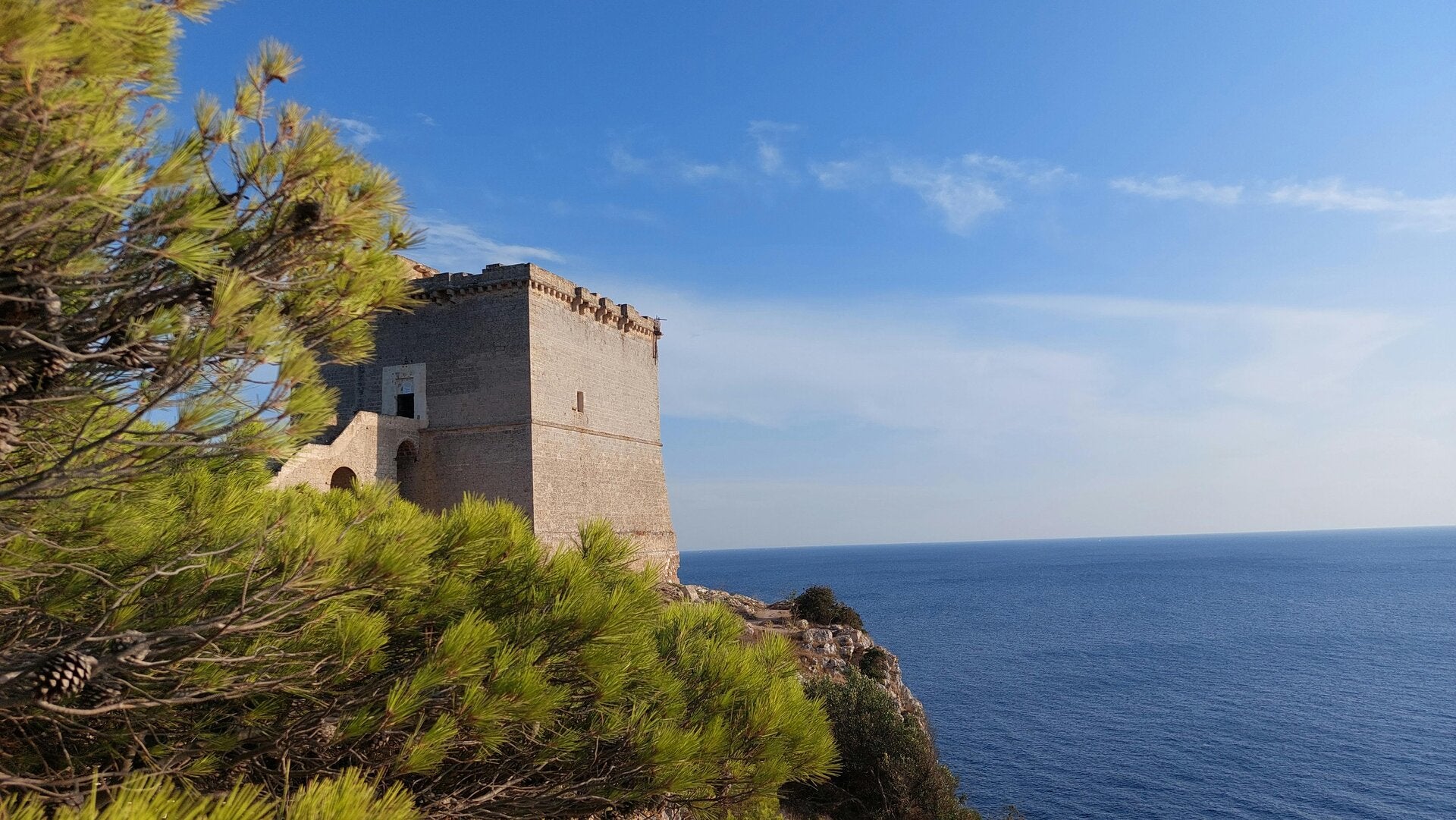
The Ventimiglia and Sardinia: A royal connection
The historical connection between the House of Ventimiglia and Sardinia centers heavily on the medieval Giudicato of Arborea and the intense geopolitical rivalries over the island's control. While the Ventimiglia family is most famously linked to Liguria (their ancestral home) and Sicily (where they became powerful "semi-kings"), their historical ties to Sardinia unfolded through strategic royal marriages and warfare during the 12th and 13th centuries. The most direct and influential bloodline connection occurred via a major diplomatic marriage in the late 12th century. Hugh I of Ventimiglia, Count of Ventimiglia, married Sinispella of Arborea, daughter of Barisone II, the powerful Judge (King) of Arborea and sister of Peter I of Arborea. Through this marriage, the House of Ventimiglia's lineage merged with the local Sardinian rulers and the Catalan dynasties, establishing a deep and enduring bond.

Our ancestral marriages: Uniting legacies
At the Ventimiglia Institute Of Ancestral Artifacts , we proudly highlight the House of Ventimiglia's connection to Sardinia through these ancestral marriages. Our work explores how these alliances played a critical role in medieval power dynamics, linking noble families across the Mediterranean. This rich history is central to understanding the intricate web of European aristocracy and is a cornerstone of our educational content. These connections showcase the strategic depth of our ancestors and provide invaluable insights into our shared human heritage.
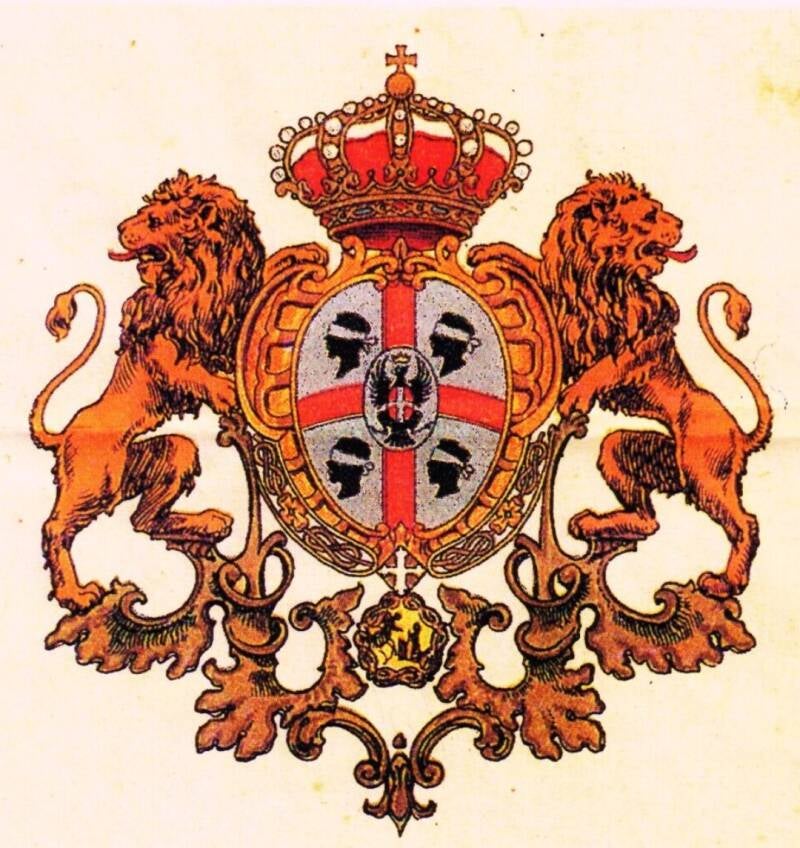
Sardinia did not have a standardized coat of arms in the 12th century. The island was divided into four independent Giudicati (Judicates)—Cagliari, Arborea, Torres, and Gallura—each utilizing its own distinct seals and heraldry rather than a single island-wide emblem.
The famous modern emblem of the Four Moors (I quattro mori) associated with Sardinia did not emerge until later periods in the Middle Ages.
12th-Century Sardinian Heraldry
The most prominent symbols from this exact era were the seals used by the ruling Judicesses (Queens) and Judges, which largely depicted religious or local motifs rather than modern coats of arms.
- House of Lacon: Rulers across several Judicates, their seals often featured symbolic animals, such as the sheep/lamb, combined with Byzantine or Pisan stylistic influences.
- The Giudicato of Arborea: Historically used a tree (often identified as a stylized olive or palm tree) as its symbol, which can be seen in later regional heraldic records.
The Evolution of the "Four Moors"
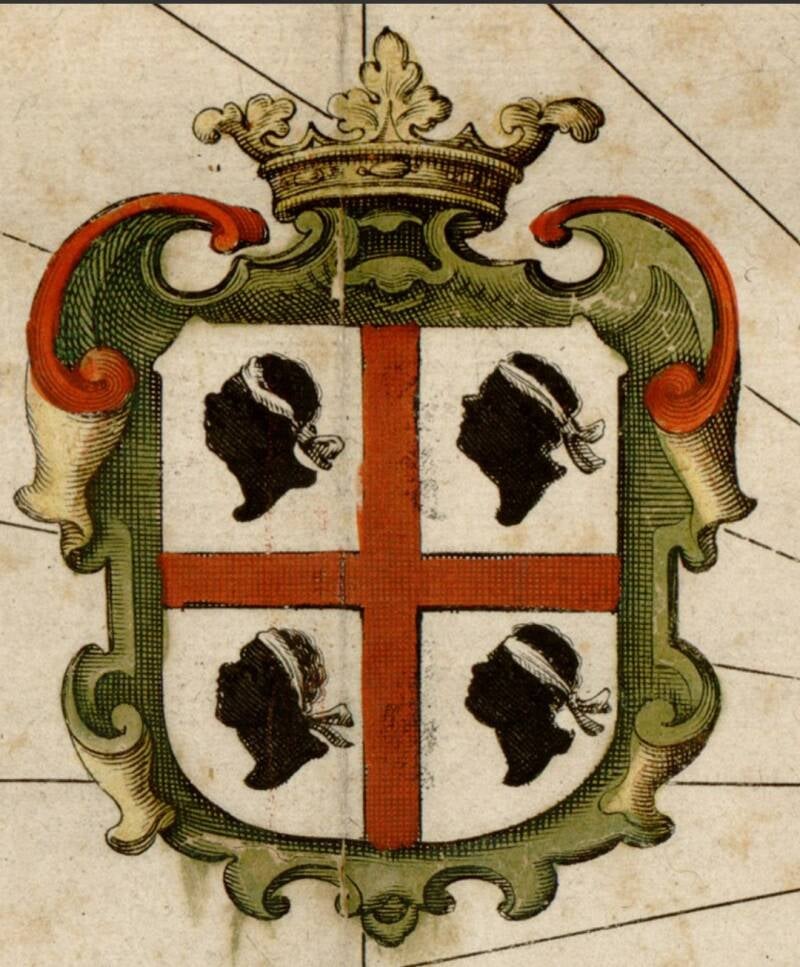
The iconic coat of arms featuring a white flag, a red cross, and four blindfolded or bandaged Moor's heads is famously linked to the Crown of Aragon, rather than 12th-century Sardinia.
- 13th-Century Origins: The earliest documented evidence of the emblem dates to 1281 under King Peter the Great of Aragon.
- 14th-Century Association: It became officially associated with the Kingdom of Sardinia and Corsica created by the Crown of Aragon in the 1324–1326 timeframe.
- Modern Interpretation: The design features the St. George's cross quartered, with a Moor's head in each quadrant. To explore historical and regional designs, you can browse the Wikimedia Commons Category on Sardinian Coats of Arms for a visual breakdown of how the island's heraldry evolved.
1. The 12th-Century Sardinian Judicates (Focus: Arborea)
During the 11th through 14th centuries, Sardinia was governed by four distinct, independent, and highly competitive states called Giudicati (Judicates). They did not use unified national heraldry, but rather highly specific family or state seals.
The Giudicato of Arborea was the longest-lasting of the four and developed the most famous indigenous heraldry on the island.
- The Rooted Tree (L'albero eradicato): The quintessential symbol of Arborea was a leafy tree pulled up by its roots, usually depicted in green on a silver or white background. It traditionally represented an oak, olive, or palm tree, symbolizing independence and deep roots in the land.
- 12th-Century Use: In the late 1100s, Judges like Barisone II of Arborea sought to consolidate power. While earlier administrative documents used generic Byzantine-style religious seals, the uprooted tree gradually solidified as the dynastic symbol of the ruling House of Lacon-Gunale and later the House of Bas.
- Evolution: In the 14th century, under the famous Judicess Eleanor of Arborea, this tree symbol became the ultimate banner of Sardinian resistance against foreign invasion.
2. The Crown of Aragon & The "Four Moors"
The iconic Four Moors (I quattro mori) coat of arms that defines Sardinia today was actually imported to the island through Spanish conquest.
- Aragonese Origin (1281): The design originated entirely within the Crown of Aragon. The earliest record is a lead seal used by King Peter III (The Great) of Aragon in 1281.
- The Legend of Alcoraz: The emblem celebrates the Battle of Alcoraz (1096), where King Peter I of Aragon defeated the Moorish armies of Zaragoza. According to medieval legend, St. George miraculously appeared on the battlefield to help the Christians, leaving behind his red cross and the severed heads of four Moorish kings.
- The Transfer to Sardinia (14th Century): In 1297, Pope Boniface VIII created the theoretical "Kingdom of Sardinia and Corsica" and granted it to the King of Aragon. When the Aragonese physically conquered the island in the 1320s, they brought their heraldry with them.
- Quartered Arms: The emblem features the St. George's Cross quartered with a Moor's head in each corner. Over the centuries, the heads shifted from facing right to facing left, and the position of their bandages moved from the forehead (as a royal diadem) to covering their eyes, before being moved back up to the forehead in 1999.
Tracing the Ventimiglia lineage: A nonprofit mission
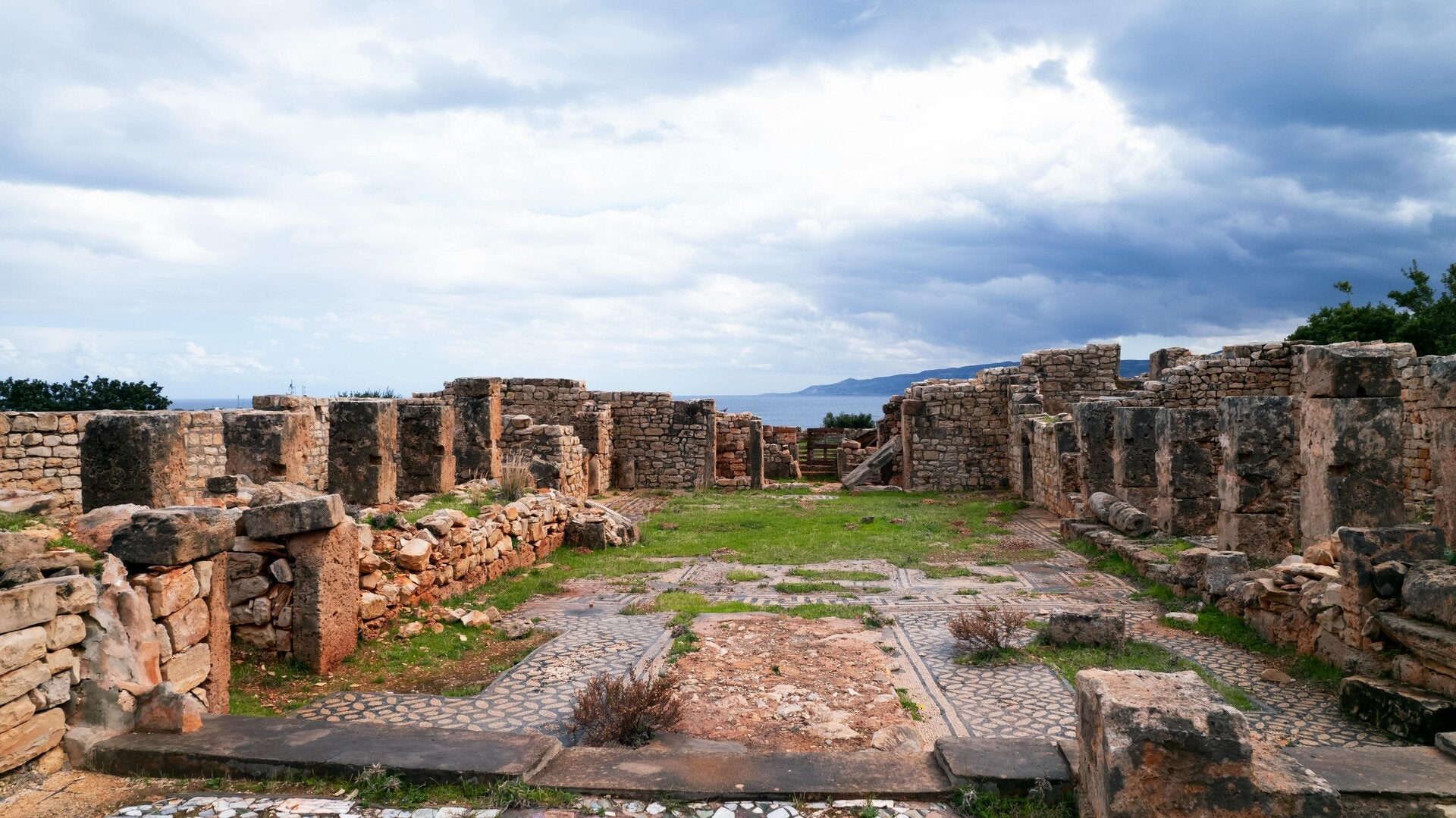
Sardinia is profoundly important to Ventimiglia Institute Of Ancestral Artifacts because it allows us to trace the family lineage and legacy of the House of Ventimiglia de Sicily. As a nonprofit education organization, our mission is to shed light on such historical narratives, making them accessible and engaging for all. By studying the Ventimiglia's presence in Sardinia, we provide a deeper understanding of historical interconnections and the formation of identities across centuries. This research helps us showcase our work, raise brand awareness for our unique educational approach, and share compelling stories that resonate with a global audience.