Rasputin: The mystic, the court, the fool, and the catastrophe
(Designed for people whom have no idea whom he is)
Uncover the enigmatic figure of Rasputin, a man who believed himself a devout holy man, yet found himself at the epicenter of Russia's occult-obsessed aristocracy. Explore his profound influence on the Romanovs and the tragic events that unfolded.
Rasputin: Holy man or mystic?
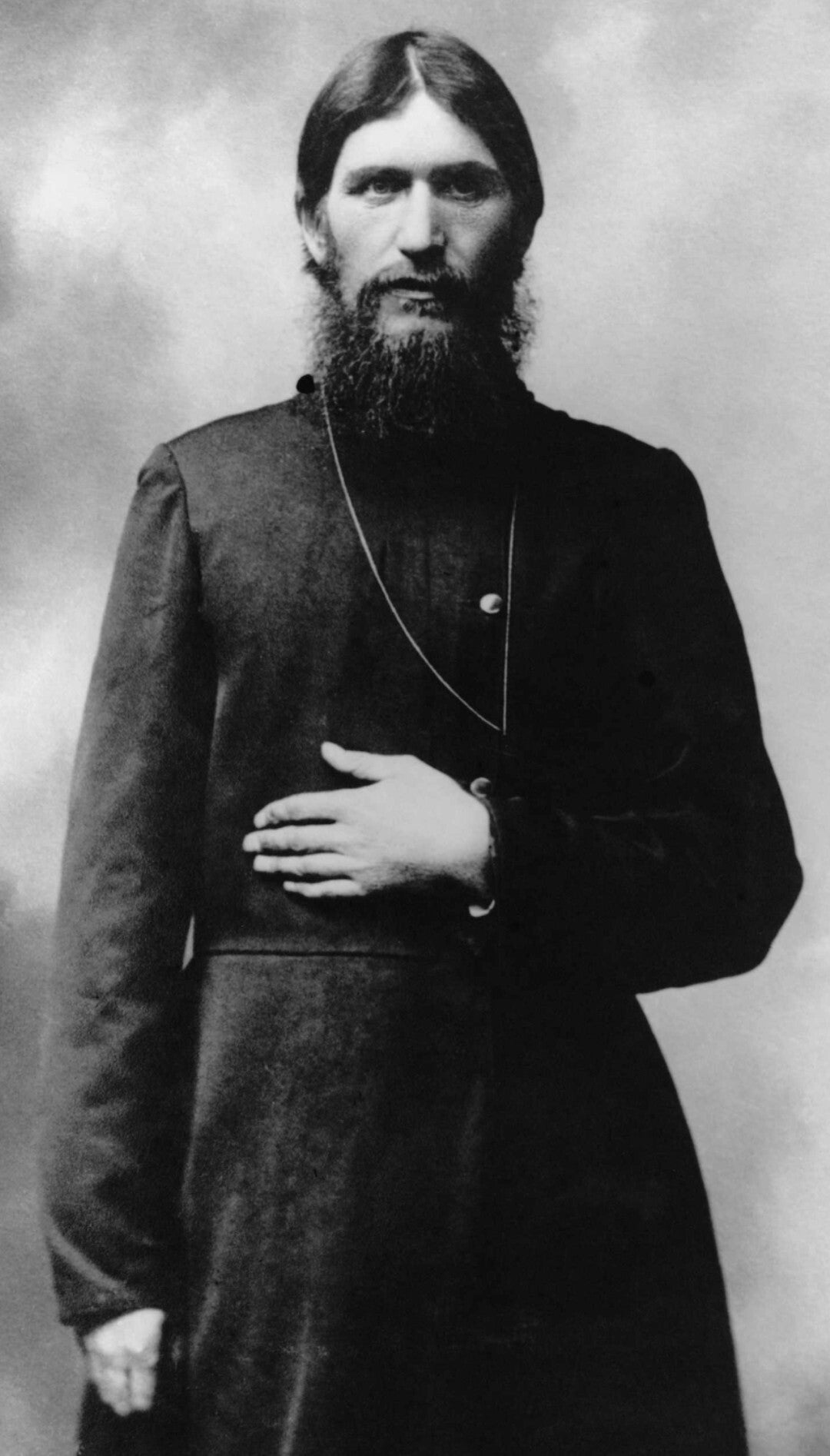
Grigori Rasputin was a Siberian peasant and mystic who exerted an enormous, destructive influence over the Romanov family and the final years of the Russian Empire.
He transformed from an uneducated provincial traveler into the most powerful advisor to the Russian court.
1. The Savior of the Heir
- The Secret Illness: The Romanovs' only son and heir, Tsarevich Alexei, suffered from hemophilia. It was a genetic, incurable bleeding disorder that the family kept strictly hidden from the public.
- The "Miracle" Healer: Introduced to the family in 1905, Rasputin won the absolute devotion of Empress Alexandra because he could seemingly halt Alexei’s fatal bleeding episodes when royal doctors failed.
- The Method: Modern historians suggest Rasputin relieved the boy's suffering using hypnosis and by ordering doctors away—effectively stopping the administration of aspirin, which unbeknownst to doctors at the time, thins the blood and worsens hemophilia.
2. Political Control and World War I
- The Marionette Government: Rasputin convinced Empress Alexandra that he was a prophet sent by God to protect her son and the autocracy. Over time, his influence bled into state affairs.
- Ruling Russia: When Tsar Nicholas II left St. Petersburg to command the army during World War I, Alexandra was left in charge of domestic government affairs. She relied heavily on Rasputin's advice, allowing him to fire competent ministers and handpick political appointments based on their loyalty to him.
3. Destruction of the Monarchy's Reputation
- Public Scandal: While Rasputin acted like a pious peasant around the royals, his heavy drinking, bribery, and aggressive womanizing outside the palace became public knowledge.
- The Rumors: Massive propaganda and rumors spread that Rasputin was sleeping with the Empress and controlling the government as a German spy. This completely discredited the Romanovs in the eyes of nobles, politicians, and the public alike.
4. A Chilling Prophecy and Assassination
- The Warning: Rasputin famously sent a letter to the Tsar warning that if he was murdered by Russian nobles, the entire Romanov family would be killed by the Russian people within two years.
- The Murder: Desperate to save the reputation of the monarchy, a group of high-society Russian nobles—led by Prince Felix Yusupov—brutally assassinated Rasputin in December 1916.
True to his eerie prediction, the monarchy fell just a few months later during the Russian Revolution of 1917, and the family was executed in 1918.
He was listed by the Zar himself to utilize his ability over the super natural - inlisted his psychic abilities to feel the stones energy and to authenticate their history eventually the kazaks hear if this lunacy and the rest is history , It's just been edited so you don't know the truth
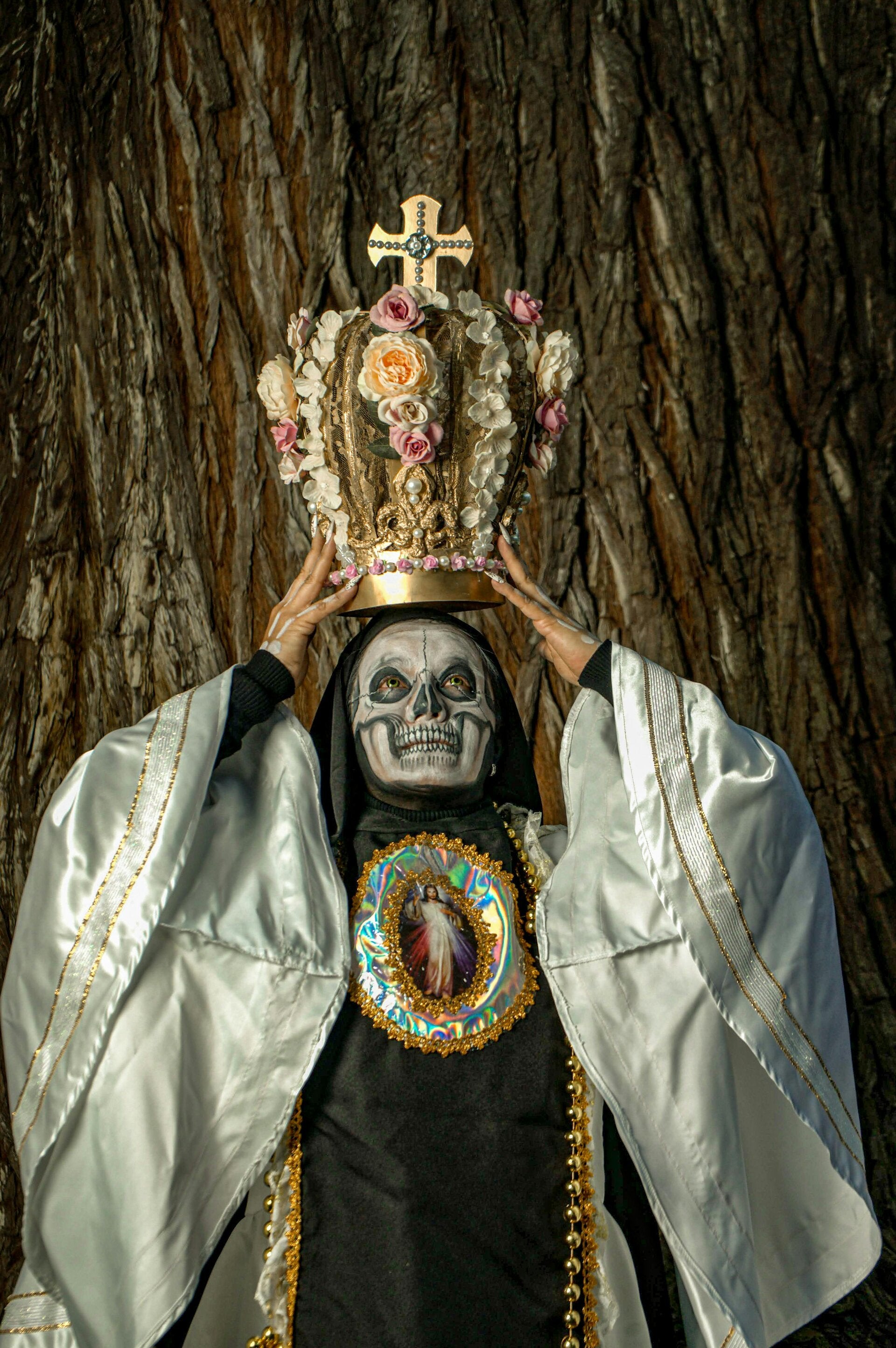
Historically, Rasputin saw himself not as a wizard or occultist, but as a devout Russian Orthodox holy man. However, his life was intricately woven into the fabric of a high-society circle completely captivated by psychics, mystics, and the occult. This page will explore his true connections to the supernatural subculture that defined his era.
He met his match against the Holy Grail Stone
The "Black Princesses" and royal introductions
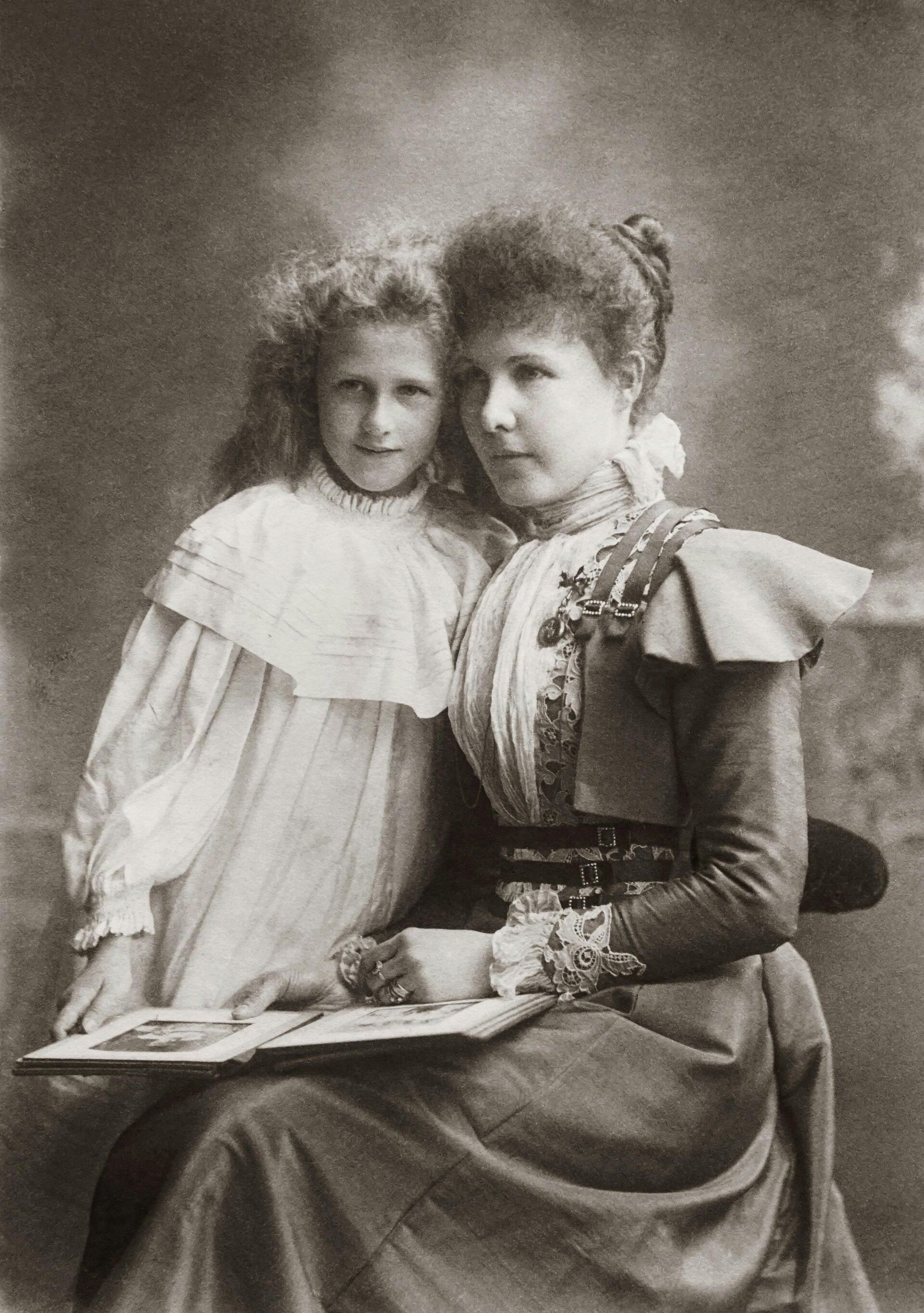
Rasputin's rise to royal prominence was largely due to two sisters, Princess Militsa and Princess Anastasia of Montenegro. These "Black Princesses," married into the Russian nobility, were deeply engrossed in the occult, witchcraft, spiritualism, and psychic mediums. They were the ones who actively sought out "holy men" and mystics for the Imperial Court, ultimately discovering Rasputin and introducing him to Tsar Nicholas II and Empress Alexandra in 1905.
The plot
The Plot and Assassination of Rasputin
By late 1916, Russia was collapsing under the weight of World War I, and public hatred for Rasputin had reached a boiling point. A group of wealthy ultra-conservatives, led by the incredibly rich Prince Felix Yusupov and the Tsar’s cousin, Grand Duke Dmitri Pavlovich, decided that the only way to save the monarchy was to eliminate the mystic.
- The Trap: On the night of December 29, 1916, Yusupov invited Rasputin to Moika Palace under the pretense that Yusupov’s beautiful wife, Princess Irina, would be there. Rasputin, lured by the prospect of meeting her, arrived in his finest clothes.
- The Poisoned Feast: While waiting in a decorated basement, Yusupov served Rasputin cakes and red wine heavily laced with cyanide—enough to kill several men instantly. To Yusupov's horror, Rasputin ate and drank greedily but showed absolutely no signs of distress, only asking for more wine.
- The Shooting: Panicking as the night wore on, Yusupov retrieved a revolver, walked up behind Rasputin, and shot him in the chest. Rasputin collapsed, and the conspirators celebrated upstairs, believing the deed was done.
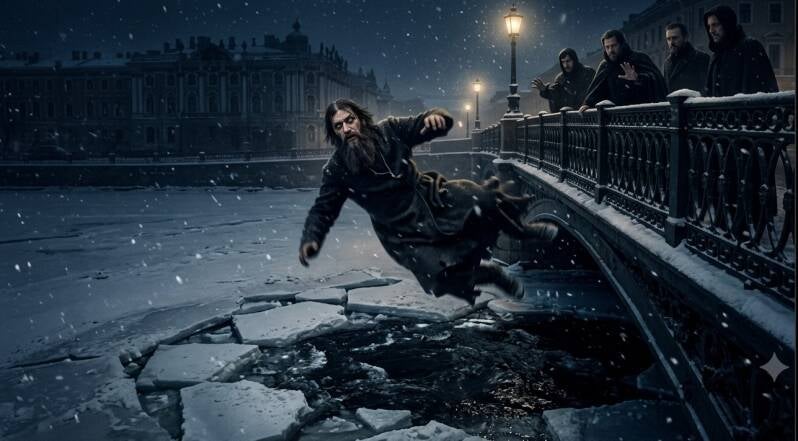
- The Resurrection: When Yusupov returned to the basement to check the body, Rasputin suddenly snapped his eyes open, grabbed Yusupov by the neck, and violently tore away. Rasputin crawled up the stairs and escaped into the snow-covered courtyard, shouting that he would tell the Empress.
- The Execution: Another conspirator, politician Vladimir Purishkevich, chased Rasputin into the yard and shot him twice more, with the final bullet striking him in the forehead. The conspirators bound Rasputin’s body, drove it to the frozen Malaya Nevka River, and dumped it through a hole in the ice.
When his frozen body was recovered days later, an autopsy confirmed that the bullet wounds, not the poison or drowning, had finally killed him.
Rasputin’s Prophetic Letter
Weeks before his violent death, Rasputin became deeply paranoid and drafted a famous, ominous letter to Tsar Nicholas II. Titled "The Spirit of Grigori Efimovich Rasputin of the village of Pokrovskoe," the text serves as one of the most chillingly accurate prophecies in modern history.
- The Royal Assassins: Rasputin wrote: "If I am killed by common assassins, and especially by my brothers the Russian peasants, you, Tsar of Russia, have nothing to fear for your children... But if it was your relations who have wrought my death, then no one of your family, that is to say, none of your children or relations, will remain alive for more than two years."
- The Curse on the Dynasty: He continued by warning that the Russian people would turn on the royal family: "They will be killed by the Russian people... I shall be killed. I am no longer among the living. Pray, pray, be strong, think of your blessed family."
Because Prince Felix Yusupov and Grand Duke Dmitri Pavlovich were members of the high nobility and royal family, the terms of Rasputin's dark prophecy were triggered. Fifteen months after his murder, the entire immediate Romanov family was executed by a firing squad in Yekaterinburg.
You got a really hate someone to go through all this , there must have been some strong motivation
Historical note: (Only religious fanatics express themselves this way)
Before Rasputin: Papus and the royal family
Before Rasputin's arrival, the royal family's favored mystic was the famous Papus (Gérard Encausse). His influence set the stage for Rasputin's acceptance into the inner circle, demonstrating the deep-seated interest in spiritualism and the occult within the Romanov court. This fascination would tragically intertwine with Rasputin's destiny and the fate of the Russian Empire.
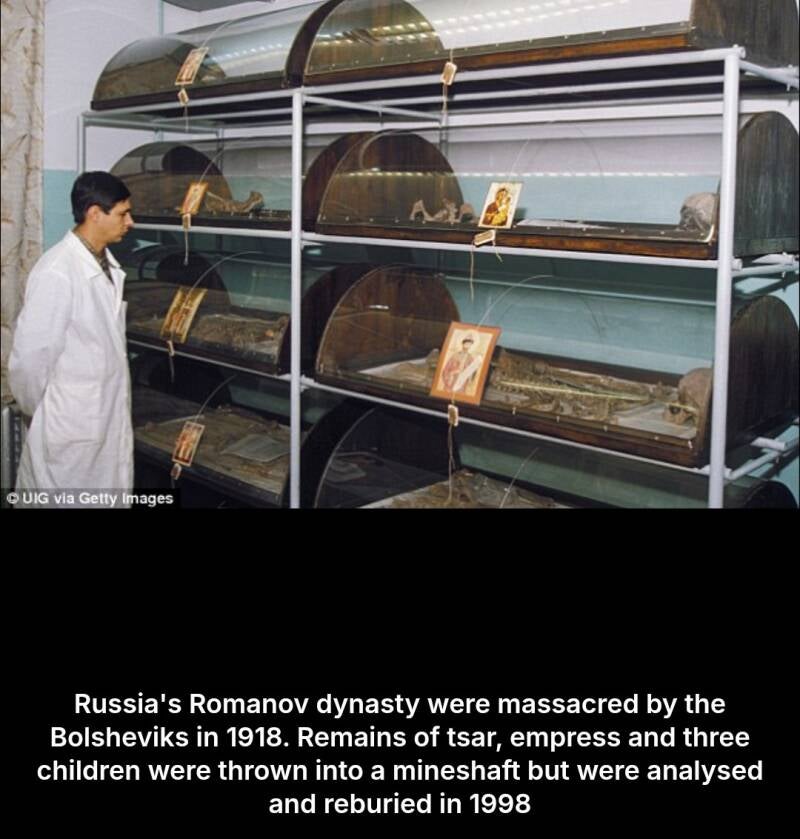
Photographs from the 1991 excavation near Yekaterinburg document the uncovering of the Romanov family's shallow mass grave.
Because the bodies were severely burned with acid, buried, and lay underground for over 70 years, no intact bodies or flesh remained—only skeletal fragments and bones were discovered.
The End Of The Romanovs
Historically, Rasputin did not view himself as a wizard or occultist; he considered himself a devout Russian Orthodox holy man. However, he operated within a high-society circle completely obsessed with psychics, mystics, and the occult, and his life was deeply intertwined with them.
His direct connections to the supernatural subculture include several key figures and movements:
1. The "Black Princesses" of Montenegro
Rasputin owed his entire royal career to two sisters, Princess Militsa and Princess Anastasia of Montenegro, who were married into the Russian nobility. Known in St. Petersburg society as the "Black Princesses," they were deeply invested in the occult, witchcraft, spiritualism, and psychic mediums. They actively scouted "holy men" and mystics to bring to the Imperial Court. They discovered Rasputin and officially introduced him to Tsar Nicholas II and Empress Alexandra in 1905.
2. Papus (Gérard Encausse)
Before Rasputin arrived, the royal family's favorite mystic was a famous French physician, hypnotist, and occultist named Gérard Encausse, who went by the magical pseudonym Papus. Papus was a founder of modern Martinism (a school of Christian mysticism and occultism). In October 1905, Papus allegedly conducted a seance for the Tsar and Tsarina where he claimed to summon the ghost of Nicholas's father. Rasputin effectively replaced Papus as the royal family's primary spiritual advisor, sparking intense rivalry between Rasputin's traditionalist Christian peasant supporters and the French-influenced occultists in the city.
3. Philippe Nizier-Anthelme Vachot ("Monsieur Philippe")
Another predecessor who paved the way for Rasputin was Monsieur Philippe, a French psychic, spiritualist, and unlicenced faith healer. He was brought to the Russian court by the Black Princesses before Rasputin. Philippe used hypnosis and psychic readings to comfort the Empress. When Philippe was exposed as a fraud and expelled from Russia, he reportedly prophesied that the royal family would soon meet a much greater holy healer from Russia—a prediction the Empress believed was fulfilled by Rasputin.
4. The St. Petersburg Occult Fad
Rasputin's rise occurred during a massive historical trend. At the turn of the 20th century, the Russian aristocracy was bored and deeply disillusioned, leading to a craze for Theosophy, spiritualism, and table-turning seances. Rasputin frequently attended the elite salons of St. Petersburg where wealthy nobles hired psychics and mediums. While Rasputin openly mocked Western occultism and "magic tricks," preferring raw prayer and personal magnetism, he heavily utilized their social networks to consolidate his power.
5. The Khlysty Sect Rumors
Rasputin was constantly accused by his enemies of belonging to the Khlysty, an underground, heretical Christian sect. The Khlysty rejected church authority and believed that the best way to experience the Holy Spirit was through ecstatic rituals involving rhythmic dancing, chanting, flagellation, and sacred sexual orgies. Rasputin's critics viewed these secret rituals as a form of dark witchcraft or demonic cult behavior, which heavily fueled his villainous reputation. This is exactly why the Zar commissioned him for his services to authenticate the Holy Grail stone the Shamir Stone and the stone of Victory that belonged to Alexander the Great . The kazaks heard of this palace intrig and went into action, this must be stopped at all cost the Zar would be denied world domination.
Rasputin's resilience and psychic abilities
Rasputin's life was marked by incredible resilience and rumored psychic abilities but nothing he every experiencd would prepare him for his introduction to the Holy Grail Stone. He famously survived multiple assassination attempts, being poisoned more than once, shot, and eventually drowned. Many believed he was sent to his death for his role as a psychic advisor to the king, tasked with verifying ancient stones and feeling the vibrations of history. These accounts highlight the extraordinary and often dark circumstances surrounding his life and death.
Authers opinion: any good psychic or anybody claiming his power would have seen it coming funny how he didn't