Understanding Radiation☢️: Unveiling the unseen forces
With Paul Anthony Ventimiglia, we delve into the fundamental principles of nuclear radiation, making complex science accessible and understandable. Discover the distinct characteristics of Alpha, Beta, and Gamma radiation and their impact, all through our unique nonprofit lens dedicated to illuminating historical and scientific mysteries.

What is nuclear radiation?☢️
Nuclear radiation occurs when an unstable atomic nucleus releases excess energy to achieve a more stable state. This energy is primarily emitted in three distinct types: Alpha particles, Beta particles, and Gamma rays. Each type possesses unique physical characteristics, differing fundamentally in mass, electrical charge, penetrating power, and the specific hazards they present to living tissue. Understanding these differences is crucial for anyone interested in the science behind our world.
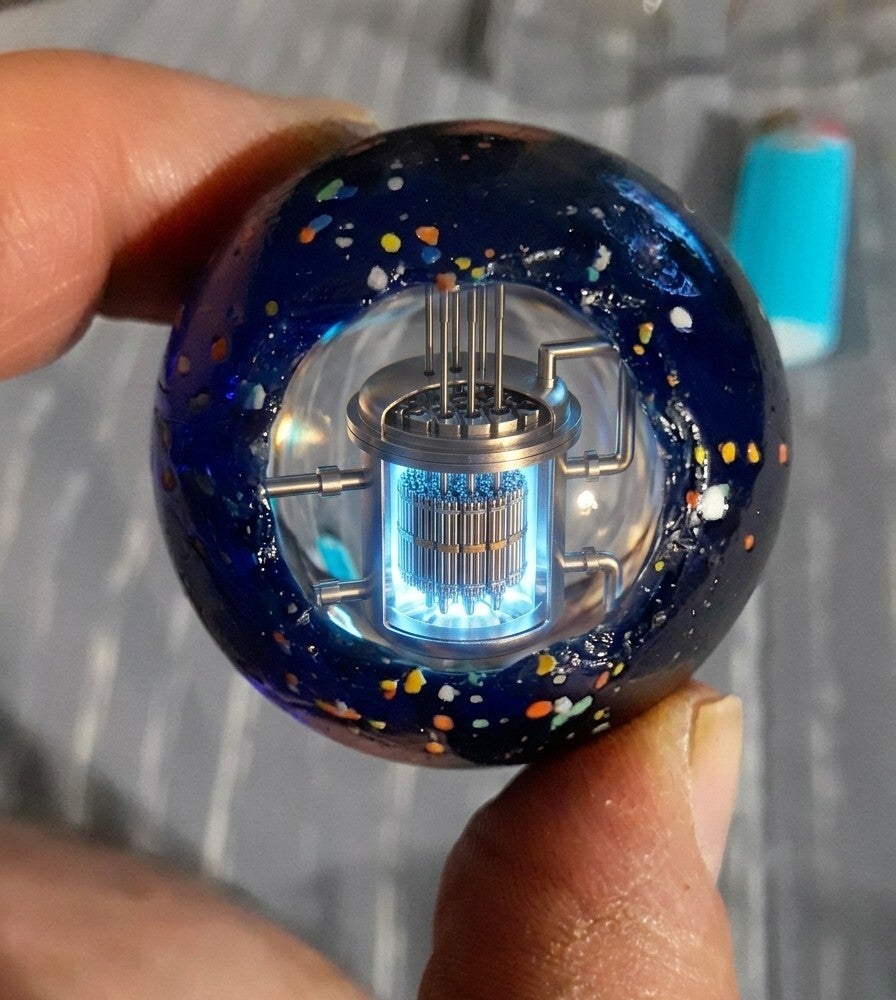
Comparing radiation types☢️
The primary differences in how these three types of radiation behave stem from their physical structures:
- Alpha ) Radiation: Consists of two protons bound to two neutrons, making it identical to a helium-4 nucleus. It is heavy, has a positive (+2) charge, and very low penetration power (stopped by a sheet of paper).
- Beta ) Radiation: Consists of high-energy, high-speed electrons beta or positrons ejected from the nucleus. It is extremely light, has a negative (-1) or positive (+1) charge, and moderate penetration power (stopped by a thin sheet of aluminum).
- Gamma ) Radiation: Consists of high-frequency, high-energy photons belonging to the electromagnetic spectrum. It has no mass or charge and very high penetration power (requires inches of lead or feet of concrete).
Paul's unique approach to radiation☢️
Our nonprofit mission drives us
to explore unique avenues of scientific discovery. Paul Anthony Ventimiglia of the House of Ventimiglia and the Ventimiglia Institute of Ancestral Artifacts has made groundbreaking discoveries
including Element 126☢️continuous fission and a cornucopia of related isotopes. These were found through a decade long study of a legendary diamond—The Holy Grail of Gemstones—with the distinct chemistry of the Williamson Mine in Africa, rich in carbon, calcium, aluminum, titanium, cobalt, copper, magnetite, and magnesium.
Our research sheds new light on the origins and behavior of radiation in natural contexts, offering unparalleled insights for those keen to understand scientific frontiers beyond conventional academia.