Unlocking Pandora's BoxWasn't a Treasure Chest
Dive into the captivating duality of Pandora's Box, from ancient myths of contained power to modern arcade legends. Discover how this enigmatic concept bridges history, technology, and timeless tales of curiosity and consequence.
The parallel between Pandora’s pithos and King Solomon’s brass vessels is a fascinating connection. Both traditions use a sealed ceramic or metal container as a "cosmic prison" to isolate dangerous, chaotic forces from humanity.
Here is how these two famous traditions mirror each other:
The Shared Concept of the "Cosmic Prison"
- The Mechanism: Both legends rely on a physical object—a jar or a bottle—sealed with a supernatural or divine seal (Pandora's lid / The Seal of Solomon) that keeps the malevolent entities trapped.
- The Chaos Inside: Pandora’s jar held abstract evils (sickness, toil, strife), while Solomon's vessels held personified spirits (Djinn/Genies) capable of causing identical real-world chaos.
- The Dangerous Curiosity: In both stories, the disaster happens when someone opens the container out of greed or curiosity, thinking it holds treasure, only to unleash ruin.
Solomon's Vessels in Lore
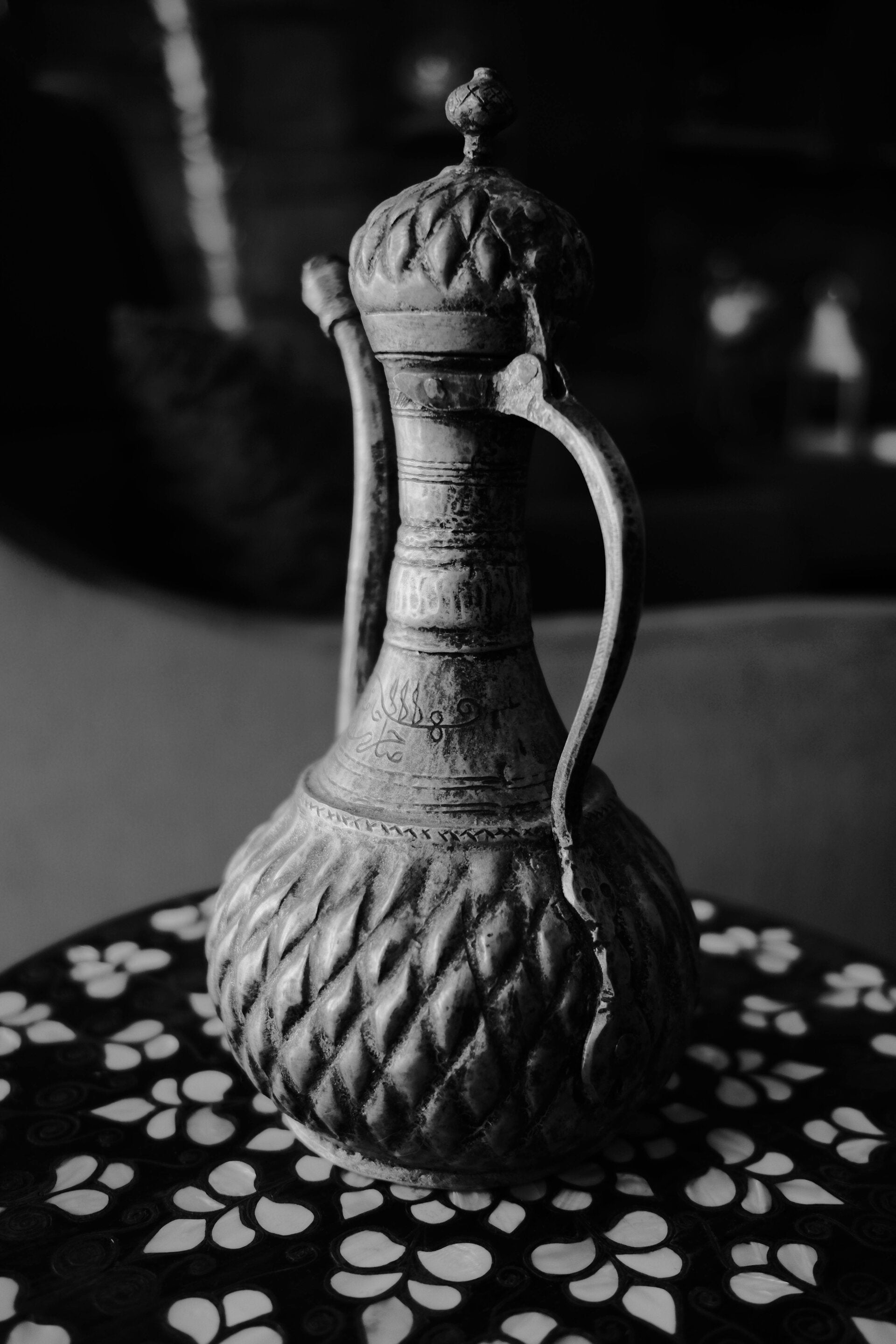
In Middle Eastern folklore and The One Thousand and One Nights (specifically "The Fisherman and the Jinni"), Solomon imprisoned rebellious Djinn inside brass vessels, sealed them with his magical signet ring, and cast them into the ocean.
The mythological Pandora's box: a tale of hope and despair
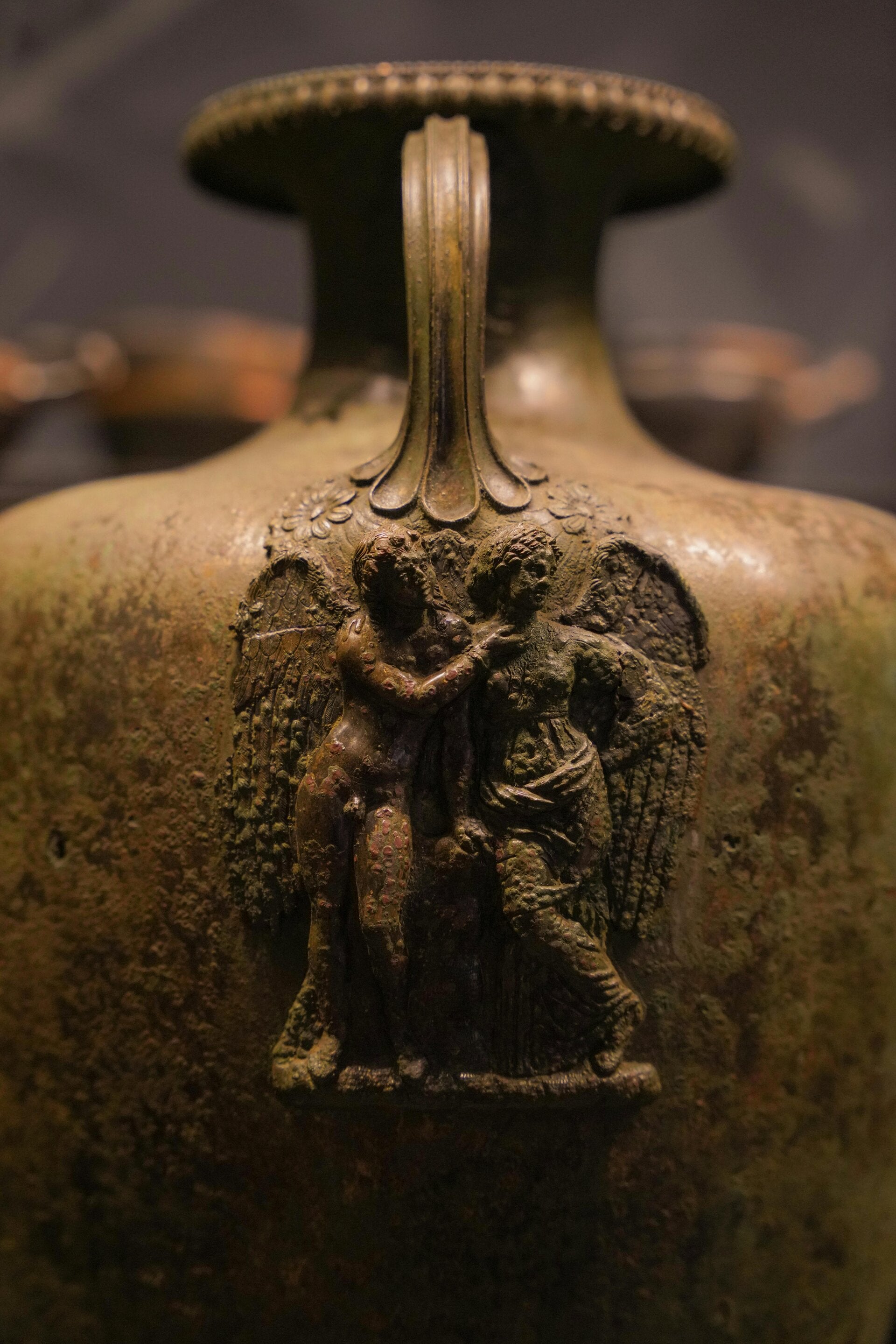
In ancient Greek mythology, Pandora's Box, originally a large jar or 'pithos,' was the container bestowed upon the first human woman, Pandora. Zeus, intending to punish mankind, gave her this jar with a stern warning never to open it. Driven by an insatiable curiosity, Pandora eventually lifted the lid, unleashing all the evils of the world—plagues, sorrow, and mischief—into humanity. Just in time, she managed to close the lid, trapping one crucial element at the very bottom: Hope. This timeless myth serves as a potent metaphor, where "opening a Pandora's box" signifies an action that, though seemingly minor, can trigger unforeseen and uncontrollable dire consequences.
Across ancient mythologies, cultures created unique "containment systems" to isolate chaotic monsters and gods. While Mediterranean and Middle Eastern lore favored sealing forces inside containers, other cultures relied on physical binding or cosmic banishment.
Here is how different civilizations trapped their ultimate monsters:
1. Norse Mythology: The Concept of "Inescapable Binding"
Norse myths rarely use jars or bottles; instead, they focus on unbreakable bonds made through deception or magical craftsmanship.
- The Monster: Fenrir, the giant wolf destined to swallow Odin at Ragnarok.
- The Trap: Gleipnir, a silken ribbon forged by dwarves.
- The Mechanism: The gods used psychological trickery, daring the wolf to test his strength. The ribbon was made from six impossible ingredients (e.g., the sound of a cat's footfall, the beard of a woman). The more Fenrir struggled, the tighter the ribbon gripped.
- Other Examples: Loki was bound to a rock using the entrails of his own son, with a venomous snake dripping poison onto his face.
2. Babylonian Mythology: The Cosmic Banishment
Babylonian and Mesopotamian myths favor sending primordial monsters to the underworld or transforming their physical bodies into the geography of the Earth.
- The Monster: Tiamat, the primordial goddess of the salt sea and chaos.
- The Trap: The sky god Marduk defeated her, split her corpse in two, and used her body to create the heavens and the earth.
- The Prison: Her remaining chaotic generals and monsters were cast into the Irkalla (the Underworld), a dark, inescapable realm of dust and clay sealed behind seven gates.
- The Tablet of Destinies: Power itself was contained. Marduk sealed the magical Tablet of Destinies—which gave ultimate authority over the universe—directly onto his own chest to lock reality into place.
3. Egyptian Mythology: Continuous Magical Suppression
Egyptian lore differs because chaos (Isfet) could never be permanently trapped or killed; it had to be subdued every single night.
- The Monster: Apophis (Apep), the giant serpent of chaos who tried to swallow the sun god Ra.
- The Trap: A nightly ritual of binding and slicing.
- The Mechanism: The deity Bastet (or Ra himself) would pin the serpent down with a spear, while priests on Earth recited spells from The Book of Apophis to magically bind his limbs and blind his eyes, keeping him helpless until the sun rose.
Summary of Cultural Approaches
Culture Primary Containment Method Philosophical View of Chaos Greek / Near East Sealed jars, boxes, or brass vessels, Chaos is a tangible fluid or spirit that can be bottled up. Norse Unbreakable chains and physical bonds, Chaos is an inevitable force that can only be delayed. Babylonian Geopolitical banishment to the Under world Chaos must be conquered and restructured into order. Egyptian Daily magical binding and subduing Chaos is eternal and requires constant vigilance.
Pandora's Box
In Greek mythology, Pandora's box was not actually a box at all, but a large storage jar known as a pithos. This mystical artifact served as a divine instrument of punishment, packed by Zeus with all the world's afflictions.
The Real History of the Vessel
- The Original Jar: Ancient writer Hesiod first detailed the object as a clay or bronze pithos. These large jars traditionally stored wine, oil, grain, or even human ashes.
- The Translation Error: In the 16th century, humanist Erasmus of Rotterdam translated Hesiod's text into Latin. He mistakenly turned the Greek pithos into the Latin pyxis, which means "box". The world has called it a box ever since.
- The Divine Trap: Zeus deliberately gave the sealed vessel to Pandora and her husband Epimetheus. He deliberately imbued Pandora with insatiable curiosity, fully knowing she would eventually open it.
The Real History of the Vessel
- The Original Jar: Ancient writer Hesiod first detailed the object as a clay or bronze pithos. These large jars traditionally stored wine, oil, grain, or even human ashes.
- The Translation Error: In the 16th century, humanist Erasmus of Rotterdam translated Hesiod's text into Latin. He mistakenly turned the Greek pithos into the Latin pyxis, which means "box". The world has called it a box ever since.
- The Divine Trap: Zeus deliberately gave the sealed vessel to Pandora and her husband Epimetheus. He deliberately imbued Pandora with insatiable curiosity, fully knowing she would eventually open it.
Cosmic Forces Unleashed
When Pandora lifted the lid, she unknowingly changed the fate of humanity forever.
- The Miseries: Escaping in a dark cloud of smoke were war, disease, famine, envy, old age, and death. These forces instantly spread across the earth.
- The Last Spirit: Terrified by the chaos, Pandora slammed the lid shut. Trapped alone at the very bottom of the vessel was Hope (Elpis).
- The Philosophical Debate: Scholars still argue whether Hope was kept inside as a mercy to save humanity from despair, or if it was Zeus's ultimate curse—prolonging human suffering by making mortals endure an unpredictable world.
While Pandora’s box represents a mythological vessel of spiritual chaos, history and religion are filled with literal mystical containers, sacred boxes, and lead vessels believed to hold immense cosmic or supernatural power.
The linguistic connection spans centuries; the Hebrew word for the Ark of the Covenant (aron) literally translates to a basic box, chest, or coffin, bridging the gap between divine artifact and physical containment.
The Ark of the Covenant: The Ultimate Divine Energy Box
The Ark of the Covenant is history's most famous sacred container. Built by the Israelites under divine instruction, it was designed as a transportable sanctuary.
- The Construction: According to the Book of Exodus, it was a chest made of dense acacia wood, completely overlaid with pure gold on both the inside and the outside.
- The Spiritual Power: It housed the stone tablets of the Ten Commandments. The space directly between the wings of the two golden cherubim on its lid served as the literal earthly throne and manifestation point for God's presence.
- The "Lethal" Containment: Much like Pandora's jar, the Ark was highly volatile and dangerous if mishandled. Merely touching it could result in instant death.
From a modern technical lens, engineers and researchers have pointed out that a wooden box lined inside and out with highly conductive gold creates a natural electrical capacitor. Moving through dry desert air, it could have accumulated thousands of volts of static electricity, causing a lethal shock to anyone completing the circuit by touching it.
Lead Boxes and the Suppression of Magic
Throughout folklore and physical history, lead has been the ultimate choice for trapping, sealing, or shielding volatile forces. Because lead is dense, heavy, and toxic, ancient and medieval civilizations viewed it as a metaphysical anchor capable of suppressing spiritual energies.
Container Type | Primary Purpose | Mystical / Historical Context Roman Lead Funerary Boxes | Shielding the living from dead | Sealed ashes to keep spirits anchored | | Defixiones (Curse Tablets)| Binding and trapping ill-will | Lead sheets rolled up and buried | Cathedral Talisman Boxes | Warding off demonic forces | Lead boxes hidden in walls for safety | Modern Radiation Boxes | Physical energy containment | Shielding against atomic decay |
Roman Lead Funerary Boxes
In archeology, Roman Lead Funerary Boxes were heavily utilized across the Empire. While they physically preserved glass urns and human ashes, they served a double purpose in ancient mysticism. Lead was associated with Saturn—the god of time, decay, and the underworld. Sealing a deceased person in lead was believed to bind their spirit, preventing them from returning to haunt the living.
Defixiones (Lead Curse Tablets)
Ancient Greeks and Romans created defixiones, which were binding spells written on sheets of lead. The creator would write a curse, roll or fold the lead tightly into a small "container," and pierce it with a nail to "hammer down" the magic. These toxic metal bundles were buried near graves or thrown into sacred springs to seal the target's fate away from the sun.
Cathedral Protective Reliquaries
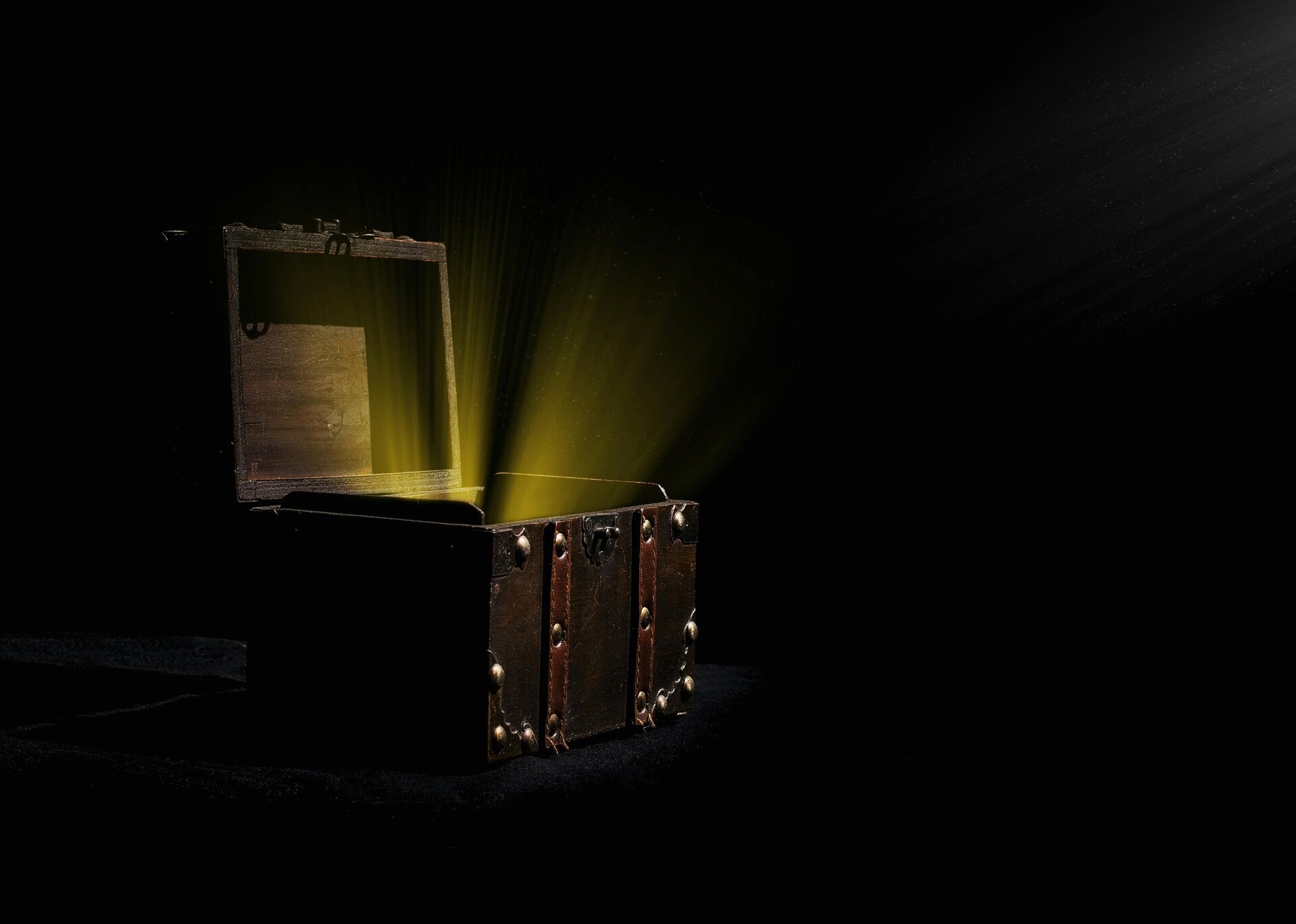
In 2023, restorers at the Mexico City Metropolitan Cathedral uncovered 23 small lead boxes hidden deep within the plaster walls. Dating back centuries, these lead containers held paintings, wooden crosses, and religious artifacts. They were deliberately sealed inside the heavy metal and buried in the masonry to act as an invisible, permanent divine protection shield for the city against demons and natural disasters.
The Modern Equivalent: Radiation Shielding
The historical intuition that heavy lead boxes can seal away invisible, lethal forces matches modern physics. Today, lead-lined wood boxes are the industry standard for safely storing radioactive isotopes and materials. To an ancient observer, an unshielded radioactive rock would look exactly like a cursed object—causing sickness, hair loss, and phantom burns without ever being touched.
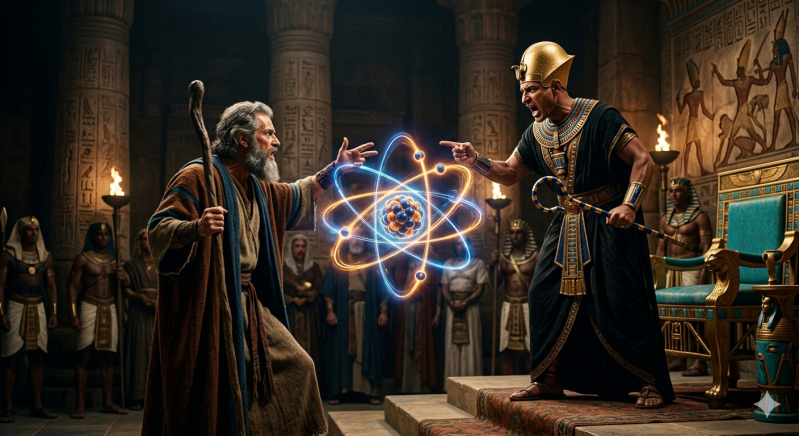
Connecting ancient mysteries: Pandora's box and the ark of the covenant
At The Ventimiglia Institute Of Ancestral Artifacts, we explore the deep connections between seemingly disparate historical and mythological concepts. The mythological Pandora's Box shares intriguing parallels with other legendary artifacts like the Ark of the Covenant. Both are portrayed as vessels containing immense power or significant elements, capable of unleashing profound consequences if mishandled. Consider the Ark of the Covenant, often described as a lead-lined box that housed the Shamir, a legendary worm or entity capable of cutting through any material, and was said to be the storage vessel for King Solomon's Jinn. These narratives highlight a recurring theme across cultures: the containment of potent forces, whether benevolent or destructive, and the critical importance of respect and caution when dealing with such profound energies.
1. The "Pandora’s Box" Pithos
In the most famous version of the Pandora myth, the vessel given to Pandora was not a "box," but a large pithos. When she opened it, she unleashed all the evils of the world, leaving only "Hope" trapped inside.
2. The Mykonos Pithos (The Trojan Horse)
Discovered during a well excavation on the island of Mykonos, this 7th-century BC vessel is a 1.4-meter-tall relief pithos that served as an ancient burial urn. It is a famous mystery/history artifact because it features the earliest known depiction of the Trojan Horse and Achaean warriors attacking Troy.
3. Pithos Burials
Throughout the ancient Greek, Roman, and Anatolian worlds, pithoi were often used as coffins to save space or bury the poor/infants. Archaeologists regularly unearth these "mystery vessels," such as a notable discovery in Hadrianopolis holding the remains and artifacts of an ancient Roman.
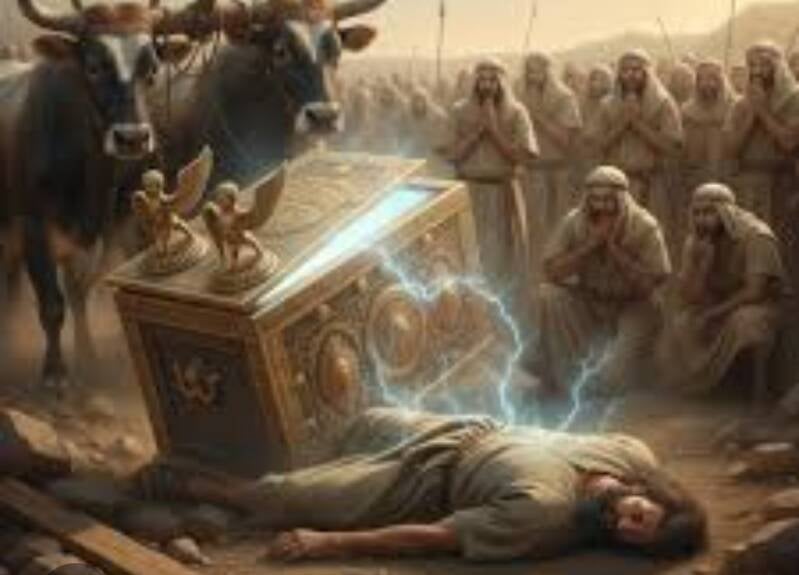
The cross-cultural archetype of the "sacred chest"—epitomized by the Ark of the Covenant and the myth of Pandora’s box—directly shaped how ancient societies viewed, designed, and interacted with personal jewelry boxes. In antiquity, jewelry was not just fashion; it consisted of protective amulets, spiritual relics, and symbols of cosmic status. Consequently, the containers built to hold them were treated with religious reverence.
The conceptual evolution from a divine myth to a physical household object manifested across several global traditions:
1. The Greek Pyxis and the Shift to "Pandora’s Box"
In ancient Greece, the pyxis was a small, cylindrical lidded container used specifically by elite women for cosmetics, sacred resins, and precious jewelry.
- The Sacred Wedding Gift: Much like Zeus gifting Pandora her container as a wedding present, ornate pyxides were heavily featured as traditional wedding gifts in Greece to represent a bride's personal domain and secret treasures.
- Materializing Myth: Initially made of geometric pottery, the pyxis eventually evolved into luxury materials like ivory, bronze, and silver. When the humanist scholar Erasmus of Rotterdam mistranslated Pandora’s pithos (clay storage jar) as a pyxis (box) in the 16th century, it was precisely because the pyxis had already spent millennia as the definitive, everyday Western symbol for a woman’s box of dangerous secrets, beauty, and hidden wonders.
2. The Egyptian "Jewelry Casket" and Divine Protection
Long before the biblical narrative of the Ark of the Covenant was written down, ancient Egypt invented the concept of the jewelry casket.
- The Blueprint for the Ark: Egyptian jewelry chests—such as those found in King Tutankhamun’s tomb—were rectangular wooden boxes plated in gold, featuring carrying poles, and heavily inlaid with protective spiritual imagery. This exact design architecture directly mirrors the biblical blueprint for the Ark.
- Containers of Eternal Power: The Egyptians believed that stones like lapis lazuli and turquoise held literal cosmic and protective energies. Because jewelry was viewed as an earthly talisman required for safe passage into the afterlife, their jewelry boxes were designed like miniature temples to "seal" and protect that divine magic for eternity.
3. The Roman Cista and Private Autonomy
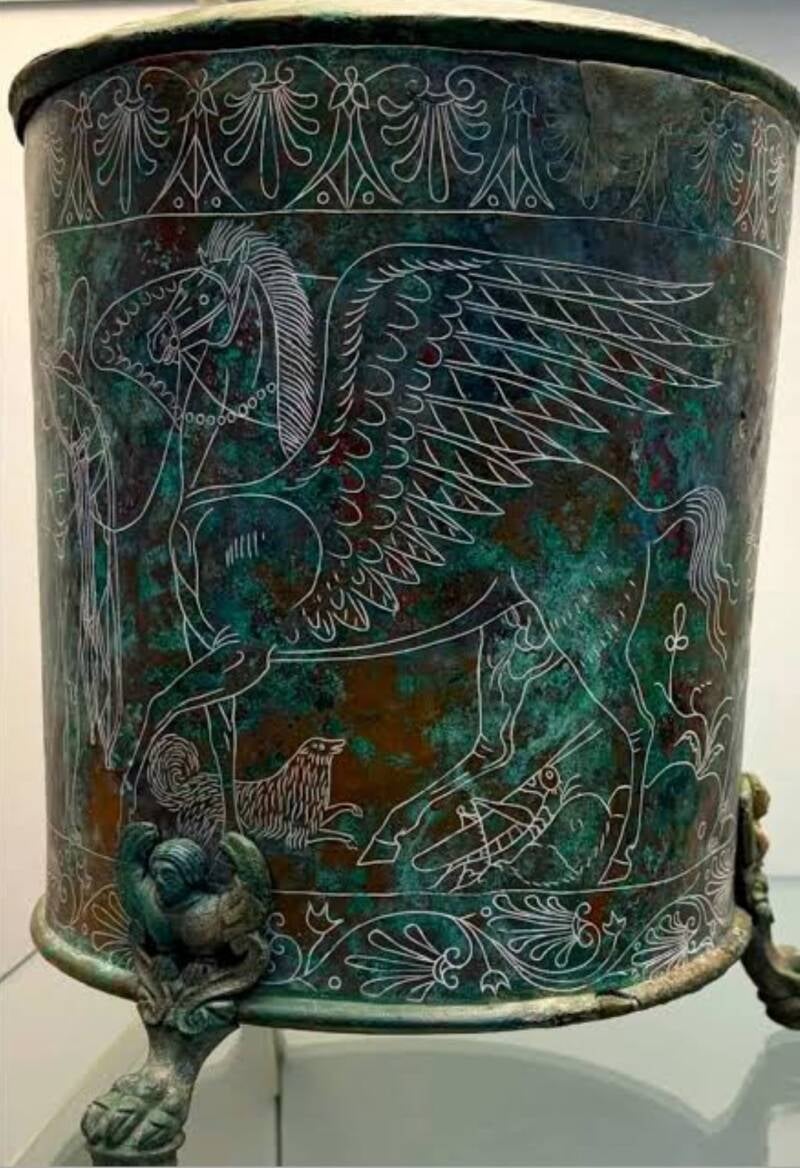
The Romans expanded on these concepts with the cista, a highly decorative, cylindrical bronze casket often featuring intricate mythic engravings on the outside.
- The Taboo of the Interior: In Roman culture, the cista carried a heavy connotation of religious mystery and personal privacy. In cult rituals, cistas held secret sacred objects that only initiates could look at.
- The Secularized Shrine: Replicated in the home, a woman's jewelry cista or capsula became her private sanctuary. The taboos of the Ark and Pandora's box were mirrored on a household scale: looking into another person's jewelry casket without permission was seen as a deeply violating breach of spiritual and personal boundaries.
4. Global Parallels: East Asian Baohe and Tamatebako
The connection between a jewelry box and a world-altering cosmic force is a universal human archetype that stretches far beyond the Mediterranean:
- The Tamatebako (Japan): In the famous Japanese myth of Urashima Taro, a fisherman visits an underwater palace and is gifted a beautiful, ribbon-tied jewelry box (Tamatebako). He is strictly forbidden from opening it. Driven by curiosity, he opens the box on the shore—only to release a plume of white smoke that instantly ages him into an old man, effectively trapping his lost time inside the container.
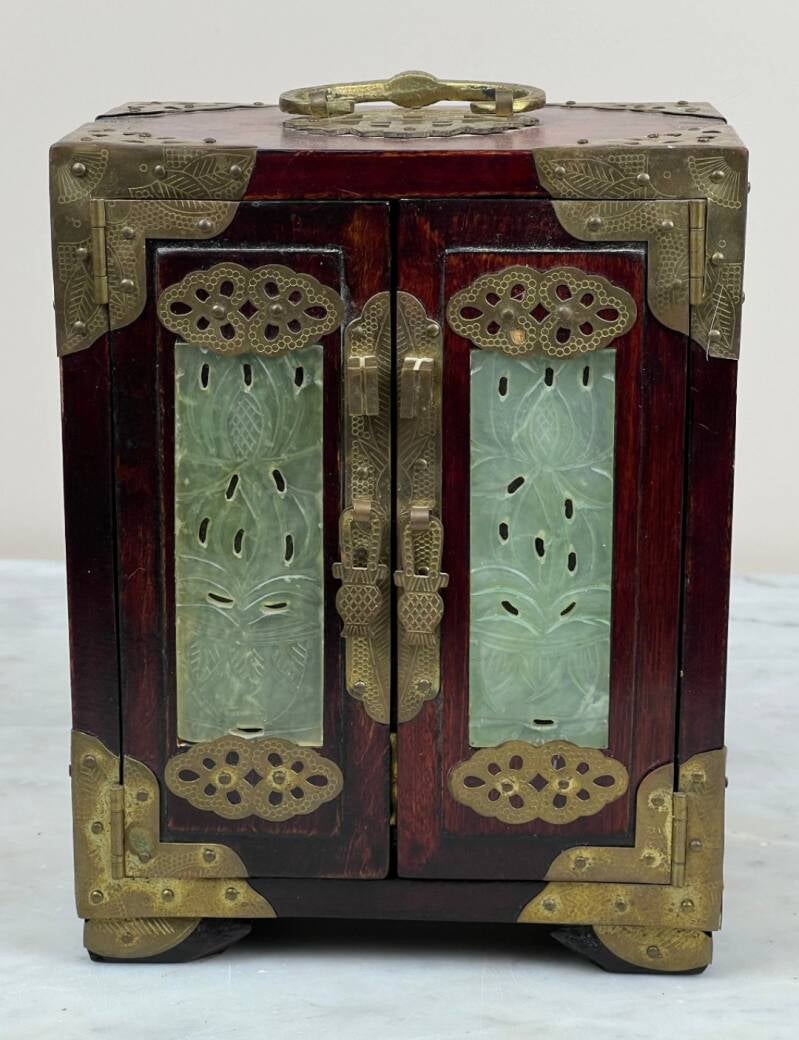
- The Baohe (China): In Chinese antiquity, treasure boxes (baohe) were crafted from lacquered wood, jade, and mother-of-pearl. They were treated as literal microcosms of the universe, designed using feng shui principles to harmonize the elemental energies of the precious stones kept inside.