Montenegro: a legacy of protection
Discover the enduring connection between the Ventimiglia family and the sovereign lands of Montenegro, where history, royalty, and a legacy of guardianship intertwine.
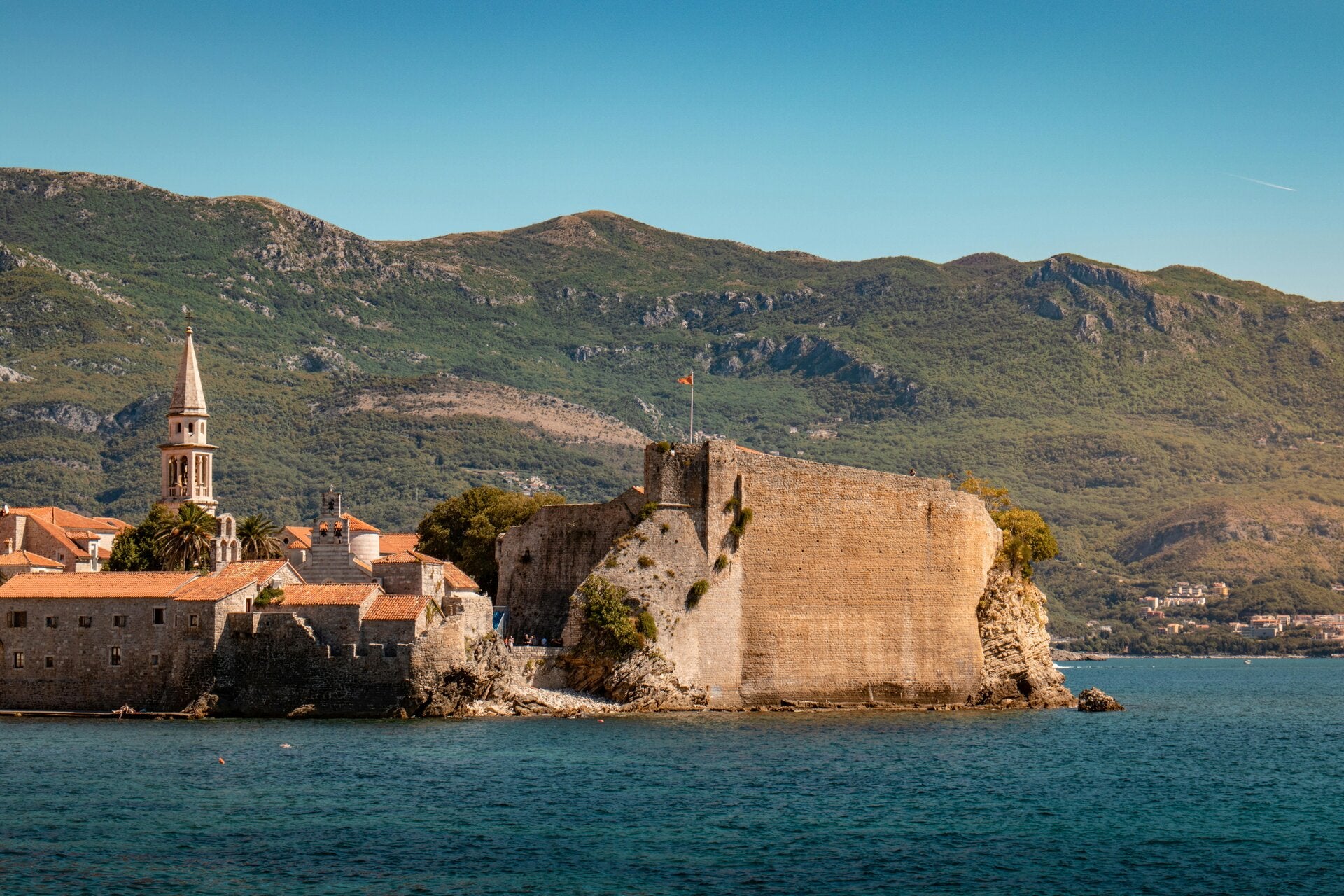
The Ventimiglia family in Montenegro
For centuries, the Ventimiglia family has shared an indelible bond with Montenegro and its esteemed royal family. This deep historical connection goes beyond mere alliances, illustrating a significant influence and a profound commitment to the region.
There is a strong, direct historical connection between the Ventimiglia family line and the geographical area of Montenegro, primarily forged through medieval geopolitical marriages and the expansion of the Republic of Venice along the Montenegrin coast.
The connection manifests across three distinct historical frameworks:
👑 1. The Byzantine-Balkan Dynastic Marriages (13th Century)
The most prestigious branches of the Ventimiglia family, specifically the Lascaris di Ventimiglia, established direct bloodline ties to the medieval ruling dynasties of the Balkans, which heavily encompassed modern-day Montenegro and Serbia:
- The Bulgarian & Serbian Connection: Count William Peter I of Ventimiglia married Eudoxia Laskarina (Byzantine princess) in 1261. Eudoxia’s sister, Irene Doukaina Laskarina, was the Empress of Bulgaria. Through these intricate imperial Balkan networks, the Ventimiglia family intermarried into the Nemanjić dynasty—the medieval imperial family that ruled over the Principality of Zeta (the historical name for Montenegro).
⚓ 2. The Venetian Republic & "Albania Veneta" (1420–1797)
For nearly four centuries, the coastal region of Montenegro (including the Bay of Kotor, Budva, and Bar) was ruled by the Republic of Venice and known officially as Albania Veneta.
- Naval and Administrative Service: During this era, many noble Italian families from Liguria and Venice were appointed by the Doge to serve as provveditori (governors), naval captains, and military commanders along the Montenegrin coast to defend against the Ottoman Empire.
- Genealogical Archival Traces: Archival records tracking maritime trade and regional governance between Venice, Sicily, and the Bay of Kotor regularly place Italian noblemen—including branches of the Ventimiglia family—in the region.
🧬 3. Modern Genealogical Brick Walls
If you are finding a cross-over between the Ventimiglia surname and Montenegro in your family tree, it usually traces back to the 1700s or 1800s. During the Venetian and subsequent Austro-Hungarian rule over the Montenegrin coast, Italian merchants, sailors, and lower-nobility frequently intermarried with local Montenegrin and Croatian Catholic families along the Adriatic littoral.

Protectors of the realm
The Ventimiglia family embraced all regions of the area as sworn protectors. Their legacy is etched into the very fabric of Montenegrin history, marking them as guardians who safeguarded the land and its people through times of prosperity and challenge. This dedication is a cornerstone of their historical presence.
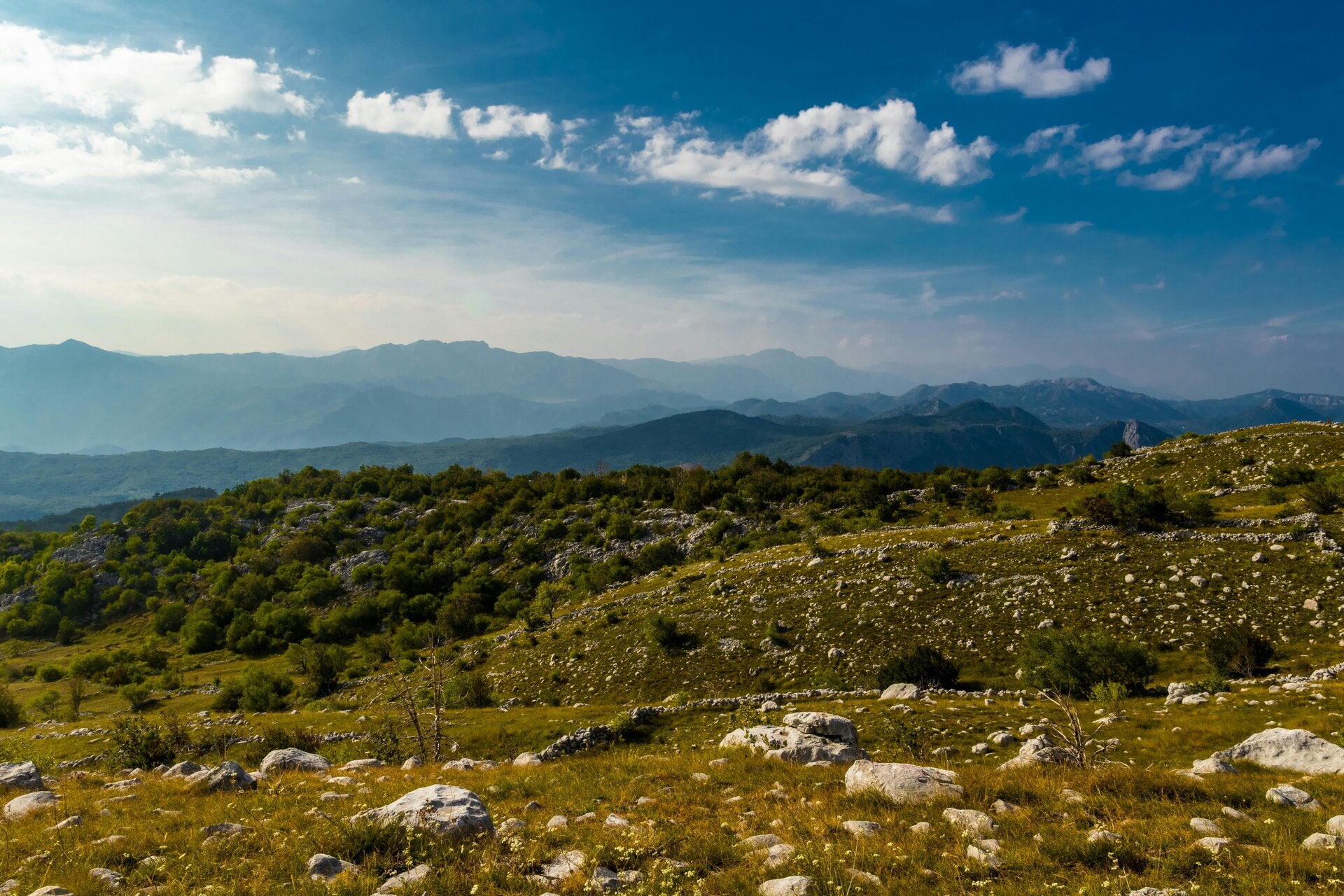
Preserving history and Zep Tepi technology
Our mission extends to preserving the rich history of the House of Ventimiglia, particularly its historic religious artifacts and the technological marvels of the Zep Tepi era. This commitment ensures that the profound impact and contributions of the family in Montenegro are never forgotten, honoring their legacy for future generations.