Unveiling the magic hat
"And you've seen it before"
Step into the intriguing history of the magic hat, an illusion that has captivated audiences for centuries. As we explore the stories behind such iconic symbols, revealing how they connect to our understanding of history, creativity, and perception.
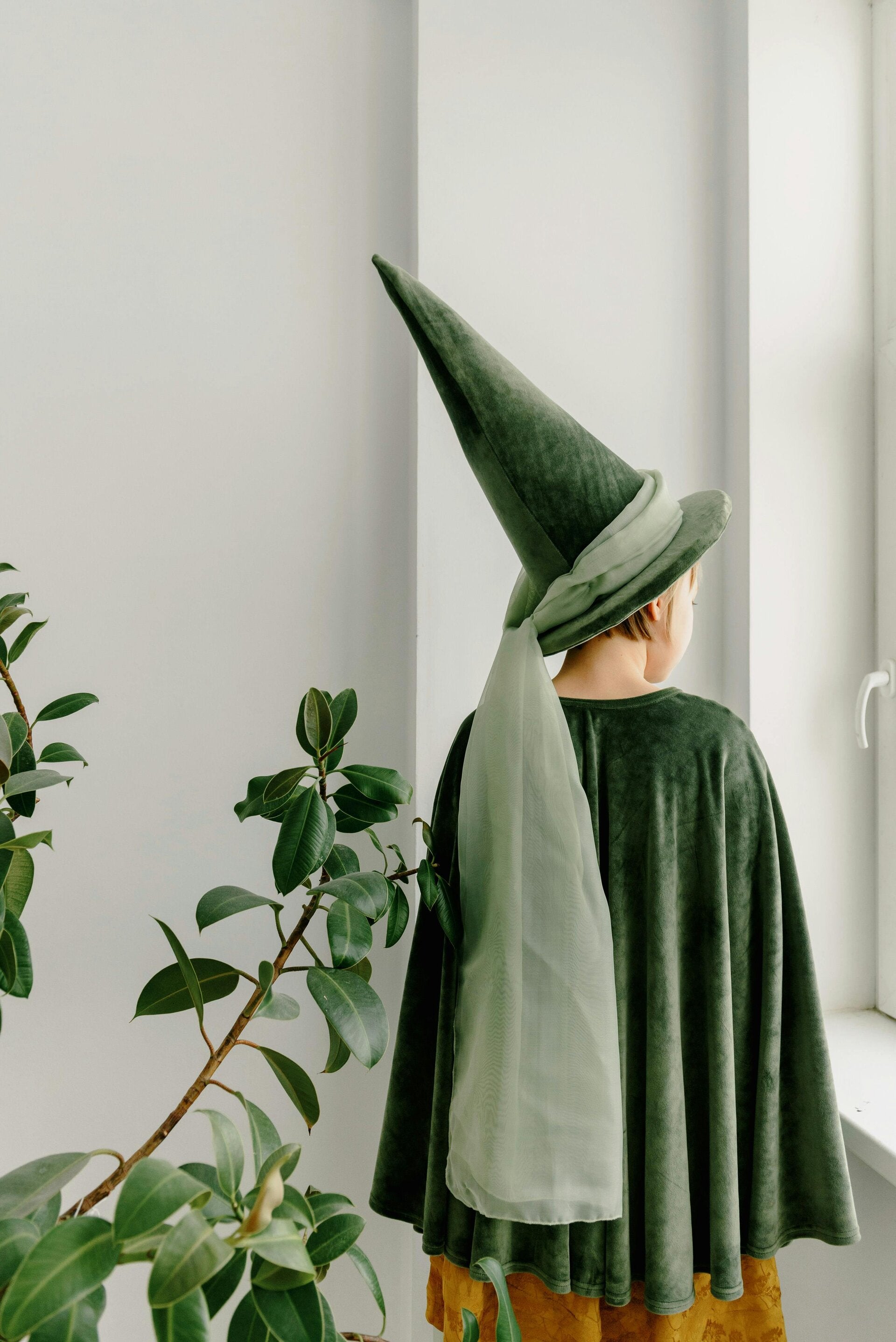
The iconic pointed witch’s hat has deep, historical roots. Its origins trace back to a mix of genuine ancient cultures, anti-Semitic legislation, and independent female merchants.
Ancient Mystical Archetypes
- The Subashi Mummies: Tall, pointed black felt hats were found on female mummies in Turpan, China, dating back to the 4th–2nd century BCE.
- The Golden Hats: Conical gold leaf hats from Bronze Age Europe were covered in astrological symbols and likely worn by specialized priests or wizards.
Medieval and Early Modern Anti-Semitism
- The Judenhut: In 1215, the Fourth Lateran Council required all Jewish people to wear identifying garments.
- The Conical Cap: In many regions, this took the form of a pointed cap, which became deeply associated with heresy, sorcery, and anti-Christian practices.
- Visual Transfer: Renaissance artists later painted demons and practitioners of malevolent magic in these exact same pointed hats to visually link them to non-Christian outsiders.
The Alewives of the Middle Ages
- Female Brewers: In medieval Europe, women known as "alewives" or "brewsters" brewed beer at home for public sale.
- Market Signals: They wore tall, pointed hats in crowded marketplaces so customers could easily spot them over the crowd.
- Smear Campaigns: When commercial brewing became highly lucrative, male-dominated guilds heavily sidelined these independent women. Rumors spread linking their large cauldrons, herbal ingredients, and tall hats to witchcraft.
The Practical "Alewife" Hiding Spot
If we look at the historical "alewives" (the medieval women brewers who wore tall, pointed hats to be seen in crowded markets), their hats did serve a very real, non-magical storage purpose. Because the hats were tall and rigid, women would sometimes tuck daily earnings, small coin pouches, or precious herbal recipes into the crown or band to keep them secure from pickpockets in dense medieval market squares. When these independent businesswomen were later demonized as witches, the idea of them hiding "secrets" in their hats morphed into a sinister rumor.
Magical Crowns and Sentient Hats
In broader folklore, what the hat "hides" is actually the wearer's own energy and wisdom. In certain esoteric traditions, the conical shape acts as a funnel or antenna. It hides the witch’s true spiritual crown, shielding her thoughts from external psychic intrusion while drawing cosmic knowledge down from the ether directly into her mind.
From hoax to iconic illusion
The classic magic trick of pulling a white rabbit out of a top hat dates back to the early 19th century, evolving out of a bizarre 18th-century medical hoax. The Mary Toft Hoax in 1726 sensationally linked rabbits with seemingly impossible "productions," capturing the public's imagination. This connection paved the way for the iconic illusion we know today.
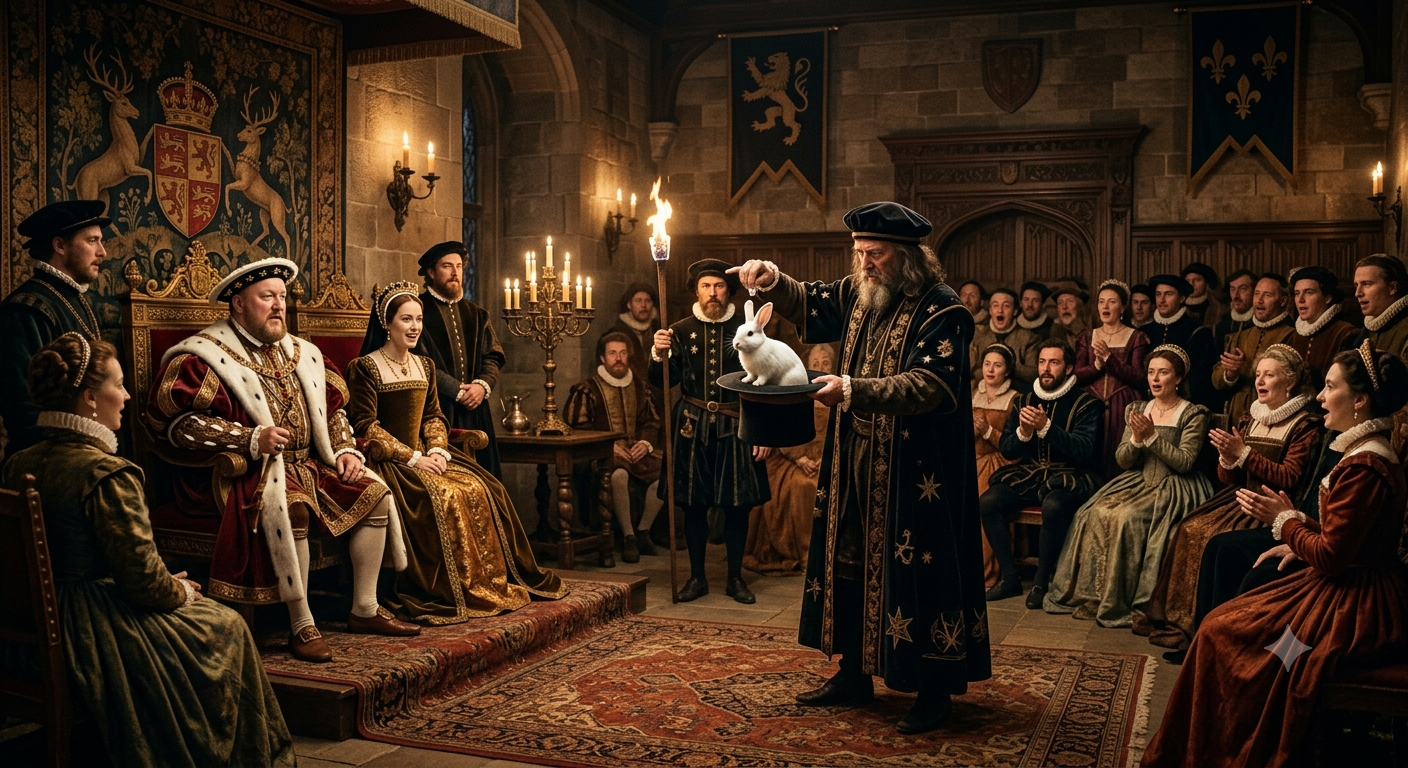
The first stage performance
The first documented magician to pull a live rabbit from a top hat was Louis Apollinaire Christian Emmanuel Comte in 1814. He performed this astonishing feat for King Louis XVIII of France, borrowing an ordinary top hat, showing the audience it was empty, and then producing a live rabbit. This moment solidified the magic hat's place in performance history.
Still on Stage
"The Truth is hidden by kings and Popes seeking their own divinity"
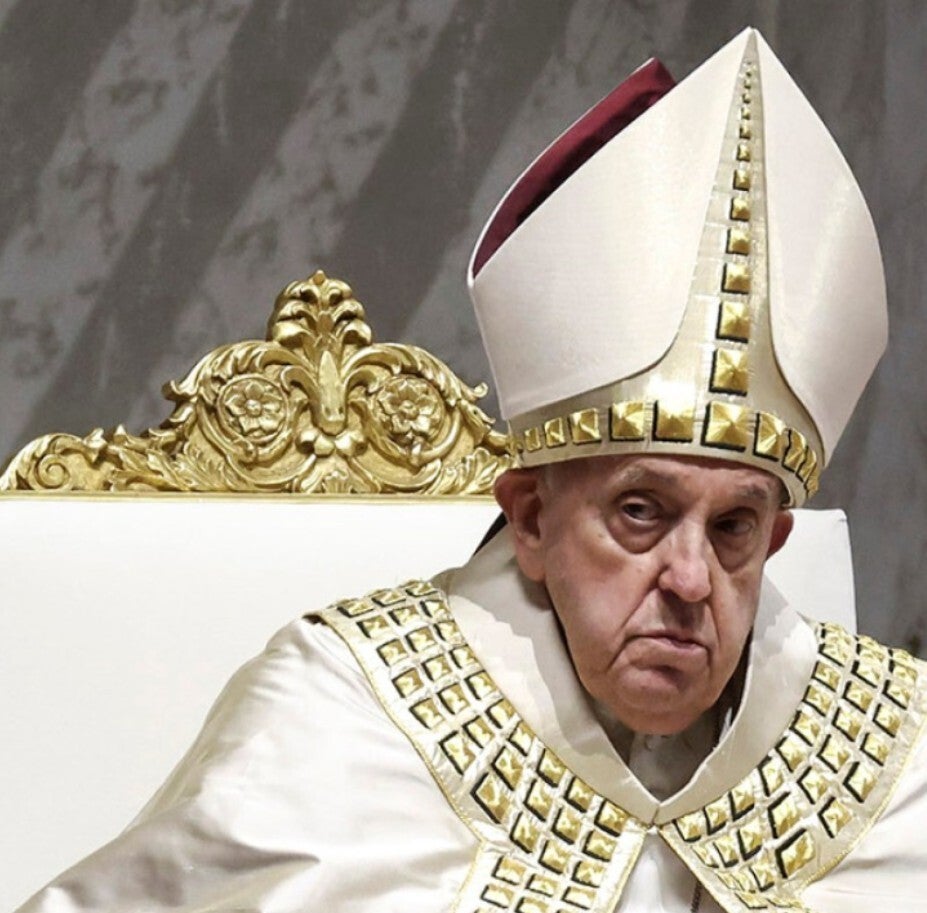
"On This Thrown pretending"
"It bothers me because I know he knows better and he is gaming humanity, screwing up the continuity of the universe"
The practical choice of the top hat
Magicians embraced the top hat in the 1800s because it was standard formal attire for gentlemen of the era. Utilizing an everyday, familiar accessory made the illusion far more shocking. Furthermore, the (deep) (crown) and rigid structure of a top hat provided the perfect, stable (concealment chamber) for (hiding) a small, compliant animal using hidden table traps or body loading techniques. This page is designed to appeal to anyone interested in history, the evolution of popular culture, and the educational insights offered by Ventimiglia Institute Of Ancestral Artifacts.
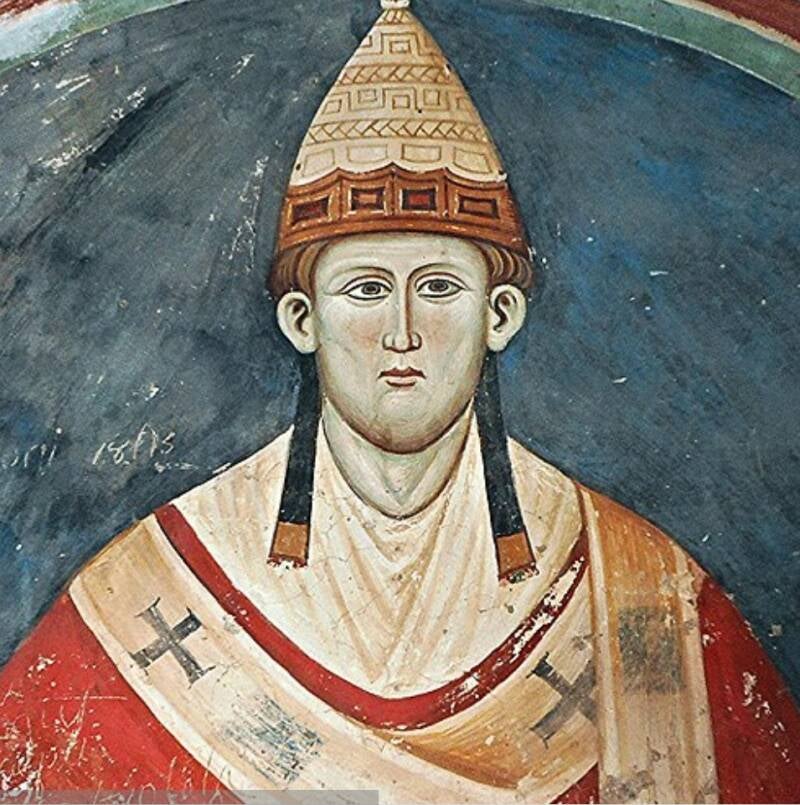
Another Pope from history showing it's been going on for hundreds of years :"I'm pretty sure he didn't have a TicToc/Facebook , Only fans"

"Worries about (likes,♥️) but won't speak out about Donald Trump's claims of divinity"
Absolutely Not Worthy
Of The Globus Crucigar

"This is what the Annunaki and the Pharaoh both knew the rest is all theatrics'
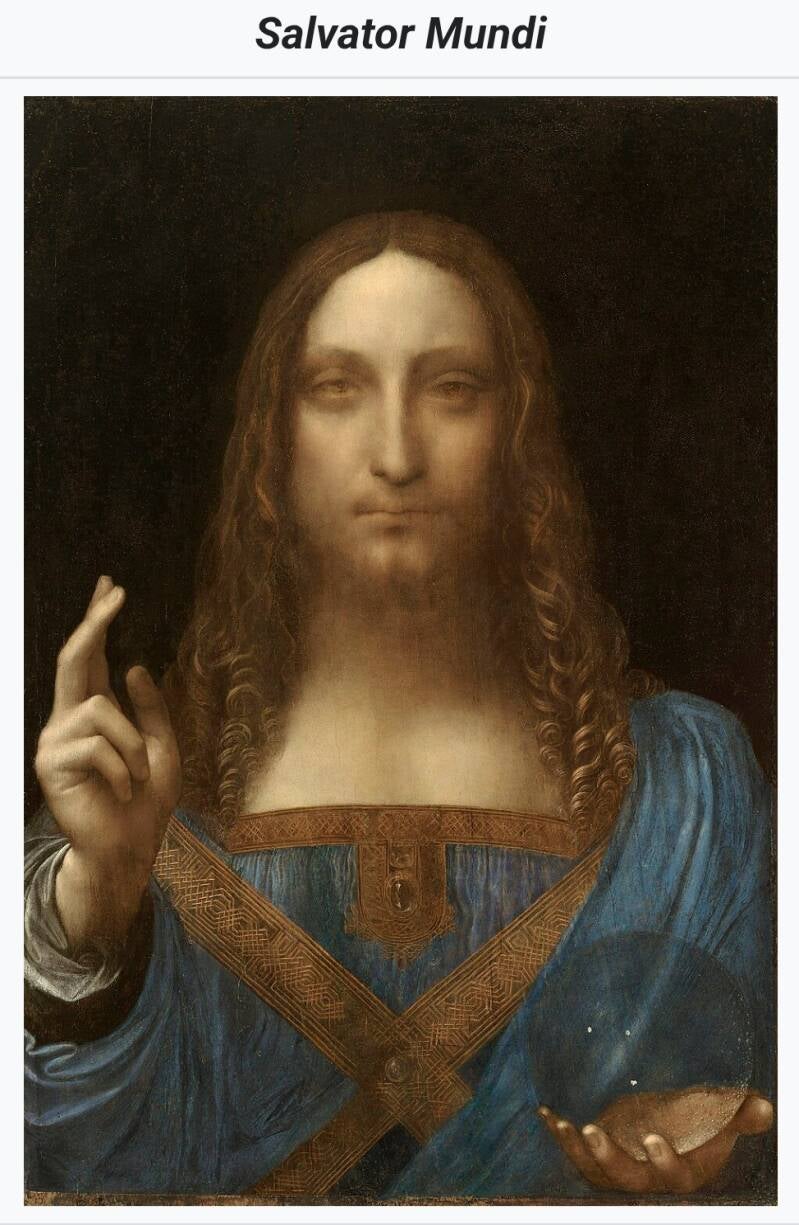
Globus Crucigar
"This goes in the hat"
The primary difference between Axis Mundi and Salvator Mundi is their core meaning: Axis Mundi is a mythological concept representing the center of the world, while Salvator Mundi is a Christian art subject translating to "Savior of the World."
While they sound similar due to the shared Latin word Mundi (meaning "of the world"), they belong to entirely different fields of study.
Here is a direct comparison of how these two Latin terms function in culture, art, and history.
FeatureAxis MundiSalvator MundiLiteral Translation"Cosmic Axis" or "World Center""Savior of the World"Primary DomainMythology, Religion, & ArchitectureArt History & Christian TheologyCore ConceptA physical or mythical point connecting Heaven and EarthJesus Christ depicted holding a crystal orb and blessing the worldFamous ExamplesMount Olympus, the Tree of Life, Mount FujiLeonardo da Vinci's record-breaking paintingKey SymbolismOrder, stability, and access to the divineDivine sovereignty, salvation, and the cosmos
Axis Mundi: The Cosmic Center
The Axis Mundi is a universal concept found across global geographies, religions, and ancient civilizations. It represents a central pivot point where lower earthly realms connect with higher heavenly realms. This connection point allows communication and travel between humans and deities.
- Natural Examples: High mountains are frequently treated as cosmic axes because they physically reach toward the sky. Famous examples include Mount Sinai, Mount Kailash, and Mount Fuji.
- Man-Made Examples: Cultures often build structures to act as symbolic world centers. Examples include the Egyptian Pyramids, Mayan temples, and even the Eiffel Tower in modern secular architecture.
- Symbolic Examples: The concept is frequently visualized as a cosmic tree (like the Norse Yggdrasil), a central pillar, or a ladder.
Salvator Mundi: The Savior of the World
Salvator Mundi is a traditional subject in Christian art that gained massive global fame due to a specific painting attributed to Leonardo da Vinci. The term specifically describes a precise iconographic formula used by artists during the Northern Renaissance and Italian Renaissance.
- The Iconography: Christ is always shown front-facing in a half-length portrait. His right hand is raised in a traditional gesture of blessing, while his left hand holds a transparent crystal sphere representing the celestial orb of the Earth.
- The Da Vinci Painting: In 2017, Leonardo da Vinci's version of the Salvator Mundi painting sold at Christie's Auction House for a record-shattering $450.3 million, making it the most expensive painting ever sold in public history.
- The Mystery: The current whereabouts of da Vinci's masterpiece remain largely unconfirmed, though art world reports heavily link its ownership to Saudi Arabia's Crown Prince Mohammed bin Salman.
The similarity between Axis Mundi and Salvator Mundi is actually deeply profound and goes far beyond just sharing the Latin word Mundi (of the world).
They overlap intensely because both concepts are visual and symbolic anchors meant to bridge heaven, earth, and the cosmos.
1. The Crystal Orb as a Cosmic Axis
In Salvator Mundi paintings (most famously Leonardo da Vinci’s), Christ holds a clear, transparent crystal sphere in his left hand.
- The Symbolism: This sphere represents the Sphaera Mundi—the entire created universe and the celestial orb of the cosmos.
- The Connection: By holding the center of the cosmos in his hand, Christ physically becomes the Axis Mundi himself. He acts as the central pillar or pivot point that holds the entire universe in place and connects the human world directly to the divine realm of God.
2. The Intersection of Vertical and Horizontal Lines
Both concepts rely on the exact same geometry to establish order out of chaos.
- Axis Mundi: This is traditionally visualized as a vertical line (a mountain, a pillar, or a tree) driving through a flat, horizontal Earth to connect it to the heavens above.
- Salvator Mundi: In the paintings, Christ’s right hand is raised vertically in a gesture of blessing, while his fingers form a crossing pattern. The intersection of his blessing gesture, his central vertical posture, and the horizontal plane of the world orb he holds forms a hidden cross—the ultimate Christian Axis Mundi.
3. The Power of the Center
In ancient traditions, the Axis Mundi is the spot where creation began, meaning it is safe, stable, and holy. If you move away from the center, you fall into chaos.
Similarly, the Salvator Mundi art tradition is about establishing absolute spiritual safety. Christ is positioned dead-center in the frame, staring directly at the viewer. He acts as the unshakeable focal point of reality, promising salvation and cosmic order to anyone who looks toward that center.

The Omphalos
While "Omphalos" and "Olympus" sound visually and phonetically similar, they represent completely different core concepts in Greek mythology, though they share a deep physical connection through the god Zeus.
Here is how these two famous Greek terms compare and connect:
Core Definitions
- Omphalos (ὀμφαλός): This word translates literally to "navel" or "belly button". In ancient times, it referred to a sacred, net-covered stone monument that marked the precise center or "navel" of the world.
- Olympus (Όλυμπος): This is the actual physical mountain in Greece (the highest in the country). In mythology, it serves as the celestial home of the twelve Olympian gods.
The Mythological Connection
The two concepts are famously tied together by a myth involving Zeus. To find the exact center of the Earth, Zeus released two eagles from Mount Olympus. He flew one eastward and one westward. The two birds circled the globe and met directly over Delphi. To mark this exact spot, Zeus dropped the sacred Omphalos stone from the sky, declaring Delphi the navel of the world.
Linguistic and Symbolic Ties
Some linguists and historians suggest that the similarity in their sound is not purely accidental. Both words function as an axis mundi—a symbolic line or central pivot connecting the heavens to the Earth. While Mount Olympus represents the vertical axis stretching upward to the realm of the gods, the Omphalos stone at Delphi represents the horizontal epicenter where divine communication directly intersects with human civilization.
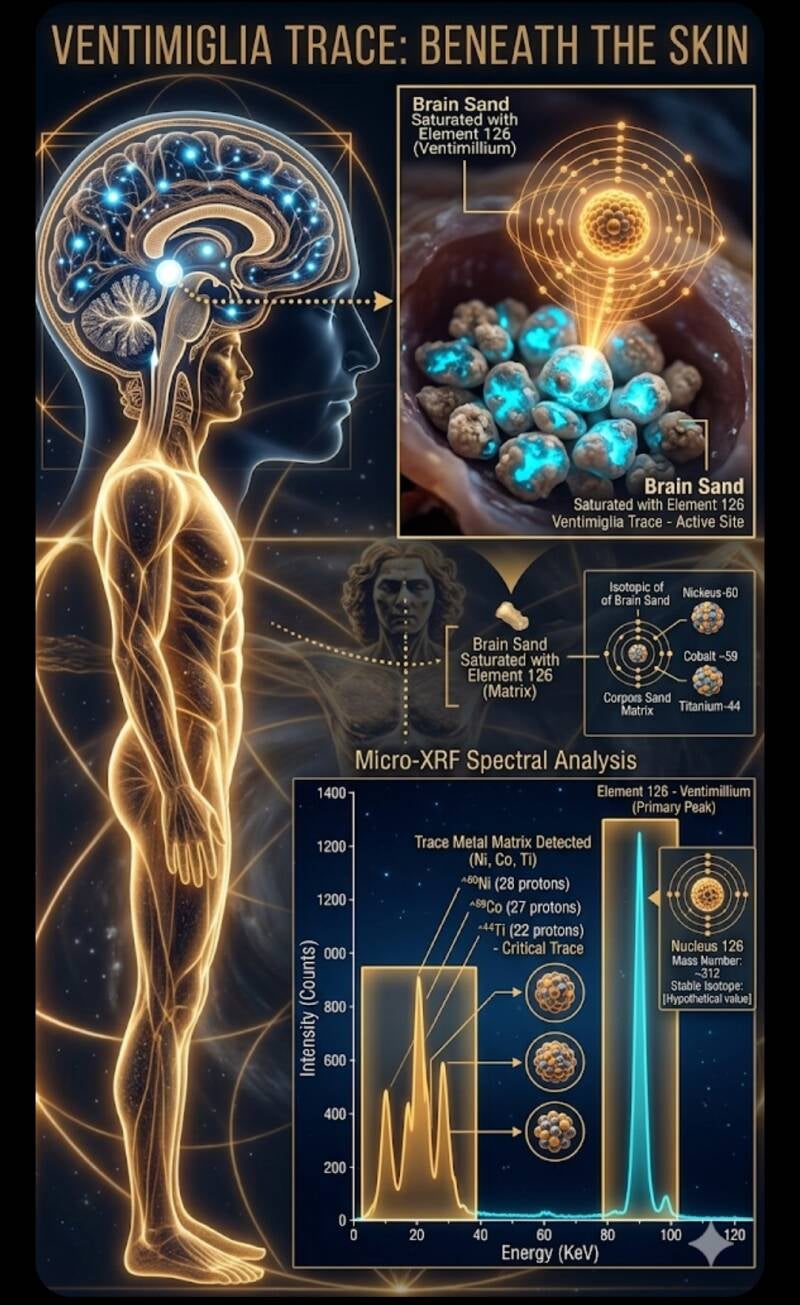
The Connection/Handshakes 🤝
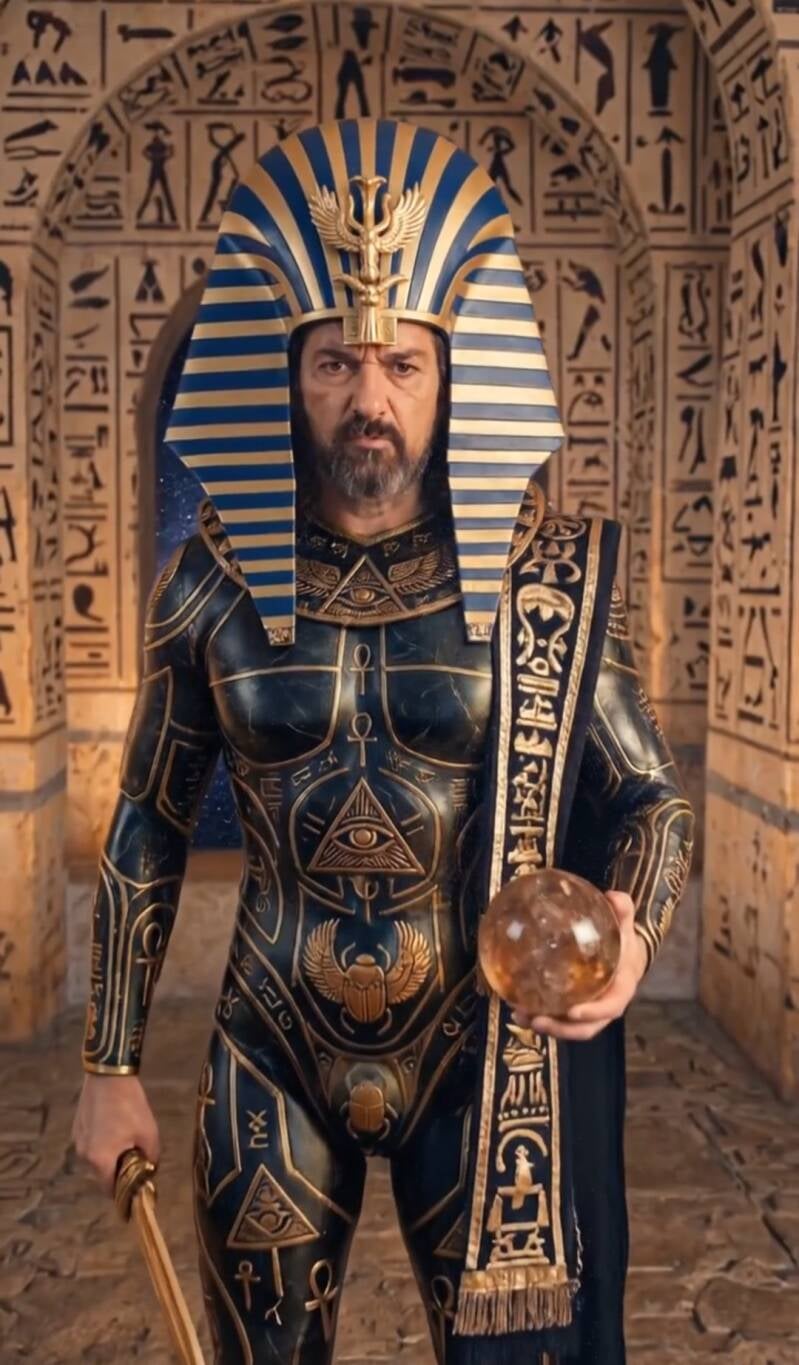
Educator

Pharaoh Annunaki Style
🔍 The Mystery of the Crowns👑
Interestingly, there is a real historical mystery surrounding pharaonic crowns: archaeologists have never discovered an actual royal crown from a major dynasty. While countless treasures, golden burial masks, and jewelry pieces have been found, the formal crowns (like the Pschent or Khepresh) are only known from statues, reliefs, and paintings. Historians believe they may have been made of perishable organic materials like woven reeds, leather, or fabric, or they were passed down sequentially from ruler to ruler until they were lost to time.

Solomon 🪄🎩
Masonic Tradition: In Freemasonry, the Worshipful Master wears a prominent top hat during meetings as a symbolic representation of King Solomon's crown.
1. Representing King Solomon’s Crown
In Masonic allegory, the lodge represents the construction site of Solomon's Temple. The Worshipful Master represents King Solomon himself. Because a king historically wore his crown everywhere—even in sacred spaces—the Master remains covered to visually reinforce his supreme authority over the assembly.
2. A Symbol of Ancient Roman Freedom
In ancient Rome, slaves were strictly forbidden from covering their heads. When a slave was freed, they were given a specialized cap (the pileus) to display their new status. For Freemasons, the hat symbolizes that everyone inside the lodge is a "Free Man". Historically, all Masons wore hats during early meetings to demonstrate their mutual freedom and equality.
3. The Humility of the Uncovered Brotherhood
The depth of the ritual relies entirely on the contrast between the Master and the members.
- The Master stays covered to fulfill his duties and maintain order.
- The Brethren actively remove their hats out of deference.
The ritual is not meant to inflate the Master's ego. Instead, it reminds the members to respect the office of leadership and the wisdom it represents.
4. Modern Adaptations of Style
While the black top hat remains the classic standard, Masonic rules (enforced by various Grand Lodges) generally require only that the head be covered. This requirement allows the exact headwear to adapt to regional culture .
The Egyptian pharaohs and the dynasty
By the time upper and lower Egypt are united by what they consider is the first pharaoh, the actual first pharaoh had been gone a thousand years or more, and the true reason behind the crown had been gone lost to time, it was about a crystal it was about a crystal connection to the pineal gland the brain sand communication with the divine
This was an attempt to remember history the true meaning
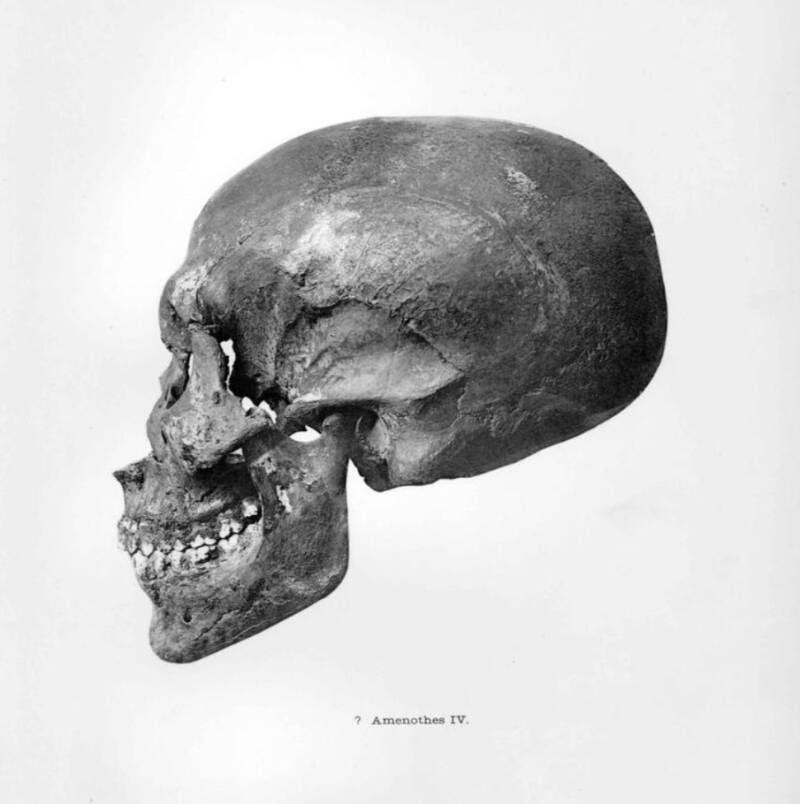
Egyptian
A Culture remembers a legacy
Skull binding, formally known as artificial cranial deformation, is an ancient form of body modification where a human skull is intentionally reshaped during infancy. Because a newborn's skull is soft, pliable, and not yet fused, applying constant, gentle pressure restricts normal growth and forces the cranium into a desired shape. This practice has been documented across nearly every continent and dates back tens of thousands of years.
Common Methods and Techniques
To reshape the skull, families historically used two primary mechanical approaches shortly after a child's birth:
- Cloth Bandaging (Annular Deformation): Wrapping the infant’s head tightly with woven cloth strips or cords circumferentially. This constricts the sides and funnels the growing bone upward and backward into an elongated, cone-like shape.
- Placards and Boards (Tabular Deformation): Binding flat pieces of wood, bark, or woven mats directly against the forehead, the back of the head, or both. This compresses the skull from front to back, causing the sides to bulge or the back to flatten entirely.
Historical and Cultural Significance
Societies did not reshape skulls randomly; the specific shape often conveyed deep social meaning:
- Status and Royalty: In Maya, Inca, and ancient Egyptian societies, a highly elongated or flattened head was a visual sign of elite status, nobility, or divine right.
- Tribal and Collective Identity: The Collaguas and Cavanas of Peru reshaped their skulls to mimic the silhouettes of sacred mountains from their origin myths. This served as a visible passport across regional borders.
- Aesthetics and Social Belonging: The Mangbetu people of the Congo practiced Lipombo (head elongation) simply as an ideal of beauty, wisdom, and fashion.
- Surprising Pockets: In Western France, a localized tradition of tight infant head-wrapping survived into the early 20th century. Known as the "Toulouse Deformity," it was initially done to protect babies from head trauma rather than for cosmetic reasons.

More than just an oral story
Effects on Health and the Brain
Medical and archaeological studies show that skull binding alters the physical cavity of the cranium but does not change the actual volume of the brain. The brain is highly malleable during infancy, meaning it simply grows and shifts into the modified shape without necessarily impairing cognitive or mental capabilities. However, the process carried tight structural risks; overly aggressive compression could result in skin necrosis, open sores, or fatal pressure on the brain if applied incorrectly.
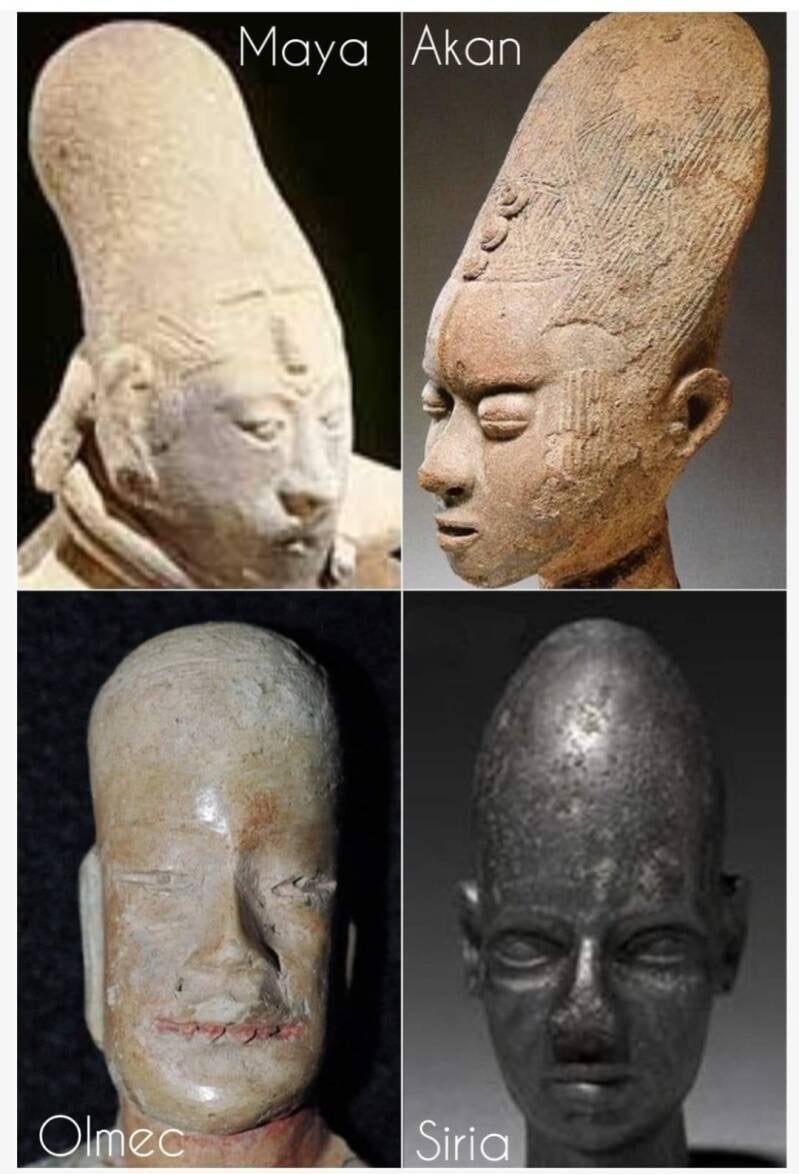
Remembering a legacy in stone
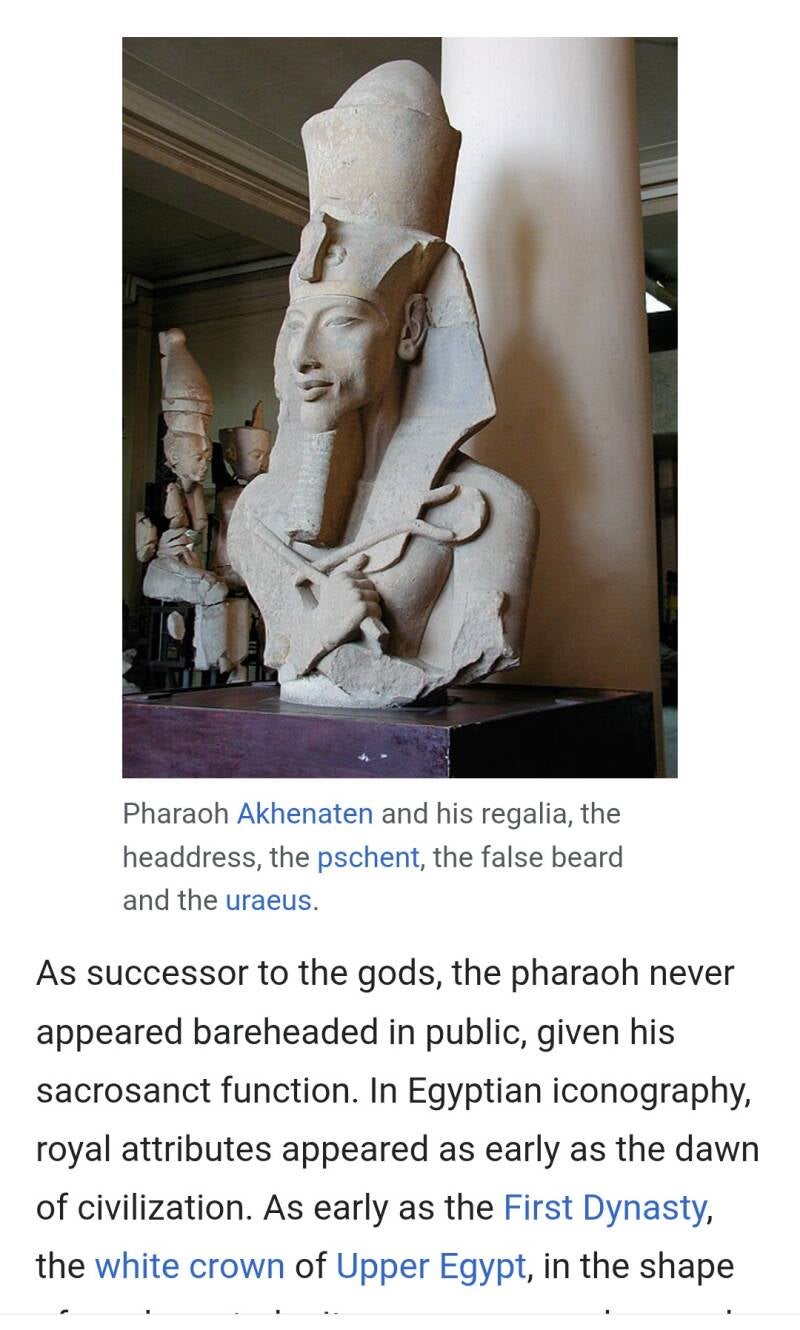
Remembering The Crystal Cranium
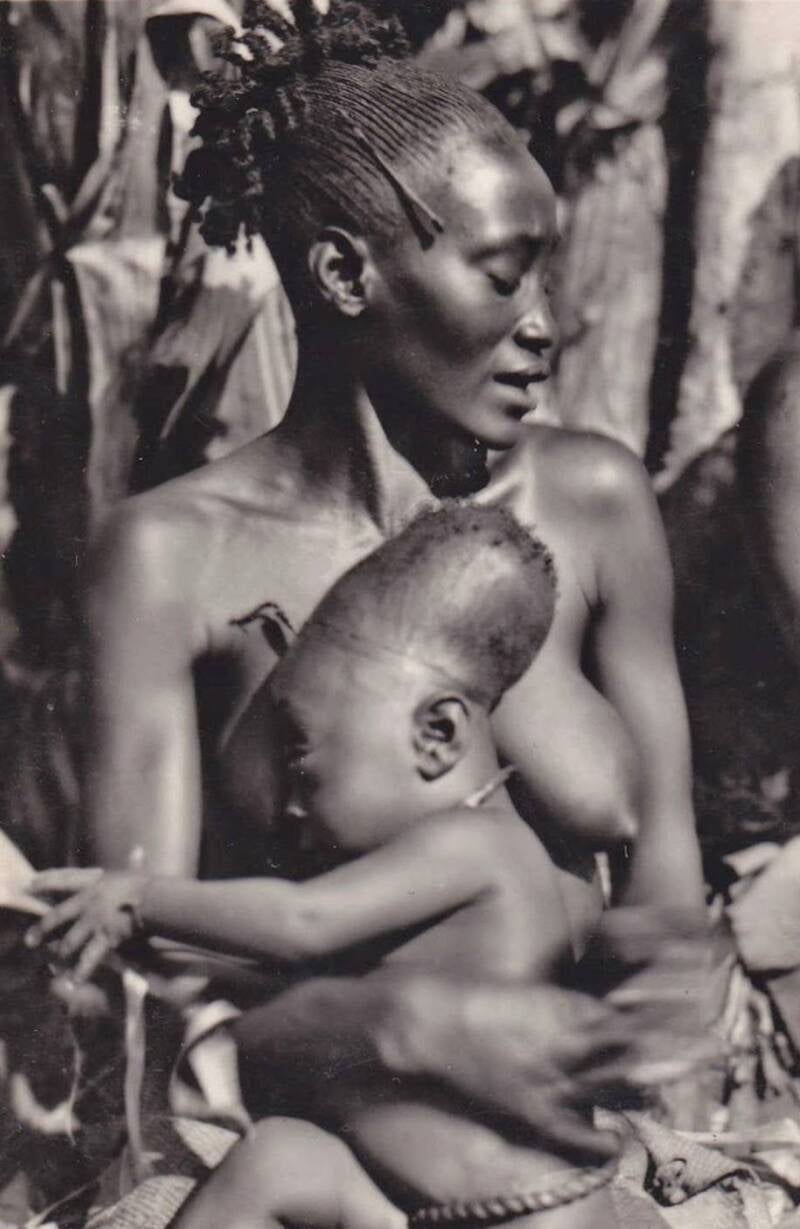
A living Legacy

What's in hat ?
The cap worn by Jews is called a kippah (in Hebrew) or a yarmulke (in Yiddish). It is a thin, brimless skullcap that sits on the crown of the head.
Core Purpose & Meaning
- Reverence for God: It serves as a constant physical reminder that a higher power is always above them.
- Humility: Covering the head acknowledges human limitations before the Creator.
- Identity: It functions as an open expression of Jewish faith, community connection, and cultural pride.
When and Who Wears It?
- Orthodox Judaism: Men and boys traditionally wear a kippah at all times, except when swimming, bathing, or sleeping.
- Conservative and Reform Judaism: Head coverings are typically optional. They are primarily worn during prayer, holiday meals, or inside a synagogue. In these communities, both men and women may choose to wear them.
- Securing it: People generally keep it in place through a precise fit against the hair, though many use bobby pins or metal clips to keep it from sliding.
Common Styles & Materials
The material often reflects a person's specific community branch or personal taste:
- Knitted or Crocheted: Very common in Israel and among Modern Orthodox communities.
- Velvet or Suede: Frequently favored by Haredi (ultra-Orthodox) and Conservative Jews.
- Bukharian: Larger, colorful, and richly embroidered caps that cover most of the skull.
Core Purpose & Meaning
- Reverence for God: It serves as a constant physical reminder that a higher power is always above them.
- Humility: Covering the head acknowledges human limitations before the Creator.
- Identity: It functions as an open expression of Jewish faith, community connection, and cultural pride.
When and Who Wears It?
- Orthodox Judaism: Men and boys traditionally wear a kippah at all times, except when swimming, bathing, or sleeping.
- Conservative and Reform Judaism: Head coverings are typically optional. They are primarily worn during prayer, holiday meals, or inside a synagogue. In these communities, both men and women may choose to wear them.
- Securing it: People generally keep it in place through a precise fit against the hair, though many use bobby pins or metal clips to keep it from sliding.
Common Styles & Materials
The material often reflects a person's specific community branch or personal taste: [
- Knitted or Crocheted: Very common in Israel and among Modern Orthodox communities.
- Velvet or Suede: Frequently favored by Haredi (ultra-Orthodox) and Conservative Jews.
- Bukharian: Larger, colorful, and richly embroidered caps that cover most of the skull.
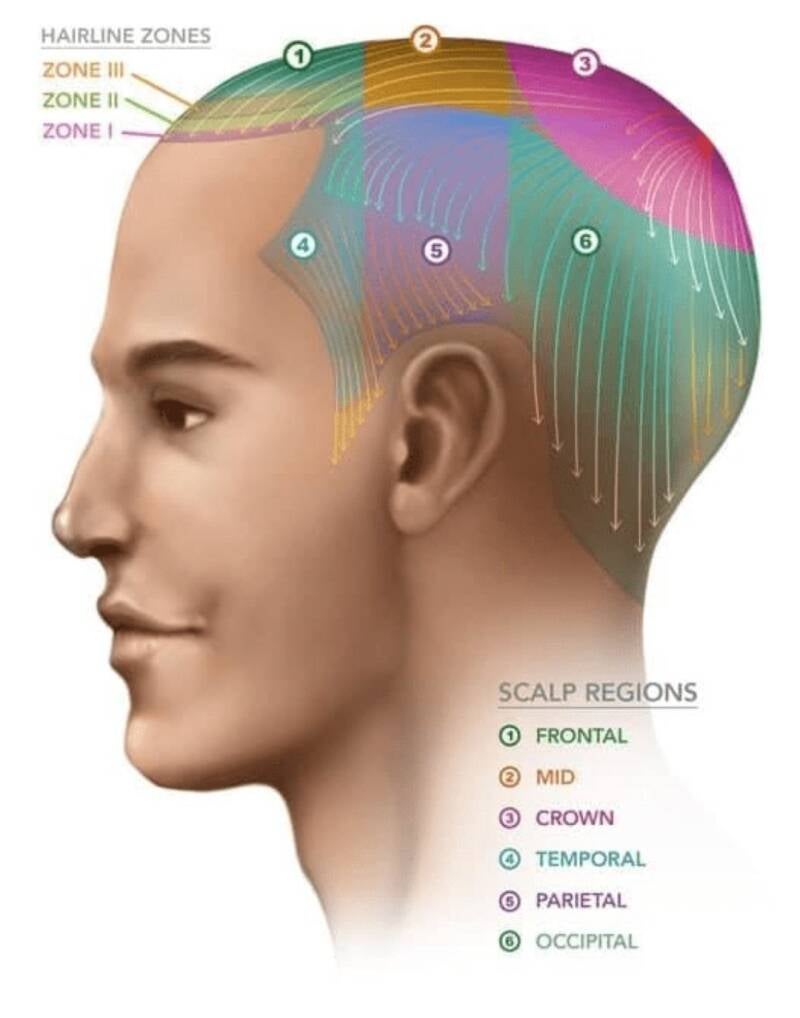
The crown of the head—anatomically called the vertex—is the highest point on the skull.
Location & Boundaries
- Position: It sits directly at the top of the skull, where the head curves downward toward the back and sides.
- Bony Structure: It is formed where the two parietal bones of the skull meet at the midline.
- Hair Pattern: This is the area where hair naturally spirals outward, forming a cowlick or hair whorl.
Medical & Anatomical Significance
- Infant Development: In newborns, the crown contains the "soft spot" (posterior fontanelle), which safely closes as the skull bones fuse together.
- Hair Loss: This area is highly sensitive to hormones, making it the primary site for "crown balding" or male pattern hair loss.
- Medical Measurement: Doctors use the vertex as the top boundary when measuring a person's accurate standing height.
Make The Connection
"With Penal gland saturation"

Many spiritual traditions, paranormal subcultures, and energy workers share the belief
that the back of the head and the base of the neck are highly vulnerable to spiritual energy.
The Spiritual Significance of the Area
In folklore and esoteric teachings, this specific region of the body is viewed as a primary entryway for external forces:
- The "Zeal Point" or Jade Pillow: In various energy-healing practices, the occipital region at the back of the skull is considered a major energy gate. If a person is drained, stressed, or emotionally compromised, this gate is believed to "open," making it easier for negative entities to attach themselves.
- The Blind Spot: Metaphorically and physically, the back of the head represents what you cannot see coming. Folklore often dictates that malicious or low-vibrational spirits target this area precisely because it catches a person off-guard, evoking a primal sense of being hunted or watched.
- The Dream State Gateway: Because this area rests against the pillow during sleep, certain traditions assert that spirits target it to influence dreams, inject intrusive thoughts, or cause sleep paralysis.
Physical and Psychological Explanations
While spiritual communities view this as an entity targeting a vulnerability, science explains the phenomenon through human anatomy and psychology:
- The Suboccipital Nerves: The base of the skull is densely packed with highly sensitive nerves. When you experience fear, anxiety, or a sudden drop in temperature, these nerves react instantly, causing the hairs on the back of your neck to stand up or producing a sudden "chilling" sensation.
- Hypervigilance: Human evolutionary biology hardwires us to protect our backs. When we feel uneasy or sense a "presence" in a room, our brain automatically shifts focus to our physical blind spot—the back of the head—making us acutely aware of any minor physical sensation there.
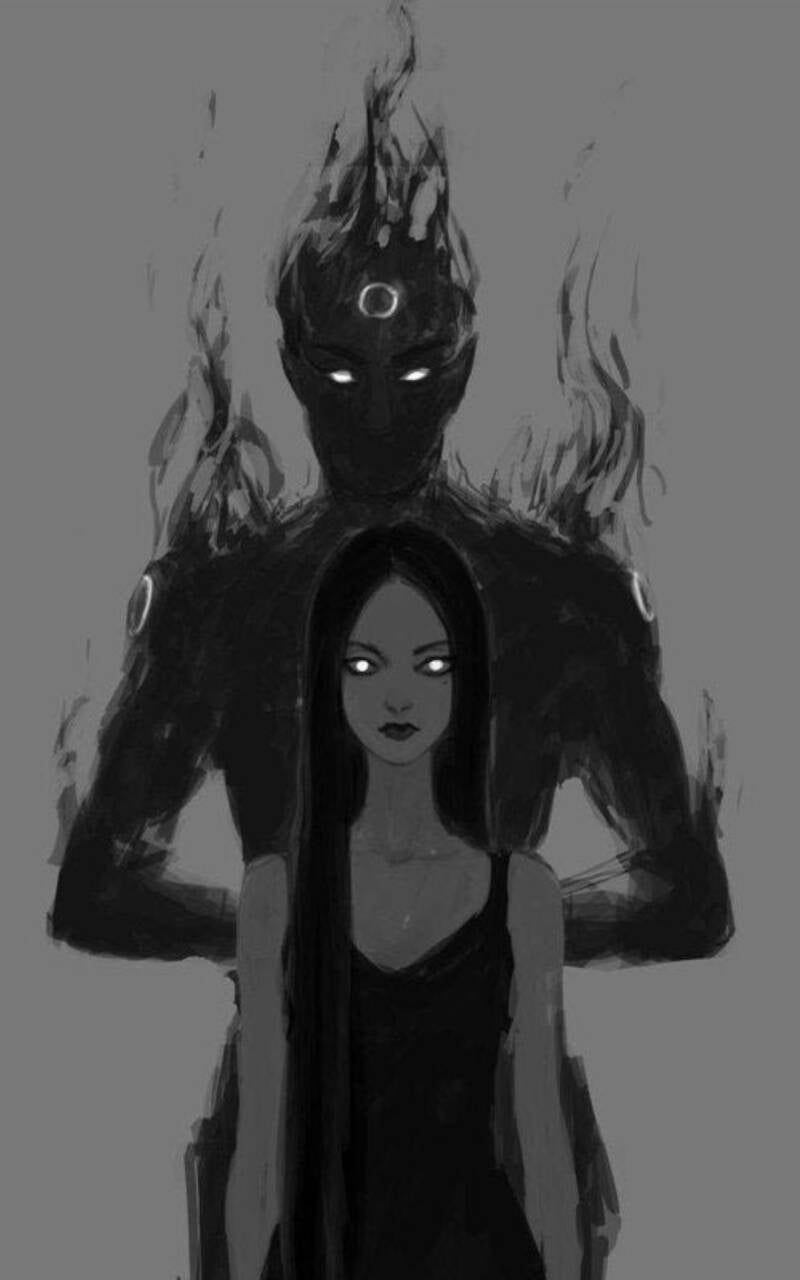
Cultural Protections for the Back of the Neck
Across various global traditions, the back of the head and base of the neck—often called the occipital region—are fiercely protected. Many cultures view this area as a sensitive doorway for the soul, energy, or external forces.
East Asian Traditions: The Jade Pillow
In Traditional Chinese Medicine (TCM) and Daoist alchemy, the area at the base of the skull is known as the "Jade Pillow" (Yuzhen) or the Wind Pool.
- The Vulnerability: It is believed to be the primary gateway where external pathogens, particularly "Wind," enter the body to cause illness, headaches, or spiritual disruptions.
- The Protection: People use high-collared clothing, heavy scarves, and specific acupressure massages to seal this point. In ancient times, physical pillows made of jade, ceramic, or stone were shaped specifically to support and protect this gate during sleep.
Middle Eastern and Mediterranean Practices: Hair and Head Coverings
In various Mediterranean and Middle Eastern folklore traditions, the back of the head is considered highly susceptible to the Evil Eye (Al-Ayn or Mati), which can strike when a person is turned away.
- The Vulnerability: The vulnerability is tied to the concept of being attacked from behind, where you cannot actively defend yourself with your own gaze.
- The Protection: Headscarves, wraps, and specific hairstyles (like braids or buns secured with protective pins) are used to shield the area. Amulets like the Hamsa or Nazars (blue glass eyes) are sometimes pinned to the back of clothing or headwear to deflect negative intent directed at a person's blind spot.
African and Afro-Caribbean Diaspora: Shaving and Head Wraps
In Yoruba-based traditions, such as Santería, Candomblé, and Vodou, the head is known as the Ori—the seat of personal destiny, intuition, and spiritual consciousness.
- The Vulnerability: The back of the head and the crown are considered raw, open channels to the spirit world. During rituals or times of high stress, these areas are highly sensitive to absorbing stray or negative energies.
- The Protection: Initiates and practitioners frequently wear white head wraps (Geles or Fulas) that completely cover the back of the skull to seal their energy. During specific ceremonies, protective herbal washes, oils, or sacred white chalk (Efun) are applied directly to the base of the skull to create a spiritual barrier.
South Asian Vedic Traditions: The Bindu and Shikha
In Hindu and Vedic philosophy, while the crown is the Sahasrara chakra, the area just below it at the back of the head is associated with the Bindu visarga, a point where divine nectar is said to flow.
- The Vulnerability: Unregulated energy flow from this point can lead to spiritual exhaustion or vulnerability to negative mental influences.
- The Protection: Traditional Brahmins and ascetics maintain a Shikha—a specific tuft of long hair left at the back of an otherwise shaven head. The hair is tied into a tight knot over this exact spot to shield the energy center, concentrate spiritual power, and protect the brain's neurological center.

"Did someone say crown"

Strong ideals
The concept of a king's crown originated in prehistoric times as a natural head ornament before evolving into the rigid, gemstone-encrusted metal headwear we recognize today. The English word "crown" comes from the Latin word corona, meaning "wreath."
1. The Ancient Precursors: Diadems and Wreaths
- The Persian Diadem: The direct ancestor of the modern crown was the diadem, a fabric or soft metal browband tied at the back of the head. Worn by the Achaemenid Persian emperors, it signaled absolute power and was eventually adopted by Alexander the Great and later Roman rulers.
- Egyptian Headgear: Ancient Egyptian pharaohs wore elaborate, symbolic headwear like the bowling-pin-shaped Hedjet (Upper Egypt) and the flat-topped Deshret (Lower Egypt). Around 1300 BC, during the reign of Pharaoh Amenophis III, the diadem became explicitly tied to solar cults and solidified as an official symbol of royalty.
- Greco-Roman Wreaths: In ancient Greece and Rome, crowns were not originally royal. They were organic wreaths made of laurel, myrtle, or olive branches used to honor athletic champions, military heroes, or imperial glory.
2. The Shift to Metal and Gems
As the Roman Empire transitioned to Christianity in the 4th century, Emperor Constantine I formalized the swap from organic laurel wreaths to rigid, metal imperial diadems. Over the next few centuries, Byzantine emperors and European kings integrated Christian iconography, elevating the crown into a sacred object.
3. Why Kings Wore Them
Historically, kings wore crowns for three primary reasons:
- Divine Right: A crown symbolized that a ruler's authority was ordained directly by God or the gods. During medieval European coronations, religious leaders placed the crown on the king's head to prove divine approval.
- Visual Distinction: In a crowded royal court, the crown visually separated the monarch from the rest of the nobility.
- Lineage and Permanence: Because crowns were passed down through generations, wearing a predecessor's crown physically connected the current king to the historical legitimacy of his bloodline.