Kent: The Unconquered Land
Explore the rich history and unique cultural identity of Kent, a county steeped in tradition and legendary tales. Discover the divisions, the folklore, and the enduring spirit of its people.

The distinct identities of Kent
In English tradition, the River Medway loosely divides the county of Kent into two distinct cultural identities. Those born east of the River Medway, including places like Canterbury, Dover, and Folkestone, are known as Men of Kent or Maids of Kent. West of the River Medway, encompassing areas like Maidstone, Tonbridge, and Sevenoaks, reside the Kentish Men or Kentish Maids. This ancient distinction reflects a deep-seated history.
Historical origins and tribal settlements
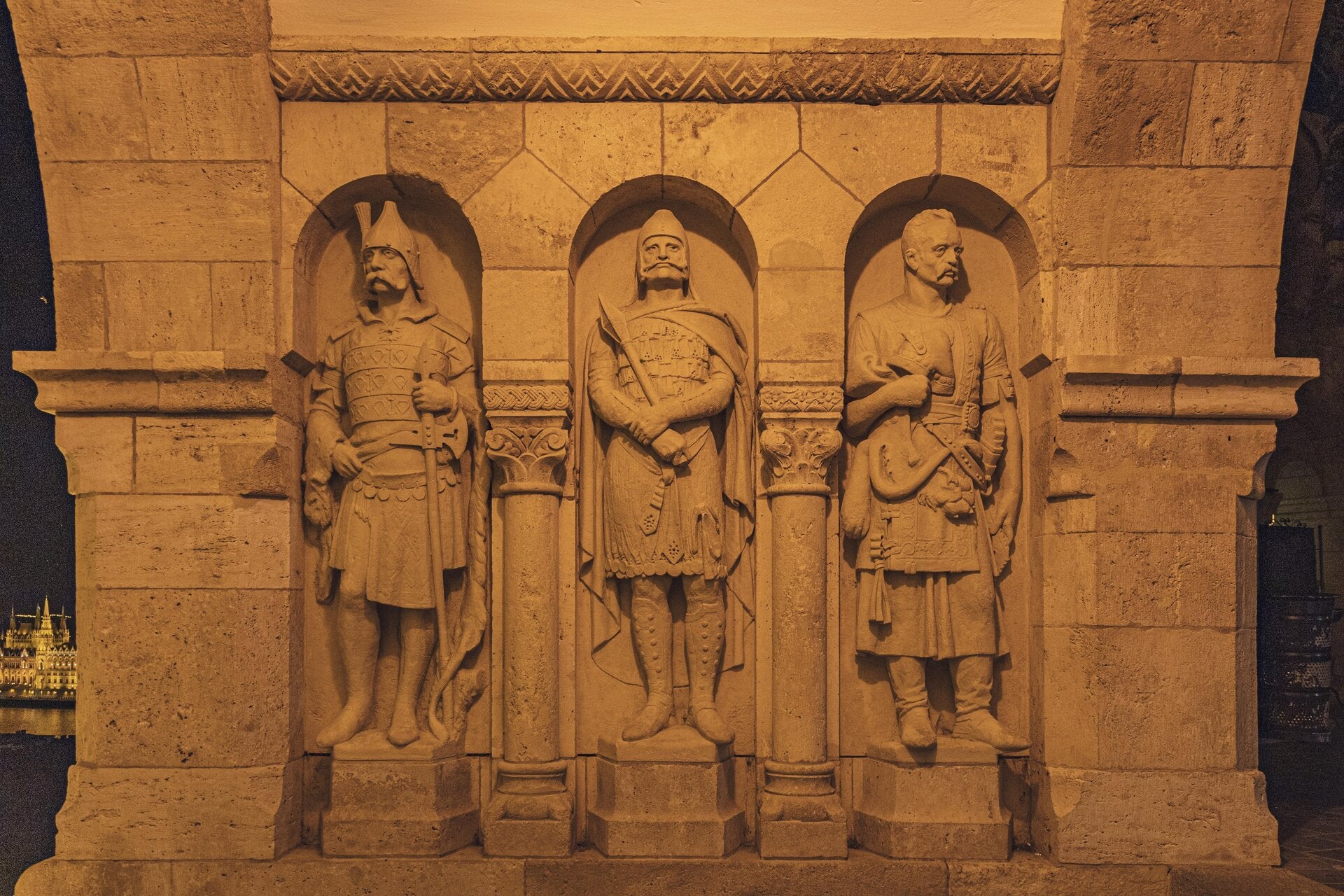
Following the Roman withdrawal in the 5th century, the Kingdom of Kent was split, laying the foundation for these regional differences. Jutes primarily settled in the east, while Saxons settled in the west, creating lasting cultural boundaries. These early tribal settlements contributed to the unique customs and traditions that define each part of Kent, shaping its heritage for centuries to come.
The legend of the unconquered Kent
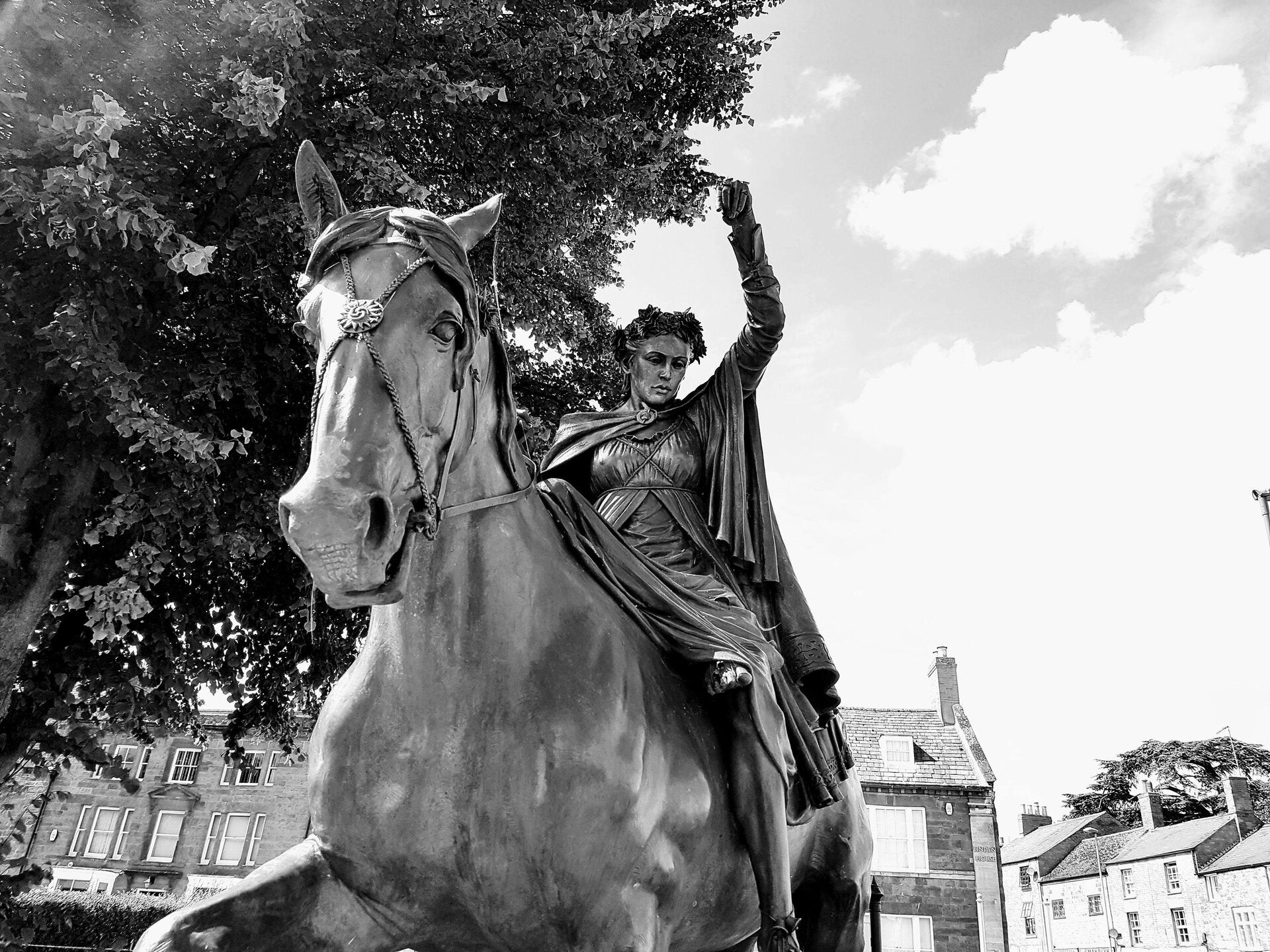
Folklore tells a compelling story of resilience and determination. When William the Conqueror invaded in 1066, the "Men of Kent" ambushed his army at Swanscombe, disguised as a moving forest. To avoid bloodshed, William granted them the right to keep their ancient Saxon laws and customs. This act of defiance and successful negotiation gave rise to Kent's county motto, "Invicta," meaning "unconquered." This legend highlights the unwavering spirit of the people of Kent, who fought for what they believed in and retained their autonomy.