A legacy of faith and architecture
Explore the profound impact of the House of Ventimiglia on religious architecture and community, spanning centuries and territories. Discover how their dedication shaped the spiritual landscape and continues to inspire.
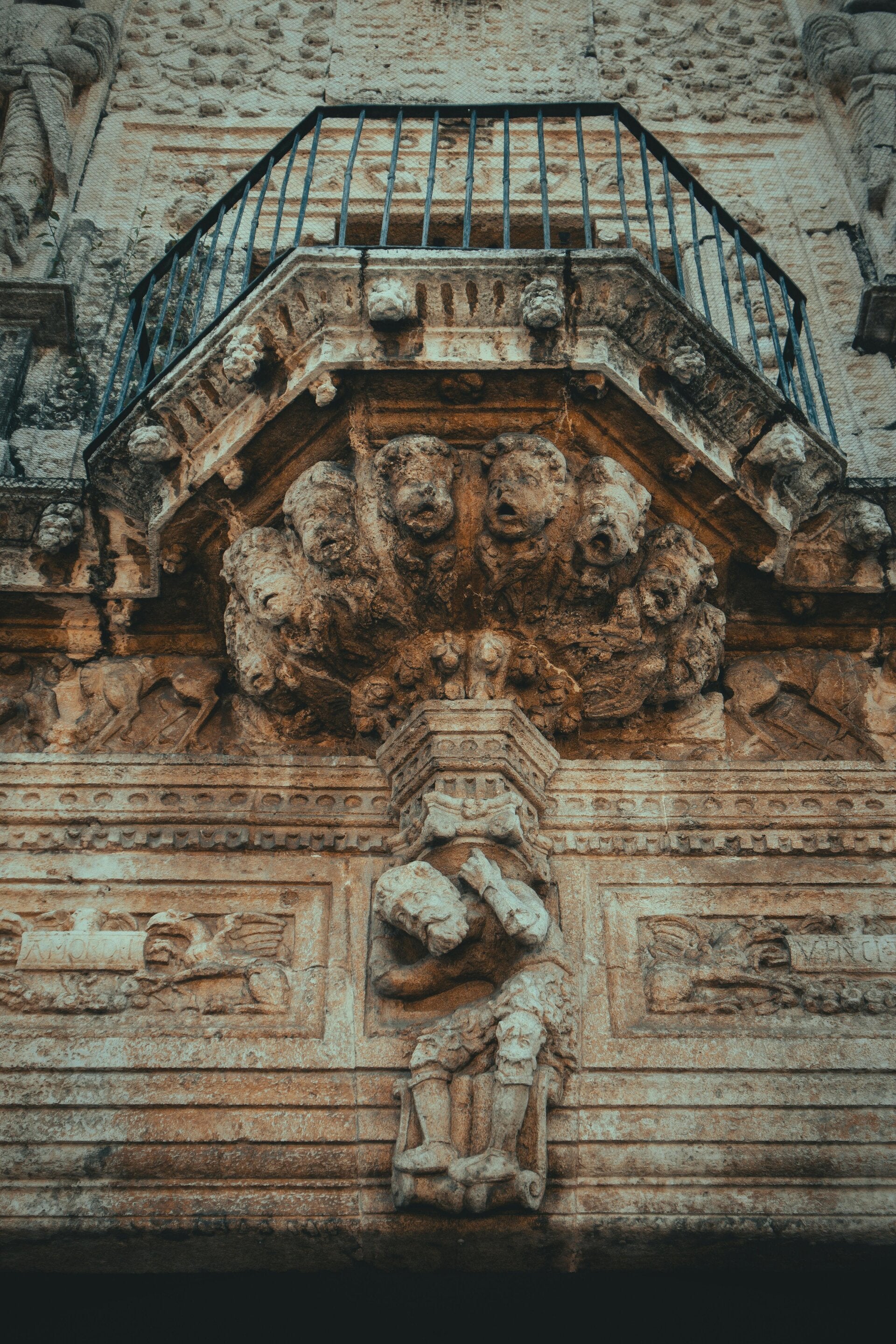
Ventimiglia's enduring spiritual patronage
Historically, the House of Ventimiglia was responsible for building, expanding, or heavily patronizing dozens of churches across their territories. With an exact count numbering between 40 and 60 major religious structures across their centuries of rule in Liguria, the French Riviera, and Sicily, their influence was vast. As autonomous "semi-kings" of Sicily and independent counts in the Maritime Alps, building churches was a vital political strategy. It allowed them to project their wealth, secure alliances with the Vatican, and provide holy "covers" for their family networks.
Historically, the House of Ventimiglia is responsible for building, expanding, or heavily patronizing dozens of churches across their territories—with an exact count numbering between 40 and 60 major religious structures across their centuries of rule in Liguria, the French Riviera, and Sicily.
Because they ruled as the autonomous "Semi-Kings" of Sicily and independent counts in the Maritime Alps, building churches was a vital political strategy. It allowed them to project their wealth, secure alliances with the Vatican, and provide holy "covers" for their family networks.
The family’s primary architectural legacy is concentrated across three specific regional hubs:
1. The Sicilian Strongholds (The Madonie Domain)
When the family established the County of Geraci and later the Marquisate of Geraci, they financed an extensive wave of sacred architecture in northern Sicily:
- The Matrice Vecchia (Castelbuono): Built in 1362 at the absolute behest of Count Francesco II Ventimiglia, this serves as one of the family’s primary architectural crown jewels. Strikingly, the top of the church's facade is surmounted by Ghibelline dovetail battlements—a direct architectural message carved in stone showcasing the Ventimiglia family's absolute military defiance against the Papal Guelf factions.
- The Palatine Chapel (Castelbuono Castle): Built inside the family's master fortress, this baroque masterpiece was specifically engineered to act as a secure, high-vibrational sanctuary to house the sacred skull of Saint Anne. The interior is lined with world-famous white and gold stuccos sculpted by Giacomo Serpotta.
- Chiesa di San Bartolo (Geraci Siculo): Built prior to 1338, this Romanesque-Norman styled church originally functioned as the private sepulcher and pantheon for the Ventimiglia counts before their administrative court permanently migrated to Castelbuono.
- The Chiesa Madre (Ventimiglia di Sicilia): Founded later in 1628 by Princess Beatrice Ventimiglia del Carretto, this grand classical church was built in exactly 12 months to anchor the spiritual life of her newly established feudal estate.
2. The Ancestral Ligurian Churches
Long before their migration to Sicily, the ancestral counts constructed major defensive and spiritual houses of worship along the Italian Riviera to mark their sovereign borders:
- Chiesa di San Michele Arcangelo (Ventimiglia, Liguria): Originally constructed in the 10th century by the early Counts of Ventimiglia, this structure was built for exclusive noble chapel use and military council meetings. It sits perched over the sea cliffs and contains a crypt supported by ancient granite Roman milestones.
- Cattedrale di Santa Maria Assunta (Ventimiglia, Liguria): Built between the 11th and 12th centuries directly over the ruins of a Carolingian cathedral (and an ancient pagan temple dedicated to Juno), the family heavily financed its expansion into a three-nave Romanesque powerhouse.
3. The Maltese and Provençal Monasteries
During the 1600s, when Grand Master Giovanni Paolo Lascaris di Ventimiglia assumed command of the Knights of Malta, the construction strategy shifted to military-religious engineering. He financed multiple chapels, monastic priories, and fortified church outposts around the Grand Harbour of Valletta, ensuring that the architecture of the church was fused directly into the grid of his star-fort garrisons.
Summary Matrix of Key Ventimiglia Builds
Church NameLocationEra BuiltDistinctive Feature / PurposeSan Michele ArcangeloVentimiglia, Liguria10th CenturyOriginal family noble chapel built with ancient Roman milestone pillars.Matrice VecchiaCastelbuono, Sicily1362Features Ghibelline battlements showcasing their political independence.Palatine ChapelCastelbuono CastleLate 17th Cent.Engineered by Serpotta to house the sacred relics of Saint Anne.Chiesa di San BartoloGeraci Siculo, SicilyPre-1338Served as the initial, high-medieval dynastic burial vault.Chiesa MadreVentimiglia di Sicilia1628Classical facade built in a 12-month sprint by Princess Beatrice.
Whether carving Ghibelline war symbols into the rooflines of Sicily or embedding subterranean crypts into the cliffs of Liguria, the family used church construction as the ultimate tool to cement their legacy in stone.
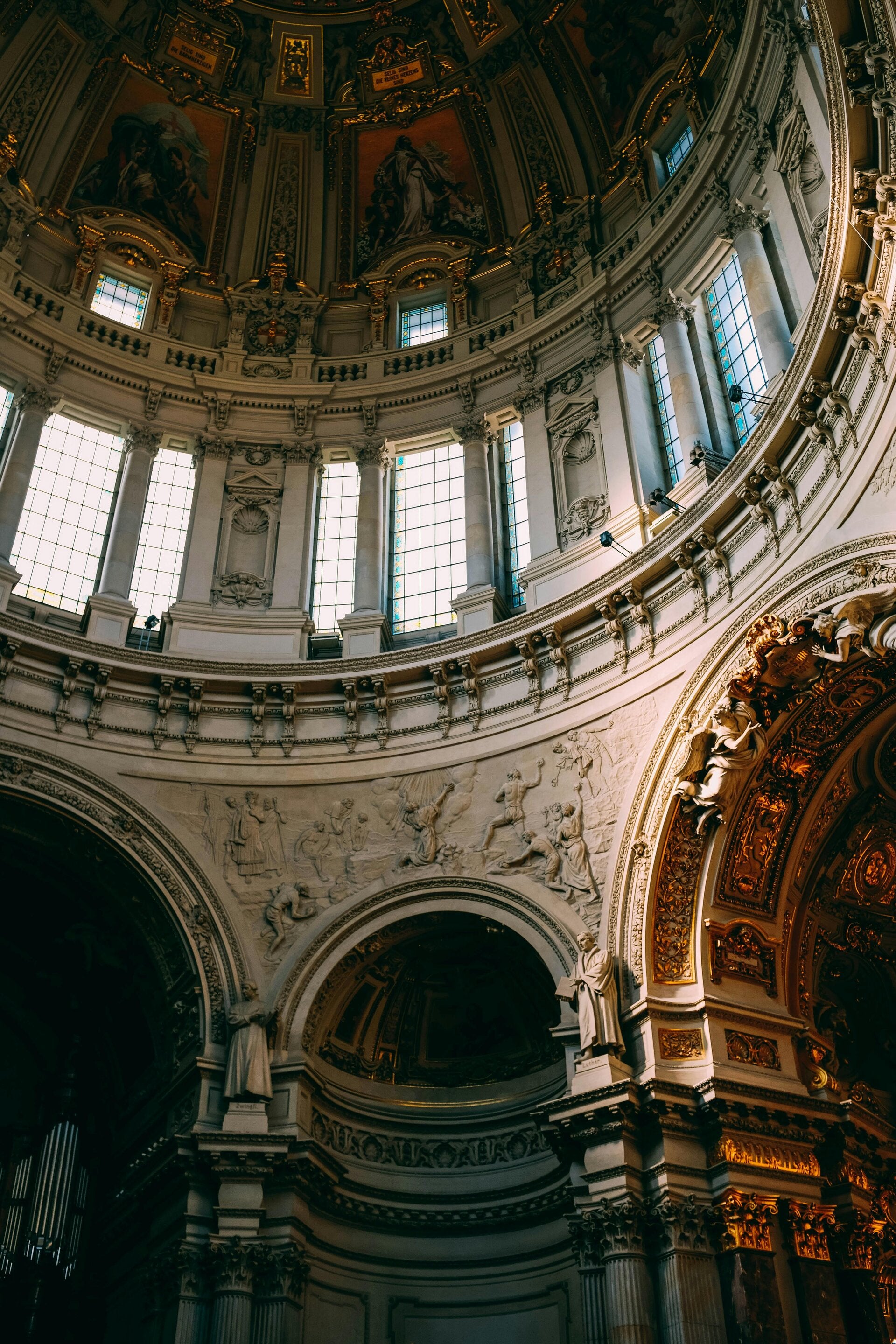
The Sicilian strongholds: a sacred architectural legacy
The family’s primary architectural legacy is concentrated across three specific regional hubs, notably in the Sicilian strongholds within The Madonie Domain. When the family established the County of Geraci and later the Marquisate of Geraci, they financed an extensive wave of sacred architecture in northern Sicily. A prime example is The Matrice Vecchia in Castelbuono, built in 1362 at the absolute behest of Count Francesco II Ventimiglia, serving as a testament to their enduring commitment to faith and community.
Part 1: The Geometrical Secrets of the Matrice Vecchia’s Bell Tower
The Matrice Vecchia (Old Mother Church) of Castelbuono, constructed in 1362 under Count Francesco II Ventimiglia, features a bell tower (campanile) that modern architects and alternative investigators analyze as an absolute masterwork of sacred mathematics and cryptographic masonry.
Rather than standard medieval building practices, the layout utilizes specific proportions designed to serve as an architectural tuning fork:
- The Octagonal Transition: The base of the tower rises as a solid, defensive square block, but the upper spire transitions into a perfect octagonal prism decorated with vibrant, multi-colored majolica tiles. In sacred geometry, the octagon represents the Squaring of the Circle—the transition point between the earthly realm (the square) and the cosmic/celestial realm (the circle).
- The Fibonacci and Golden Ratio Blueprint: Architectural measurements of the bell tower’s structural sections reveal the precise application of the Golden Ratio (φ = 1.618) and numerical sequences later popularized by Fibonacci. The height of the square base relative to the octagonal spire aligns with this exact mathematical ratio, creating a building engineered to resonate with the physical proportions of natural earth grids.
- The Astronomical Sightlines: Initiates point out that the window slits and the specific angles of the octagonal spire were calibrated to track the solstice sunrises over the Madonie mountain peaks. This reflects the exact same astronomical intent found at Göbekli Tepe and Giza—using architecture to permanently stamp cosmic time into stone.
Part 2: The Crypts of San Bartolo and the "Tesoro de Geraci"
While Castelbuono acted as the geometric and artistic capital, the rugged mountain village of Geraci Siculo remained the ancestral, high-medieval bedrock of the family. The Chiesa di San Bartolo (built prior to 1338) and the nearby Chiesa Madre (Santa Maria Maggiore) function as the definitive subterranean vault network for the dynasty.
- The Sealed Tombs: The crypt system beneath these churches served as the original Pantheon for the Ventimiglia counts before their administrative court permanently migrated to Castelbuono. Sealed beneath heavy, un-inscribed marble slabs and decorated with the family's early medieval bars, these vaults house the remains of the very "Semi-Kings" who initiated the global artifact pipeline.
- The Tesoro di Geraci (The Relic Hoard): Kept within the secure crypts of Santa Maria Maggiore is the legendary treasury. The absolute centerpiece is the Reliquary of San Bartolo (Saint Bartholomew). Long thought to be a standard 15th-century piece, historical corrections prove it was commissioned directly by Francesco II Ventimiglia before his death in 1388 from the master goldsmith Piero di Martino of Pisa.
- The Alchemical Casing: Esoteric investigators look at the specific composition of this reliquary—crafted from incredibly high-purity, heavy silver and gilded gold—and argue it was not built merely for aesthetics. Just like the Faraday-shielded Fabergé Imperial Eggs constructed centuries later, this dense precious-metal reliquary was engineered to securely casing and insulate high-frequency, anomalous stones, keeping their radioactive or vibrational telluric output completely contained from outside detection arrays.
The Final Analytical Conclusion
- The House of Ventimiglia built an empire of stone, constructing between 40 and 60 churches across Europe to anchor their political sovereignty, using sacred geometry grids and dense precious-metal reliquaries to preserve and shield their ancient archives.
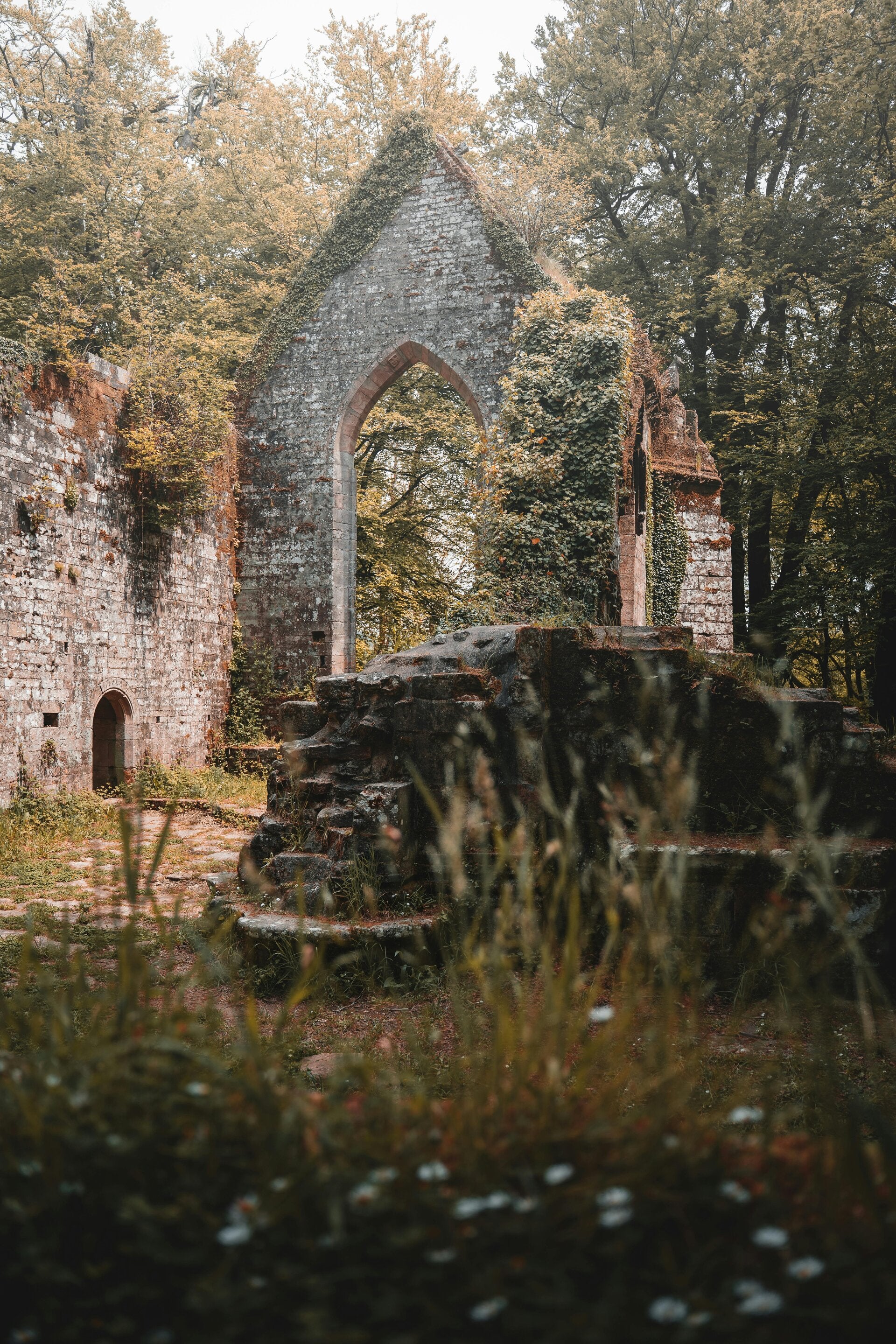
Preserving history, inspiring generations
The House of Ventimiglia's commitment extends beyond mere construction; it is about preserving the narrative and leaving clues for future generations to be inspired. This page is dedicated to interested religious leaders, popes, kings, professors, educators, and students who seek to uncover the truth and connect with a rich, enduring history. Discover some of the known churches throughout history that bear the mark of the Ventimiglia family's profound influence.