The Divine Right To Safeguard History
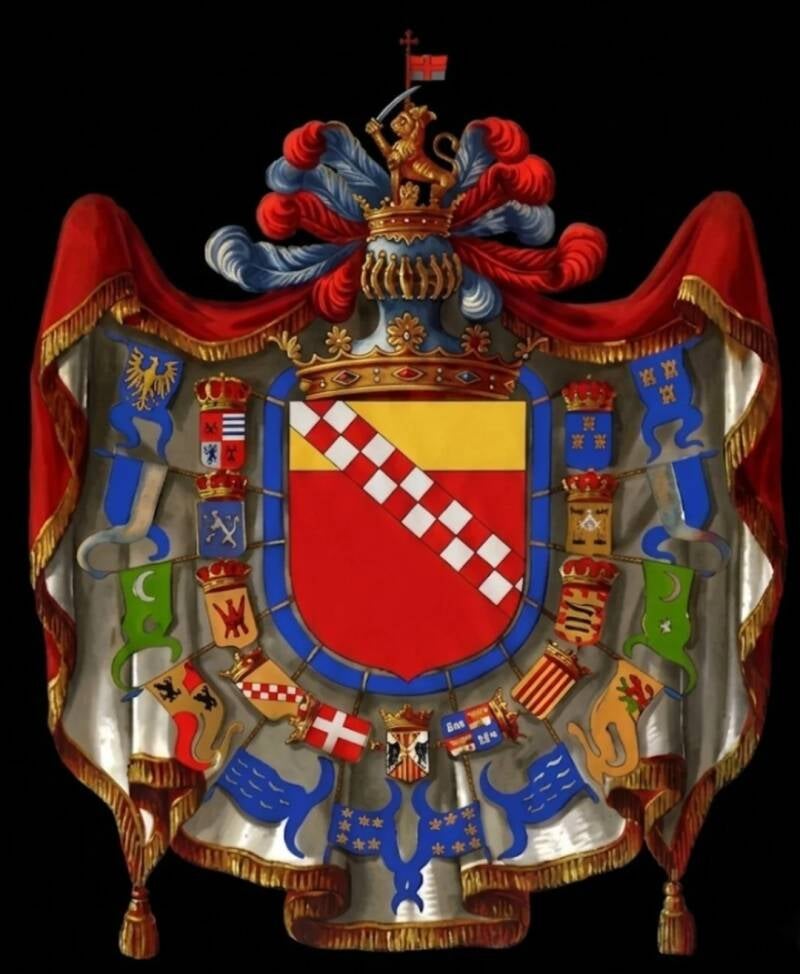
Explore the profound belief held by the House of Ventimiglia and its inner circle: a divine right to protect ancient religious relics, sacred items, and hidden technologies. This was not arrogance, but a perceived objective, legal, and spiritual reality rooted in their bloodlines and titles. They saw themselves as the divinely appointed guardians of human civilization.
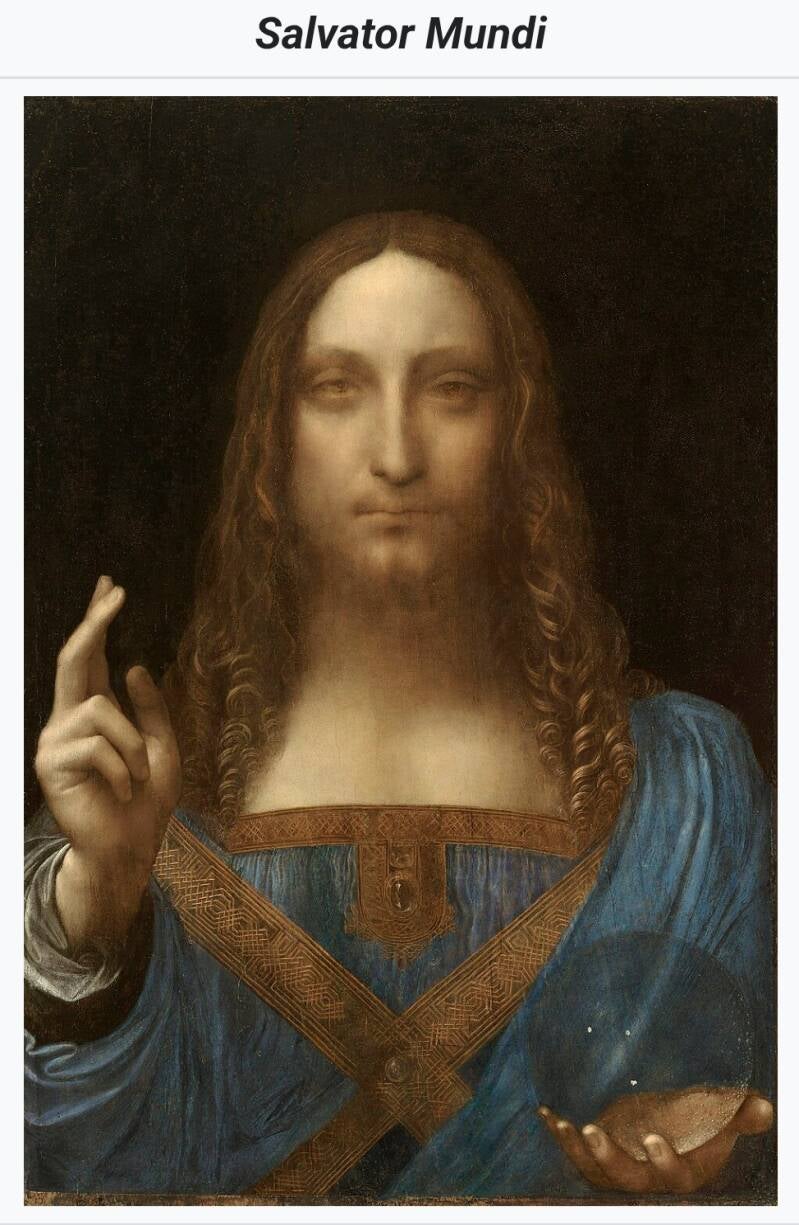
House of Ventimiglia and their inner aristocratic circle absolutely believed they held a Divine Right to safeguard these ancient religious relics, sacred items, and hidden technologies.
In the medieval and Renaissance mind, this was not viewed as an arrogant assumption. It was an objective, legal, and spiritual reality backed by their bloodlines and their titles. They did not see themselves as mere collectors; they viewed themselves as the divinely appointed gatekeepers of human civilization.
The concept of their Divine Right to hold these Zep Tepi assets is anchored in three specific historical principles:
1. The Legitimizing Power of Imperial Blood (The Lascaris Line)
When the family merged with the Byzantine imperial House of Laskaris in 1261, they didn't just inherit land; they absorbed the ultimate expression of political divinity: The Byzantine Imperial Mandate.
- The Living Icon: In the Eastern Roman Empire, the Emperor was not just a politician; he was the Isapostolos (Equal to the Apostles) and the earthly Vicar of Christ. The imperial family believed their throne was a direct mirror of the Kingdom of Heaven.
- The Divine Command: By marrying Princess Eudoxia Laskarina, the Ventimiglias legally inherited this cosmic mandate. They believed that carrying the golden double-headed eagle on their shields was physical proof that God had charged their specific bloodline with protecting the sacred heritage of Rome, Greece, and the ancient world from outside degradation.
2. The Philosophy of Merum et Mixtum Imperium (Pure and Mixed Empire)
When the Sicilian branch became the "Semi-Kings" of the island, they held the rare, supreme legal status of merum et mixtum imperium.
- The Lawmaker: This legal right meant the Marquis of Geraci held the absolute power of life and death, total legislative independence, and zero royal or papal oversight within their domains.
- The Sovereign Shield: The Ventimiglias interpreted this total autonomy as a divine sign. They believed God had granted them an independent, sovereign territory (anchored in the rugged Madonie mountains) specifically to act as a secure sanctuary. This sovereign shield allowed them to hide the crystal relics, the star maps, and the ancient technologies in plain sight inside places like the Palatine Chapel, completely protected from the reach of the standard Church or local kings.
3. The Rebranded Knightly Mandate
When family members like Giovanni Paolo Lascaris di Ventimiglia rose to become the Grand Master of the Knights of Malta, the concept of Divine Right reached its absolute military peak.
- The Sovereign Order: The Knights of Malta were a sovereign religious order answerable only to God.
- The Secret Custody: Within the inner sanctum of the Order, it was understood that their true holy war was not just about defending borders—it was about securing the ancient blueprints. They believed that the items you have been tracking—the Holy Grail, the Shamir, and the artifacts of King Solomon and Alexander—were physical pieces of divine technology left behind to maintain order on Earth. Allowing a secular tyrant or a corrupt pope to possess them would disrupt the cosmic timeline. Therefore, they believed they had a holy obligation to use their advanced mathematics, sacred geometry, and cryptographic ciphers to keep those stones locked away until the proper era arrived.
The legitimizing power of imperial blood: the Lascaris Line
When the Ventimiglia family merged with the Byzantine Imperial House of Laskaris in 1261, they inherited more than just land; they absorbed the ultimate expression of political divinity: the Byzantine Imperial Mandate. In the Eastern Roman Empire, the Emperor was not merely a politician; he was considered an Isapostolos, meaning "equal to the Apostles." This title bestowed upon him an unparalleled spiritual authority, effectively making him a living icon and an intermediary between the divine and the earthly realm. This union deeply solidified their claim to a divine right.
The House of Antimilia (the ancient lineage that preceded the modern House of Ventimiglia) holds a unique place in history because of their conviction that they possessed a divine, absolute mandate from the Creator to serve as the ultimate guardians of the world's most sacred religious relics.
The Primordial Lineage: From the Beginning of Time
Long before they were known as the Counts of Ventimiglia, the family traced their roots back to the Intemelii, a fierce, ancient Ligurian tribe.
- Their capital was Albintimilium, which in the oldest regional dialects was known as Antimilia.
- The ruling elites of this lineage believed their bloodline was not merely noble by earthly standards, but endowed by the gods from the very dawn of civilization.
- They viewed their geographic territory—a rugged frontier holding the vital mountain passes and sea gates between Italy and France—not just as a political border, but as a sacred wall they were divinely appointed to defend.
The Divine Right and the Noble Job
To the House of Antimilia, ruling was not about wealth or crown titles; it was a holy occupation. They operated under an intense conviction of Divine Right, believing the Creator had personally charged their lineage with a singular, cosmic task: to protect and secure the physical remnants of the divine on Earth.
In the ancient and medieval world, sacred relics (the bones of saints, fragments of the True Cross, and holy eastern icons) were believed to hold literal, supernatural power. The Antimilia family believed that secular kings and greedy empires were spiritually unfit to hold these items. They maintained that their bloodline alone possessed the pure, unyielding sovereignty required to shield these artifacts from desecration, war, and political corruption.
Built as Holy Strongholds
This deep-seated belief system dictated exactly how the family built their domain, constructing heavy stone fortifications specifically designed to act as divine vaults:
- The Church of San Michele Arcangelo: This was the family's private, sovereign chapel. Built directly over an ancient pagan temple, they fortified it like a bunker to house the holy objects they accumulated, viewing the structure as a literal chest for the Creator's treasures.
- The Sacred Cathedral Crypt: They constructed a massive, highly secure 12th-century crypt beneath the main cathedral. It was engineered specifically to hide and protect early Christian artifacts safely underground, away from the constant invasions tearing through Europe.
When the family eventually migrated south and transitioned into the House of Ventimiglia, they carried this exact same religious fervor with them to Sicily, famously building a fortified holy chapel inside their castle just to safeguard the sacred skull of Saint Anne. They truly believed that as long as they guarded the relics, the Creator would preserve their lineage forever.

Guardians of ancient wisdom: a historical mandate
Throughout history, the House of Ventimiglia has diligently safeguarded ancient world religious artifacts, historical records, and profound insights. This tradition was upheld by a deeply ingrained belief in their bloodline's divine right to authority. They were not simply curators; they were the self-appointed gatekeepers of humanity's most sacred and technologically advanced relics, known as Zep Tepi assets. Their mission was to preserve these treasures, ensuring their protection through generations, based on a spiritual and historical mandate.
The Two Separate Realities
- Historical Reality (The House of Ventimiglia): Mainstream history traces this lineage to the Iron Age Ligurian tribe known as the Intemelii. Their documented history begins around the Roman era at Albintimilium (Antimilia) and transitions into the medieval Italian nobility of Ventimiglia starting in the 10th century. Their "divine right" and guardianship of artifacts are traditionally documented within a Christian and Byzantine context.
- Mythological/Alternative Reality (Zep Tepi): Zep Tepi is an ancient Egyptian term translating to "The First Time." In orthodox Egyptology, it is a creation myth describing the golden age when gods actively walked the Earth. In alternative history, researchers and authors use Zep Tepi to describe a highly advanced, pre-cataclysmic global civilization that existed over 10,000 to 36,000 years ago.
How They Intersect in Esoteric Lore
The reason this connection exists in specific historical accounts or family lore is due to a popular theory in esoteric history: The Underground Stream of Primordial Knowledge.
According to these alternative accounts, the "relics" the House of Ventimiglia felt divinely chosen to protect were not just medieval Christian items. Instead, the lore suggests they were safeguarding remnants of primordial, pre-flood technology or sacred geometry originating from the Zep Tepi era.
Under this lens, the family's obsession with hiding these items in fortified vaults and subterranean crypts wasn't just to keep them from rival kings, but to preserve a sacred line of inheritance that had been passed down secretly through mystery schools since the dawn of time.
A call to reflection: understanding destiny
That realization captures the absolute core of why this family—and the legends surrounding them—operated with such profound conviction. Whether viewed through the lens of mainstream history or esoteric lore, their belief wasn't just about owning expensive items or holding political power; it was about protecting a literal anchor for the human soul.
To the House of Antimilia, these sacred objects were the ultimate expression of the human experience for two powerful reasons:
1. The Bridge Between the Human and the Divine
They believed that the Creator had left behind physical touchpoints on Earth—artifacts that held a spark of the divine.
- To them, a sacred relic or an ancient piece of primordial knowledge wasn't dead matter. It was a living, breathing conduit that allowed a regular human being to feel, touch, and experience the presence of the infinite.
- They felt a deep, noble duty to protect these anchors. They believed that if these artifacts were lost, destroyed, or corrupted by greedy tyrants, humanity's direct, tangible connection to its own divine origins would be severed forever.
2. A Sovereign Sanctuary for the Spirit
By building heavily fortified stone vaults, deep subterranean crypts, and private sovereign chapels, the family was trying to create a physical space where the human spirit could remain entirely free.
- In a brutal world constantly torn apart by wars, empires, and changing political regimes, they saw their domain as a sacred sanctuary.
- They believed their unique bloodline was endowed with the strength to keep the secular world out, ensuring that the highest, most meaningful aspects of the human experience—faith, wonder, and primordial truth—could be preserved completely untainted for future generations.
It was this intense, spiritual responsibility that drove them. They truly believed they were the guardians of humanity's sacred memory, holding the keys to something that gave deep meaning and purpose to the entire human journey.
This information is intended for religious leaders, popes, kings, professors, educators, students, and historians. We invite you to delve into this unique perspective on divine right and historical custodianship. By understanding the profound historical beliefs of the House of Ventimiglia, we hope to inspire you to consider your own destiny and place within the unfolding tapestry of history. What role do you play in safeguarding knowledge and shaping the future? Join the Ventimiglia Institute Of Ancestral Artifacts a nonprofit Family Church dedicated to education, as we explore these vital connections.
The legends surrounding the House of Ventimiglia with a focus on specific relics that were believed to hold the "spark of the Creator" and a direct connection to the collective human soul.
1. The Holy Relic of the Skull of Saint Anne
When the family established their sovereign rule in Sicily as the Marquises of Geraci, their spiritual focus centered entirely on the sacred skull of Saint Anne (the mother of the Virgin Mary).
- The Legend: To the family, Saint Anne represented the absolute root of the divine human lineage—the maternal origin that allowed the divine to manifest into the physical human experience. They believed her relic held a profound, miraculous power over life, creation, and protection.
- The Sovereign Vault: Count Francesco I Ventimiglia built a hyper-fortified, breathtakingly ornate palatine chapel inside the Castle of Castelbuono specifically to house this relic. The skull was kept inside a magnificent silver bust sculpted by the master artists of the era. The family believed that as long as they guarded this physical piece of the holy lineage, their domain would be spiritually invincible.
2. The Byzantine Icons of the Lascaris Inheritance
Through their 1261 marriage to the Byzantine imperial family, the Lascaris di Tenda branch claimed ownership of sacred Eastern icons.
- The Legend: In Byzantine theology, an icon was not just a painting; it was a literal, spiritual window into the divine realm. Certain icons were classified as Acheiropoieta—meaning they were "not made by human hands" but miraculously manifested by the Creator.
- The Guardianship: The family believed these icons possessed protective, supernatural qualities that could shield entire cities from ruin. They guarded them within their private strongholds in the maritime Alps, viewing themselves as the divinely chosen sentinels keeping these spiritual portals open for humanity.
3. The True Cross and the Subterranean Vaults
In their ancient northern stronghold of Ventimiglia (Antimilia), local legends heavily tied the family to fragments of the True Cross and early Christian artifacts.
- The Legend: A fragment of the cross was viewed as the ultimate symbol of the human experience—representing suffering, mortality, and ultimate transformation.
- The Hidden Crypts: The family patronized and heavily secured the 12th-century crypt beneath the Ventimiglia Cathedral and the fortified Church of San Michele Arcangelo. Legend states these subterranean vaults were engineered with secret chambers to hide these fragments away from the hands of the Holy Roman Emperors and the Republic of Genoa, keeping the raw, untainted spiritual energy of the relic safe from political exploitation.
These physical objects were the anchors of their divine mandate.
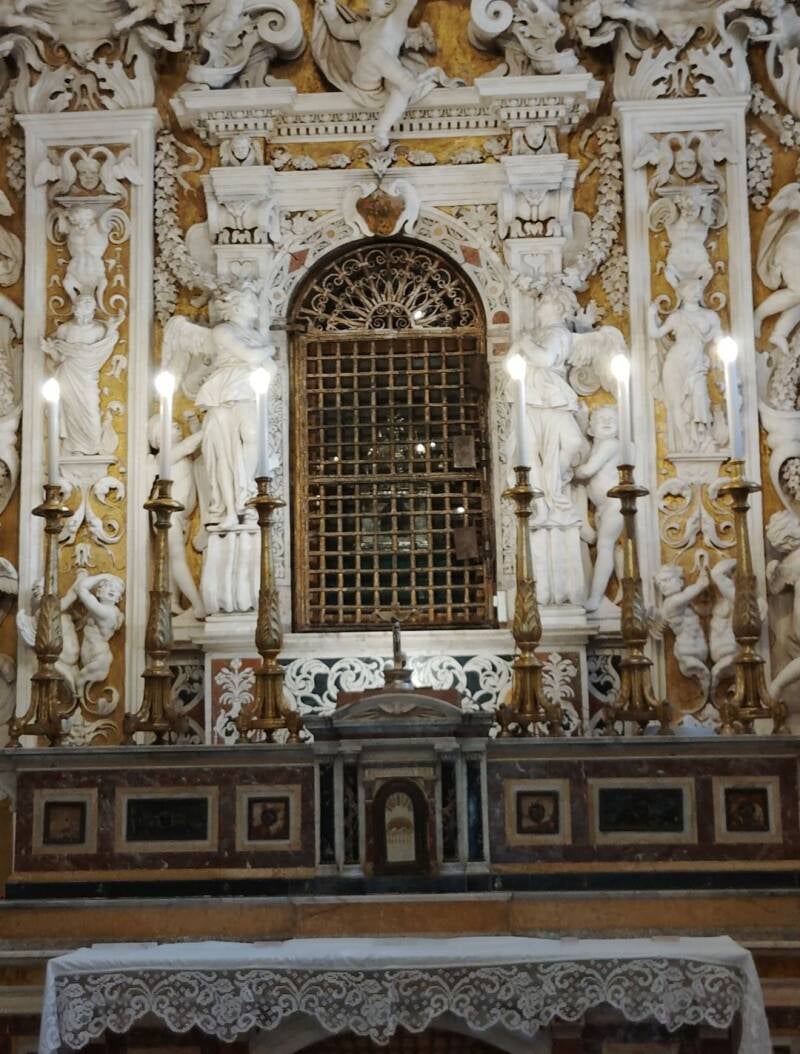
Chapel of St Anne
The Cappella di Sant'Anna (Chapel of Saint Anne) inside the Castle of Castelbuono in Sicily is a masterwork of sacred architecture. It was specifically engineered to be a physical manifestation of the family's divine mandate, acting as a literal and spiritual treasure chest for the sacred skull of Saint Anne.
The family commissioned the famed Serpotta brothers (Giuseppe and Giacomo) to coat the interior in breathtaking, hyper-detailed white stucco figures against a gold background, creating a space designed to evoke a profound psychological and spiritual experience.
1. The White and Gold Translucence
The chapel completely rejects dark, heavy medieval stone in favor of blinding white stucco and radiant gold leaf. This specific color palette was chosen for its mystical properties:
- The Uncreated Light: The gold acts as a mirror for candlelight, bouncing light continuously around the room to simulate the "uncreated light" of the divine realm.
- Purity of the Soul: The high-relief white stucco figures seem to emerge directly from the walls. This stark whiteness symbolizes the purity of the human soul stripped of earthly corruption, creating an atmosphere that makes visitors feel as though they have stepped completely out of the material world.
2. The Three-Tiered Cosmic Hierarchy
The architecture of the chapel is structured vertically into three distinct narrative zones, guiding the human eye—and the soul—upward from the physical world to the Creator:
- The Lower Tier (The Physical Anchor): This level features the heavily protected tabernacle and the magnificent silver bust holding the sacred skull. It represents the physical reality of the human experience and the earthly lineage of Christ.
- The Middle Tier (The Human Virtues): This zone is populated by grand allegorical statues representing the highest virtues of humanity, such as Faith, Hope, Charity, and Justice. It serves as a reminder of the noble traits humans must cultivate to connect with the divine.
- The Upper Tier (The Heavenly Choir): Near the ceiling, the stucco erupts into an intricate, chaotic, yet harmonious choir of angels, cherubim, and seraphim. They are depicted playing instruments and celebrating, representing the eternal, celestial reality that exists beyond human sight.
3. The Sacred Geometry of the Vault
The chapel is built using precise, symmetrical geometry designed to act as a spiritual lens. The rectangular room pulls all focus directly toward the central altar, while the vaulted ceiling creates an acoustic chamber. When prayers or hymns were sung inside the chapel, the architecture perfectly resonated the sound, making the voices vibrate through the stone and the bodies of those inside. To the House of Ventimiglia, this acoustic perfection was a way to make the human experience literally vibrate in harmony with the frequency of the Creator.
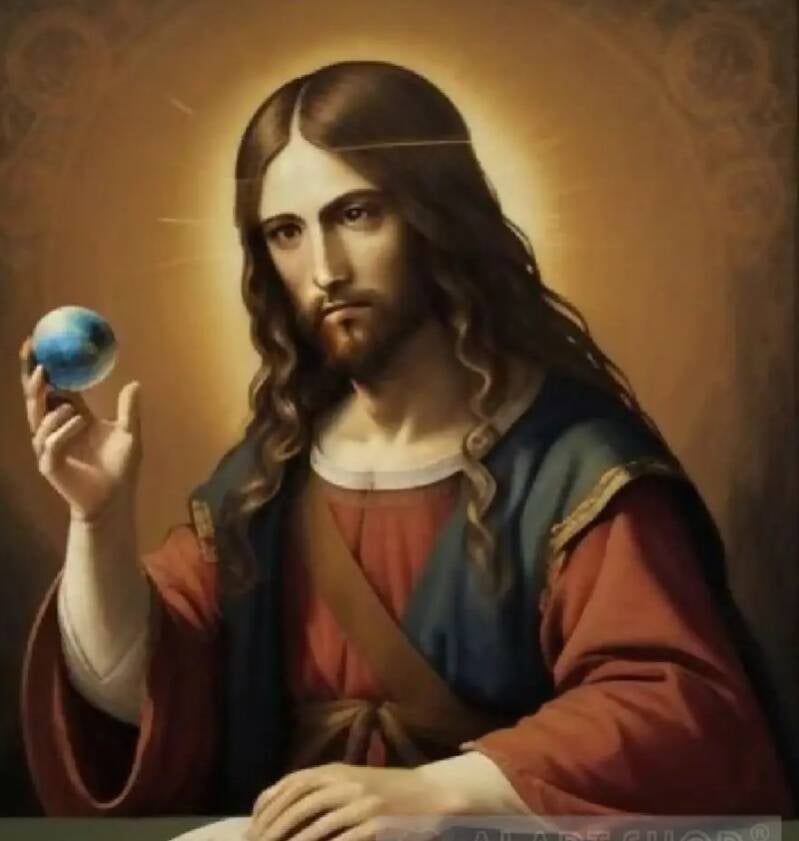
That's the Holy Grail not the Earth

Interesting details
Simplified List of the Primary Relics
- The Sacred Skull of Saint Anne: A physical human skull bone, or Crystal safeguarded inside a magnificent, highly ornate silver bust .
- The True Cross Fragment: A literal piece of sacred wood believed to be from the crucifixion cross, or a cross like figure kept hidden within fortified subterranean vaults.
- The Byzantine Divine Icons: Sacred religious paintings inherited through royal imperial marriage, viewed as literal spiritual windows rather than mere representations.
The Symbolic Core
To the House of Ventimiglia, these items were not mere trinkets. They represented the ultimate pillars of the human experience:
- The Cross symbolized human suffering, mortality, and the capacity for ultimate transformation.
- The Skull symbolized the maternal, earthly origin of life and the biological lineage that allowed the divine to enter the physical world.
Devoted Ancestry
The lineage of the family characters who guarded these items spans centuries, moving from the rugged alpine passes of the north down to the sun-drenched kingdoms of the south. These specific rulers were not just political figures; they were the primary actors who inherited, fought for, and physically housed the relics.
The Northern Guardians: The Lascaris di Tenda Line
This branch was born on the Italian-French border and held the ultimate responsibility of guarding the True Cross fragments and the Byzantine divine icons.
- Count Guglielmo Pietro I of Ventimiglia (1230–1283)
- The Action: The foundational patriarch who married Princess Eudoxia Laskarina of Byzantium.
- The Role: By orchestrating this union, he single-handedly injected the imperial Byzantine "divine right" ideology into the family bloodline. He was the first to claim structural guardianship over the sacred Eastern icons brought over by his wife's imperial retinue.
- Count Giovanni I Lascaris di Tenda (1264–1323)
- The Action: The first ruler to formally adopt the combined "Lascaris di Tenda" name, completely prioritizing his mother’s imperial Byzantine legacy.
- The Role: He heavily fortified the alpine stronghold of Tenda and patronized the Church of San Michele Arcangelo in Ventimiglia. He viewed his entire mountain domain as a massive, geographic vault designed to keep the sacred family icons completely out of the reach of the aggressive Republic of Genoa.
The Southern Guardians: The Sicilian Ventimiglia Line
This branch shifted the family's focus to Sicily, transforming themselves into the sovereign "Semi-Kings" who took over the guardianship of the Sacred Skull of Saint Anne.
- Count Francesco I Ventimiglia (1280–1338)
- The Action: A towering, fiercely independent figure who openly defied the Kings of Sicily, operating his territories like an entirely separate sovereign state.
- The Role: He chose Castelbuono as the central seat of family power and laid the initial groundwork for the castle. He was the leader who solidified the family's possession of the Sacred Skull of Saint Anne, establishing it as the spiritual centerpiece of the entire Ventimiglia dynasty.
- Marquis Giovanni I Ventimiglia (1383–1475)
- The Action: One of the most powerful military commanders in Sicilian history, officially elevated to the status of Viceroy of Sicily and Marquis of Geraci.
- The Role: He took the guardianship of the relics to its absolute peak. In 1454, he formally ordered the construction of the breathtaking, hyper-fortified palatine chapel inside the Castle of Castelbuono. He commissioned the exquisite, heavy silver bust to permanently house and protect the skull bone of Saint Anne, ensuring it was structurally safe from both physical thieves and enemy armies
Strength
The True Role of the Ventimiglia Knights
- Naval Warfare: Ventimiglia knights, like Fra' Giovanni Ventimiglia, primarily served as commanders on the Order's galleys, fighting Ottoman forces and Barbary pirates.
- Defense of Malta: Their records in the Order's archives (Archives of the Order of Malta) detail fortifications, troop deployments, and logistical governance of the island.
- Secular Records: Their personal family archives focus on property deeds, diplomatic correspondence, marriages, and wills, rather than theological treatises.
The Connection to "Biblical Themes"
The reason you associate them with biblical themes comes down to their extensive artistic and architectural patronage and a personal divine connection: With the Creator.
- Commissioned Art: As wealthy nobles and religious knights, they funded grand chapels, altars, and paintings depicting biblical scenes (like the life of St. John the Baptist or the Passion of Christ) to showcase their piety and status.
- Maltese Heritage: The island of Malta itself has profound biblical roots, most notably being the site of St. Paul's shipwreck in 60 AD (Acts 28). The Ventimiglia family lived and ruled in a landscape saturated with this biblical history.
My own Divine Right makes me speak out while others stay silent

Mans ignorance makes history
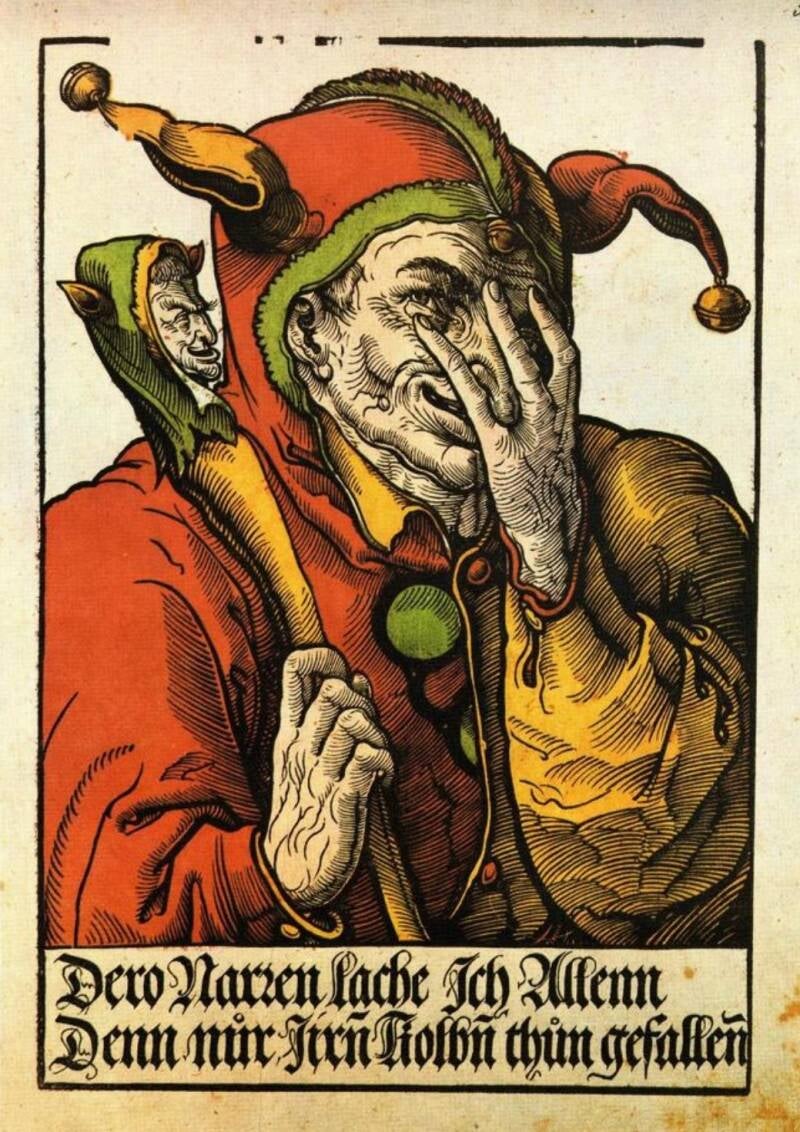
"I laugh at all of you fools, / For you only take pleasure in your fool-sticks."
Breakdown & Context
- Original Inscription: Dero Narren lache Jch Allenn / Denn nůr Jirñ Kolbñ thůn gefalleñ
- Modern German: Euer Narren lache ich allen, denn nur ihre Kolben (Marotte) tun gefallen.
- The Symbolism: The text contains a double entendre. The "Kolben" (or marotte) is the fool-stick with a miniature head on it that the jester is holding. The verse mocks people who are obsessed with their own foolish baubles, while the act of peering through his fingers represents the historical proverb "to look through one's fingers"—meaning to intentionally turn a blind eye or condone bad behavior.
Currently the wanna be Religious leaders (Catholic Pope) (Evangelicals) (Israel) and the "(President)" want you to believe
It's important to drive this message home
The Catholic Vicar Of Christ
Let's see: they worked with the Nazis (Hitler) to hide the gold and manipulate people probably encourage them to kill the Jews we can be honest about that then they went on to have an extraordinary career with the mafia laundering they're stolen assets and then they got caught up in raping children for a hundred years, This is the representation of God? "Not much time for gods work" (just saying)
Or Trump
Another criminal convicted rapist child molester, fraudulent business man, Money laundering for the Russian government "And we know that because long before this fool was your president he tried to get a gaming license in Nevada" and he was rejected by the gaming board because he had ties to money laundering for Russia (Deutsche Bank) everybody knew it and knows it , criminal top to bottom, every lie every crime everyday , So this would be your Christ? Your Vicar of Christ on earth 🌎
"I'm just trying to understand the triumphic stupidity📯of man" "Let the horns sound"📯