The Powerful legacy of the Anscarids
Discover the influential medieval dynasty that shaped European history and uncover its profound connection to the Ventimiglia lineage, a heritage JACKS N KNIGHTS is sworn to protect.

The Anscarids (also known as the Anscarii, Anscarici, or the House of Ivrea) were a highly influential medieval dynasty of Frankish and Burgundian origin. They rose to power in Northern Italy during the 9th and 10th centuries and eventually branched out to rule prominent territories across Western Europe, including the County of Burgundy and the Kingdoms of Castile and León.
1. Foundations in Northern Italy (The March of Ivrea)
- The Founder: The family fortunes were established by Anscar I, a Burgundian count of Oscheret. In 888, he crossed into Italy to support Guy III of Spoleto's claim to the Italian throne.
- Creation of the March: As a reward for his loyalty, Anscar I was appointed the first Margrave of Ivrea. He governed a massive frontier district in northwestern Italy strategically vital for controlling Alpine passage.
- Securing Power: His son, Adalbert I, navigated treacherous civil wars by shifting alliances among rival claimants to maintain control over the March of Ivrea.
2. Rising to the Italian Throne
- Berengar II: The peak of the family’s power in Italy arrived with Adalbert's son, Berengar of Ivrea. In 950, he successfully claimed the crown as King Berengar II of Italy.
- Loss of the Kingdom: Berengar II's aggressive rule and conflicts with the Papacy provoked the intervention of Holy Roman Emperor Otto I. Otto invaded Italy, deposed Berengar in 961, and annexed the region into the Holy Roman Empire.
- Arduin of Ivrea: A later, presumed family member named Arduin led a fierce rebellion and was crowned King of Italy in 1002. He was ultimately defeated by Emperor Henry II in 1015, marking the end of Anscarid dominance in Italy.
3. Transition to the County of Burgundy
- Ottone-Guglielmo: Following their defeat in Italy, the main branch of the family redirected its focus to their ancestral Burgundian lands. Berengar II's grandson, Otto-William, inherited vast territories and became the first official Count of Burgundy.
- The "Free Counts": Under Anscarid rule, this territory became a heavily autonomous "Palatine County" (Franche-Comté), which they successfully ruled from the 11th through the 14th centuries.
4. The Castilian Royal Branch
- Raymond of Burgundy: In the late 11th century, Raymond, a younger son of the Count of Burgundy, traveled to Spain to participate in the Reconquista and married the heiress of Castile and León.
- Imperial Lineage: Their son, Alfonso VII, established the Castilian House of Ivrea. This powerful cadet line ruled the Kingdoms of Galicia, Castile, and León until 1369.
- Lasting Legacy: Even after the main line ended, their illegitimate cadet branch, the famous House of Trastámara, went on to rule Castile, Aragon, Naples, and Navarre well into the Renaissance.

Tracing the roots of the Anscarids
The Anscarids, also known as the Anscarii or the House of Ivrea, were a formidable medieval dynasty of Frankish and Burgundian origin. Rising to prominence in Northern Italy during the 9th and 10th centuries, their influence expanded across Western Europe, establishing their rule over significant territories like the County of Burgundy and the Kingdoms of Castile and León. As a Ventimiglia from Sicily, my ancestors proudly belong to this esteemed lineage.
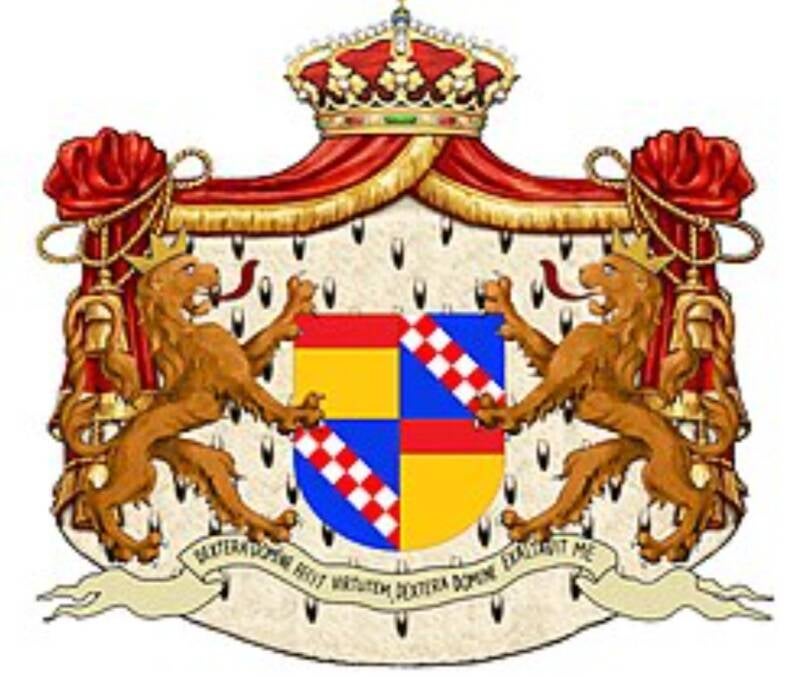
King Berengar II vs. Otto the Great
Berengar II’s reign as King of Italy (950–961) triggered a massive geopolitical shift. His downfall laid the groundwork for the creation of the Holy Roman Empire.
- The Catalyst: In 950, Lothair II, the previous King of Italy, died suddenly under suspicious circumstances. Rumors circulated that Berengar II had poisoned him.
- The Hostage: Berengar quickly seized power and forced Lothair’s young widow, Adelaide of Italy, to marry his own son, Adalbert, to legitimize his crown. When Adelaide refused, Berengar imprisoned her in a lake castle.
- Otto's First Intervention: Adelaide escaped and appealed to Otto I, the powerful King of Germany. Otto saw a perfect opportunity to expand his influence. He invaded Italy in 951, defeated Berengar, married Adelaide himself, and forced Berengar to swear fealty as a vassal.
- The Final Downfall: Once Otto returned to Germany, Berengar broke his oath, attacked papal territories, and mistreated Italian nobles. Pope John XII begged Otto to intervene again. In 961, Otto launched a final invasion, deposed Berengar, and sent him into exile in Germany, where he died in prison.
- Imperial Outcome: To reward Otto for removing Berengar, the Pope crowned Otto as Holy Roman Emperor in 902. This effectively tied the Kingdom of Italy to the German crown for centuries.
The Path from Italy to Spain
The transition of the House of Ivrea from deposed Italian monarchs to rulers of Spain is a classic medieval story of strategic marriage and military migration.
- Step 1: Focus on Burgundy: After losing Italy, Berengar's son Adalbert fled to Burgundy. Adalbert's son, Otto-William, managed to consolidate power over the Free County of Burgundy (Franche-Comté), securing a wealthy, independent power base for the family.
- Step 2: The Soldier of Fortune: Two generations later, Raymond of Burgundy was born as a younger, landless son of Count William I. Lacking an inheritance at home, Raymond traveled to the Iberian Peninsula in the late 1080s to fight in the Reconquista against the Moors.
- Step 3: The Royal Marriage: Raymond’s military successes and noble pedigree caught the attention of King Alfonso VI of Castile and León. Alfonso married his eldest daughter and heiress, Urraca, to Raymond.
- Step 4: Securing the Throne: Raymond died before his wife took the throne, but their son, Alfonso VII, inherited the crowns of Castile and León in 1126. Alfonso VII became the first king of the Castilian House of Ivrea, cementing the dynasty's rule over Spain for the next 240 years.

Protecting a rich historical legacy
JACKS N KNIGHTS, as a nonprofit educational organization based in Tennessee, is deeply committed to preserving the legacy of the Ventimiglia family and its historical connections to the church and ancient relics. Our mission is to educate and raise awareness about these profound historical narratives, demonstrating how understanding such lineages enriches our collective knowledge and appreciation for the past. By showcasing this work, we contribute to a positive difference in historical education and cultural preservation.
The House of Ivrea (or Anscarids) was a powerful medieval dynasty of Frankish origin that rose to prominence in Northern Italy in the 10th century and went on to rule vast territories across Europe, including the County of Burgundy and the Kingdoms of Castile, León, and Galicia.
Their legacy spanned several branches and centuries:
Italian Origins: The house was founded by Count Anscar I, who was enfeoffed as the Margrave of Ivrea in 888. His grandson, Berengar II, briefly ruled as King of Italy before being deposed by Otto the Great.
- County of Burgundy: After losing the Italian crown, the family shifted focus and became the hereditary Counts of Burgundy, holding power from the 11th to the 14th centuries.
- Castile and León: Through the marriage of Raymond of Burgundy to Queen Urraca, the Castilian branch of the dynasty (often called the House of Burgundy) came to power in 1126. They ruled the realms of Castile and León for over two centuries until the death of Peter of Castile in 1369.
- House of Trastámara: The famed House of Trastámara—which produced prominent monarchs like Isabella I of Castile and Ferdinand II of Aragon—began as an illegitimate cadet branch of the House of Ivrea.
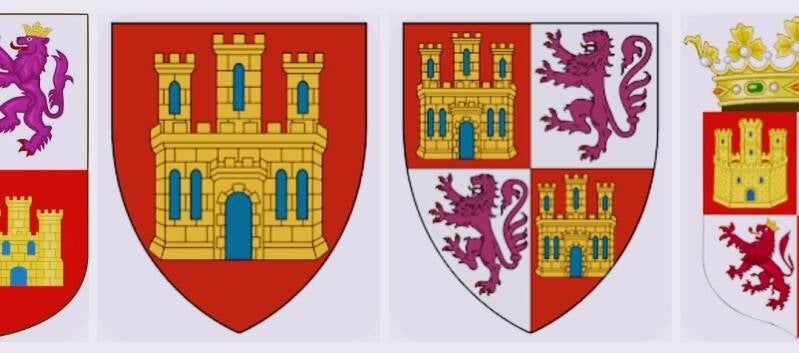
The history of the House of Ivrea is a journey from northern Italian border lords to the creators of the Spanish empire.
Here is the breakdown of their two most significant eras.
🛡️ The Margraves of Ivrea (The Italian Era)
In 888, the Carolingian Empire was collapsing. The Frankish nobleman Anscar I moved south and established the March of Ivrea in northern Italy to protect the western Alps.
- The Title: "Margrave" (or Marquess) meant a military commander of a strategic border zone.
- The Goal: Control the alpine passes between France and Italy.
- The Peak: In 950, Anscar’s grandson became King Berengar II of Italy.
- The Fall: Berengar II tried to expand his power too aggressively. He imprisoned Adelaide of Burgundy (the widowed Queen of Italy). She escaped and called for help from Otto the Great of Germany. Otto invaded, deposed Berengar in 961, and incorporated Italy into what became the Holy Roman Empire.
👑 The Kings of Castile and León (The Spanish Era)
After losing Italy, a branch of the family relocated to France and became the Counts of Burgundy. In the late 11th century, a younger son named Raymond of Burgundy traveled to Spain to fight in the Reconquista (the Christian campaigns against Muslim rule).
- The Royal Marriage: Raymond married Urraca, the heiress of the Kingdom of León and Castile.
- The First King: Their son, Alfonso VII, took the throne in 1126. He officially established the House of Ivrea-Burgundy on the Spanish throne and even crowned himself "Emperor of All Spain."
- Major Milestones:
- Alfonso X "The Wise" standardized Spanish law, science, and history.
- Sancho IV and Ferdinand IV pushed the borders further south against the Moors.
- The Brutal End: The main line ended in 1369 with a bloody civil war. King Peter "The Cruel" was murdered by his illegitimate half-brother, Henry. Henry seized the throne, launching the House of Trastámara—a cadet branch of Ivrea that eventually produced Queen Isabella I, who funded Christopher Columbus.
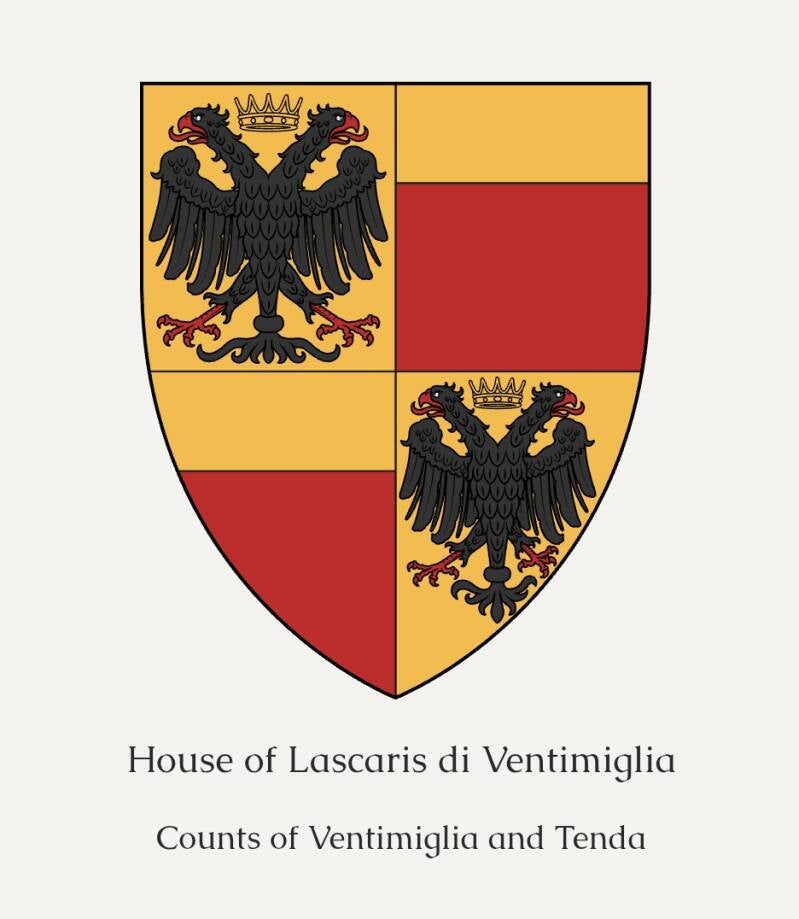
The connection between the House of Ivrea (Anscarids) and the Ventimiglia family centers on the 999 AD creation of the Sovereign County of Ventimiglia under the authority of King Arduin of Ivrea.
This historical connection bridges the fallen Anscarid crown of Italy with the rise of one of the Mediterranean's most enduring noble dynasties.
1. The Geopolitical Gift (999 AD)
- The Context: After Emperor Otto I dismantled Berengar II's Anscarid kingdom in 961, the family lost absolute control over Italy but retained major regional fortresses and marquisates.
- Arduin’s Move: In 999 AD, Arduin of Ivrea was elected King of Italy by a faction of anti-German Italian nobility. To secure his western borders along the Maritime Alps and the Mediterranean coast, Arduin formally established the County of Ventimiglia.
- The First Count: Arduin granted this strategically crucial territory—encompassing the gateway between modern-day Italy and France—to Count Otto, a noble ally. The family that ruled it adopted the name of the region, becoming the House of Ventimiglia.
2. Bloodline and Origins
Historians have spent centuries debating whether the Ventimiglia family were direct blood descendants of the House of Ivrea or simply their closest political proxies.
- The Aleramici Theory: Mainstream genealogical tracking suggests the first Count of Ventimiglia was a son of Aleramo of Montferrato, making the family a cadet branch of the Aleramici dynasty.
- The Ivrea Fealty: Whether related by blood or marriage, the Ventimiglias operated effectively as the southern maritime extension of the old March of Ivrea. They held the vital Alpine passes of Mont-Cenis and Saint-Bernard on behalf of the regional lords.
3. The Lascaris Dynasty Merge
The House of Ventimiglia would eventually link back to ultimate imperial lineage through an eastern connection:
- In 1261, Count Guglielmo Pietro I of Ventimiglia married Eudoxia Lascaris, the daughter of the Byzantine Emperor Theodore II Lascaris.
- This created the powerful Lascaris di Ventimiglia branch. They ruled independent sovereign alpine states (like the County of Tenda) and built the famous [Palazzo Lascaris](wikipedia.orgLascaris_di_Ventimiglia(abt._1249) in Nice.
4. Migration to Sicily
Just as the Spanish branch of the Ivrea family became kings of Castile, the Ventimiglia family eventually expanded south to become massive players in the Kingdom of Sicily.
- Serving the Hohenstaufen and Aragonese crowns, they became the Counts of Geraci and Princes of Belmonte.
- Contemporaries in Sicily described them as "semi-kings" due to their vast territory, hundreds of vassals, and independent military power in the Madonie mountains.
1. The Lascaris di Ventimiglia: Alpine Rulers
The Lascaris di Ventimiglia branch emerged from a high-stakes geopolitical marriage that permanently fused Ligurian nobility with the imperial dynasty of Byzantium.
- The Imperial Union (1261): When the French crusaders sacked Constantinople, the Byzantine court fled to form the Empire of Nicaea. In 1261, Count Guglielmo Pietro I of Ventimiglia married Princess Eudoxia Laskarina, daughter of the Nicaean Emperor Theodore II Lascaris. To preserve his wife's imperial lineage, Guglielmo Pietro adopted her surname, establishing the Lascaris di Ventimiglia line.
- The Sovereign County of Tenda: Faced with military pressure from the rising Republic of Genoa, the family consolidated their power in the Maritime Alps, making the County of Tenda their primary capital. Positioned high in the mountains between Piedmont and Nice, they functioned as an independent sovereign enclave. They extracted heavy toll taxes from all merchant caravans traveling the crucial mountain passes.
- The Baroque Legacy: The family remained influential for centuries, leaving behind architectural wonders. In Nice, France, they constructed the famous Palais Lascaris, a monumental Baroque palace renowned for its frescoes and monumental staircase.
2. The Counts of Geraci: The Sicilian "Semi-Kings"
While one branch dominated the northern mountains, another migrated to the Kingdom of Sicily. They transformed into the Counts of Geraci, expanding the legacy of the old House of Ivrea into the heart of the Mediterranean.
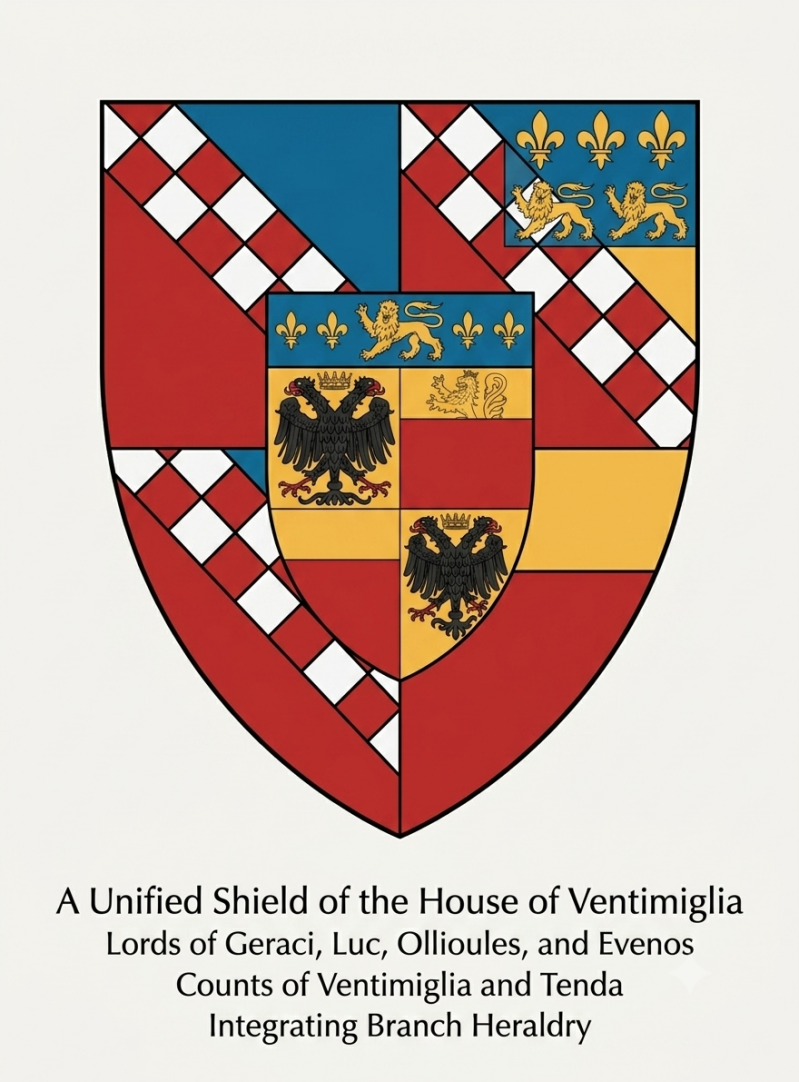
- Establishing the Stronghold (1258): The family arrived in northeastern Sicily during the transition from Swabian (Hohenstaufen) to Aragonese rule. They secured the County of Geraci, a rugged, heavily fortified territory centered in the Madonie mountains.
- The "Lords of the Woods": The Ventimiglias of Geraci became known locally by the nickname "Signori delle Selve" (Lords of the Woods) due to their total, undisputed dominion over the massive, dense mountain forests of central Sicily.
- The Sovereign State of Castelbuono: Finding the castle at Geraci too isolated, the family concentrated local populations to establish Castelbuono in the early 14th century, building a magnificent new castle that became the center of their court.
- The Premier Marquisate of Sicily (1438): In recognition of absolute military loyalty to the Aragonese Crown, King Alfonso V elevated Giovanni I Ventimiglia to Marquess of Geraci. This was the very first marquisate ever granted in Sicily, a rank previously restricted exclusively to royal bloodlines.
- Absolute Autonomy: As "semi-kings," the Ventimiglias held the rare feudal right of merum et mixtum imperium (pure and mixed empire). This gave them total civil and criminal jurisdiction, their own private armies, the ability to mint currency, and the power to execute vassals without royal permission.
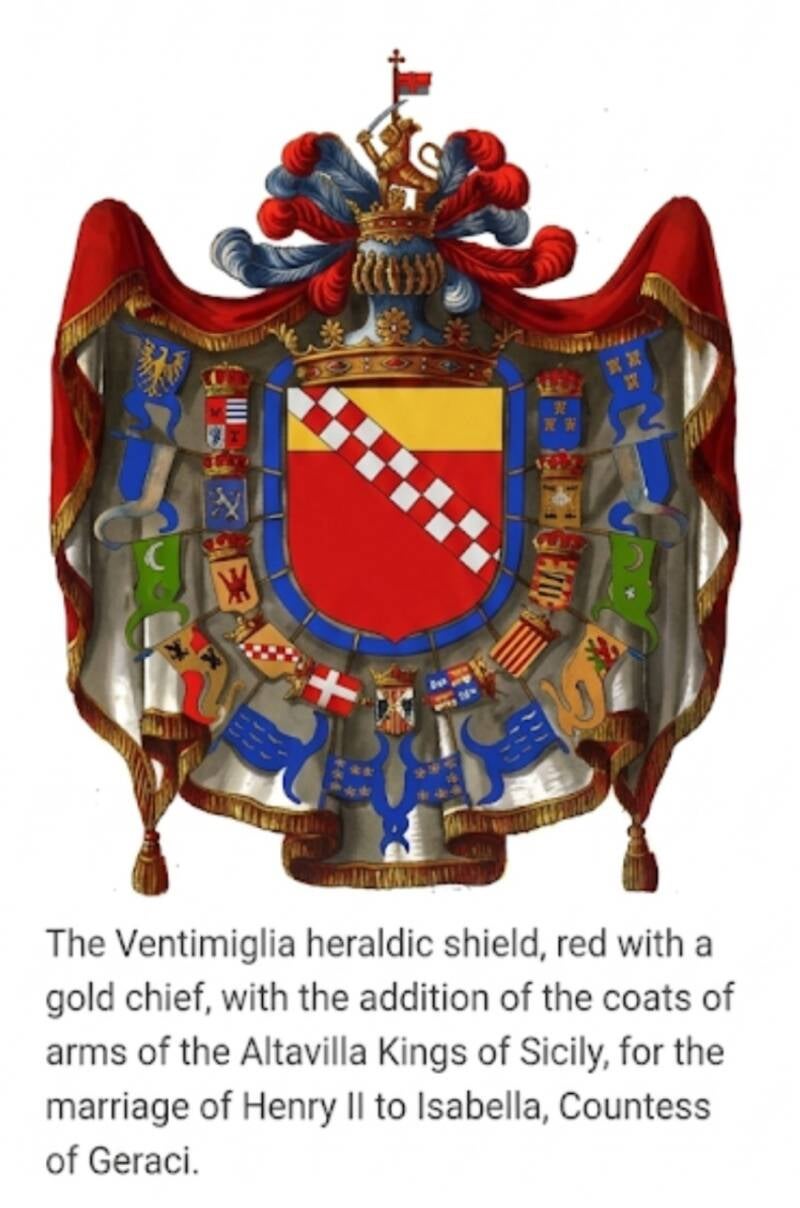

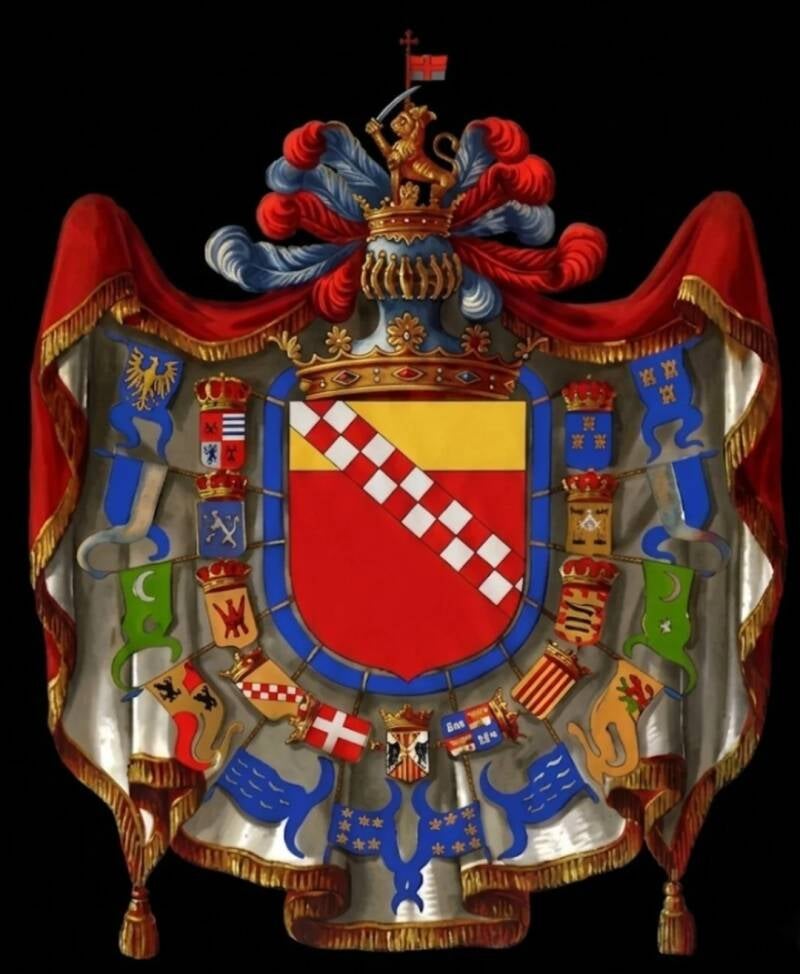
The enduring tale of the Ventimiglia crown
It is here that the narrative takes a significant turn with the crown of Ventimiglia, symbolizing centuries of power, influence, and intricate familial ties. This lineage is not just a historical fact but a living story that connects us to the broader tapestry of European history. Understanding the Anscarids and the Ventimiglia family provides crucial insights into medieval governance, cultural exchange, and the foundations of modern Europe.
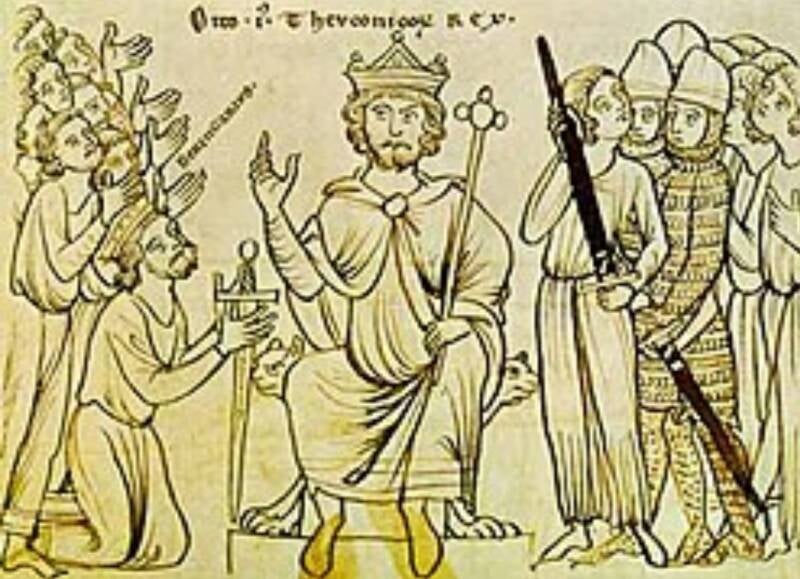
Yes. Long before they adopted the titles "Ivrea" or "Ventimiglia," their ancestors belonged to older, foundational ruling dynasties of the early Middle Ages: the Guidonids (or Widonids) and the Aleramici.
In the early medieval era, modern surnames did not exist. Instead, noble families were identified by historians either through a recurring ancestral name (patronymics) or by their broad clan networks.
1. Before the House of Ivrea: The Guidonid/Widonid Dynasty
Before they were known as the Anscarids or the House of Ivrea, the family’s ancestors belonged to a highly powerful Frankish-Austrasian imperial clan known as the Widonids (or Guidonids in Italian).
- The Name: The clan was named after its frequent use of the root names Guido (Guy) and Wido (Widukind).
- Who Were They?: They were a top-tier aristocratic family from the Austrasian heartland (modern-day Germany/Eastern France) during the reign of Charlemagne. They were legendary for their intense military devotion and were tasked with defending the western borders of the Frankish Empire against Celtic rebels.
- The Shift to Italy: By the mid-800s, the Widonids expanded into Italy and became the Dukes of Spoleto. When the Carolingian empire fractured, it was Duke Guy III of Spoleto (a Guidonid) who brought his close kinsman, Count Anscar I, across the Alps to Italy.
- The Evolution: Once settled in the Italian castle town of Ivrea, Anscar I's branch focused entirely on their new territory. Because Anscar was the first of his specific line to govern the area, medieval chroniclers began identifying his specific descendants as the Anscarii (Anscarids) or the House of Ivrea.
2. Before the House of Ventimiglia: The Aleramici Dynasty
Before Count Otto took control of the coastal border town in 999 AD and his descendants assumed the name "Ventimiglia," they belonged to one of the most prominent sovereign clans of Northern Italy: the Aleramici.
- The Name: The clan was named after its foundational patriarch, Aleramo of Montferrat (d. 991).
- Who Were They?: According to early medieval legend, Aleramo was the son of a noble Saxon knight named William who came to Italy on a pilgrimage. Aleramo proved to be a brilliant military commander, helping the Italian kings defeat invading Hungarian and Saracen forces.
- The Imperial March: In 961, Holy Roman Emperor Otto I rewarded Aleramo by granting him the Marca Aleramica (the Aleramic March)—a massive swath of territory encompassing modern-day Piedmont and Liguria.
- The Evolution: The Aleramici clan became so massive that it eventually fractured into several smaller branches to govern different territories. The branch that was handed the coastal fortress city of Ventimiglia eventually stopped using the broader "Aleramici" identity altogether. They adopted the name of their personal sovereign city, giving rise to the House of Ventimiglia.
The Legendary Romance of Aleramo
The origin story of the Aleramici dynasty (the parent clan of the House of Ventimiglia) is preserved in a famous, highly romanticized 14th-century chronicle by the Dominican friar Jacopo da Varagine.
- The Runaway Lovers: According to the legend, Aleramo was a handsome, hyper-talented Saxon knight serving at the court of the Holy Roman Emperor (traditionally identified as Otto I). Aleramo fell deeply in love with the Emperor's beautiful daughter, Adelasia. Knowing the Emperor would never approve of his daughter marrying a landless knight, the two lovers fled the court in secret.
- The Coal Miners: They hid in the dense, rugged forests of northwestern Italy (near modern-day Savona). To survive without revealing their identities, Aleramo took a job as a humble charcoal burner, hauling and selling coal to local villagers while Adelasia raised their children in a cave.
- Redemption on the Battlefield: Years later, the Emperor launched a military campaign in Italy to fight off an invading army. Aleramo, unable to watch his sovereign struggle, joined the army in disguise. During a critical battle, Aleramo saved the life of the Emperor’s son with dazzling swordsmanship.
- The Reward of Land: The Emperor demanded to meet the mysterious hero, recognized his long-lost son-in-law, and broke down in tears of forgiveness. To make amends, the Emperor granted Aleramo all the land he could ride around on horseback in three days and three nights. This territory became the Marca Aleramica (the Aleramic March), the foundation of the family's immense wealth.
The Widonid Rise to the Imperial Throne
Before the House of Ivrea (Anscarids) became kings, their parent clan—the Widonids (Guidonids)—accomplished the ultimate medieval power grab by seizing the crown of the Holy Roman Empire itself.
- Filling the Power Vacuum: In 888 AD, the Carolingian Emperor Charles the Fat died without a legitimate heir. The vast empire collapsed into bloody chaos, leaving the throne of Italy completely up for grabs.
- The Imperial Coronation (891 AD): Guy III of Spoleto, the ruthless leader of the Widonid clan, marched on Rome with a massive private army. He intimidated Pope Stephen V into crowning him King of Italy and, shortly after, Holy Roman Emperor.
- Securing the Dynasty: Guy III immediately elevated his young son, Lambert, to co-emperor. To secure their newly won empire against rival northern lords, Guy III needed ironclad military loyalty at the Alpine borders. He reached back to his Burgundian family roots and brought his trusted cousin, Anscar I, across the Alps to guard the western frontier.
- The End of the Widonids: The Widonid imperial dream was short-lived. Emperor Guy III died in 894, and young Lambert died in a sudden hunting accident in 898. With the main imperial Widonid line abruptly wiped out, the family's power shifted entirely to Anscar I. Using the frontier fortress-city of Ivrea as his launchpad, Anscar took the remnants of the Widonid faction and forged the independent House of Ivrea.
The High-Stakes Drama of Queen Adelaide and Berengar II
The real-life story of Empress Adelaide of Italy reads like a medieval political thriller. Her clashes with Anscar I's grandson, King Berengar II, ultimately reshaped the map of Europe.
- The Poisoned Crown: Adelaide was the daughter of King Rudolph II of Burgundy. To seal a peace treaty, she was married to King Lothair II of Italy. In 950, Lothair died suddenly. Rumors instantly spread that Berengar II of Ivrea had poisoned him to steal the throne.
- The Forced Marriage Proposal: Berengar II immediately seized the crown. To legitimize his rule, he demanded that Adelaide marry his son, Adalbert. Adelaide fiercely refused to marry the son of the man who likely murdered her husband.
- The Fortress Prison: Enraged, Berengar II stripped Adelaide of her royal jewels and locked her away in the dark, high-security fortress of Castle Garda, situated on a rocky cliff overlooking Lake Garda. She was subjected to harsh treatment and isolation.
- The Dramatic Escape: In 951, Adelaide managed a miraculous escape. With the help of a loyal priest, she allegedly tunneled out of the fortress, hid in nearby marshes and cornfields, and eventually found refuge at the impregnable Castle of Canossa.
- The Emperor to the Rescue: Adelaide sent a desperate plea for help to Otto I the Great of Germany. Otto marched across the Alps with a massive army, crushed Berengar's forces, and rescued Adelaide. Smitten by her intelligence and royal lineage, Otto married her.
- Sainthood: Adelaide went on to rule alongside Otto as Holy Roman Empress. She founded numerous monasteries, became a revered diplomat, and was eventually canonized as Saint Adelaide by the Catholic Church.
1. Palais Lascaris (Nice, France)
- What it is: The opulent 17th-century ancestral home of the Lascaris di Ventimiglia family.
- The Experience: Located in the heart of Old Nice, this stunning Baroque palace features a monumental staircase adorned with statues, magnificent ceiling frescoes depicting classical mythology, and tapestries. Today, it serves as a museum displaying a collection of historic musical instruments.
2. The Castle of Ventimiglia (Castelbuono, Sicily)
- What it is: The legendary seat of power for the Counts of Geraci, the Sicilian "semi-kings."
- The Experience: Built in 1316 by Francesco I Ventimiglia, this massive medieval fortress blends Arab-Norman and Gothic architecture. Inside, you can visit the Palatine Chapel, which houses the sacred relic of Saint Anne, adorned with breathtaking white stucco work.
3. Rocca di Garda (Lake Garda, Italy)
- What it is: The dramatic table-mountain cliff where Castle Garda once stood, the site of Queen Adelaide's imprisonment by Berengar II.
- The Experience: While the original fortress was later destroyed, you can hike up the steep trail of the Rocca di Garda today. The summit offers panoramic views of Lake Garda, allowing you to overlook the exact terrain Adelaide traversed during her midnight escape.
4. The Town of Alassio (Liguria, Italy)
- What it is: A beautiful coastal resort town in Savona intimately tied to the romantic legend of Aleramo and Adelasia.
- The Experience: According to the 14th-century legend, after the Emperor forgave the runaway couple, they founded a settlement on the coast. Aleramo named the town Alaxia in honor of his beloved wife, which over time evolved into modern-day Alassio.
The coats of arms of the House of Ivrea, House of Ventimiglia, and their parent dynasties visually tell the story of their changing power, moving from simple medieval stripes to complex imperial symbols.
1. The House of Ivrea (Anscarids)
- The Design: An azure (blue) shield with a silver bend (diagonal stripe), completely surrounded by a red border.
- The Meaning: In early heraldry, the diagonal bend signified military command and high administrative office. Blue symbolized loyalty and truth, while the red border (bordure) was often used to distinguish a specific sovereign branch of a family from its ancestral cousins.
- The Spanish Upgrade: When the family took the throne of Spain as the Castilian House of Ivrea under Alfonso VII, they dropped the old blue-and-silver shield. Instead, they adopted the legendary Castle and Lion design, alternating quarters of a golden castle on red (Castile) and a red lion on silver (León).
2. The House of Ventimiglia
- The Design: A simple, striking shield divided horizontally into two equal halves—red on top, gold (or silver) on the bottom.
- The Meaning: This type of dual-colored shield is called a per fess division. In Ligurian heraldry, this extreme simplicity indicated an ancient, foundational feudal lineage that existed before coats of arms became overly crowded and complex. Red symbolized courage and military sacrifice, while gold represented wealth, power, and sovereign independence.
3. The Lascaris di Ventimiglia
- The Design: The simple red-and-gold Ventimiglia shield, placed directly onto the breast of a massive, crowned, black double-headed eagle.
- The Meaning: When Count Guglielmo Pietro I married the Byzantine Princess Eudoxia Lascaris, the family wanted to broadcast their new imperial status to the western world. They adopted the double-headed eagle, the ultimate symbol of the Byzantine Empire. By placing their personal family shield in the absolute center of the imperial eagle, they visually declared themselves to be sovereign rulers of both East and West.
4. The Parent Dynasties (Aleramici & Guidonids)
- The Aleramici: Their original shield was argent (silver) with a thick red horizontal bar (fess) across the center. This design was so famous in Northern Italy that it still forms the basis of many regional flags in Piedmont today, including Monferrato.
- The Guidonids (Widonids): Because they ruled in the pre-heraldic 800s, they did not have a standardized shield. However, their descendants and branches adopted a gold shield featuring a fierce, rampant black lion, symbolizing their origins as Charlemagne’s frontier border-guards.