The deep roots of Italian ancestry
Explore the rich and complex tapestry of Italian history, from prehistoric migrations to the diverse influences that shaped its genetic and cultural landscape. Discover how the Italian Peninsula became a unique crossroads of civilizations.
Deep genetic roots: the prehistoric foundations
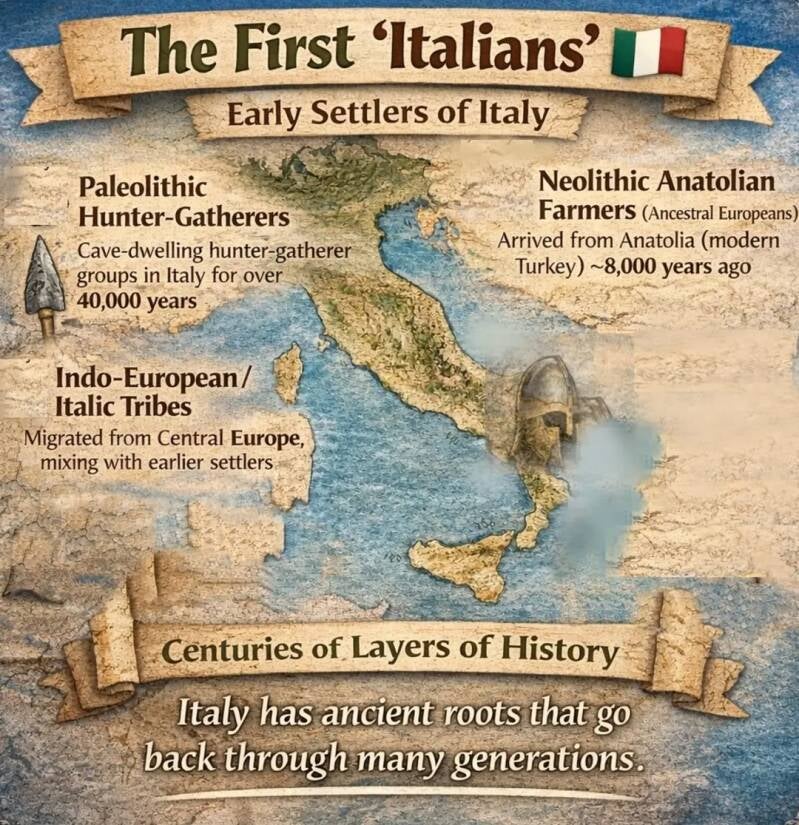
The biological baseline of Italian ancestry was established through three massive prehistoric migrations. Paleolithic hunter-gatherers arrived roughly 35,000 to 40,000 years ago, using the Italian peninsula as a crucial ecological refuge during the Last Glacial Maximum. Their genetic signatures persist at low levels, remaining highest in northern populations.
The agricultural revolution and Bronze Age migrations
Around 7,000 to 6,000 BCE, a massive migration of Anatolian Neolithic farmers from West Asia and the Middle East fundamentally reshaped the peninsula's demographics. They introduced farming practices and make up the largest foundational component of modern Italian DNA, most purely preserved in modern Sardinians. Between 2000 and 1600 BCE, Indo-European nomadic herders from the Eurasian grasslands entered northern and central Italy, bringing metallurgy, wheels, and Indo-European languages.

The Iron Age mosaic: pre-Roman tribes

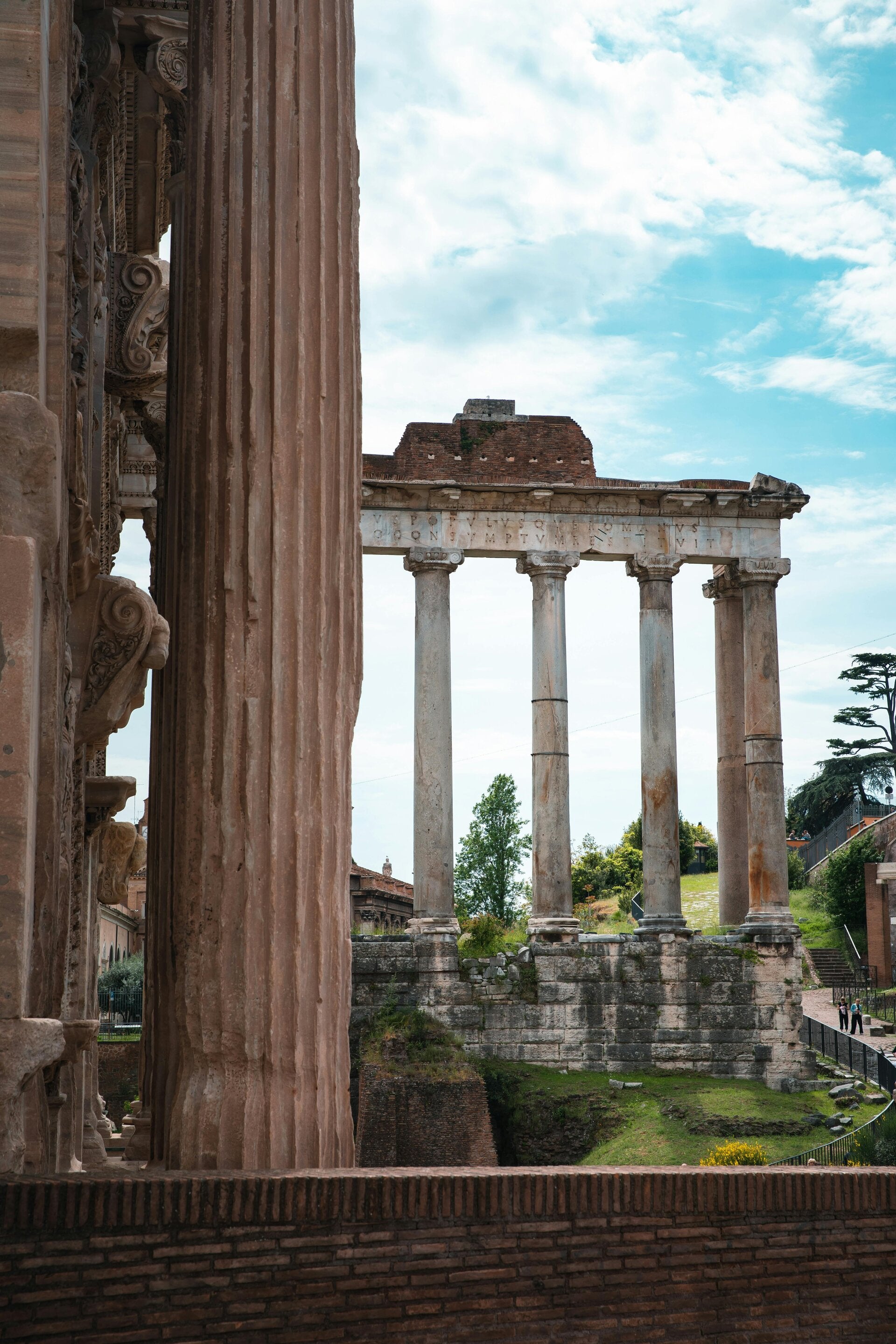
Before the rise of Rome, the Italian peninsula was an ethnically diverse mosaic of localized cultures. Ancient genomic studies show that during the 1st millennium BCE, Italy was divided into several distinct populations. These included the Italics, an Indo-European linguistic group, and the highly sophisticated Etruscans, whose unique language did not prevent them from sharing a similar genetic profile with their Italic neighbors. Beginning in the 8th century BCE, Greek colonists heavily settled coastal southern Italy and Sicily, leaving an enduring genetic imprint.